
5 min walk
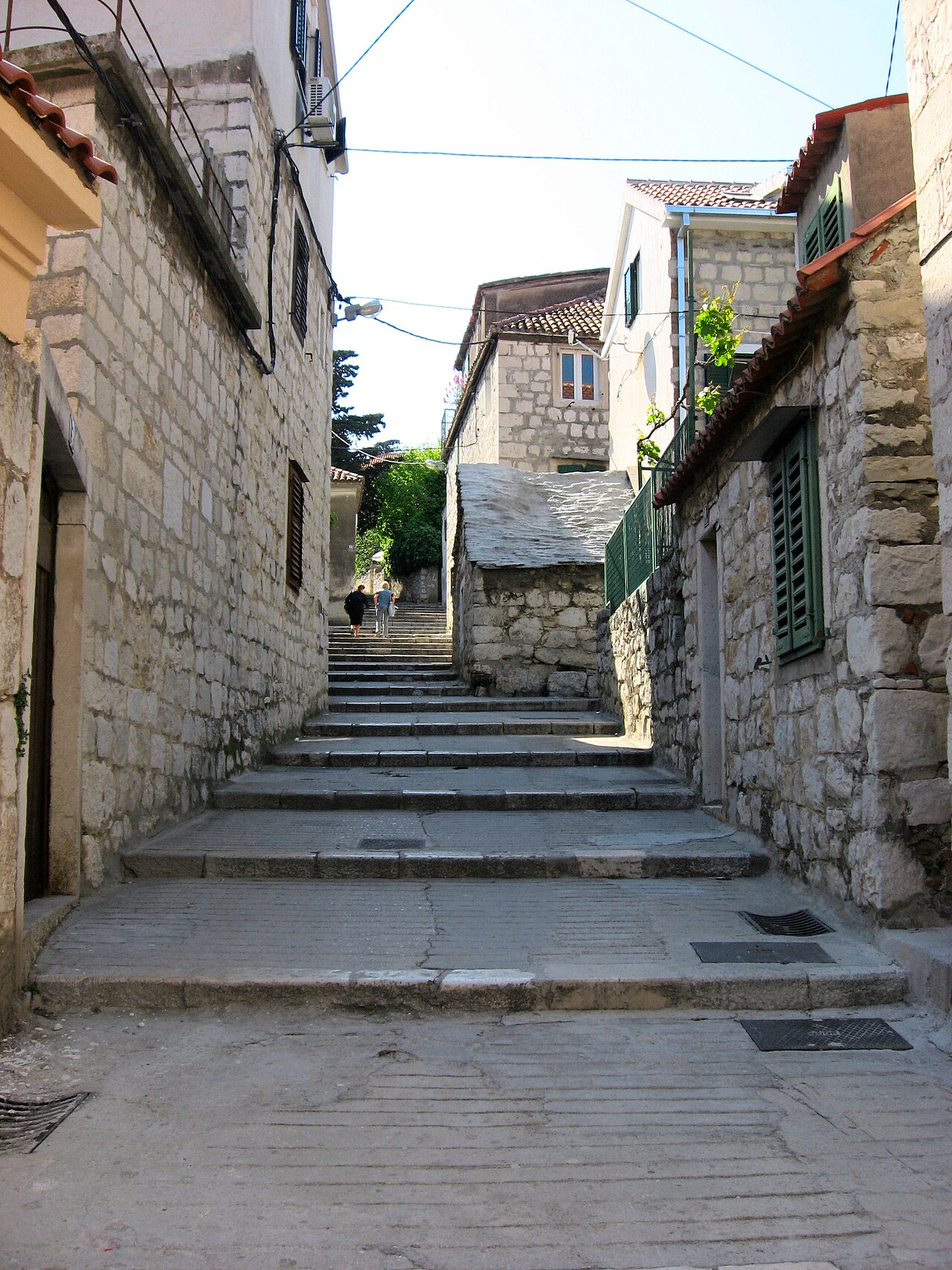
Varos Quarter
- Must see
- Activity
Language · 11 published
Nature site · Split
Park-šuma Marjan
Reviewed by Elena Voss · Roavina Travel Editor
| Monday | 00:00 – 23:59 |
|---|---|
| Tuesday | 00:00 – 23:59 |
| Wednesday | 00:00 – 23:59 |
| Thursday | 00:00 – 23:59 |
| Friday | 00:00 – 23:59 |
| Saturday | 00:00 – 23:59 |
| Sunday | 00:00 – 23:59 |
Checked 2026-08-31 · Source
Read from the OpenStreetMap access tags; anything not listed has no tag recorded.
Set the group type to family in the planner and the day window contracts to about three quarters of a solo day.
Marjan Forest Park is Split’s broad green retreat on the wooded Marjan peninsula, immediately west of the historic centre. It combines Mediterranean woodland, limestone ground, coastal paths and high viewpoints, so the experience is part urban escape and part open-air landscape walk. The park is also tied to Split’s religious heritage through chapels and hermitages scattered across the slopes. For travellers, its main appeal is variety: you can leave the dense palace quarter, climb into pine and cypress shade, look across the Adriatic, and continue towards the rocky shoreline without leaving the city. It suits visitors who want exercise, sea views and a quieter counterpoint to Split’s busy central streets.
Checked 2026-08-26 · Source
The park’s paths move between shaded forest, exposed limestone and clearings directed towards Split, the Adriatic and nearby islands. Along the peninsula you can find viewpoints, rocky coastal areas and religious landmarks including the Church of St. Nicholas and smaller chapels. The setting is useful for more than sightseeing: walking, running, outdoor exercise and some recreational facilities are part of the park landscape. A zoo and botanical garden are historically associated with Marjan, while the most dependable experience is the combination of woodland, viewpoints and shore. Build your visit around the scenery rather than trying to cover every path. The changing terrain is what gives the park its character.
Checked 2026-08-26 · Source
Allow about thirty to forty minutes for a steady walk from the city edge to the principal viewpoints. A broader outing linking several viewpoints, forest paths, religious sites and sections of coast can occupy two or three hours. Swimming or a longer stay by the shoreline extends the visit further. The park works well as a short morning climb, a half-day walk or several smaller visits during a stay in Split. Choose the scale according to your energy, because elevation, rocky ground and summer heat make a full circuit more demanding than the distance on a map may suggest. Keep time for pauses at viewpoints rather than treating the park as a route to rush through.
Checked 2026-08-26 · Source
Spring and autumn are comfortable seasons for longer walks, with milder conditions for climbing and exploring exposed paths. Summer is best approached early or late in the day, when direct sun is less punishing; open limestone sections can feel intense around midday. Winter offers a quieter landscape but can bring wind and cooler coastal conditions. The park’s forest and shoreline create different experiences in the same outing, so weather matters more here than it does for an indoor museum. Swimming is naturally more seasonal than walking. Bring water and sun protection for exposed sections, especially when planning to stay beyond the first viewpoints.
Checked 2026-08-26 · Source
General access to Marjan Forest Park is available from the urban side through multiple approaches, making it a public landscape rather than a single-gate attraction. The park itself has no stated general entrance charge in the guide information, so plan around the walking experience. Elements within the wider park environment, such as particular facilities or activities, can be separate from simply entering the woodland and reaching the viewpoints. The practical choice is to carry what you need for the outing, including water and a way to cover incidental spending in Split, while treating the forest paths, views and coastal scenery as the core visit.
Checked 2026-08-26 · Source
Marjan begins directly west of Split’s historic centre, so walking is the most natural way to start. From the western edge of the old town, routes rise towards the peninsula and its viewpoints. You can approach the park from the city, continue through woodland and descend towards the southern rocky shore. Roads reach parts of the peninsula, and bicycles can be used on appropriate paths, but the landscape is easiest to appreciate on foot. The old town, waterfront and Marjan can be combined in one day, with the park providing the uphill and open-air part of the route after time among Split’s historic streets.
Checked 2026-08-26 · Source
Marjan is not a flat city park. Expect uneven limestone, loose gravel, steeper stretches and abrupt changes in height. Viewpoints can meet open edges without consistent barrier protection, so keep close attention on exposed ground. Summer heat is especially serious on clearings and other sections with limited shade; carry water and protect yourself from the sun. Some paths feel isolated, and water is not guaranteed throughout the network. Wear shoes suited to rocky surfaces, choose a route that matches your stamina, and allow extra time for descents. Families and groups should keep together where paths narrow or the ground becomes irregular.
Checked 2026-08-26 · Source
Marjan offers several strong photographic subjects in one walk: Split’s historic roofline, the Adriatic, distant island silhouettes, forest texture and the pale limestone of the coast. Early and late daylight gives the city and sea more depth, while the forest is better suited to close details and dappled shade. At religious sites, photograph discreetly and preserve the quiet character of the place. Principal viewpoints can become busy, making a small camera or handheld setup easier than a full tripod. Clear weather helps distant islands stand out; haze can instead create a softer coastal atmosphere. The shoreline supplies useful foreground texture for wider landscape compositions.
Checked 2026-08-26 · Source
Short walks to nearer viewpoints can work well for children, but the park also has uneven limestone, elevation changes and rocky paths. Choose a shorter route that matches the child’s stamina and keep children close on exposed sections.
The park combines Mediterranean forest, limestone ground, elevated viewpoints, rocky coastline and views across the Adriatic towards nearby islands. Its scenery changes noticeably between shaded paths, open clearings and the southern shore.
Rocky beach and swimming areas lie along the southern slopes. Swimming is more seasonal than walking and takes place in a natural shoreline setting, so conditions depend on weather, water temperature and your own comfort in rocky coastal terrain.
Allow around thirty to forty minutes for the climb from the city edge to the principal viewpoints. A larger outing with several viewpoints, religious sites and coastal paths takes roughly two or three hours, with extra time if you swim.
Wear footwear suited to uneven limestone and loose gravel. For warm-weather walks, carry water and use sun protection because clearings and exposed paths can have limited shade. A route through the park is more comfortable when you plan for both climbing and rocky ground.
The park sits west of Split’s historic core, so it combines naturally with the old town and the waterfront. Within Marjan, you can link viewpoints, forest paths, the Church of St. Nicholas, smaller chapels and sections of the southern shoreline.
Loading the interactive map…
The interactive map could not be loaded.


Last updated:
Source: OpenStreetMap contributors ·