

5 min walk
Sv. Jeronim
- Notable
- Place of worship
Language · 11 published
Nature site · Split
Kašjuni
Reviewed by Elena Voss · Roavina Travel Editor
Read from the OpenStreetMap access tags; anything not listed has no tag recorded.
Set the group type to family in the planner and the day window contracts to about three quarters of a solo day.
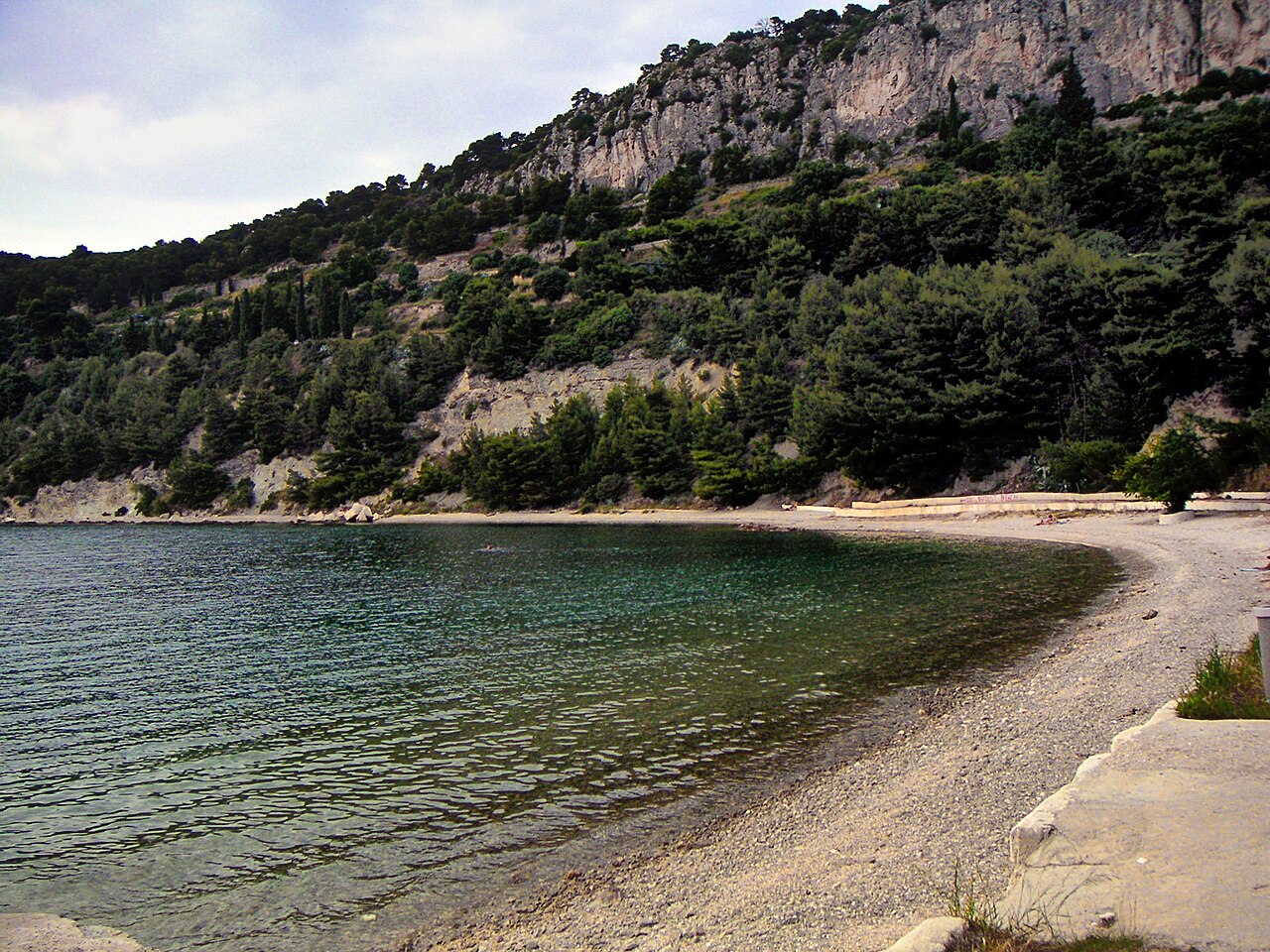
Kasjuni Beach, locally called Plaža Kašjuni, is a pebble beach on the southern side of Marjan Hill, west of Split’s historic centre. Pine-covered slopes frame the bay, creating a greener and quieter setting than the central waterfront. The beach is part of the Marjan Forest Park landscape and suits travellers who want Adriatic swimming, sunbathing and a scenic coastal escape close to the city. Kasjuni Beach is a pebble beach on the southern side of Marjan Hill, a forested peninsula west of Split's historic core. Locally known as Plaža Kašjuni, it sits within the protected Marjan Forest Park area. The beach offers a more secluded alternative to the busier city-centre waterfront of Split. Its position beneath pine-covered slopes creates a distinctive setting where Mediterranean vegetation meets clear Adriatic waters. The location is accessible by foot, bicycle, or road from the city centre. Kasjuni Beach is pebbly. Visitors should bring appropriate footwear for comfort on the beach and when entering the water.
Checked 2026-08-26 · Source
The shoreline is made of smooth pebbles, concrete platforms and natural rocky areas for sitting or sunbathing. Pine trees provide shade behind the beach, while the bay opens onto clear Adriatic water. A seasonal beach bar provides refreshments. The seabed becomes deeper relatively quickly, so confident swimmers will find the water more comfortable than very young children or inexperienced swimmers. Small boats may anchor offshore. The beach consists of smooth pebbles rather than sand, with concrete platforms and natural rock areas for sunbathing. Pine trees provide shade along the back of the beach. A beach bar operates seasonally, offering refreshments. The seabed drops relatively quickly, making swimming suitable for confident swimmers. Small boats occasionally anchor in the bay. There are no extensive commercial facilities; the appeal lies in the natural setting and relative quiet compared to central Split beaches. Basic changing facilities may be available near the bar area.
Checked 2026-08-26 · Source
Allow a full morning or afternoon for Kasjuni Beach. Swimming, drying off, reading beneath the pines and exploring the edge of the bay naturally fill several hours. Add time if you plan to walk through Marjan Forest Park before or after the swim. From the Old Town, the walk takes roughly thirty to forty-five minutes, making the journey itself part of a half-day outing. Visitors typically spend half a day at Kasjuni Beach, combining swimming with walking through Marjan Park.
Checked 2026-08-26 · Source
Summer is the natural season for swimming, with July and August bringing the highest visitor numbers. Morning is a good choice for calmer beach conditions and softer light before the day becomes hotter. Spring and autumn offer a quieter shoreline and can work for travellers comfortable with cooler sea temperatures. In winter, Kasjuni is better suited to a daylight walk and coastal views than to bathing.
Checked 2026-08-26 · Source
Kasjuni Beach is a public coastal area with free access to the shoreline and bathing water. The beach itself has no ticketed entrance. A seasonal bar, equipment hire or other services may cost extra, so treat those as separate purchases from beach access. The main experience is therefore simple and outdoors: arrive at the bay, choose a place among the pebbles or platforms, and swim when conditions suit you.
Checked 2026-08-26 · Source
From Split’s Riva, you can walk west through the Marjan area toward Kasjuni, following paths beneath the wooded slopes. Cycling is another practical approach. Road access serves cars and taxis, although parking can become difficult during busy summer periods. The beach is around three to four kilometres from Diocletian’s Palace. The route combines urban streets, park paths and a final descent toward the bay.
Checked 2026-08-26 · Source
Wear sturdy sandals or water shoes because the beach is pebbly and the rocks can be uncomfortable underfoot. The seabed deepens quickly, so inexperienced swimmers should stay close to shore and children need close supervision. Summer sun is strong, while shade is concentrated near the pine line. Bring drinking water and beach essentials because the setting is less built-up than central Split. Sea urchins may occur around rocky sections.
Checked 2026-08-26 · Source
Photographers can frame the white pebbles, blue Adriatic and dark green Marjan pines in one scene. The path above the beach offers a broad view over the bay, while shoreline angles work well for low-level water and rock compositions. Morning light brightens the beach and sea. Quieter periods make landscape images easier, and respectful distance from other bathers keeps the relaxed character of the cove intact.
Checked 2026-08-26 · Source
Kasjuni Beach is pebbly, with rocky areas and concrete platforms. Water shoes or sturdy sandals make walking and entering the water more comfortable.
You can walk or cycle through the Marjan area, or arrive by road using a taxi or private vehicle. The beach is about three to four kilometres west of Diocletian’s Palace.
The pebble surface and quickly deepening seabed require close supervision. The beach is more comfortable for confident swimmers than for very young children or weak swimmers.
Pine trees provide shade along the back of the beach, while much of the pebble shoreline remains exposed to the sun.
A full morning or afternoon suits most visits. Swimming and relaxing take several hours, and a walk through Marjan Forest Park can extend the outing.
The public beach and shoreline are freely accessible. Seasonal refreshments or other beach services are separate from access to the beach itself.
Loading the interactive map…
The interactive map could not be loaded.

Last updated:
Source: OpenStreetMap contributors, Wikidata ·