Speculum Alchemiae
Speculum Alchemiæ Prague
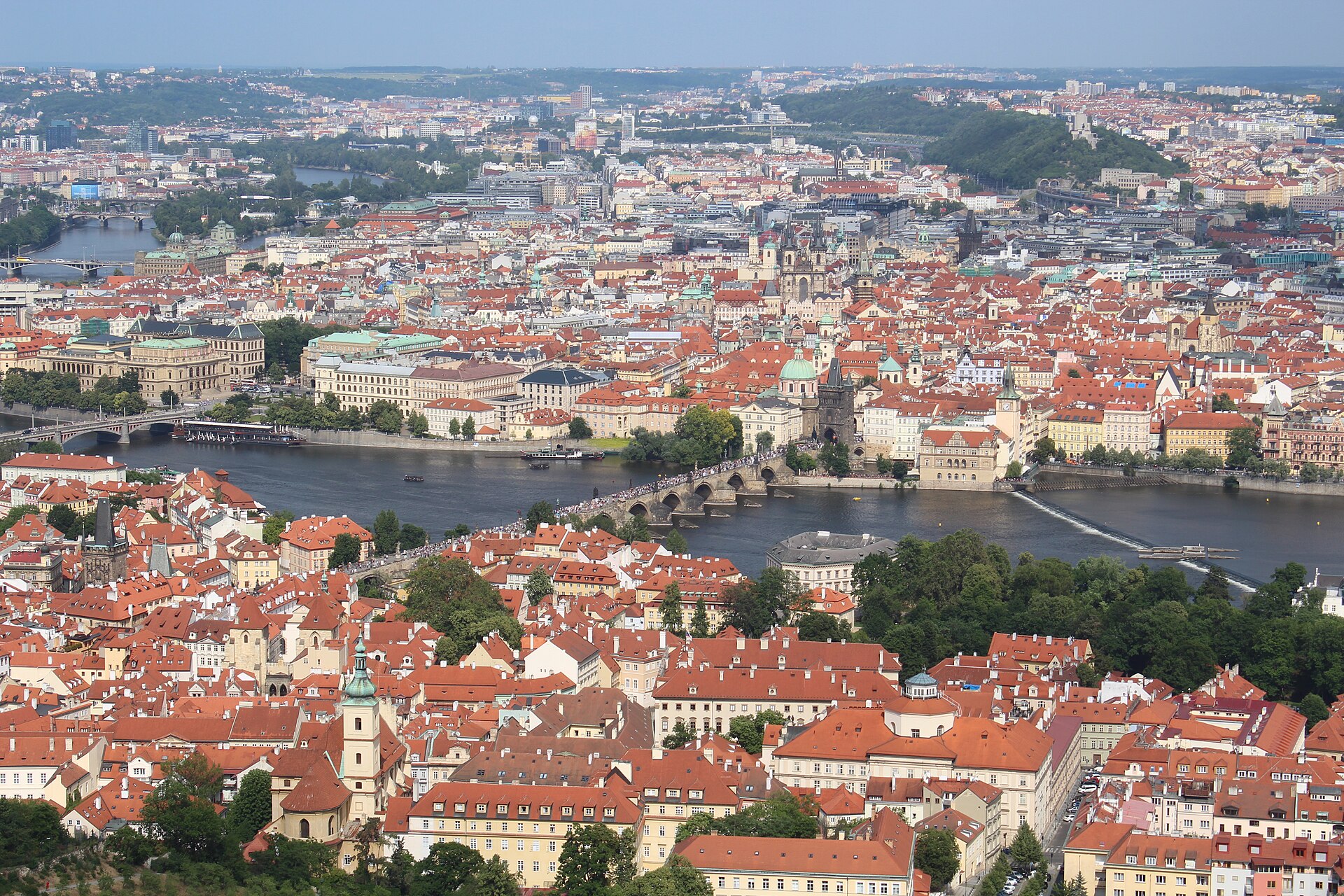
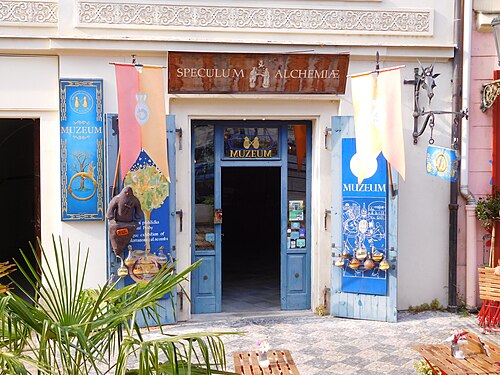
Speculum Alchemiae is a small specialist museum in Prague’s historic center devoted to alchemy, the medieval practice that helped shape the development of modern chemistry.
- Notable
- Museum
- Prague
Country guide
Czechia is landlocked and hilly, 78,871 km² bordered by Germany to the west, Poland to the northeast, Slovakia to the southeast and Austria to the south, under...
Photograph · Diego Delso · CC BY-SA 4.0
Reviewed by Elena Voss · Roavina Travel Editor
Czechia is landlocked and hilly, 78,871 km² bordered by Germany to the west, Poland to the northeast, Slovakia to the southeast and Austria to the south, under a mostly temperate continental climate.
Prague is the capital and the largest city, and it is the name most readers arrive with; Brno, Ostrava, Plzeň and Liberec are the other urban centres. The country answers to three names — Czechia, the Czech Republic, and historically Bohemia, the duchy founded in the late 9th century that was recognised as an Imperial Estate of the Holy Roman Empire in 1002 and became a kingdom in 1198.
Checked 2026-08-25
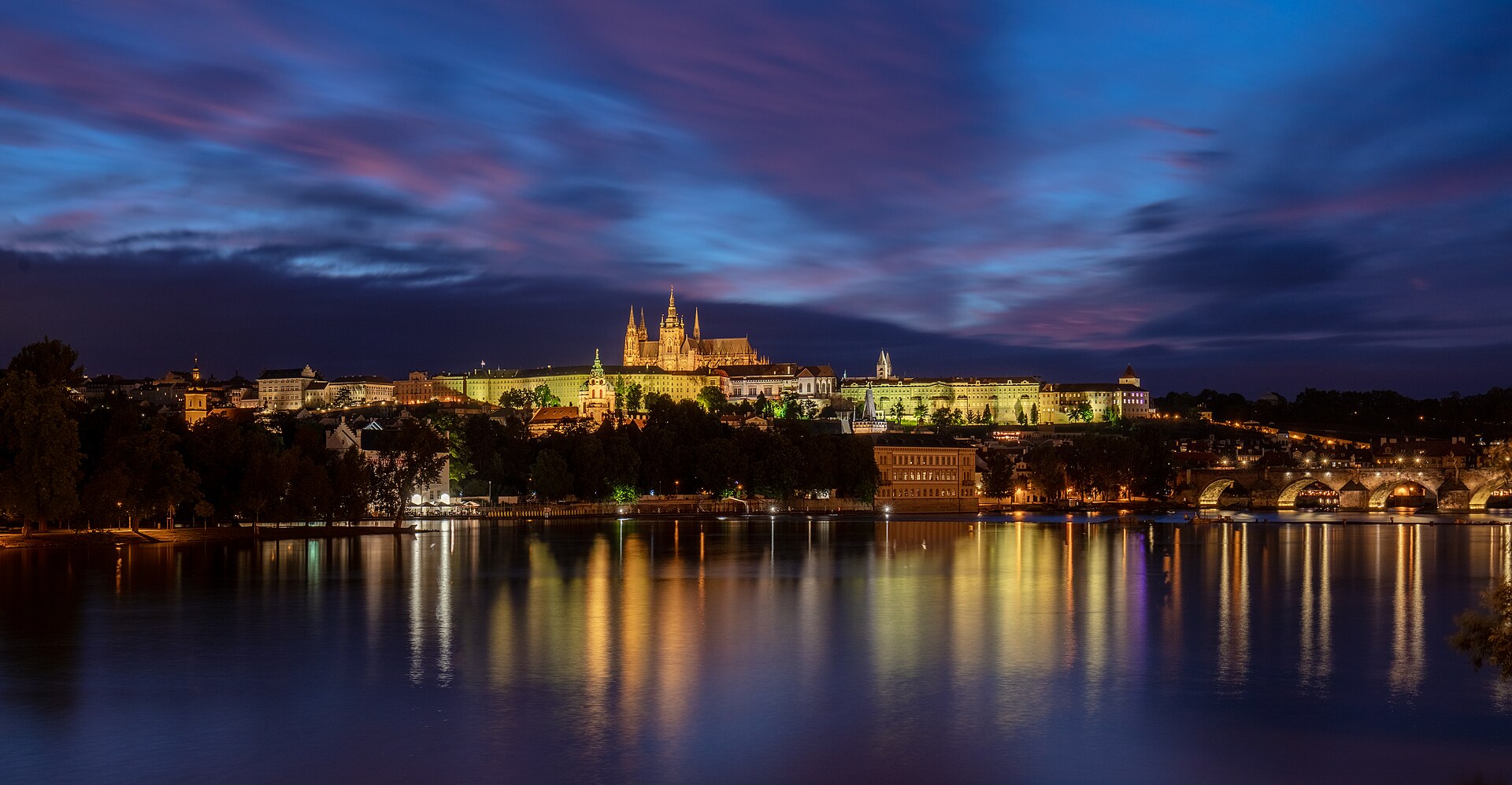
Every city catalogued in this country so far, ranked by how much there is to see.
Photograph · Deror_avi · CC BY-SA 4.0
Seasonal closures come from recorded opening hours.
Ranked by importance — sitelinks, pageviews and heritage status, not editor preference.
61 places match
Category
Typical visit duration
Interests
Speculum Alchemiæ Prague
Speculum Alchemiae is a small specialist museum in Prague’s historic center devoted to alchemy, the medieval practice that helped shape the development of modern chemistry.
Ateliér Josefa Sudka
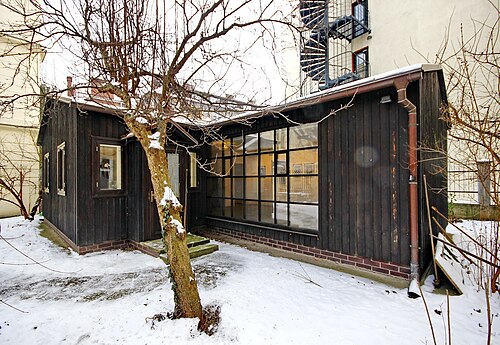
The Josef Sudek Studio is a museum and gallery dedicated to the life and work of Josef Sudek, one of the most celebrated Czech photographers of the twentieth century.
Trabant muzeum Praha Motol
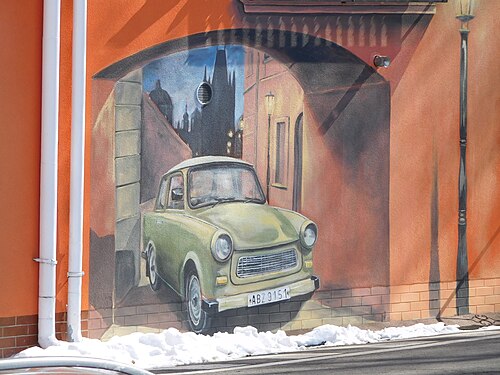
The Trabant muzeum Praha Motol is a museum in Prague dedicated to the Trabant, the iconic East German automobile produced from 1957 to 1991.
Müllerova vila
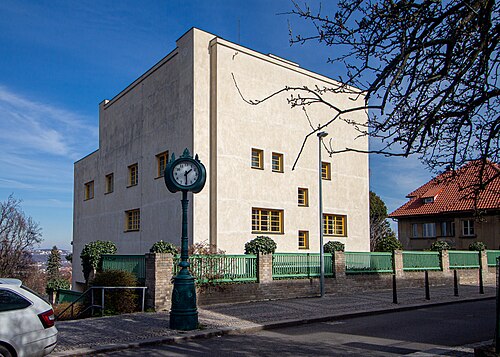
Villa Müller is a modernist house in Prague’s Střešovice district, designed by Adolf Loos and completed in 1930 for František Müller.
Rothmayerova vila
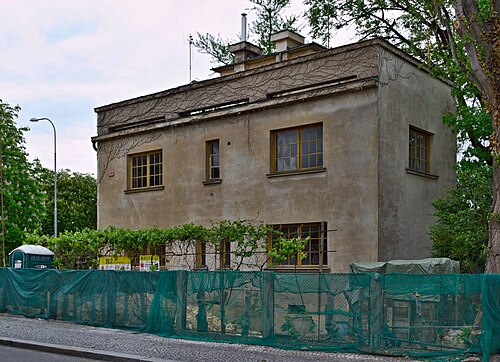
Villa Rothmayer, known locally as Rothmayerova vila, stands as a notable architectural work in Prague. The villa was designed by Otto Rothmayer, a prominent Czech architect who collaborated with the renowned Slovene architect Jože Plečnik.
Six to eight days can divide time between Prague and one extension such as Brno, Olomouc, Český Krumlov, or Kutná Hora. Český Krumlov benefits from an overnight, whereas Kutná Hora is a practical day trip.
Czechia is in the Schengen Area, but the required documents depend on nationality. Check the Ministry of Foreign Affairs or official VisitCzechia entry guidance for the current visa and passport rule.
Václav Havel Airport is the main gateway, and a dense rail network plus intercity buses links the country. Urban tickets may require validation, while long-distance tickets can be service-specific, so treat them as separate products.
April to June and September to October are broad city-and-rail planning windows. Rural castles may follow seasonal schedules, so verify those dates before building a route around them.
Czechia uses the Czech koruna (CZK), not the euro. Keep some koruna for smaller transactions and confirm that card terminals charge CZK rather than offering an unexamined conversion.
In Czechia, 112 reaches the emergency services. The grid delivers 230 V through Type C and E sockets. Water potability has no recorded value in this guide; verify it with the local authority for the place being visited.