
2 min walk
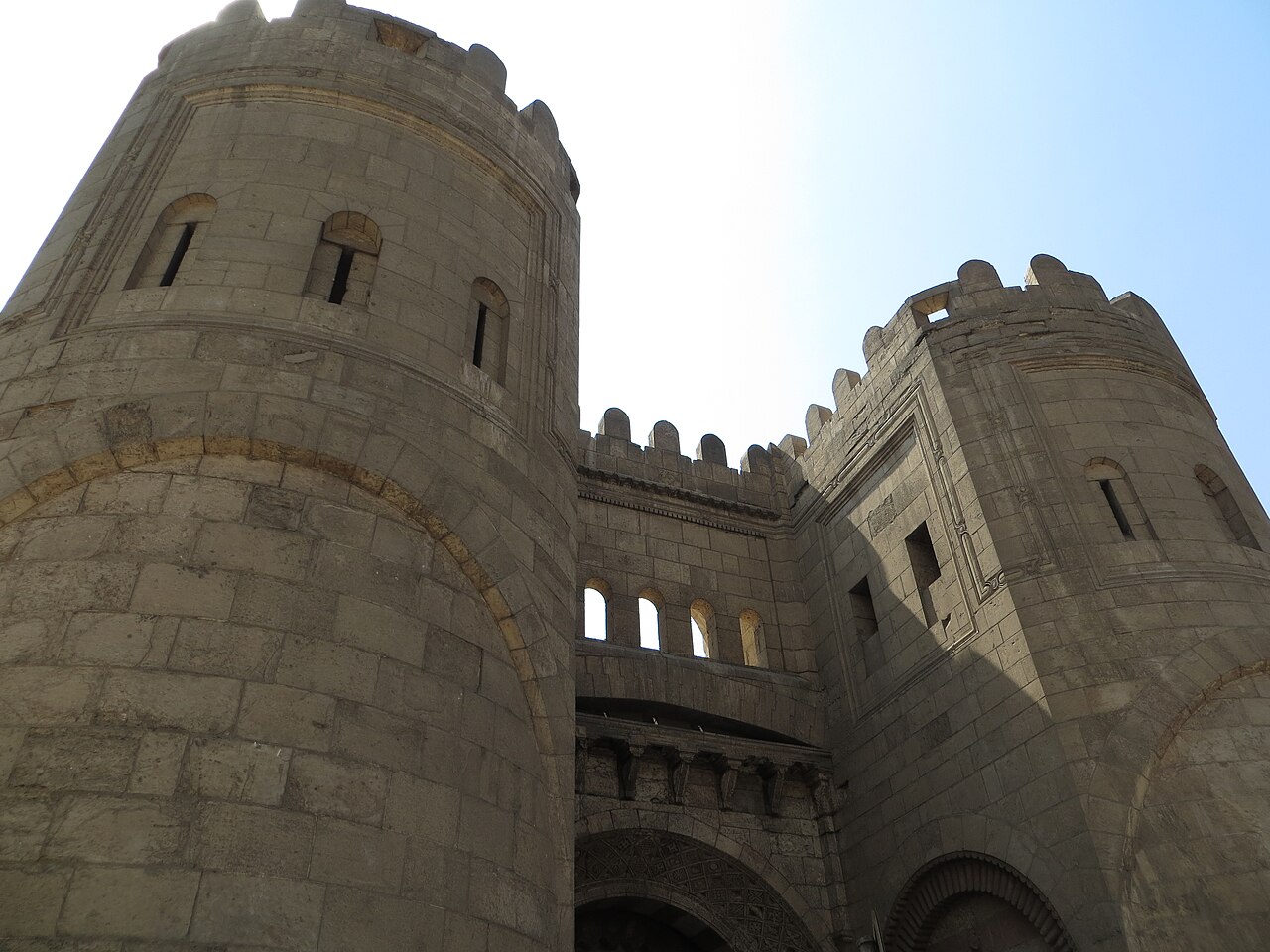
Bab Al-Fotuh
- Must see
- Historic monument
Language · 11 published
Historic monument · Cairo
جامع الحاكم بأمر الله
Reviewed by Elena Voss · Roavina Travel Editor
Read from the OpenStreetMap access tags; anything not listed has no tag recorded.
Set the group type to family in the planner and the day window contracts to about three quarters of a solo day.
It was built in the Fatimid architecture style.
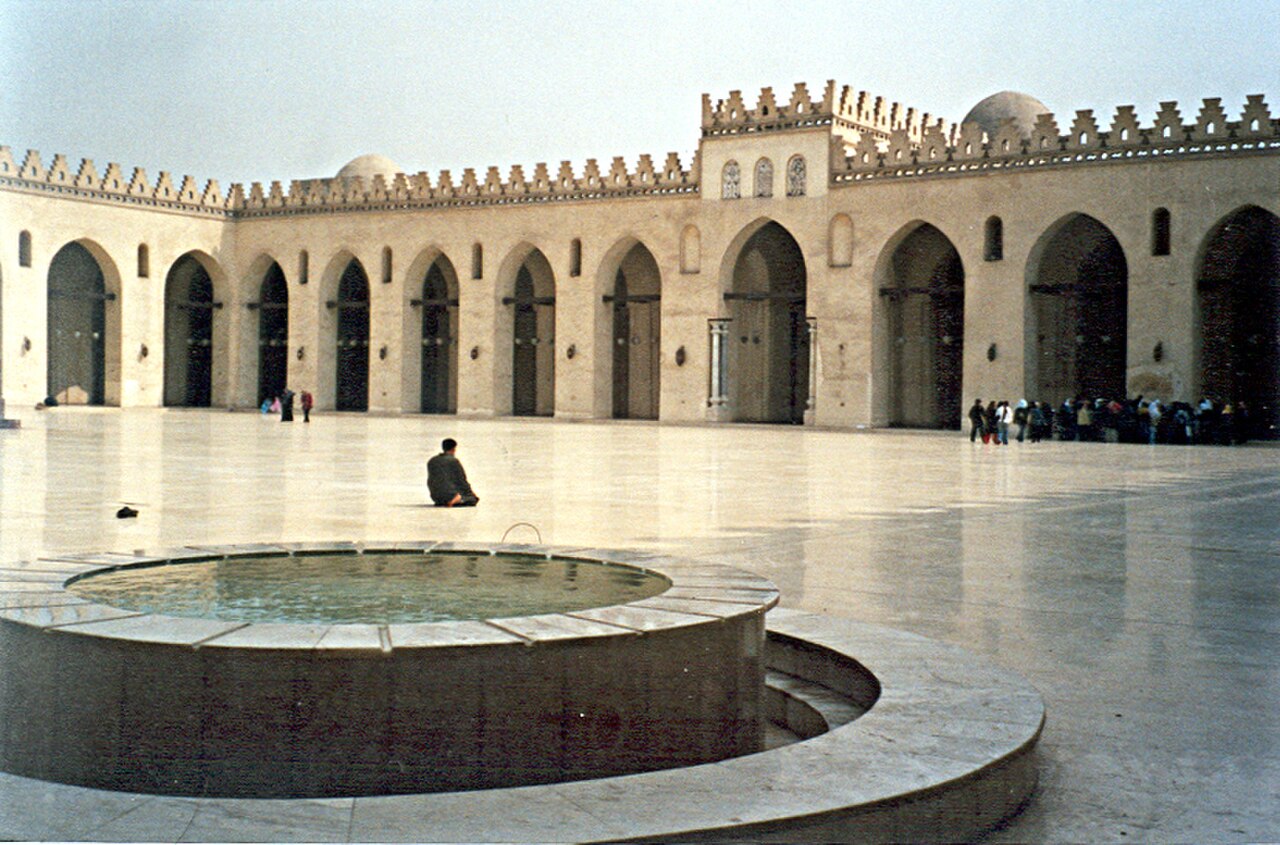
Al-Hakim Mosque, known locally as مسجد الحاكم بأمر الله, is a major Fatimid-era mosque situated in Cairo, Egypt. It stands as a significant monument at the northern terminus of the al-Muizz heritage corridor, a zone recognised by UNESCO for its outstanding medieval Islamic architecture. The mosque was commissioned during the Fatimid caliphate and bears the name of the sixth Fatimid caliph. Its massive scale and prominent position make it a defining landmark in the historic urban fabric of Islamic Cairo. Open for visits; the Ministry of Tourism and Antiquities states that visiting hours follow the mosque’s managing authority rather than a fixed public timetable.
Checked 2026-08-31 · Source
The mosque contains characteristic Fatimid architectural elements including substantial stone walls, monumental entrance portals, and a large courtyard typical of congregational mosque design. The interior prayer hall accommodates extensive worshipper numbers befitting its status as a major religious foundation. Decorative features reflect the aesthetic preferences of the Fatimid period. The structure has undergone various phases of restoration over centuries. No recurring closure day is listed. The mosque reopened on 27 February 2023 after restoration. The ministry publishes hotline 19654 for this site. General admission is free.
Checked 2026-08-31 · Source
A thorough visit to Al-Hakim Mosque typically requires between thirty minutes and one hour, depending on individual interest in architectural examination and historical contemplation. Those with specialised interest in Fatimid architecture or Islamic heritage may wish to allocate additional time for detailed observation of construction techniques and decorative elements. The mosque's considerable scale rewards unhurried exploration. Visitors should factor in time for appropriate conduct consistent with its active religious function. Combine with adjacent al-Muizz corridor sites for a fuller heritage experience. General admission is free.
Checked 2026-08-31 · Source
Visitors should verify current opening schedules through official channels before planning their visit. As an active place of worship, the mosque observes prayer times that affect visitor access. Friday midday prayers typically draw substantial congregations and may limit non-worshipper entry. Open for visits; the Ministry of Tourism and Antiquities states that visiting hours follow the mosque’s managing authority rather than a fixed public timetable. The 2023 restoration added accessible-tourism provisions so visitors with disabilities can enter and visit the mosque more easily. Fatimid caliph al-Aziz bi Allah began construction in 990; his son al-Hakim bi-Amr Allah completed it in 1013.
Checked 2026-08-31 · Source
Visitors should ascertain current admission policies, including whether any entry fees apply, through official sources or on-site inquiry. Some heritage mosques in Cairo operate with variable fee structures depending on visitor category, nationality, or intended activities such as photography. Donations may be welcomed for mosque maintenance. Budget-conscious travellers should carry appropriate local currency. General admission is free. The 2023 restoration added accessible-tourism provisions so visitors with disabilities can enter and visit the mosque more easily. Fatimid caliph al-Aziz bi Allah began construction in 990; his son al-Hakim bi-Amr Allah completed it in 1013.
Checked 2026-08-31 · Source
Al-Hakim Mosque occupies a prominent position at the northern end of al-Muizz li-Din Allah Street in Islamic Cairo. The site is accessible from multiple directions within the historic district. Taxis and ride-hailing services operate in Cairo but may face congestion in narrow historic streets. Take Cairo Metro Line 3 to Bab Al Shaaria, identified by Cairo Metro as the closest station to the northern side of Islamic Cairo. From Bab Al Shaaria Square, follow Amir Al-Guyoush Street toward Al-Muizz Street and Bab al-Futuh; the mosque stands beside Bab al-Futuh at the northern end of Al-Muizz Street.
Checked 2026-08-31 · Source
Visitors must dress modestly covering shoulders and knees; women should additionally cover hair as customary in active Egyptian mosques. Remove footwear before entering prayer areas. Respect worshippers by maintaining silence and avoiding prayer-time intrusion. The surrounding historic district presents uneven paving, limited signage, and variable street conditions requiring attentive footing. Traffic in adjacent streets can be hazardous. The 2023 restoration added accessible-tourism provisions so visitors with disabilities can enter and visit the mosque more easily. The Ministry of Tourism and Antiquities identifies it as Egypt’s fourth-oldest surviving mosque and Cairo’s second-largest mosque after the Mosque of Ibn Tulun.
Checked 2026-08-31 · Source
Visitors should seek explicit permission before capturing images, particularly of worshippers or during prayer times. Flash photography is generally discouraged in historic interiors due to potential material degradation. Tripod use typically requires advance authorisation. Respectful distance from individuals is essential. The mosque's exterior, with its massive walls and distinctive minarets, offers substantial architectural photography potential from surrounding streets. Drone operation is prohibited without specific governmental permits and should be assumed impermissible. It is in Al-Gamaliya at the northern end of Al-Muizz Street, immediately beside Bab al-Futuh.
Checked 2026-08-31 · Source
Fatimid caliph al-Aziz bi Allah began construction in 990; his son al-Hakim bi-Amr Allah completed it in 1013.
The Ministry of Tourism and Antiquities identifies it as Egypt’s fourth-oldest surviving mosque and Cairo’s second-largest mosque after the Mosque of Ibn Tulun.
It is in Al-Gamaliya at the northern end of Al-Muizz Street, immediately beside Bab al-Futuh.
The monumental entrance projects from the western façade and is one of Egypt’s earliest surviving examples of a projecting mosque entrance; its design was influenced by the Great Mosque of Mahdiya in Tunisia.
French forces used it as a barracks and its minarets as watchtowers; its qibla arcade later housed the House of Arab Antiquities, an early home of the collection that became Cairo’s Museum of Islamic Art.
It reopened on 27 February 2023 after a restoration overseen by the Ministry of Tourism and Antiquities, the Ministry of Awqaf, Cairo Governorate and the Supreme Council of Antiquities, in cooperation with the Bohra community.
Loading the interactive map…
The interactive map could not be loaded.

Last updated:
Source: OpenStreetMap contributors, Wikidata ·