
2 min walk
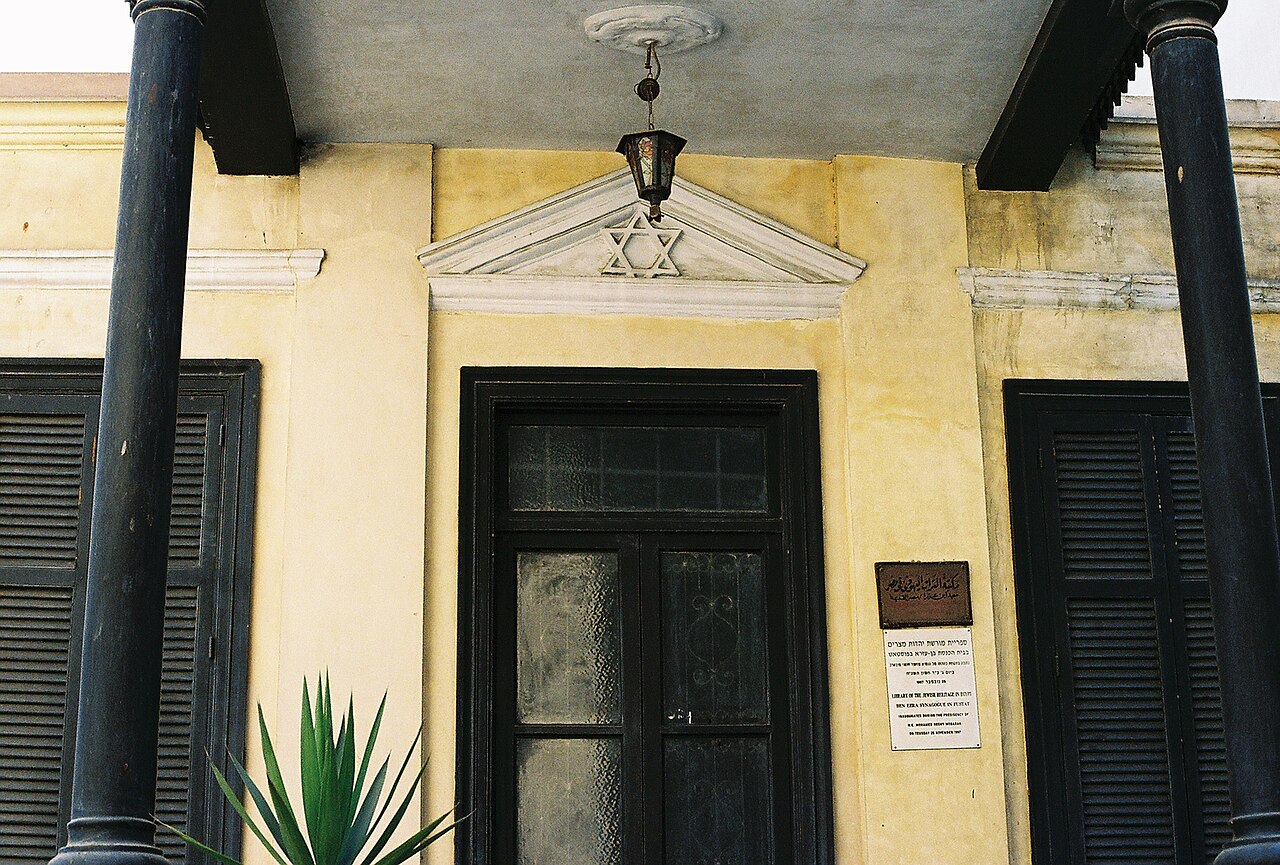
Ben Ezra Synagogue
- Must see
- Place of worship
Language · 11 published
Historic monument · Cairo
القاهرة القبطية
Reviewed by Elena Voss · Roavina Travel Editor
Read from the OpenStreetMap access tags; anything not listed has no tag recorded.
Set the group type to family in the planner and the day window contracts to about three quarters of a solo day.
This place is a Attraction.
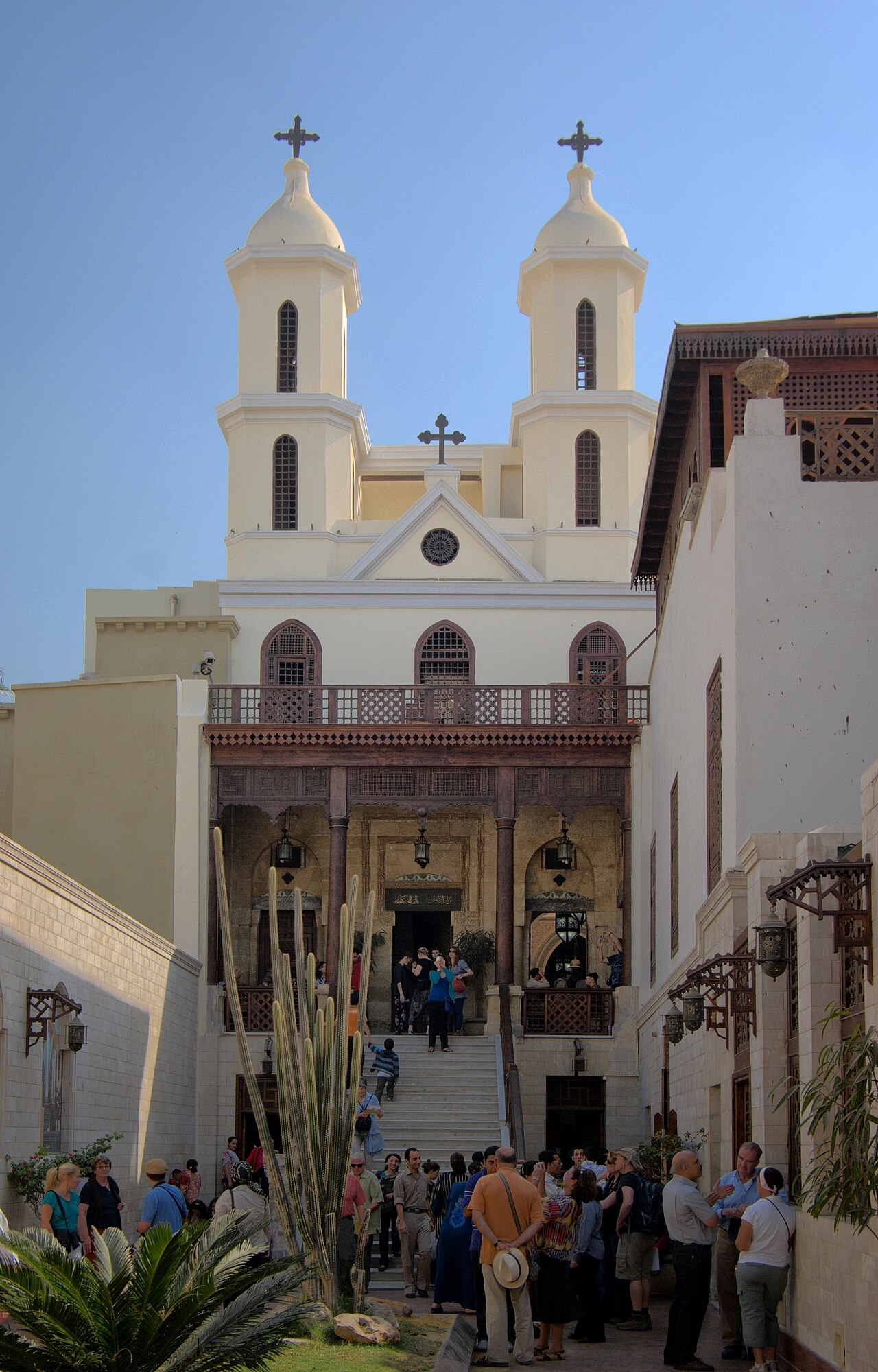
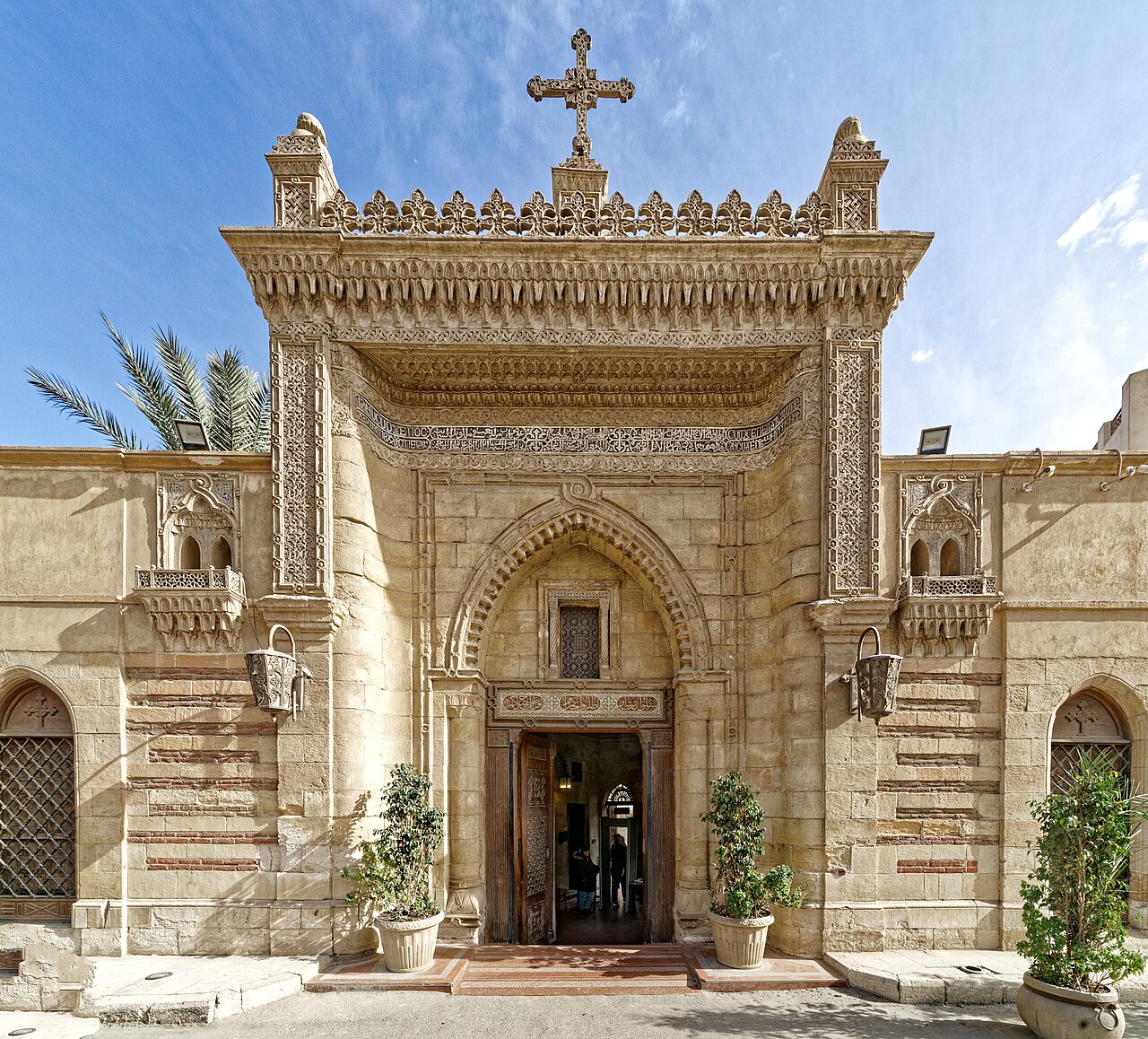
Coptic Cairo is a compact historic quarter in Old Cairo, Egypt. It contains significant religious and archaeological sites spanning multiple eras. The area includes ancient Christian churches, a synagogue, and traces of Roman settlement. Its Arabic name, مصر القديمة القبطية, reflects its identity as the historic Coptic section of the city. The quarter holds importance for understanding early Christian history in Egypt and the development of Cairo before the Islamic period. No single production district identity exists for this area. Daily: Hanging Church 09:00–16:00; Coptic Museum 09:00–17:00, with last admission at 16:00. Coptic Museum Ramadan hours: 09:00–15:00, with last admission at 14:00. Egypt’s official tourism guide identifies the Hanging Church, Babylon Fort, Church of St George, Church of St Sergius, Ben Ezra Synagogue, Amr Ibn al-As Mosque and Coptic Museum in and around the district.
Checked 2026-08-31 · Source
The quarter contains multiple churches of historical significance, including the Hanging Church and the Church of St. Sergius and Bacchus. The Ben Ezra Synagogue is also located here. Roman remains are present in the area, including the Babylon Fortress. The Coptic Museum houses collections relevant to the area's Christian heritage. These sites are situated in close proximity to one another within the walkable quarter. The mix of religious traditions represented reflects the layered history of this part of Cairo.
Checked 2026-08-31 · Source
Visitors typically spend several hours exploring Coptic Cairo due to its compact nature. The walking distance between major sites is short, allowing efficient movement from one location to another. A thorough visit encompassing multiple churches, the synagogue, and the museum would reasonably occupy half a day. Those with specific religious or historical interests may wish to allocate additional time. The area's small geographic footprint means that extended time is not required for basic familiarity with its main attractions.
Checked 2026-08-31 · Source
Visitors should verify current opening times before travel. The outdoor portions of the quarter can be visited during daylight hours. Cairo experiences hot summers and mild winters, which may influence visitor comfort. Morning visits may offer cooler temperatures during warmer months. Religious services occur at active churches and may affect access. Daily: Hanging Church 09:00–16:00; Coptic Museum 09:00–17:00, with last admission at 16:00. Coptic Museum Ramadan hours: 09:00–15:00, with last admission at 14:00. The Coptic Museum has a ramped entrance. The museum provides an elevator and an escalator between its two floors.
Checked 2026-08-31 · Source
Some churches may not charge admission fees. Visitors should carry local currency for any required payments. Photography permits, if available, may involve additional costs. Budgeting for variable expenses is advisable. Group rates, student discounts, or combined tickets are possibilities that should be confirmed on site. The Ministry publishes no district-wide ticket for Coptic Cairo. The separately ticketed Coptic Museum charges EGP 280 for a foreign adult and EGP 20 for an Egyptian adult. Its published free-entry categories include children under 6, Egyptians aged 60 or over, and Egyptians with disabilities.
Checked 2026-08-31 · Source
Coptic Cairo is located in the southern part of central Cairo. The Mar Girgis metro station on Cairo Metro Line 1 serves the area directly. Taxis and ride-hailing services operate in Cairo and can reach the quarter. Signage in Arabic and English assists navigation. Use Cairo Metro’s Mar Girgis station. The metro operator identifies the station as being in the middle of Coptic Cairo beside the Hanging Church and the Religious Complex. The Coptic Museum is at 3 Mar Girgis Street; its official visitor information names Fostat parking as the nearest parking facility.
Checked 2026-08-31 · Source
Active religious sites require respectful behavior and appropriate dress. Modest clothing covering shoulders and knees is advisable for church and synagogue visits. Photography restrictions may apply inside religious buildings; permission should be sought. The area includes uneven surfaces and steps due to its historic character. Crowds may gather during religious observances. Street vendors and unofficial guides may approach visitors. The Coptic Museum has a ramped entrance. A visitor toilet is available at the museum. These facilities cover the Coptic Museum; the responsible public body does not describe a continuous step-free route through the wider historic district or its individual churches.
Checked 2026-08-31 · Source
Photography policies vary across individual sites in Coptic Cairo. Some churches may prohibit interior photography entirely. Others may permit it without flash or may require purchase of a photography permit. The exterior architecture and streetscapes generally present no restrictions. The Hanging Church's elevated position offers distinctive photographic angles. Lighting conditions inside ancient buildings can be dim, affecting image quality. Tripods may attract scrutiny or prohibition. Visitors should observe posted signs and comply with staff instructions regarding camera use in each location.
Checked 2026-08-31 · Source
Egypt’s official tourism guide identifies the Hanging Church, Babylon Fort, Church of St George, Church of St Sergius, Ben Ezra Synagogue, Amr Ibn al-As Mosque and Coptic Museum in and around the district.
The church stands above the southern gate and towers of the Roman Babylon Fortress, approximately 13 metres above ground level.
The Church of Saints Sergius and Bacchus was built above the cave traditionally associated with Joseph, Mary and the infant Jesus taking refuge in Egypt.
The museum has two wings containing 27 halls over two floors and holds the world’s largest collection of Egyptian Christian artifacts.
The museum was inaugurated in 1910 through the efforts of Coptic heritage preservationist Marcus Simaika Pasha.
Mobile-phone photography is free, but flash, tripods and monopods are prohibited for ordinary visits. Bags or parcels larger than 40 × 40 centimetres cannot enter the galleries and must be left in the cloakroom.
Loading the interactive map…
The interactive map could not be loaded.
Last updated:
Source: OpenStreetMap contributors, Wikidata ·