.jpg)


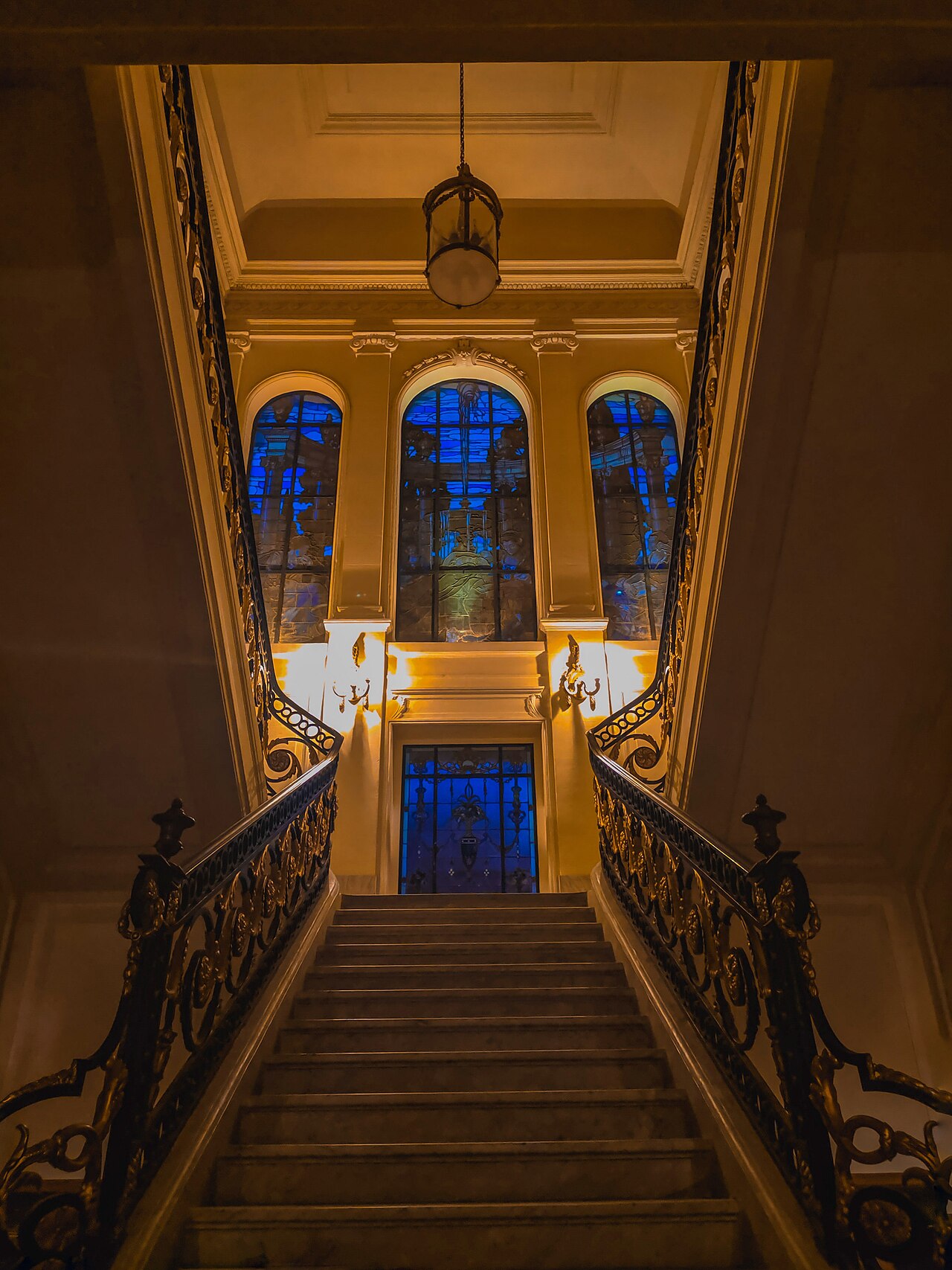
7 min walk
Aisha Fahmy Palace
- Must see
- Historic monument
Language · 11 published
Place of worship · Cairo
مسجد سنان باشا
Reviewed by Elena Voss · Roavina Travel Editor
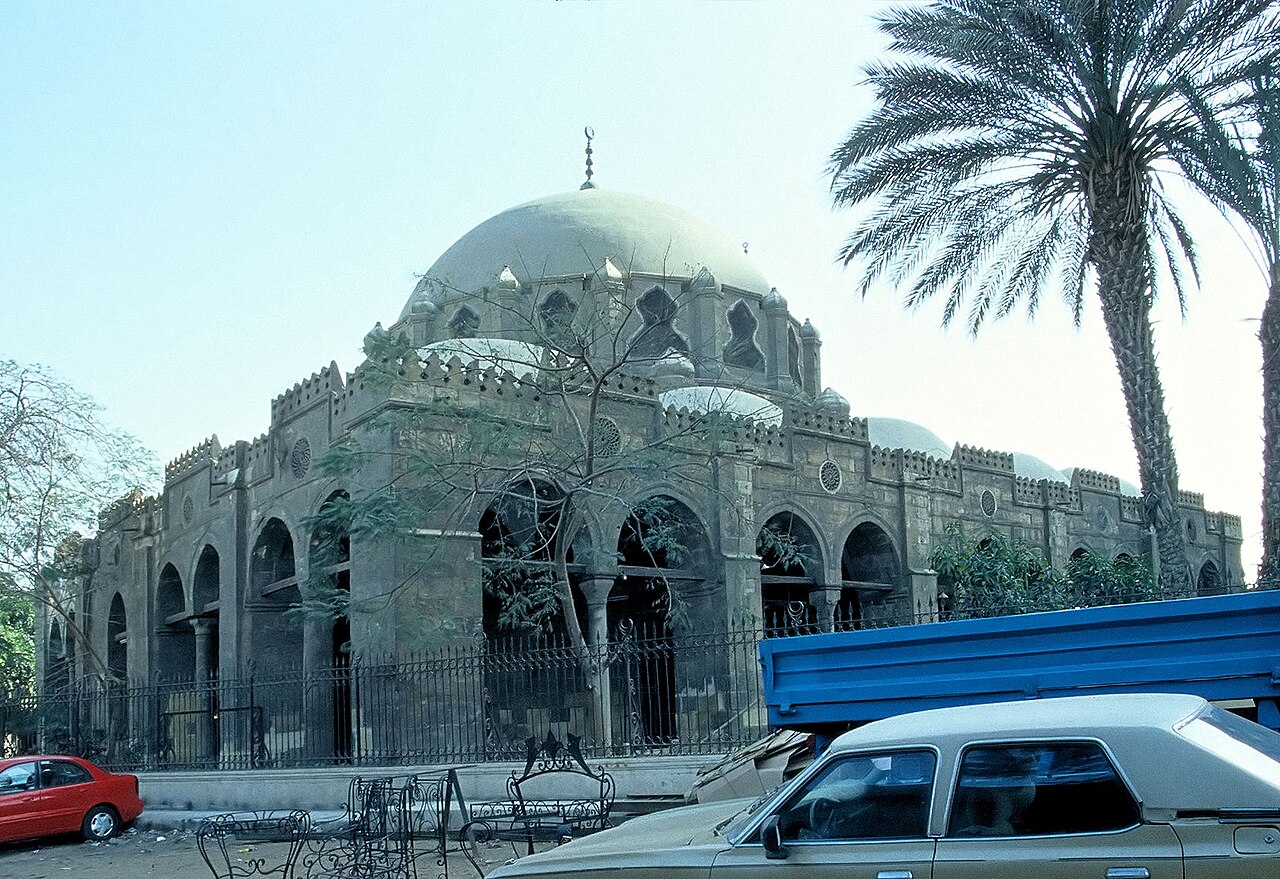
This place is a Place of worship. It was established in 1571. It was built in the Ottoman architecture style.
Mosque of Sinan Pasha stands in Bulaq, Cairo’s historic port district beside the Nile. Built during Ottoman rule, it reflects a period when religious commissions were added to a neighbourhood shaped by commerce, shipping, and dense urban life. The mosque belongs to Cairo’s wider Islamic architectural heritage and sits within the setting of Historic Cairo, a UNESCO World Heritage area. Its position outside the city’s best-known monument clusters makes it useful for travellers who want to see how Cairo’s history extends into working districts. Treat the visit as both an architectural stop and an opportunity to observe Bulaq’s layered streetscape.
Checked 2026-08-26 · Source
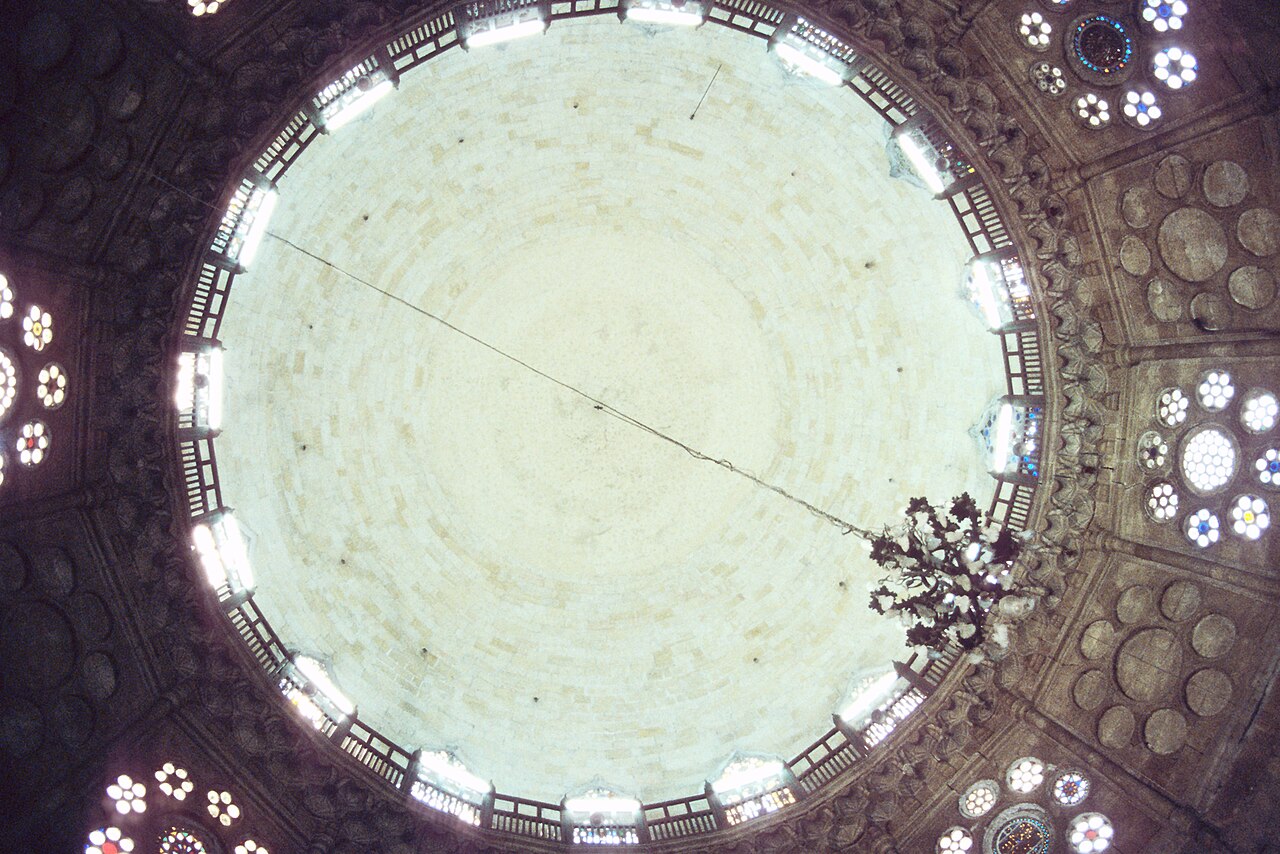
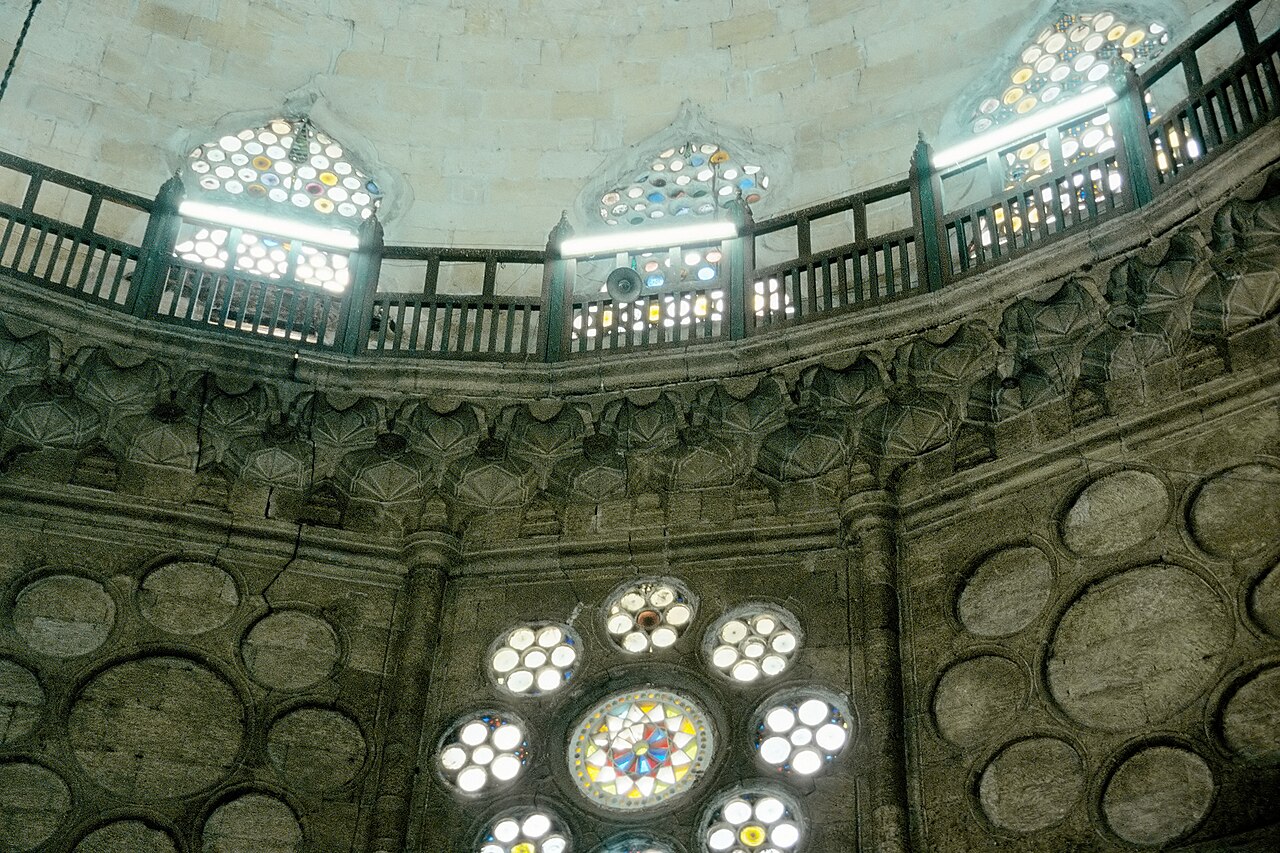
The mosque is organised around the needs of Muslim prayer, with the mihrab oriented towards Mecca. Its minaret reflects Ottoman stylistic preferences, giving the building a character distinct from many earlier Mamluk monuments elsewhere in Cairo. Look closely at the relationship between the prayer space, vertical minaret, and surrounding urban fabric rather than expecting a large museum-like complex. The building’s importance comes from its place in Bulaq and from the way Ottoman architectural ideas became part of Cairo’s already varied religious landscape. If entry is permitted, behave quietly and observe the prayer space with care.
Checked 2026-08-26 · Source
Allow around twenty to forty minutes for a focused stop at Mosque of Sinan Pasha. That time suits exterior viewing, architectural observation, and a quiet interior visit when worshippers and local arrangements permit access. Add longer if you want to walk through Bulaq’s commercial streets and connect the mosque with the Nile Corniche or other central Cairo landmarks. The mosque is best treated as one part of a half-day neighbourhood route rather than as a stand-alone attraction requiring an entire day. Leave enough flexibility for prayer activity and the pace of the surrounding district.
Checked 2026-08-26 · Source
Plan the stop for daylight, when the mosque’s exterior and Bulaq’s streets can be seen clearly. Early morning and late afternoon are comfortable choices for walking, especially during Cairo’s hot summer months from June through September. Friday midday is a particularly important prayer period, so the building may be focused on congregational worship then. Ramadan changes the rhythm of the city, with daytime activity and evening life following different patterns. A winter visit offers milder conditions for exploring the district on foot. Keep the itinerary flexible around religious use of the building.
Checked 2026-08-26 · Source
Mosque of Sinan Pasha functions as a neighbourhood place of worship rather than a ticketed museum attraction. The practical experience is therefore different from visiting a managed archaeological site or formal monument. Carry Egyptian pounds for ordinary local needs in Bulaq, including transport or a voluntary contribution if one is requested. Do not treat entry as guaranteed simply because the building is historically important: prayer, local custom, and the mosque’s active religious role shape the visit. Dress modestly and enter only in a manner that respects worshippers and the building’s purpose.
Checked 2026-08-26 · Source
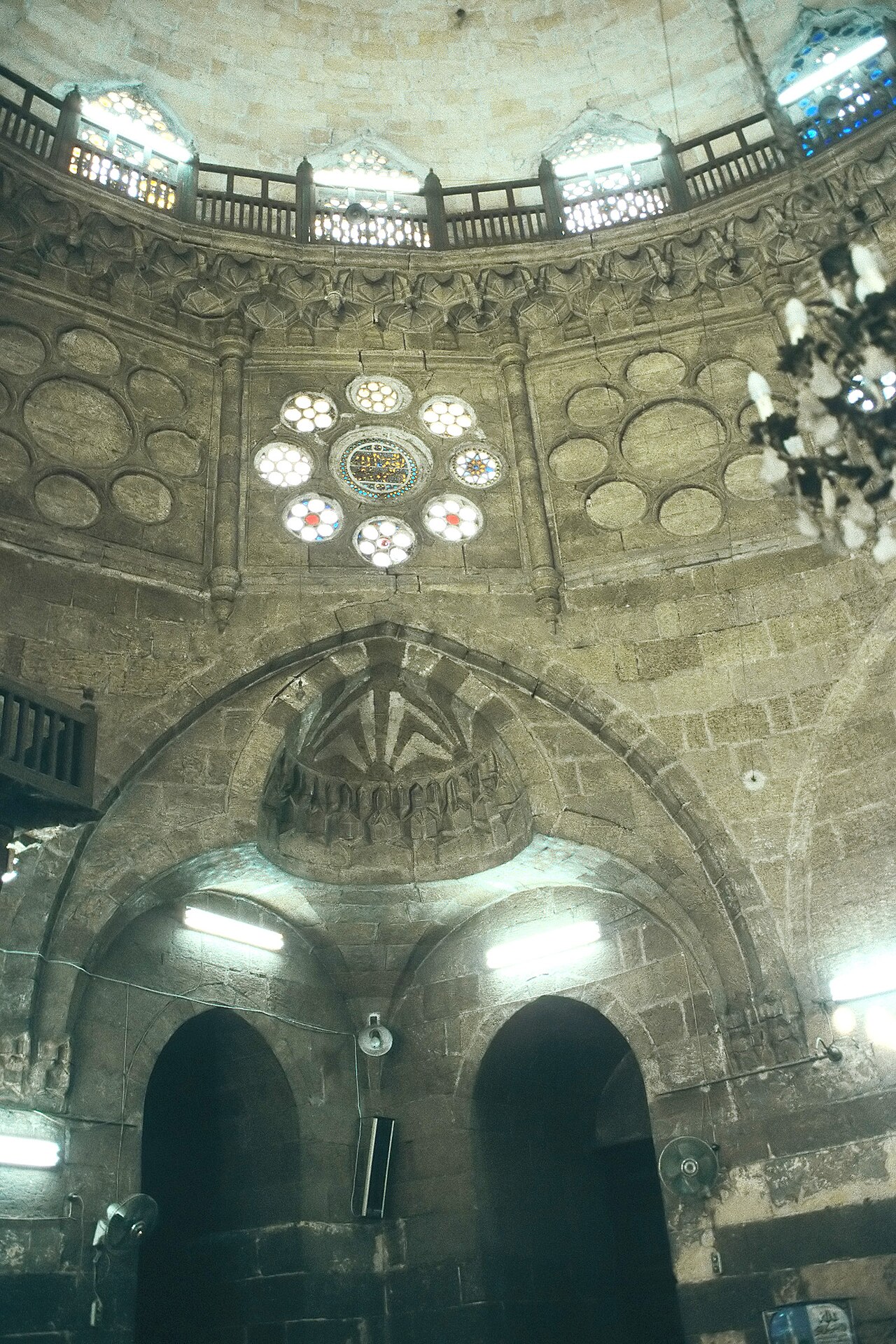
Bulaq lies northwest of central Cairo’s principal visitor zone. Reach the area by taxi or ride-hailing vehicle for a straightforward door-to-door journey, or use the Cairo Metro and continue on foot through the district’s busy commercial streets. Walking from the Nile Corniche provides a useful way to understand the mosque’s relationship with the waterfront, although the building is inland from the river. Narrow streets and heavy activity make private-car parking inconvenient. Save the location before setting out and allow extra time for traffic and slower navigation through the neighbourhood.
Checked 2026-08-26 · Source
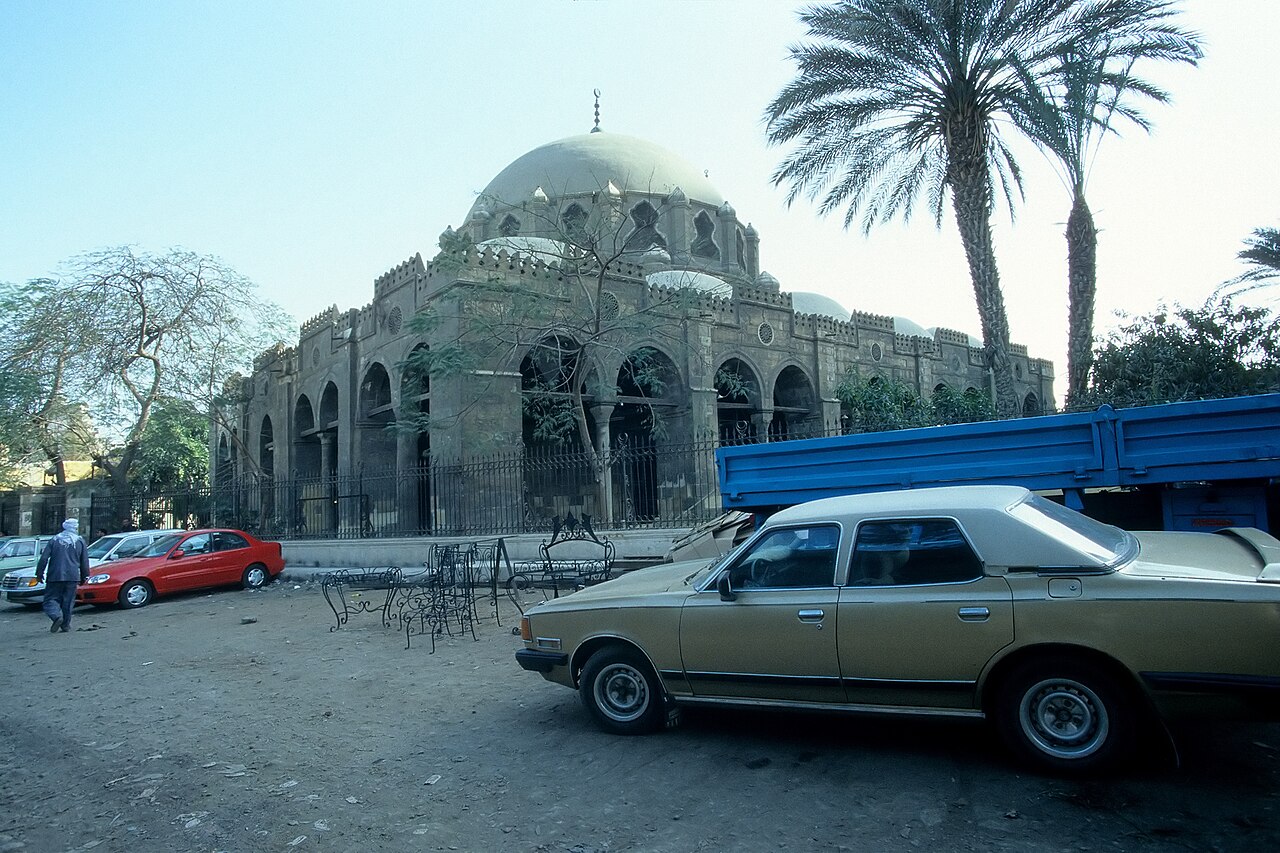
Mosque of Sinan Pasha is in a working urban district, not an enclosed attraction designed around visitors. Keep personal belongings secure, move carefully around commercial traffic, and expect uneven street surfaces. Wear clothing that covers shoulders and knees; women should also bring a head covering for mosque etiquette. Remove footwear when entering prayer areas if asked. Avoid photographing worshippers, and give way during prayer activity. The surrounding community may have limited English, so a saved map and a few respectful Arabic phrases can make basic navigation and courtesy easier.
Checked 2026-08-26 · Source
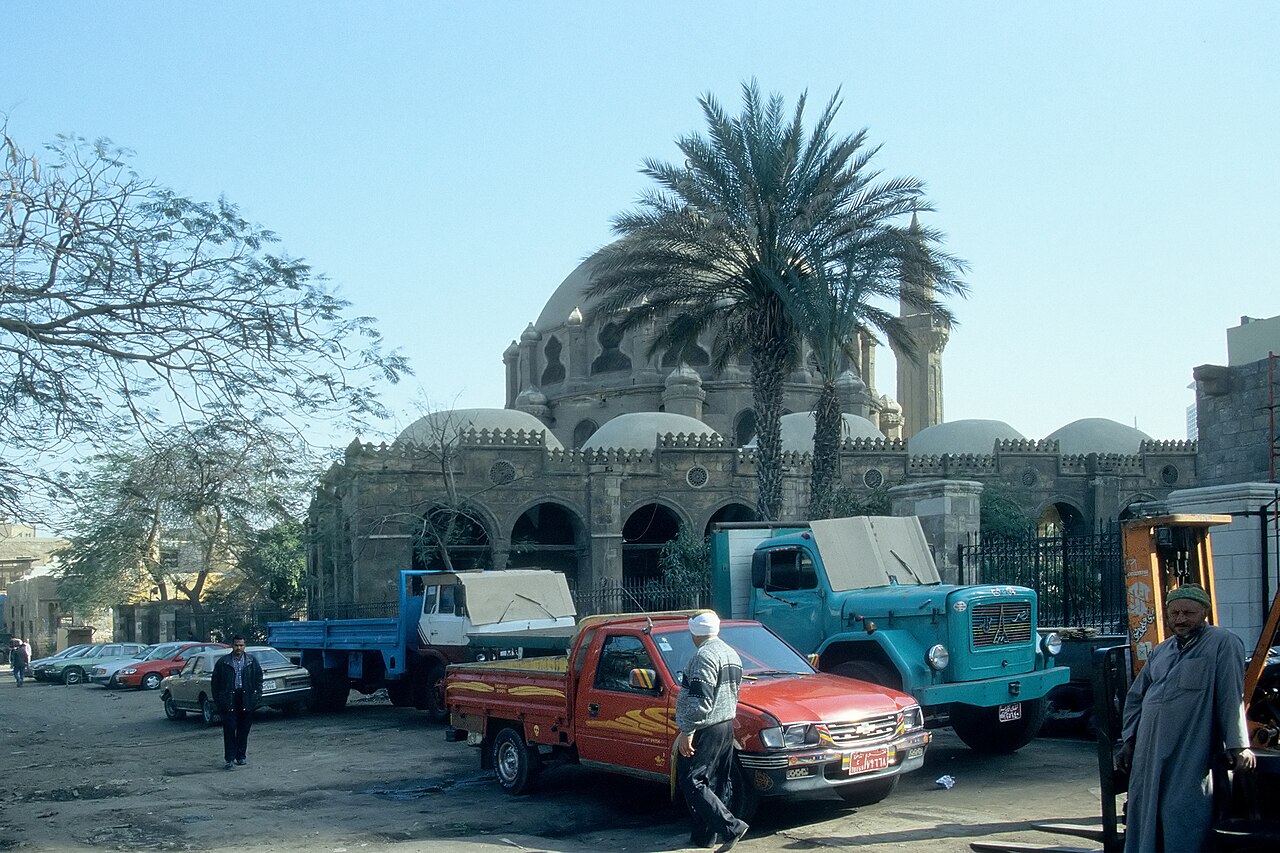
The exterior of Mosque of Sinan Pasha can be photographed from public streets, with the same courtesy expected around any active religious building. For interior images, ask permission before raising a camera or phone, and never interrupt prayer. Keep equipment discreet, avoid flash, and do not frame worshippers without consent. The minaret, façade, street frontage, and changing relationship between the mosque and Bulaq’s dense fabric provide strong subjects without entering sensitive spaces. Commercial or professional photography requires a more formal approach than casual travel photography and should respect local instructions.
Checked 2026-08-26 · Source
The mosque is in Bulaq, Cairo’s historic port district along the Nile, northwest of the city’s main central visitor area.
It represents Ottoman-era religious architecture, including an Ottoman-influenced minaret and a prayer space oriented towards Mecca.
Plan approximately twenty to forty minutes for the mosque, with extra time if you also explore Bulaq’s streets or the Nile Corniche.
Wear modest clothing covering shoulders and knees; women should carry a head covering for respectful mosque etiquette.
Friday midday is the main weekly congregational prayer period, and Ramadan changes Cairo’s normal daily rhythm around worship and evening activity.
Exterior photography from public streets is suitable; ask permission for interior images, avoid flash, and never photograph worshippers without consent.
Loading the interactive map…
The interactive map could not be loaded.
Last updated:
Source: OpenStreetMap contributors, Wikidata ·