
01
3 hours
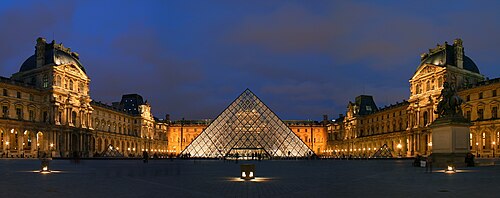
Louvre Museum
Musée du Louvre
The Louvre is the most-visited art museum on earth and it was a fortress before it was anything else.
- Must see
- Museum
District guide · Paris
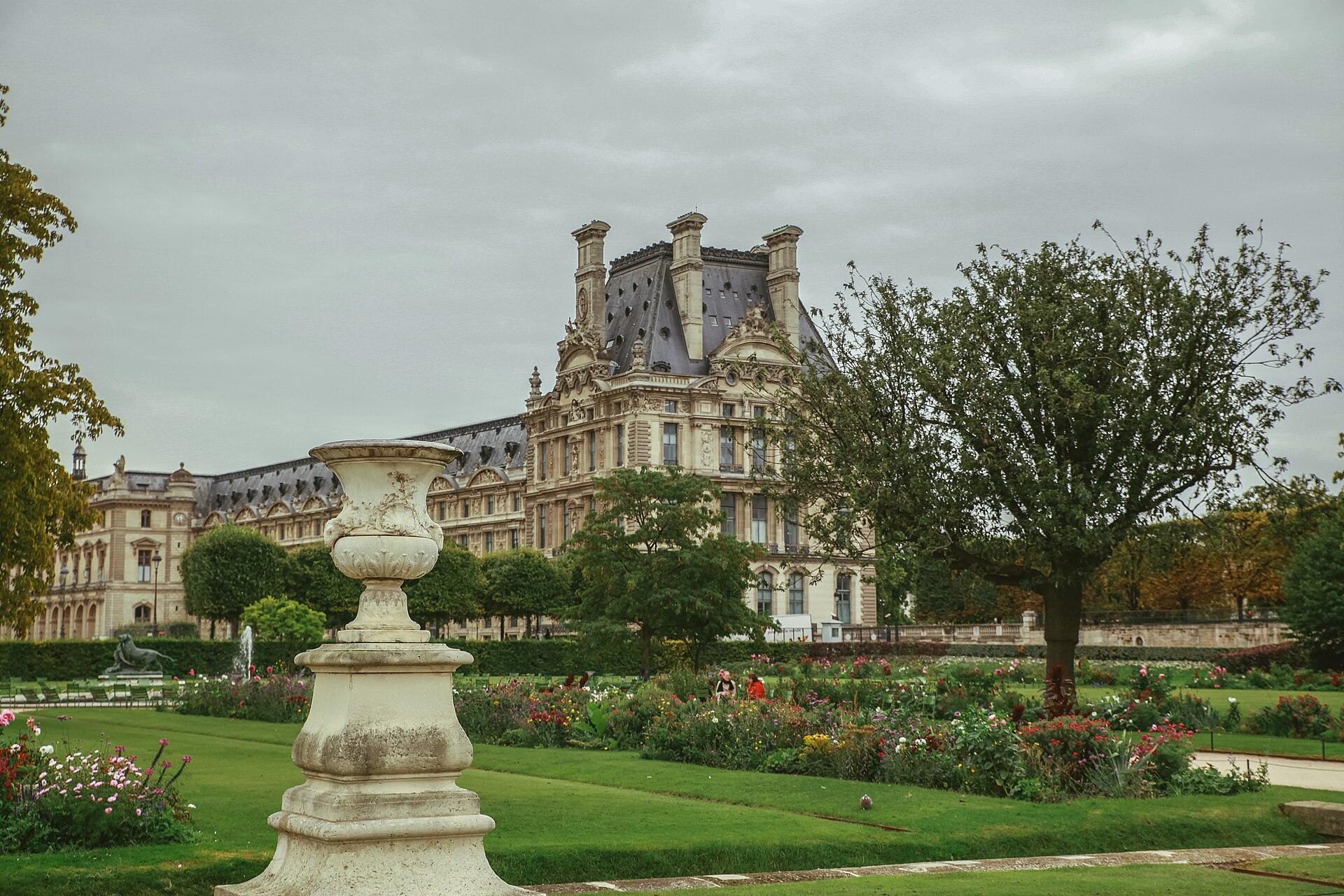
The 1st arrondissement sits at the heart of Paris, forming part of the central sector with three neighbouring districts. The Musée du Louvre, Sainte-Chapelle an...
Photograph · Cristian Bortes from Cluj-Napoca, Romania · CC BY 2.0
Set your days, your pace and the hours you actually want to be out. The planner works around closing days and travel time, and leaves room to eat.
Editorial responsibility: Elena Voss · Roavina Travel Editor
The 1st arrondissement sits at the heart of Paris, forming part of the central sector with three neighbouring districts. The Musée du Louvre, Sainte-Chapelle and Jardin des Tuileries stand among its principal landmarks. The district contains monuments, museums and gardens of historical significance that draw those interested in French art and architecture.
Checked 2026-09-04
Seasonal closures come from recorded opening hours.
Ranked by importance — sitelinks, pageviews and heritage status, not editor preference.
16 places match
Category
Typical visit duration
Interests
Musée du Louvre
The Louvre is the most-visited art museum on earth and it was a fortress before it was anything else.
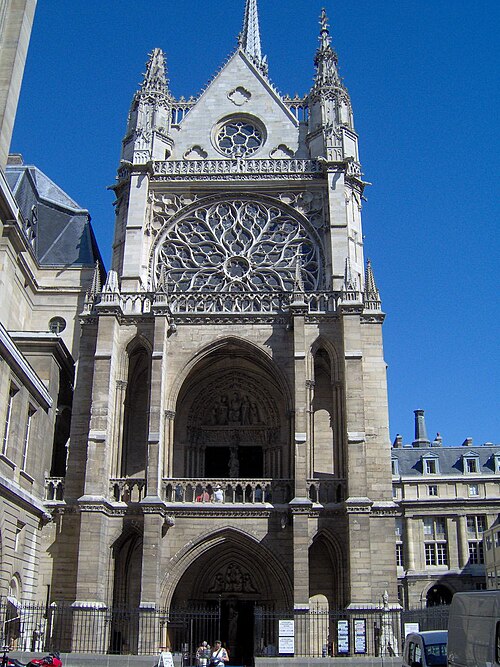
Sainte-Chapelle
Sainte-Chapelle is a reliquary the size of a building, and the relic cost more than three times what the building did.
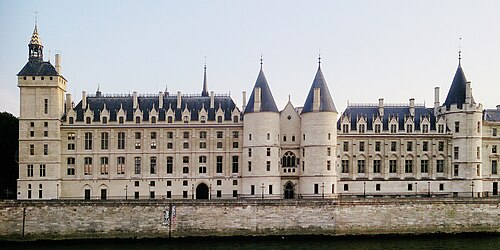
The Conciergerie was a royal palace before it was a prison, and the prison is what everyone remembers.
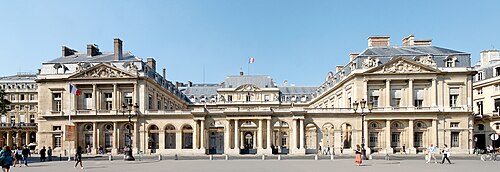
Palais Royal
The Palais-Royal was a cardinal's house that became Europe's first shopping centre and then the place the Revolution started. Jacques Lemercier built it for Cardinal Richelieu between 1633 and 1639 as the Palais-Cardinal.
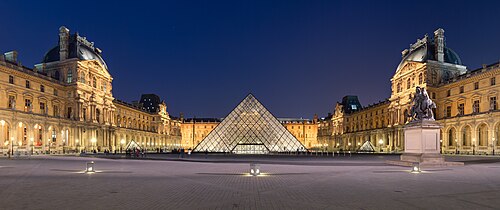
Pyramide du Louvre
The Louvre Pyramid is the glass entrance structure built in the museum's main courtyard in the 1980s, and it is a part of the Louvre — its main entrance and one of the more argued-over additions to central Paris …
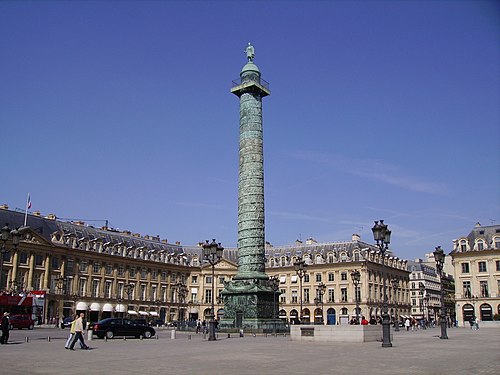
Place Vendôme
Place Vendôme is an octagon of uniform stone façades built as a single architectural composition, not a collection of separate buildings that happened to end up on the same square.