
3 min walk
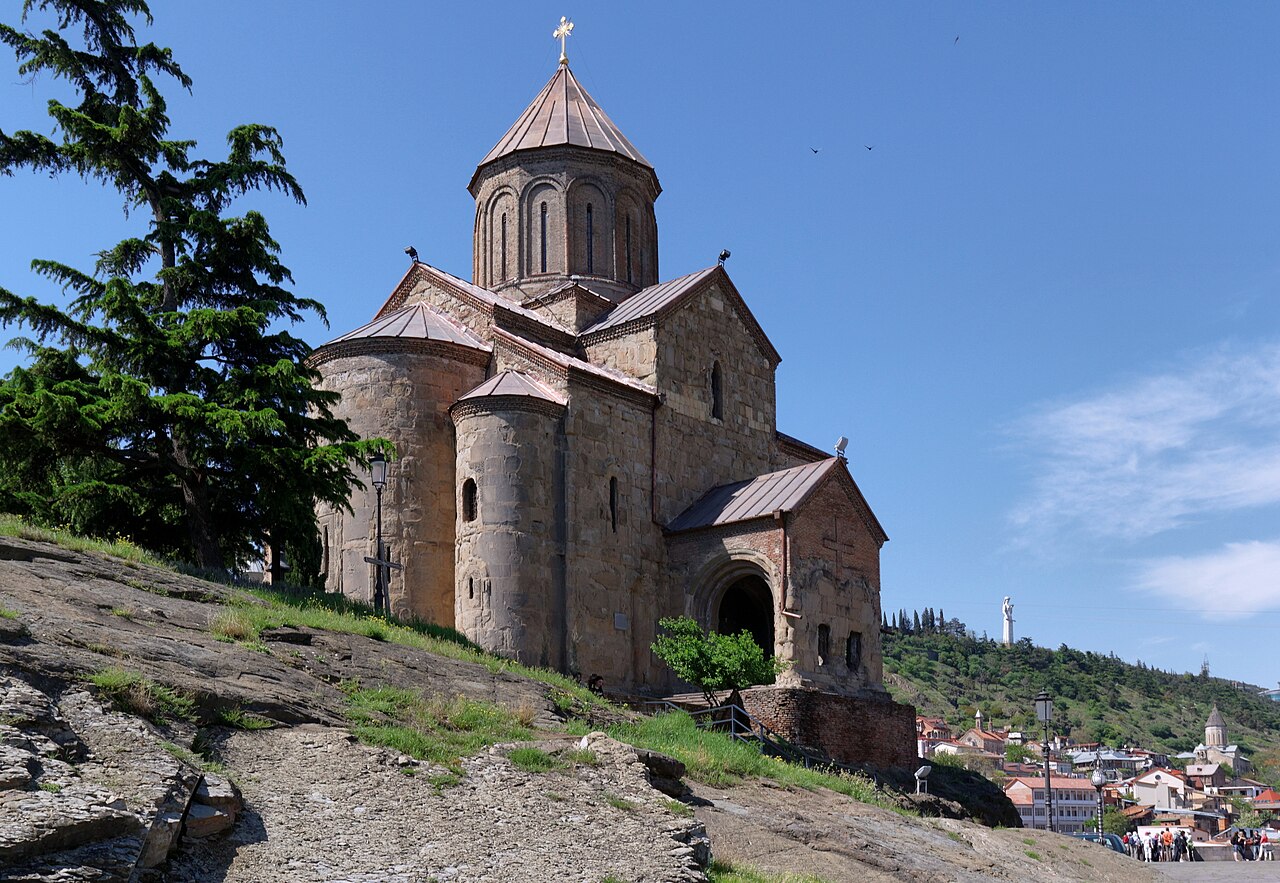
Metekhi church
- Must see · Heritage site
- Place of worship
Language · 11 published
Historic monument · Tbilisi
დარეჯანის სასახლე
Reviewed by Elena Voss · Roavina Travel Editor
Read from the OpenStreetMap access tags; anything not listed has no tag recorded.
Set the group type to family in the planner and the day window contracts to about three quarters of a solo day.
This place is a Attraction.
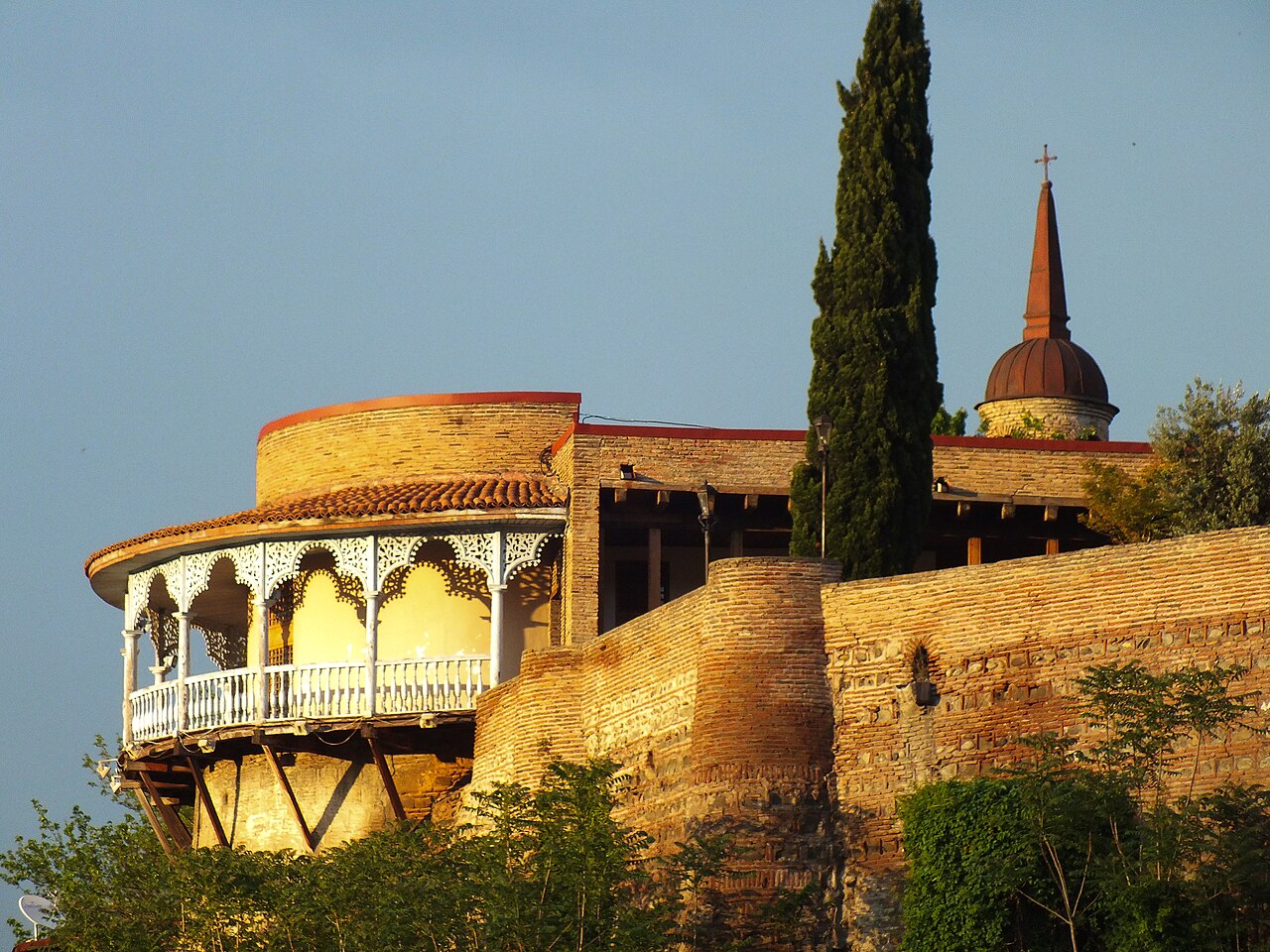
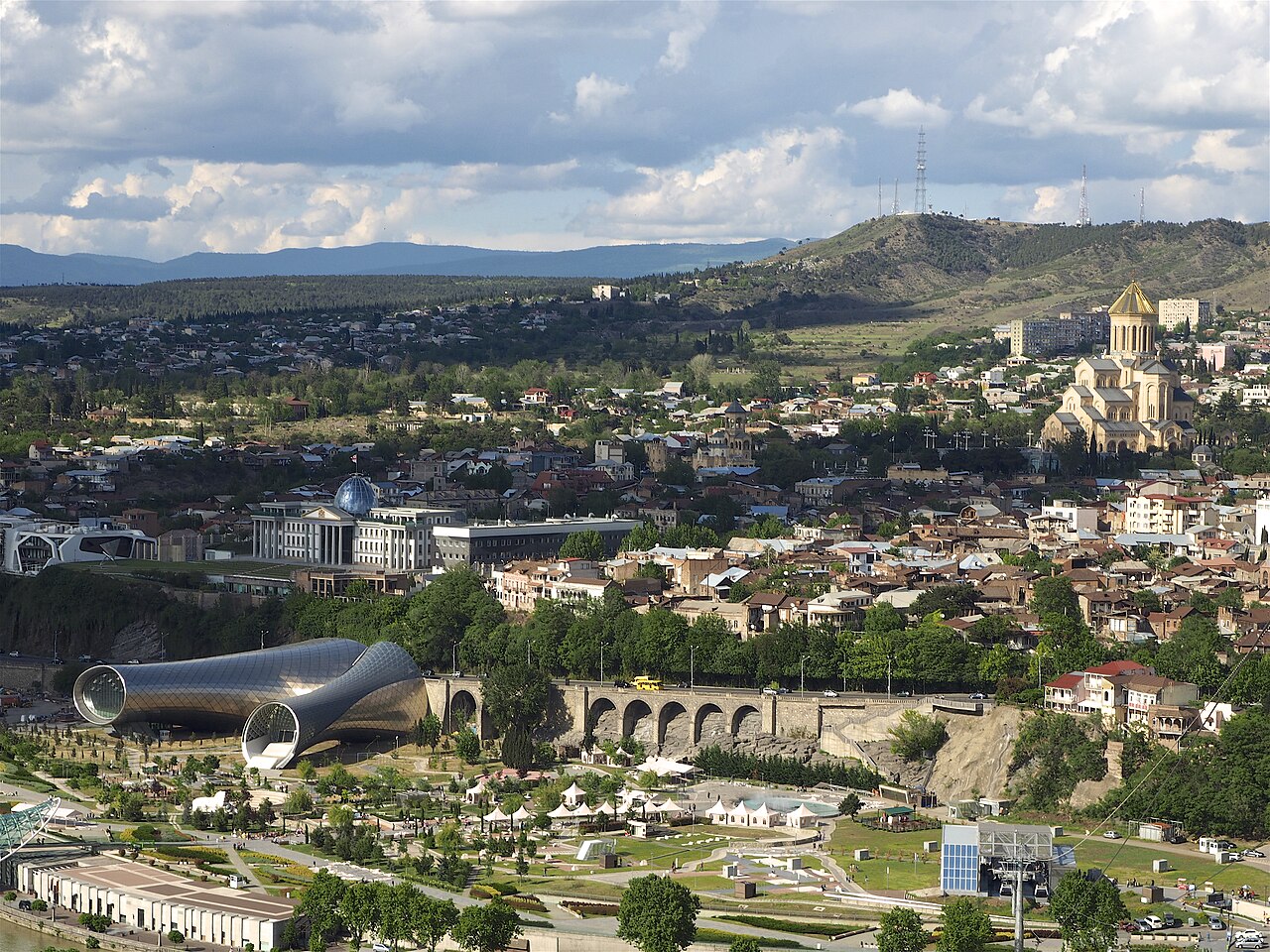
Queen Darejan Palace is a surviving royal residence on elevated ground above Tbilisi’s Avlabari district. Its most recognisable architectural feature is the blue wooden balcony projecting from the building, a distinctive detail that makes the palace easy to identify in photographs. The site also attracts visitors for its position above the old town, where the elevated setting opens broad views across Tbilisi. The palace combines royal history, a memorable architectural feature and a city-facing viewpoint in one compact stop. Queen Darejan Palace is a surviving royal residence situated on an elevated position above the Avlabari district of Tbilisi. The structure is historically significant as one of the remaining palaces associated with Georgian royalty. The palace's documented significance emphasizes exterior architecture and views.
Checked 2026-08-26 · Source
The documented visitor experience focuses on the palace’s surviving exterior, its blue wooden balcony and the elevated outlook over Tbilisi’s old town. The building’s visual character is more important to the visit than a detailed sequence of rooms or a large exhibition route. Spend time examining the balcony and the relationship between the palace and the hillside setting. The surrounding Avlabari area adds historic streets and views, so the palace works as both an architectural sight and a place to look back across the older city below.
Checked 2026-08-26 · Source
Allow enough time for the uphill approach, exterior viewing and the panorama over Tbilisi’s old town. The palace itself is a focused stop rather than a large complex, while photographers may stay longer to work with the blue balcony and changing city light. Combine the visit with a walk through Avlabari, where historic churches and residential streets extend the experience beyond the palace. If your priority is the view, leave time to pause rather than arriving only for a quick photograph before descending.
Checked 2026-08-26 · Source
Spring and autumn are comfortable seasons for walking the elevated approach and spending time outdoors at the viewpoint. Summer heat is more noticeable during the ascent, so carry water and plan a slower climb. Winter weather can make hillside paths colder or more difficult underfoot. Morning and late afternoon offer different qualities of light for the balcony and the panorama, while daylight gives the clearest practical conditions for the approach. Include the palace when you want an elevated perspective on Tbilisi rather than only a street-level old-town walk.
Checked 2026-08-26 · Source
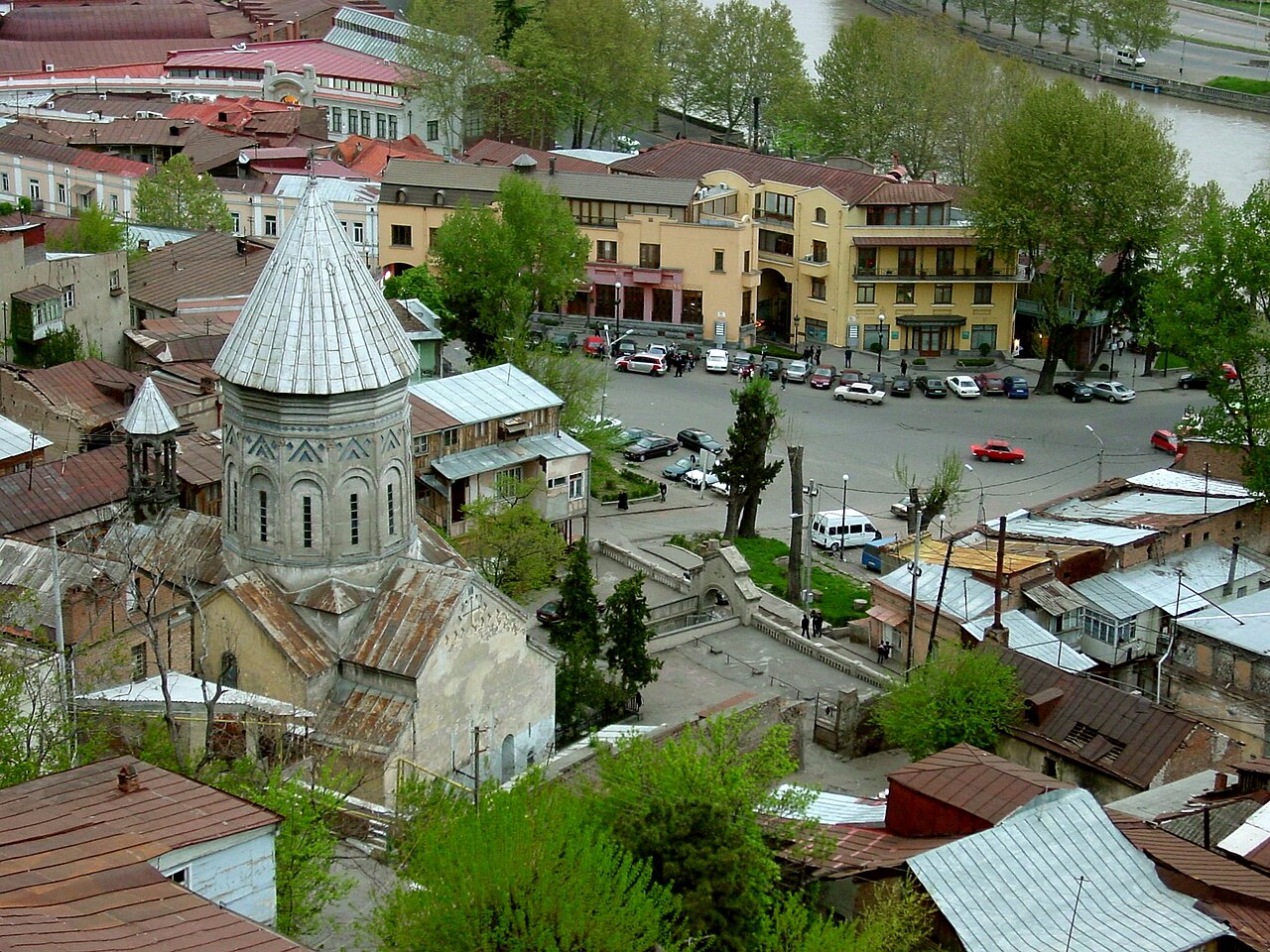
Queen Darejan Palace is visited for its historic royal architecture, blue balcony and city view. Plan the stop around those visible features and the surrounding Avlabari streets. Any visit involving the palace should be treated separately from other attractions in Tbilisi, since the nearby old-town sights and services are independent experiences. This also makes it easy to combine the palace with free outdoor walking through Avlabari and the streets below, without turning the whole neighbourhood route into one bundled attraction.
Checked 2026-08-26 · Source
The palace stands above Avlabari, so reaching it involves an uphill walk from the lower district. Allow for inclines and uneven hillside surfaces as part of the route. Use Avlabari and Tbilisi’s old town as geographic reference points, then continue upward toward the elevated royal residence. The position is rewarding because the city below becomes part of the experience. Visitors who prefer a gentler day should plan the palace alongside nearby Avlabari sights rather than adding it between several demanding walks.
Checked 2026-08-26 · Source
The climb above Avlabari is the main physical consideration. Wear stable footwear for inclines and uneven ground, and take breaks during warm weather. The elevated setting brings exposed edges and drops near viewpoints, so keep children close and remain aware of boundaries. The balcony is a visual feature to admire, not a surface to lean on or enter unless a clearly marked route permits it. Changing weather can affect the approach, and the hillside may feel more demanding on the return journey after a long day.
Checked 2026-08-26 · Source
The blue wooden balcony is the palace’s signature photographic subject. Frame it against the Tbilisi skyline or use the building’s position to connect the royal residence with the old town below. The elevated viewpoint also supports broad city panoramas, especially when visibility is clear. Morning and evening light can give the balcony and surrounding façades different tones. Work from permitted public positions, keep away from edges and boundaries, and avoid treating the viewpoint as a place for unstable tripod placement or risky climbs.
Checked 2026-08-26 · Source
The palace is known for its surviving royal residence, distinctive blue wooden balcony and elevated views across Tbilisi’s old town from above Avlabari.
Yes. The palace’s elevated position above Avlabari provides broad views across Tbilisi’s old town, making the panorama one of the principal reasons to include it in a city walk.
Its blue wooden balcony is the most distinctive visual feature. Photograph it against the skyline or combine it with the elevated view over the historic city below.
The palace stands on elevated ground above Avlabari, so the approach includes an uphill walk with inclines and potentially uneven hillside surfaces. Stable footwear and water are useful.
Combine the palace with a walk through Avlabari and nearby historic streets. The elevated stop adds a city panorama to an itinerary focused on Tbilisi’s older neighbourhoods and architecture.
Bring stable walking shoes and water, particularly in warm weather. The route rises above Avlabari, and the visit includes outdoor viewing of the palace, hillside surroundings and the city panorama.
Loading the interactive map…
The interactive map could not be loaded.
Last updated:
Source: OpenStreetMap contributors, Wikidata ·