
14 min walk
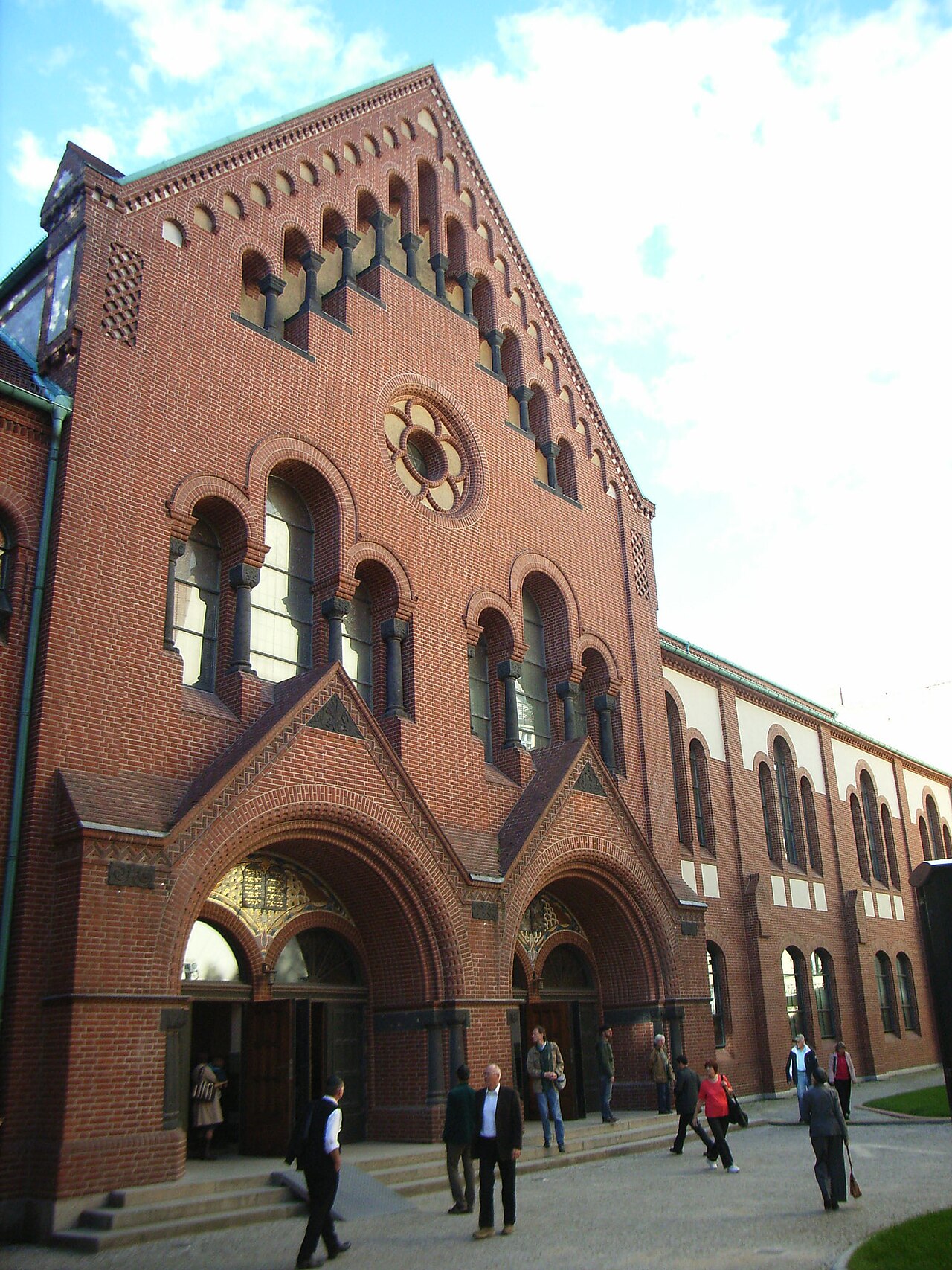
Rykestrasse Synagogue
- Notable · Heritage site
- Place of worship
Language · 11 published
Historic monument · Berlin
Zeiss-Großplanetarium
Reviewed by Elena Voss · Roavina Travel Editor
| Monday | Closed |
|---|---|
| Tuesday | 09:00 – 14:00 |
| Wednesday | 09:00 – 20:00 |
| Thursday | 09:00 – 20:00 |
| Friday | 09:00 – 22:00 |
| Saturday | 11:30 – 22:00 |
| Sunday | 10:00 – 20:00 |
Closed to visitors between 14:00 – 15:00
Closed to visitors between 12:30 – 15:00
Parsed from OpenStreetMap opening hours on 2026-09-09.
This place is a Attraction. It opened in 1987. It was designed by Gertrud Schille. It carries the Gesamtanlage heritage designation.
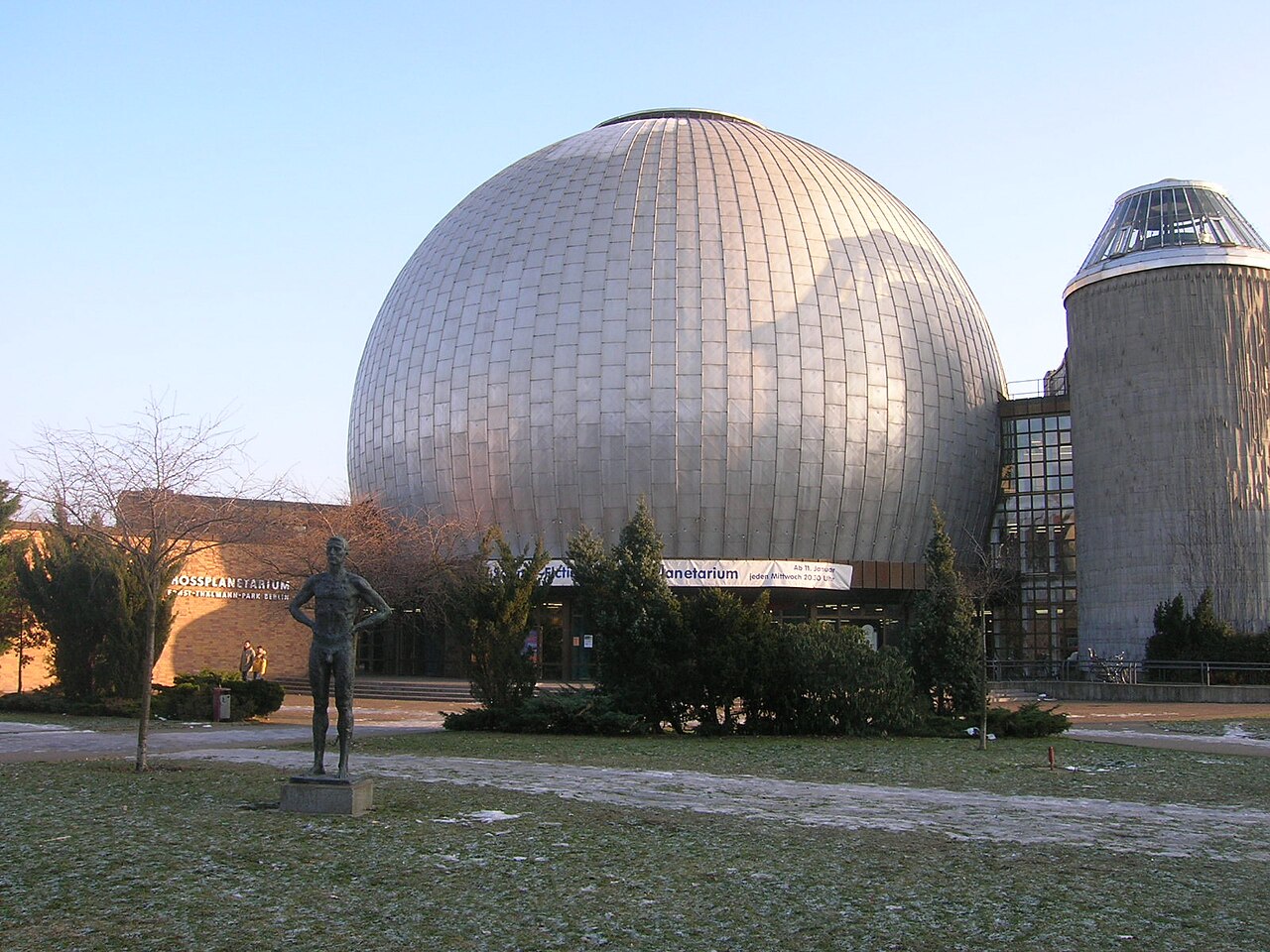
Zeiss Major Planetarium, known locally as Zeiss-Großplanetarium, is a dedicated astronomy venue in Berlin. Its large dome gives the building a memorable profile in the city, while the programme combines public education with immersive entertainment. The Zeiss name also connects the venue with Germany’s long optical-engineering tradition. For travellers, it offers an indoor cultural stop focused on stars, planets and the wider universe. The Zeiss Major Planetarium, locally known as Zeiss-Großplanetarium, is a prominent astronomical facility in Berlin. It features a distinctive dome structure that serves as a landmark in the city. The planetarium operates as a venue for public astronomy education and entertainment, utilizing projection technology to simulate celestial phenomena. It stands as one of Berlin's notable cultural institutions, contributing to the city's scientific and educational landscape. The facility represents the tradition of German optical engineering associated with the Zeiss name. Suitability depends on the child's age and temperament. Some children find planetarium shows captivating; others may be disconcerted by the darkened environment or lengthy seated duration.
Checked 2026-08-26 · Source
The central experience takes place beneath a domed ceiling in a theatre-style projection hall. Special equipment fills the dome with views of stars, planets and cosmic events, creating a visual experience quite different from a conventional museum gallery. Seating faces upward rather than toward a flat stage. Depending on the programme, the visit may feel like a lecture, a visual journey or a multimedia performance. The interior centers on a domed projection hall where astronomical shows are presented. The Zeiss projection equipment creates immersive visualizations of stars, planets, and cosmic events. Seating arrangements accommodate audiences in a theater-style configuration beneath the dome. The technical infrastructure supports various presentation formats, from educational lectures to multimedia experiences.
Checked 2026-08-26 · Source
Plan the planetarium as a focused indoor visit rather than a quick photo stop. A standard presentation commonly occupies roughly forty-five minutes to one hour, with extra time needed to arrive, find the entrance and take a seat before the dome darkens. Travellers with a strong interest in astronomy may choose more than one presentation. A half-day works well when the planetarium is combined with nearby Berlin neighbourhoods. A typical planetarium visit duration depends on individual interest and scheduled programming. Standard shows generally run between forty-five minutes to one hour. Visitors should factor in additional time for arrival, seating, and any supplementary activities. Those with strong interest in astronomy may wish to attend multiple presentations or explore any available exhibits.
Checked 2026-08-26 · Source
The planetarium works in any season because the principal experience is indoors. Afternoon presentations suit visitors building a daytime cultural route, while evening programmes can provide a natural transition from Berlin sightseeing into a night-themed experience. The surrounding Prenzlauer Berg setting also makes the venue useful when rain or cold weather reduces the appeal of outdoor plans. Leave enough time before the scheduled presentation for seating.
Checked 2026-08-26 · Source
Entry is tied to the selected planetarium programme, so the presentation itself should shape your planning. Different shows can have different audiences and formats, including educational astronomy content and multimedia experiences. Choose a programme that matches the interests and attention span of your group. Once inside, the value comes from the complete dome presentation rather than from moving between numerous exhibition rooms.
Checked 2026-08-26 · Source
Zeiss Major Planetarium stands in Berlin’s Prenzlauer Berg district, an urban area well suited to a public-transport journey. The venue can be paired with a neighbourhood walk before or after the presentation. If you cycle, Berlin’s broad urban cycling network offers another practical approach. Drivers should plan for the difficulty of finding convenient parking in a dense city district and allow time to walk from the vehicle.
Checked 2026-08-26 · Source
Arrive early enough to enter calmly and settle into the seating area before the lights fall. The dome becomes dark during presentations, so move carefully and keep personal belongings close. Some programmes may be delivered in German, which matters when choosing a show for an international group. Children can enjoy the scale and imagery, but the darkness and a long seated presentation may not suit every child.
Checked 2026-08-26 · Source
The dome is primarily a viewing environment, not a photography location. During a presentation, a bright screen or flash would distract other visitors and interfere with the atmosphere, so keep your camera put away while the programme runs. The building’s exterior dome is the stronger subject for travel photography. Photograph it from public outdoor areas in daylight or at twilight, when its shape is easiest to read.
Checked 2026-08-26 · Source
It offers immersive dome presentations about stars, planets and cosmic events, combining public astronomy education with visual entertainment.
A standard presentation commonly takes about forty-five minutes to one hour, with additional time needed for arrival and seating.
The venue is in Berlin’s Prenzlauer Berg district and works well as part of an urban neighbourhood itinerary.
Yes. The main experience takes place indoors in a domed projection hall, making it suitable for a cultural visit in cold or rainy weather.
Arrive early, locate the entrance, settle into the theatre seating and keep personal belongings organised before the dome darkens.
The distinctive exterior dome is the strongest photographic subject, especially in daylight or at twilight from public outdoor areas.
Loading the interactive map…
The interactive map could not be loaded.
Last updated:
Source: OpenStreetMap contributors, Wikidata ·