
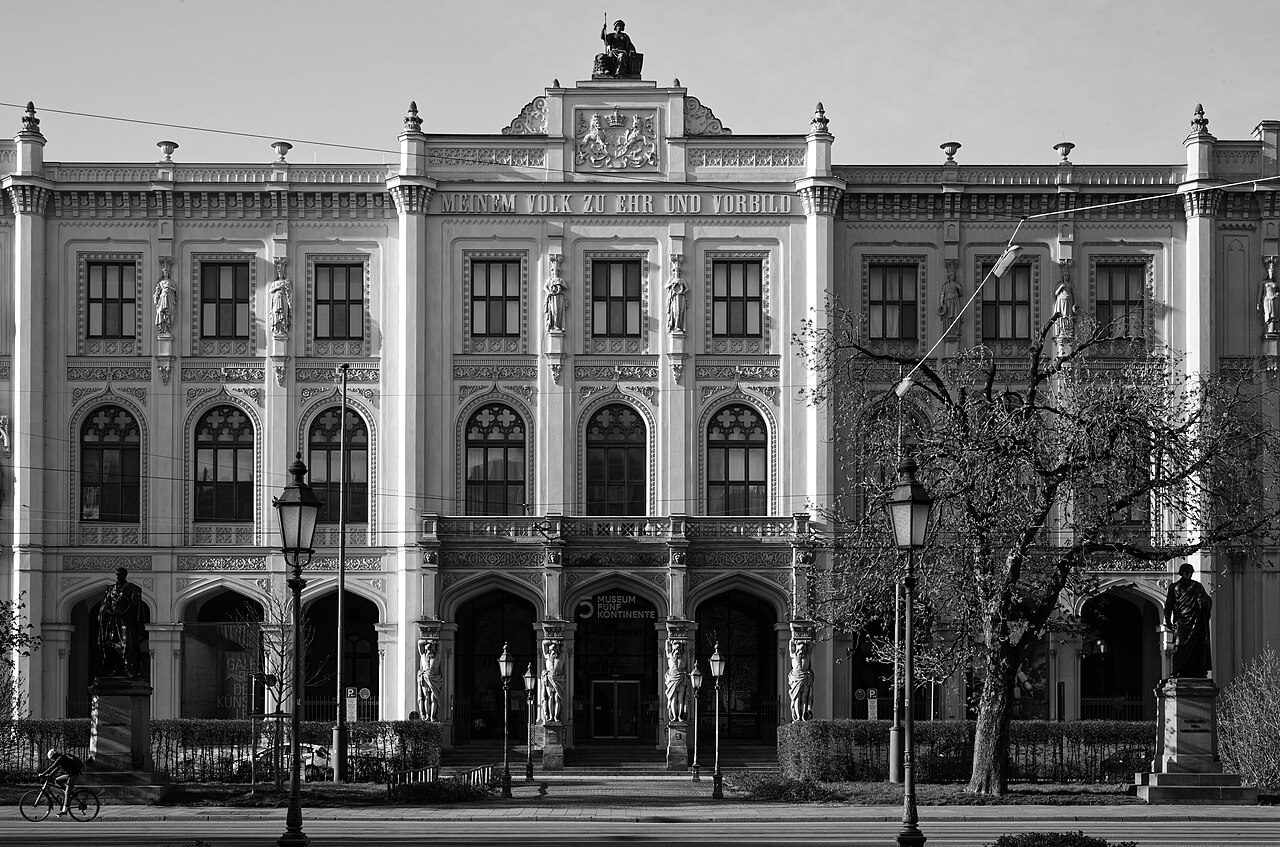
4 min walk
Five Continents Museum
- Must see
- Museum
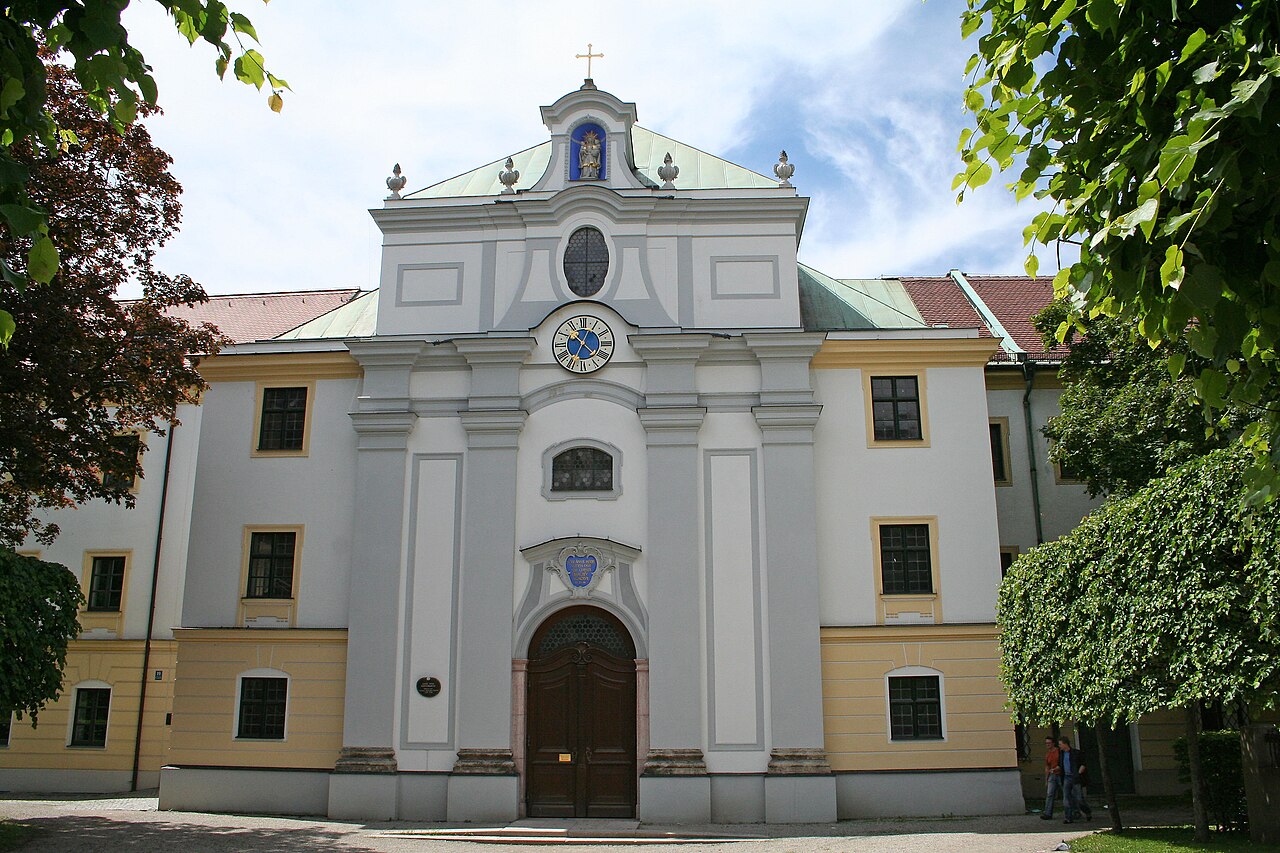
Historic monument · Munich
Sankt-Anna-Klosterkirche
Closed today, Monday. The next opening is not recorded — the planner will not place a stop here on a Monday.
Plan around it| Monday | Closed |
|---|---|
| Tuesday | Closed |
| Wednesday | Closed |
| Thursday | Closed |
| Friday | Closed |
| Saturday | Closed |
| Sunday | Closed |
Checked 2026-08-31 · Source
Read from the OpenStreetMap access tags; anything not listed has no tag recorded.
Set the group type to family in the planner and the day window contracts to about three quarters of a solo day.
Abbey Church of St. Anna, locally known as Sankt-Anna-Klosterkirche, is a religious building in Munich and serves as the church of a Benedictine abbey. The church has an active religious purpose as well as architectural and cultural interest for visitors. It offers a different kind of city stop from a museum or secular landmark: the setting remains connected with worship, monastic life and quiet reflection while also forming part of Munich’s ecclesiastical heritage. The Abbey Church of St. Anna, known locally as Sankt-Anna-Klosterkirche, is a religious building in Munich. It serves as the church of a Benedictine abbey in the city. The structure represents an element of Munich's ecclesiastical heritage and contributes to the urban district character noted in municipal tourism materials. As a functioning monastery church, it maintains an active religious purpose alongside its significance as a point of architectural and cultural interest for visitors exploring Munich's diverse sacred landmarks.
Checked 2026-08-26 · Source
The interior of Abbey Church of St. Anna is arranged for Catholic worship and reflects the church’s Benedictine monastic function. Visitors enter a place shaped by prayer, liturgy and contemplation rather than by a museum-style route. The supplied guide identifies religious interiors, altars, religious artwork and furnishings as elements appropriate to the church’s continuing purpose, without assigning specific works or historical objects. The most important feature is the atmosphere of a functioning sacred space, where architecture and devotion are experienced together.
Checked 2026-08-26 · Source
A visit to Abbey Church of St. Anna is suited to a short, unhurried pause. Many visitors will need only enough time for quiet observation, prayer or reflection, while travellers interested in ecclesiastical architecture may stay longer. The church should not be approached like an extensive museum complex with a long gallery sequence. Its value lies in the relationship between sacred atmosphere, monastic identity and the surrounding Munich city day. Allow flexibility so a religious service or personal reflection can take priority over sightseeing speed.
Checked 2026-08-26 · Source
Abbey Church of St. Anna is most appropriate when visitors can give an active religious site a calm part of the day. The church belongs to a Benedictine abbey, so worship and monastic routine shape the setting. Morning or early afternoon can suit a quiet architectural visit, but the supplied guide does not provide a visiting timetable. Religious services, feast days and other liturgical commitments may affect the visitor experience. The best moment is one that leaves room for worshippers and preserves the church’s primary purpose.
Checked 2026-08-26 · Source
The supplied guide gives no admission amount or special ticket arrangement for Abbey Church of St. Anna. As the church of a Benedictine abbey, it is a religious site rather than a conventional museum attraction, and visitors should understand that the setting is primarily intended for worship. The guide provides no figure for entry, tours or events. A visitor can include the church as a sacred and architectural stop in Munich without attributing an invented price or payment condition to it.
Checked 2026-08-26 · Source
Abbey Church of St. Anna is located within Munich’s urban fabric and can form part of a city walking and cultural route. Munich’s public transport network includes U-Bahn, S-Bahn, trams and buses, connecting the city’s districts. Use the church’s mapped position when building the final route. A visit pairs naturally with other urban sights when travellers leave enough time for a quiet transition into the sacred space.
Checked 2026-08-26 · Source
Abbey Church of St. Anna remains an active Benedictine church, so religious practice takes precedence over sightseeing. Keep voices low, move carefully and avoid interrupting prayer or liturgy. Visitors should dress modestly, with shoulders and knees covered as a respectful norm for Catholic churches in Bavaria. Monastic areas beside the church are not public visitor spaces. Photography may be restricted during services or in prayer areas. The right approach is observant and unobtrusive: enter as a guest in a working place of worship.
Checked 2026-08-26 · Source
The supplied guide does not define a photography policy for Abbey Church of St. Anna. In this functioning monastery church, visitors should give priority to worshippers, religious services and the privacy of monastic life. Avoid flash, loud camera use and photography that disrupts prayer. Tripods or professional equipment should not be treated as part of an ordinary sightseeing visit. When signs or staff directions restrict photography, follow them immediately. A quiet, respectful image-making style is the most suitable fit for this sacred interior.
Checked 2026-08-26 · Source
It is a religious building in Munich and the church of a Benedictine abbey, with an active purpose of worship alongside architectural and cultural interest.
Visitors can expect a Catholic sacred interior arranged for prayer, contemplation and monastic worship, with religious artwork and furnishings appropriate to that purpose.
Keep conversation subdued, respect worshippers and services, and treat the church as an active place of prayer rather than only as a sightseeing stop.
Yes. The church contributes to Munich’s ecclesiastical heritage and remains connected with the religious life of a Benedictine abbey.
Modest clothing covering the shoulders and knees is a respectful choice for visiting this Catholic church in Bavaria.
The supplied guide does not define the church’s photography policy; visitors should prioritize worship, follow local signs and respect staff directions.
Loading the interactive map…
The interactive map could not be loaded.

Last updated:
Source: OpenStreetMap contributors, Wikidata ·