
7 min walk
Kleinhesseloher See
- High · Heritage site
- Nature site
Language · 11 published
Historic monument · Munich
Schloss Suresnes
Reviewed by Elena Voss · Roavina Travel Editor
Read from the OpenStreetMap access tags; anything not listed has no tag recorded.
Set the group type to family in the planner and the day window contracts to about three quarters of a solo day.
It was established in 1718. It was designed by Johann Gunetzrhainer. It carries the architectural heritage monument in Bavaria heritage designation.
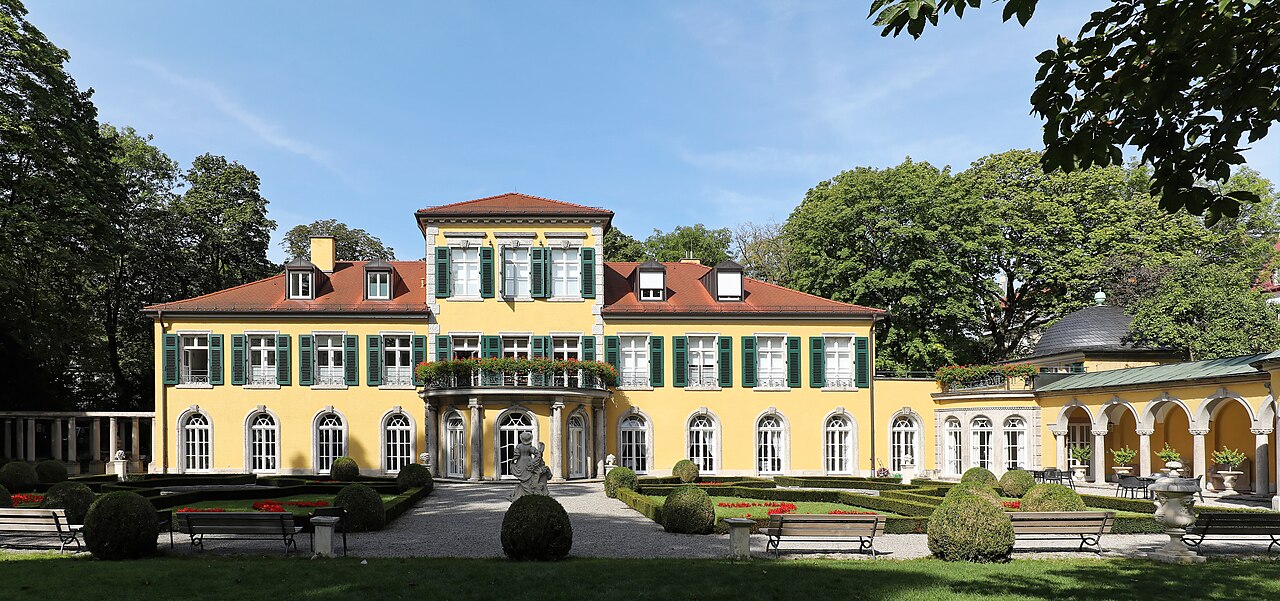
Castle Suresnes, known locally as Schloss Suresnes, is a historic building in Munich. It gives travelers a chance to explore a less conventional architectural landmark within the city’s urban landscape. Include it in a route for historic buildings and local character, especially when your day extends beyond Munich’s most famous central sights. The castle’s visual presence makes it a natural point of interest for architecture-focused exploration. Castle Suresnes, known locally as Schloss Suresnes, is a historic building located in Munich. The structure forms part of the city's architectural heritage and contributes to Munich's diverse urban landscape. As a ranked visitor place from the city fact pack, it represents one of the sights included in the broader Munich tourism portfolio. The castle exists within the production city pool of recognized attractions. Visitors exploring Munich's urban districts may encounter this property as part of their discovery of local landmarks. Its inclusion in official tourism materials indicates established recognition as a point of interest.
Checked 2026-08-26 · Source
The principal experience at Castle Suresnes is the historic building itself and the architectural character associated with the name Schloss Suresnes. Travelers should focus on the structure, its exterior setting, and the way it contributes to Munich’s varied cityscape. Add the castle to a day of architecture and local landmarks, allowing the visit to complement rather than compete with larger museums and major palace complexes. The Munich tourism overview lists the property among sights at a glance without detailing contents. Visitors should anticipate that a historic castle structure may contain period architectural elements, though exact specifications remain unverified. Any furnishings, artworks, or exhibitions present would require direct observation or additional authoritative documentation. Prospective visitors may wish to seek supplementary information.
Checked 2026-08-26 · Source
Castle Suresnes works well as a concise architectural stop within a Munich itinerary. Give yourself time to appreciate the building and its setting, then continue to nearby streets or landmarks. Visitors with a strong interest in historic architecture can linger longer, while travelers following a full city route can treat it as one carefully chosen stop among several. Keep the schedule comfortable rather than forcing a rapid sequence. Typical castle visits range considerably based on individual interest, available access, and whether guided or self-directed exploration is permitted. Without confirmed details about interior accessibility or grounds extent, visitors should plan flexibly. Those with limited time might view the exterior briefly, while enthusiasts of historic architecture could allocate extended periods if interior access is obtainable.
Checked 2026-08-26 · Source
Castle Suresnes is particularly suitable for a daytime architecture route through Munich, when the building and its surroundings can be appreciated clearly. Outdoor conditions influence the quality of the approach, so connect the visit with indoor cultural sights when weather is unsettled. A flexible route lets you enjoy the castle as part of a wider exploration of Munich’s historic urban fabric.
Checked 2026-08-26 · Source
Plan Castle Suresnes as a historic landmark within your Munich sightseeing route rather than as the centerpiece of a ticketed museum day. Its value comes from the building and its architectural setting. Keep your itinerary budget organized around the attractions that require formal entry, while treating the castle as a complementary stop that adds local character and visual variety to the day.
Checked 2026-08-26 · Source
Use the mapped position of Castle Suresnes to connect it with other Munich landmarks in a geographically coherent route. Public transport, walking, or cycling can be selected according to the rest of your itinerary and the distance between stops. Grouping the castle with nearby architecture makes the journey more rewarding and avoids unnecessary cross-city travel. Allow time for the approach so the building is not reduced to a rushed glance.
Checked 2026-08-26 · Source
Historic buildings can have boundaries or areas that are not intended for visitor entry. At Castle Suresnes, stay within clearly public spaces, respect surrounding property, and follow any signs at the site. Uneven ground, stairs, or narrow architectural features may affect movement around older structures. Plan for Munich’s changing weather and keep the visit considerate of residents and other people using the area.
Checked 2026-08-26 · Source
Castle Suresnes offers a natural subject for architectural photography, especially from public areas where the building can be viewed without obstructing others. Keep people’s privacy in mind, avoid entering restricted spaces for a better angle, and use equipment discreetly. Exterior photographs can capture the castle’s relationship with Munich’s urban landscape. Respect signs, boundaries, and any restrictions associated with the property.
Checked 2026-08-26 · Source
Castle Suresnes is a historic building in Munich, also known locally as Schloss Suresnes.
Its local name is Schloss Suresnes.
It adds a distinctive historic building and an architectural point of interest to a Munich sightseeing route.
Yes. Combine it with Munich’s historic streets, buildings, and other cultural landmarks for a varied route.
Stay in public areas, respect signs and surrounding property, and take care around older architectural surfaces.
Yes. Photograph the historic building from public areas while respecting privacy, boundaries, and site restrictions.
Loading the interactive map…
The interactive map could not be loaded.
Last updated:
Source: OpenStreetMap contributors, Wikidata ·