
5 min walk
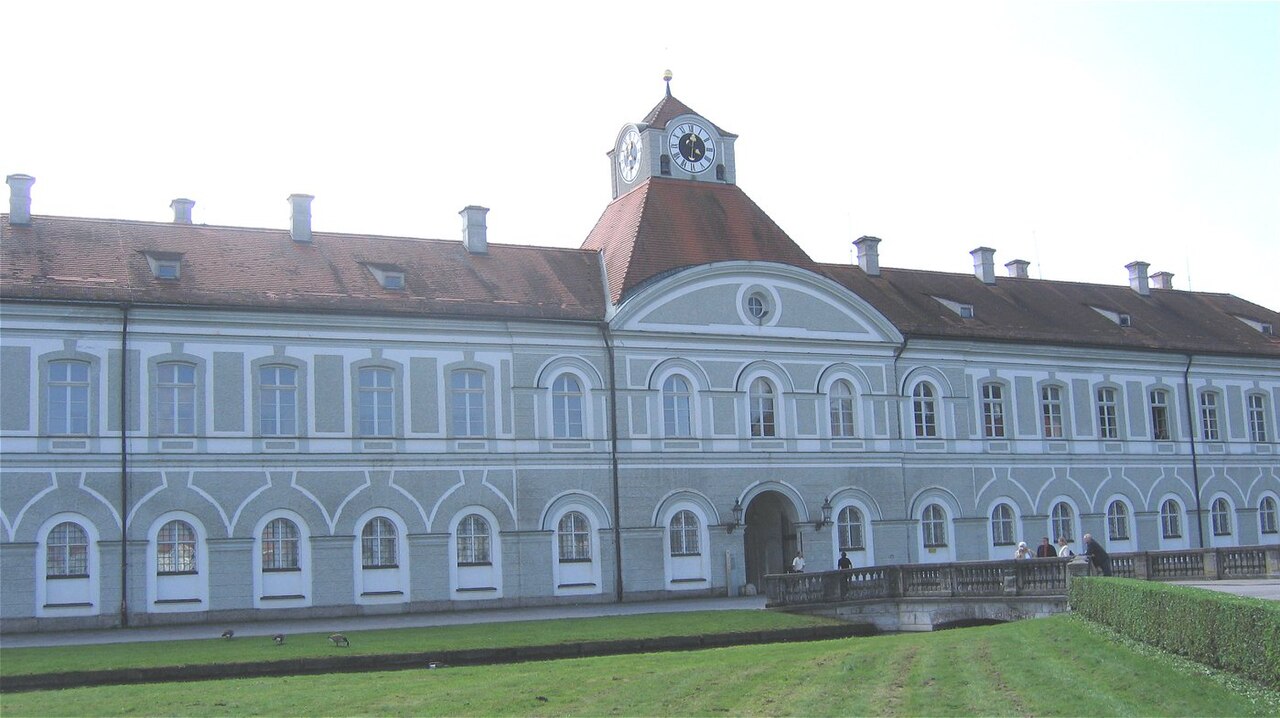
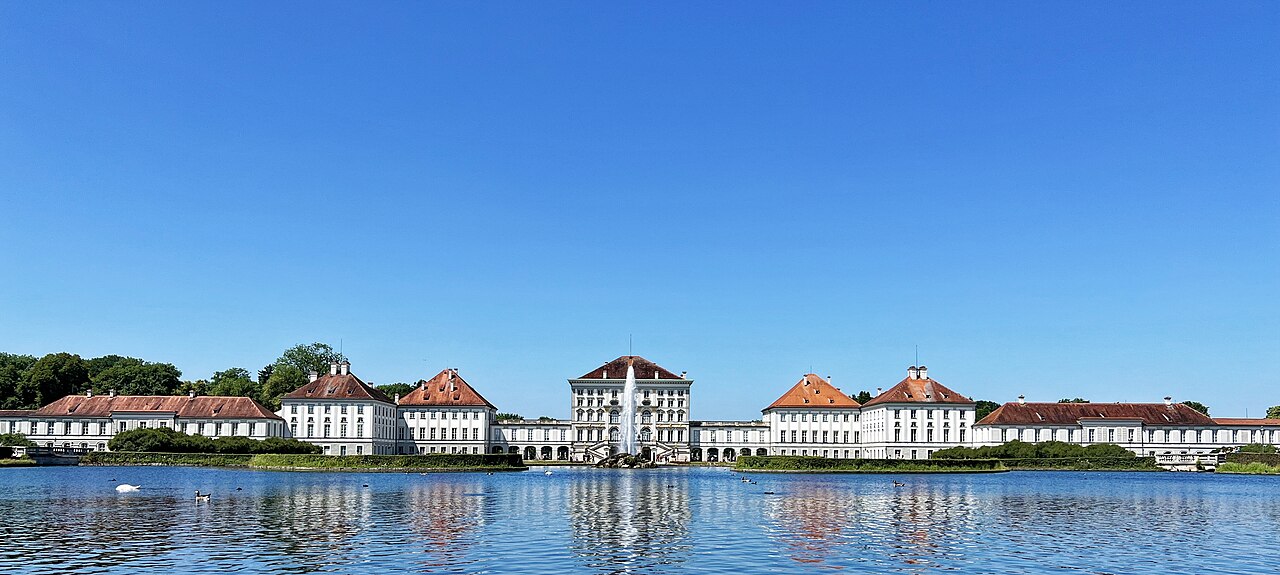
Nymphenburg Porcelain Museum
- High
- Museum
Language · 11 published
Museum · Munich
Closed today, Sunday. Next open Thursday at 14:00 — the planner will not place a stop here on a Sunday.
Plan around itReviewed by Elena Voss · Roavina Travel Editor
| Monday | Closed |
|---|---|
| Tuesday | Closed |
| Wednesday | Closed |
| Thursday | 14:00 – 17:00 |
| Friday | Closed |
| Saturday | Closed |
| Sunday | Closed |
Checked 2026-08-31 · Source
Read from the OpenStreetMap access tags; anything not listed has no tag recorded.
Set the group type to family in the planner and the day window contracts to about three quarters of a solo day.
This place is a Museum.
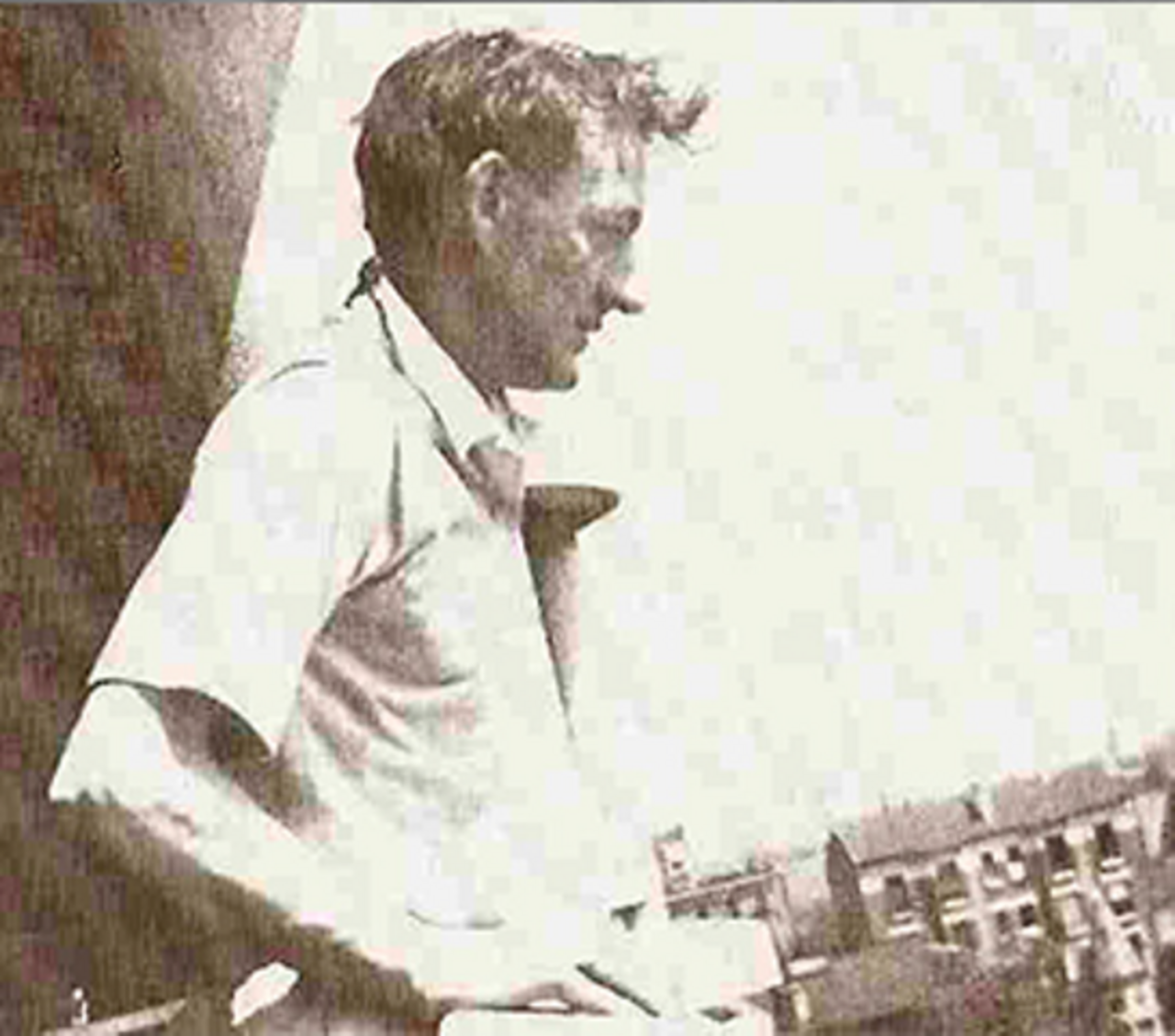
Erwin von Kreibig Museum is devoted to the life and artistic legacy of Erwin von Kreibig. It gives travellers a focused way to explore one figure within Munich’s wider cultural history. The museum is suited to visitors who prefer a specialised collection and a close connection between an artist’s work and the city around it. Rather than competing with Munich’s largest museums in scale, it offers a narrower subject with room for concentration. Add it to a district-based cultural route when you want a more intimate complement to the city’s major institutions. The Erwin von Kreibig Museum is a cultural institution in Munich dedicated to the life and artistic legacy of Erwin von Kreibig, a notable figure in the region's cultural history.
Checked 2026-08-26 · Source
The museum presents material connected with Erwin von Kreibig’s work, career and place in Munich’s artistic heritage. Visitors can encounter artistic pieces alongside documents and artefacts that provide context for his life and contribution. The collection is best approached as a narrative about an individual artist rather than as a broad survey of every period in Munich art. Take time to connect the works with the supporting material, because the surrounding biography helps explain why the museum has a distinct place in the city’s cultural landscape.
Checked 2026-08-26 · Source
Set aside flexible time for the museum, with the final length shaped by your interest in Erwin von Kreibig and regional cultural history. A focused visit can sit comfortably inside a wider Munich museum day, while visitors who enjoy studying documents and artistic context may want to linger. The museum’s specialised subject makes it more useful as a deliberate cultural stop than as a rushed addition. Leave enough time to absorb the biographical material instead of treating the collection as a quick checklist of objects.
Checked 2026-08-26 · Source
The museum fits naturally into a year-round Munich culture itinerary because its main experience is indoors. Choose a time when you can read and look carefully, especially if the day already includes several large galleries. Its focused subject can provide a calmer contrast to busy central attractions. Plan the visit alongside nearby cultural or urban sights so the route stays manageable. A quieter part of the day can help you concentrate on the relationship between Kreibig’s work, his life and Munich’s artistic history.
Checked 2026-08-26 · Source
Think of Erwin von Kreibig Museum as a specialist art and biography stop rather than a large-scale attraction requiring an entire day. Its value comes from the opportunity to understand one artist in context and to examine the supporting material at a personal pace. Place it in a cultural itinerary with enough breathing room for reading. Travellers who already enjoy Munich’s art history may find the focused subject especially rewarding, while those with limited time can use it as a compact alternative to another major gallery.
Checked 2026-08-26 · Source
The museum is part of Munich’s urban cultural network and can be reached as one stop in a public-transport and walking itinerary. Munich’s U-Bahn, S-Bahn, tram and bus services connect the city’s museum areas, while walking links can make sense when the museum is paired with another nearby attraction. Plot the museum with your other destinations before setting out, then keep the route geographically compact. This approach leaves more time for the artist-focused displays and makes the visit feel integrated into Munich rather than isolated from it.
Checked 2026-08-26 · Source
The museum’s appeal depends on interest in a specific artist and on willingness to engage with contextual material. Do not expect the breadth of a major encyclopaedic collection. Read the documents alongside the artwork to understand the cultural setting, and allow companions time to move at a slower pace. Follow ordinary museum etiquette around fragile objects, bags, food and visitor movement. Travellers who prefer iconic highlights may find the experience more rewarding when they place it between broader Munich sights rather than making it their only museum stop.
Checked 2026-08-26 · Source
Use photography thoughtfully around the artist’s work and the accompanying documents. Follow any notices inside the museum, especially those concerning flash, filming and tripods. Look closely before reaching for the camera, because the museum’s strength lies in connecting visual pieces with biographical and historical context. Keep equipment from obstructing other visitors and avoid including them in personal photographs. Exterior images can place the museum within Munich’s cultural geography, while interior photographs should respect the presentation of Kreibig’s work and the atmosphere of the rooms.
Checked 2026-08-26 · Source
He is the artist whose life, work and cultural legacy form the focus of this Munich museum.
The museum presents artistic pieces together with documents and artefacts connected with Kreibig’s career and historical significance.
Its main theme is the relationship between Erwin von Kreibig’s artistic work, his life and Munich’s cultural history.
No. It is a specialised museum focused on one artist and the context surrounding his work and legacy.
Yes. Its focused subject makes it suitable as a compact cultural stop alongside broader Munich museums and urban sights.
It suits visitors interested in biography, regional art history and concentrated exhibitions connected with a particular Munich artist.
Loading the interactive map…
The interactive map could not be loaded.
Last updated:
Source: OpenStreetMap contributors, Wikidata ·