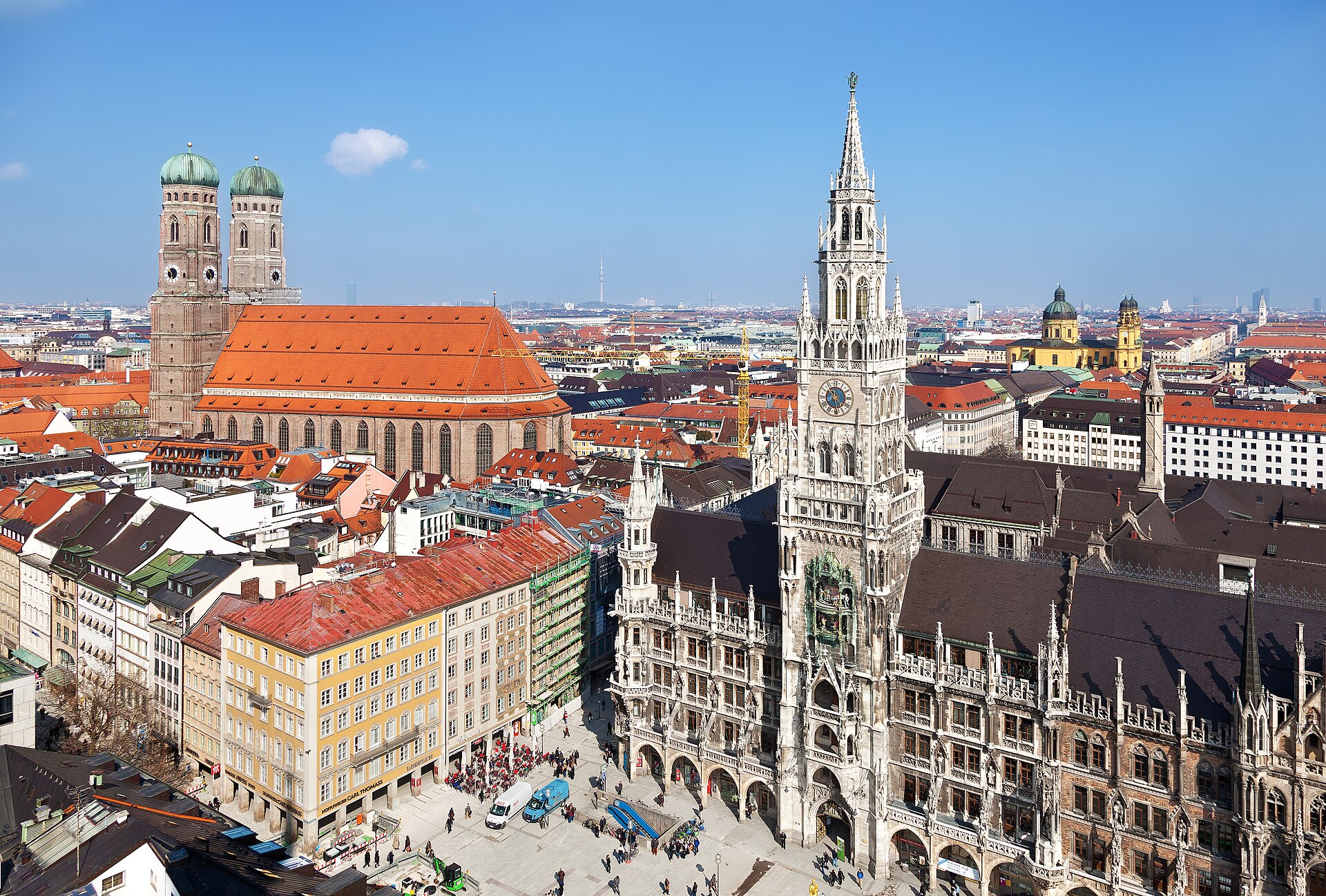
A photograph of Germany

Country guide

Germany

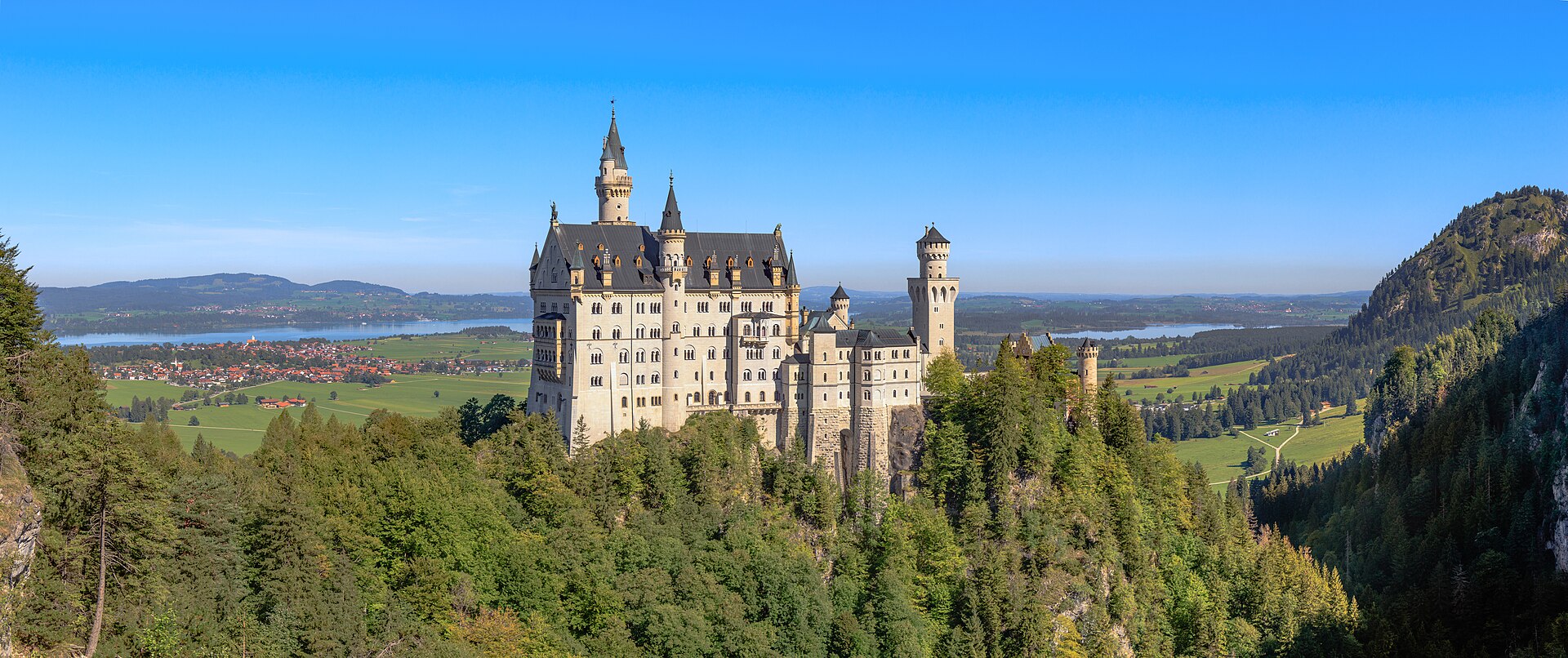
Germany runs from the Baltic and North Sea coasts in the north down to the Alps in the south, and its 16 states have kept enough separateness that the country r...

Photograph · Llez · CC BY-SA 3.0

21,822 Places
2Cities

Reviewed by Elena Voss · Roavina Travel Editor

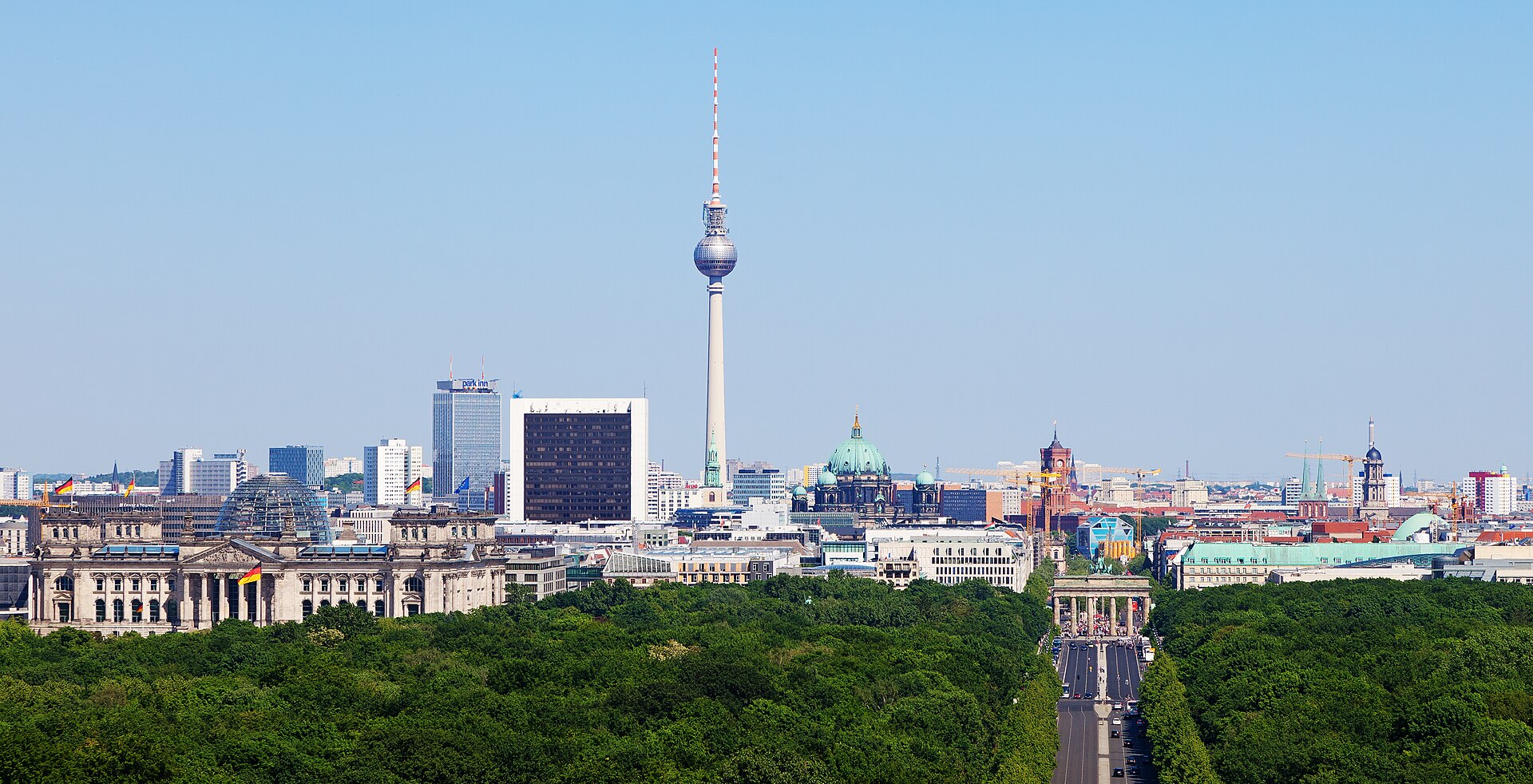
Germany runs from the Baltic and North Sea coasts in the north down to the Alps in the south, and its 16 states have kept enough separateness that the country reads as a set of destinations rather than one. Over 83 million people live in them, more than any other European Union member. Berlin is the capital and the largest single city, Frankfurt is the financial centre, and the largest urban area is neither - it is the Ruhr, a belt of western towns that have grown into each other. Choosing between the Bavarian south, the Rhine, the Hanseatic north and the eastern cities is the actual planning decision; the distances are short and the places are not variations on one another.

Checked 2026-08-25

Cities

Every city catalogued in this country so far, ranked by how much there is to see.

Practical information

Language spoken
German
National practical orientation; regional and minority languages may also be used
Dialling code
+49
International calling code; local area and mobile prefixes still apply
Currency
Euro (EUR)
Use the official local currency; card acceptance varies by place
Emergency number
112 medical/fire · 110 police
Use only for an emergency; tourist assistance may use a separate number
Plug type
Type C and F · 230 V
Check that chargers support the recorded voltage before using an adapter
Tap water
Safe from the mains
Public drinking water is regulated under national drinking-water rules

Top things to see

Ranked by importance — sitelinks, pageviews and heritage status, not editor preference.

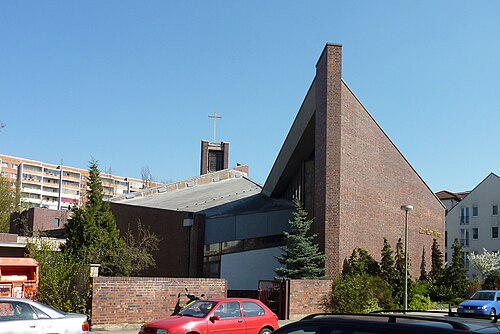
  1. Zion Church Zion Church
    07 30 min

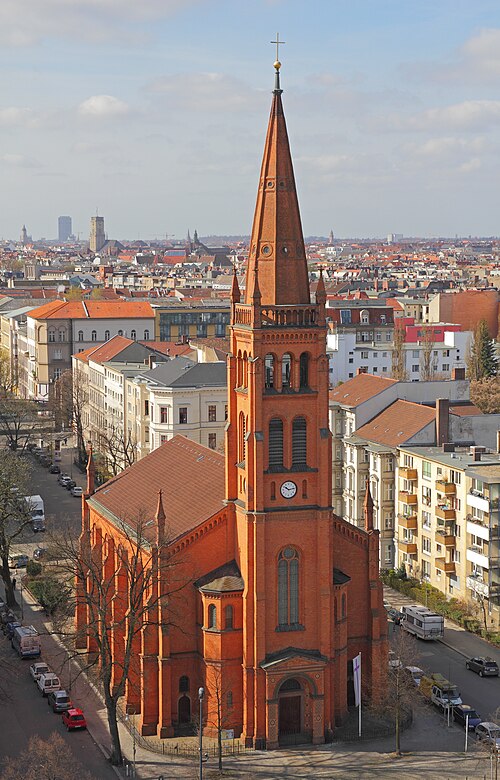
    Zion Church

    Zionskirche

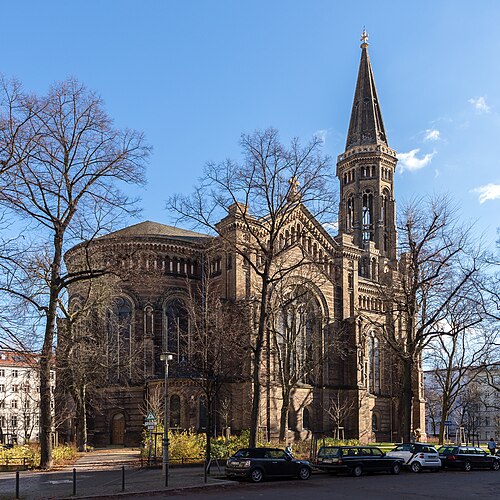
    Zion Church, known locally as Zionskirche, is a historic Protestant church in Berlin. The building stands as a significant landmark within the city's urban fabric, reflecting 19th-century ecclesiastical architecture.

    • High
    • Place of worship
    • Berlin
  2. Mater Dolorosa Mater Dolorosa
    08 30 min

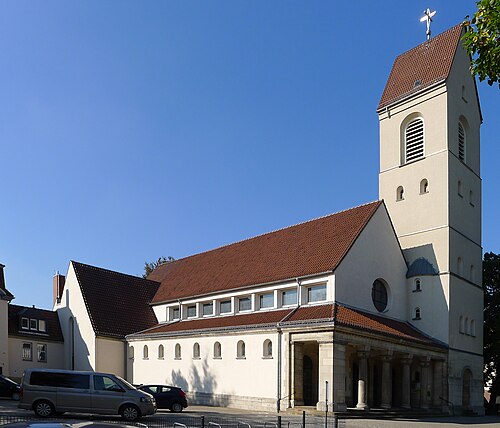
    Mater Dolorosa

    Mater Dolorosa is a Catholic church in Berlin, named for the Latin title meaning “Sorrowful Mother,” a reference to the Virgin Mary’s grief.

    • High
    • Place of worship
    • Berlin
  3. Zwölf-Apostel-Kirche Zwölf-Apostel-Kirche
    09 30 min

    Zwölf-Apostel-Kirche

    Zwölf-Apostel-Kirche is a Protestant church in Berlin whose name refers to the twelve apostles of Christian tradition. It is a functioning place of worship and part of the city’s religious and architectural landscape.

    • High
    • Place of worship
    • Berlin
  4. Kirche Zur Frohen Botschaft (Berlin-Karlshorst) Kirche Zur Frohen Botschaft (Berlin-Karlshorst)
    10 30 min

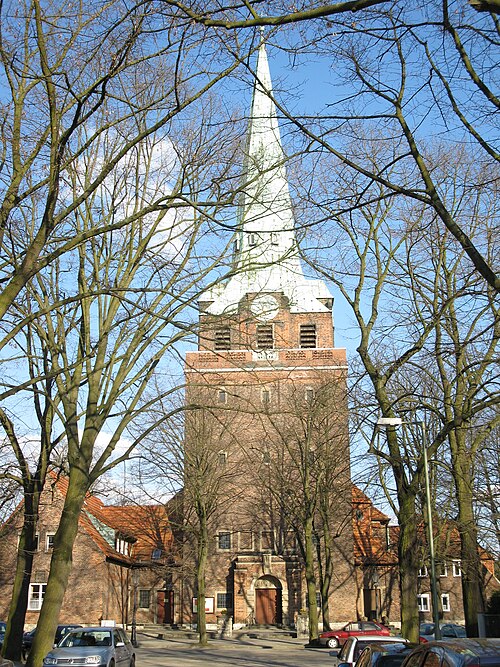
    Kirche Zur Frohen Botschaft (Berlin-Karlshorst)

    Ev. Kirche Zur frohen Botschaft

    Kirche Zur Frohen Botschaft is an Evangelical Protestant church serving the Karlshorst community in eastern Berlin.

    • High
    • Place of worship
    • Berlin
  5. Zwinglikirche Zwinglikirche
    11 30 min

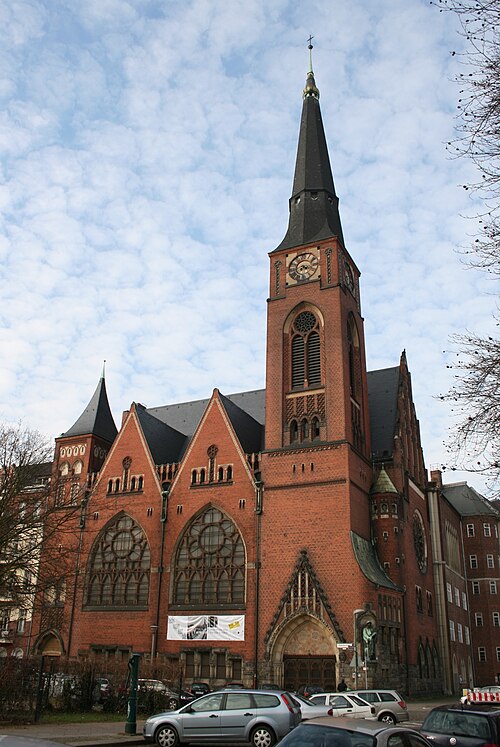
    Zwinglikirche

    Zwingli-Kirche

    Zwinglikirche, also called Zwingli-Kirche, is a church in Berlin named after Huldrych Zwingli, the Swiss Reformation leader. It is a place of worship within Berlin’s varied religious architecture.

    • High
    • Place of worship
    • Berlin
  6. Kirche Zum Guten Hirten Kirche Zum Guten Hirten
    12 30 min

    Kirche Zum Guten Hirten

    Zum Guten Hirten

    Kirche Zum Guten Hirten, or Church of the Good Shepherd, is a church in Berlin.

    • Notable
    • Place of worship
    • Berlin
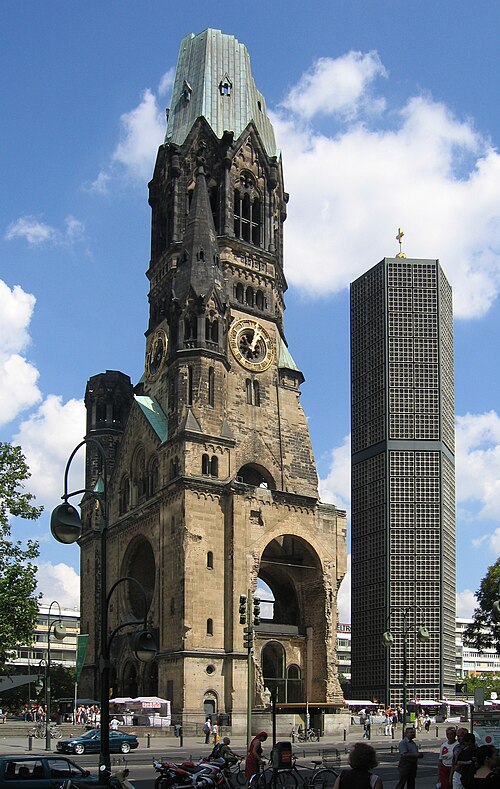
  7. Kaiser-Wilhelm-Gedächtniskirche Kaiser-Wilhelm-Gedächtniskirche
    13 30 min

    Kaiser-Wilhelm-Gedächtniskirche

    Neue Kaiser-Wilhelm-Gedächtniskirche

    Kaiser-Wilhelm-Gedächtniskirche stands on Breitscheidplatz as a memorial church where a damaged historic tower meets a modern blue-glass sanctuary. The wartime ruin was preserved rather than rebuilt, allowing the broken structure to remain a visible reminder of destruction.

    • Notable
    • Place of worship
    • Berlin
  8. Ludwigskirche
    14 30 min

    Ludwigskirche

    Sankt Ludwig

    • High
    • Place of worship
    • Berlin

Source: OpenStreetMap contributors, Wikidata ·

Common questions

How long should a first trip to Germany be?

Seven to ten days works for Berlin plus one connected region, or for a focused Rhine, Bavaria or northern-city route. Germany’s rail network makes multi-city travel practical, but changing bases every night still reduces useful time.

What entry documents are needed for Germany?

Germany’s Federal Foreign Office is the official visa reference. Review its nationality-specific entry rules and the Schengen application guidance for the passport and route being used.

What is the best way to travel around Germany?

Intercity and high-speed trains connect Germany’s major cities, with regional services completing shorter journeys. Deutsche Bahn publishes the integrated timetable; airport choice should follow the route rather than defaulting to one national gateway.

When is a practical time to visit Germany?

May through September favours outdoor city and countryside travel, while December has a distinct seasonal-market pattern. Alpine, North Sea and urban conditions differ enough that the intended region should determine clothing and reservations.

What money and payment basics apply in Germany?

Germany uses the euro (EUR). Cash and card practices are not stated as a single national rule in the cited source, so travellers should carry a backup and check the payment method before ordering or boarding.

What practical safety details should I save for Germany?

For Germany, 112 reaches medical and fire services and 110 reaches police. Type C and F plugs use 230 V, and mains tap water is recorded as safe.