
.jpg)

_in_gebed_bij_het_aanbieden_van_offers_(bloemen_vlees_vruchten_gemoduleerd_vet_wierookstaafjes)_tijdens_een_groot_tempelfeest_in_de_tempel_van_K%C3%AAh%C3%AAn_bij_Bangli_Bali_TMnr_10001207.jpg)


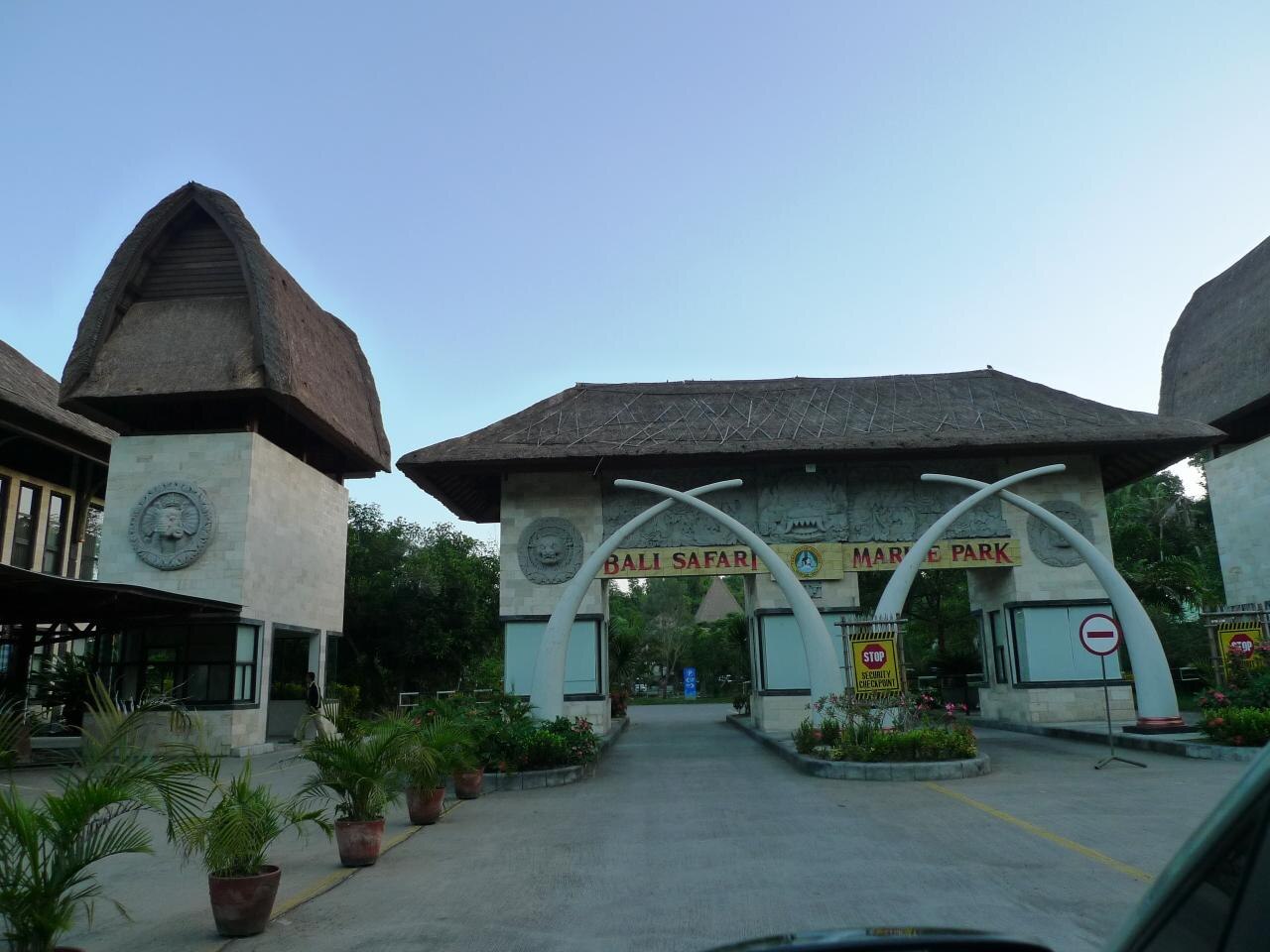
177 min walk
Bali Safari and Marine Park
- Must see
- Nature site
Language · 11 published
Place of worship · Denpasar
Pura Goa Lawah
Reviewed by Elena Voss · Roavina Travel Editor
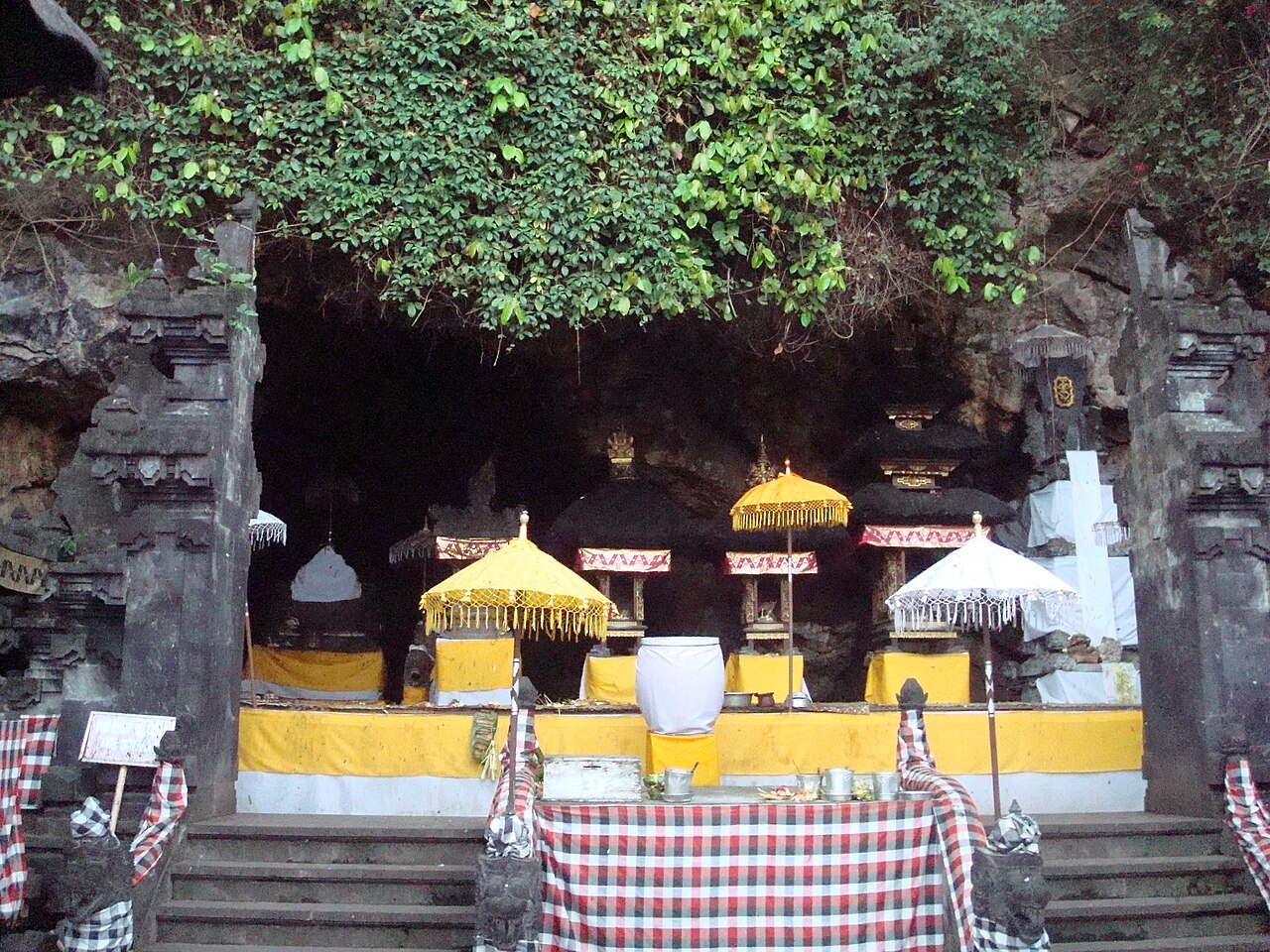
It was built in the Balinese architecture style.
Pura Goa Lawah is a Balinese Hindu sea temple of significant religious importance, located near the village of Pesinggahan in Klungkung Regency, east of Denpasar. Established in the eleventh century according to Balinese chronicles, it counts among the island's nine directional temples, or kayangan jagat, intended to protect Bali from evil sea spirits. The temple's defining feature is a cave inhabited by vast colonies of fruit bats, whose continuous presence gives the site its name: Goa Lawah translates directly to Bat Cave. The complex holds deep spiritual meaning for Balinese Hindus and attracts pilgrims alongside international visitors.
Checked 2026-08-26
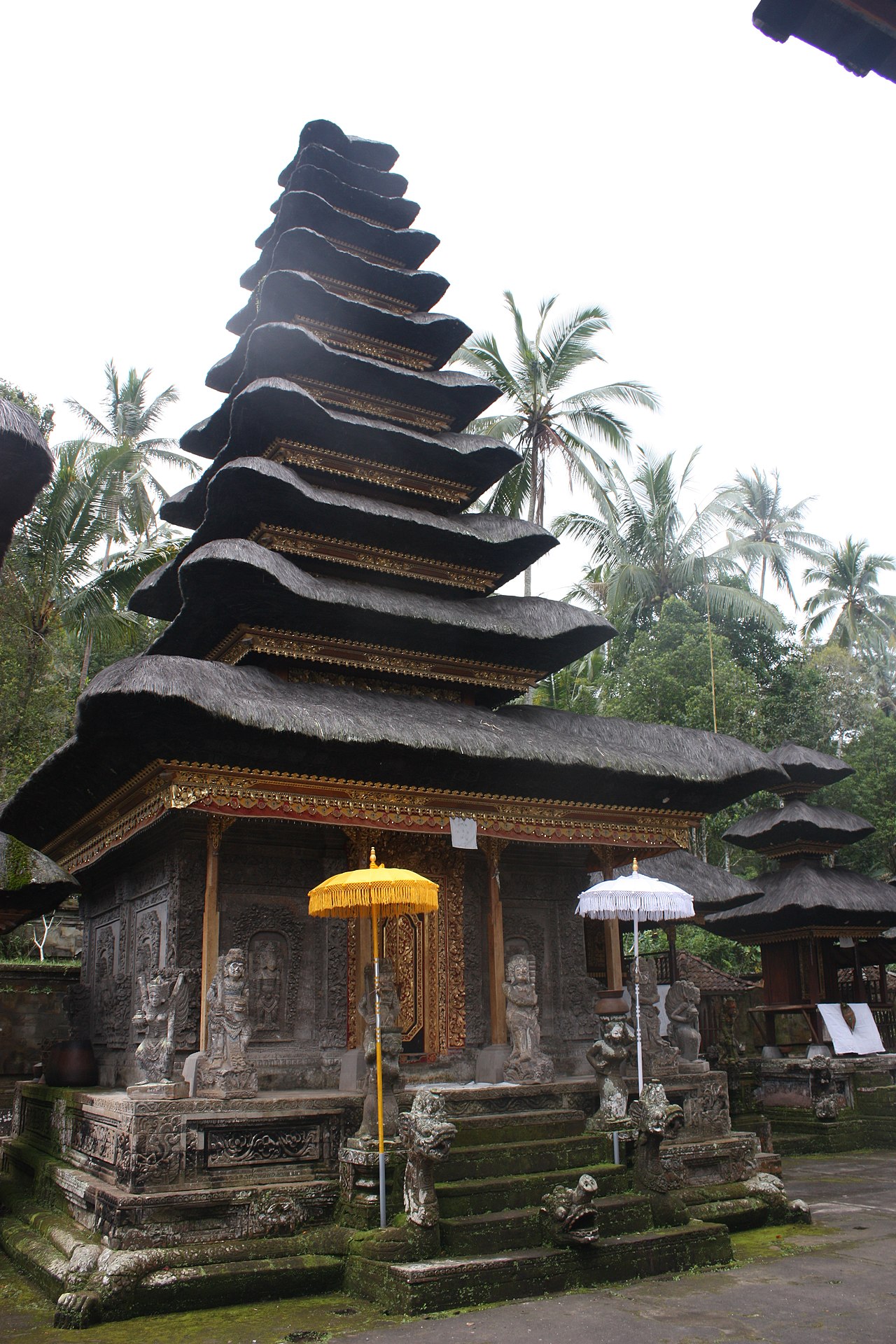
The temple complex centers upon a cave opening at the base of a cliff face, densely packed with hanging bats visible during daylight hours. A shrine with meru towers stands at the cave mouth, where priests conduct ceremonies. The temple courtyard contains additional shrines and pavilions for ritual preparation. The coastal location places the temple directly beside the main road between Denpasar and Candidasa, with the Lombok Strait visible beyond. Sacred spring water sources exist within the complex. The bats themselves are considered spiritually significant, their constant activity interpreted as connection to the temple's protective deity.
Checked 2026-08-26
Visitors typically spend between thirty minutes and one hour at Pura Goa Lawah. The compact nature of the temple complex allows for efficient circumambulation and observation of the cave and shrines without extensive walking. Those participating in or observing active ceremonies may extend their stay accordingly. The site suits inclusion within broader east Bali itineraries rather than serving as a full-day destination in isolation. Combination with nearby attractions such as Tirta Gangga water palace or the former Klungkung royal court provides logical routing. Early morning visits permit quieter conditions before tour bus arrivals.
Checked 2026-08-26
The temple remains an active religious site with continuous ceremonial use throughout the Balinese calendar, and visitors may encounter restrictions during major festivals. The dry season months of April through October generally offer more predictable conditions for east Bali travel, though the temple's roadside location provides limited shelter from intense sun. Coastal winds provide some relief. Dawn and dusk periods align with increased bat activity at the cave entrance, potentially enhancing observation opportunities. Visitors should verify current access conditions before travel. Check the operator's own site for the travel date before relying on a schedule or fare.
Checked 2026-08-26
As with all Balinese temples, modest dress covering shoulders and knees is mandatory for entry; sarongs and sashes are typically available for rental or included with admission for unprepared visitors. Donations for temple maintenance are customary. Photography permits may involve separate fees. Visitors should carry small denomination cash in Indonesian rupiah. The temple's religious function supersedes tourism operations, and revenue supports priestly activities and physical upkeep rather than commercial entertainment. Budget-conscious travelers should prepare for variable pricing structures common at sacred sites. Check the operator's own site for the travel date before relying on a schedule or fare.
Checked 2026-08-26

Pura Goa Lawah lies approximately twenty-five kilometers northeast of central Denpasar along the coastal highway toward Padangbai and Candidasa. Private vehicle or hired driver with negotiation represents the most reliable access method, with journey duration highly dependent on traffic conditions through Gianyar and Klungkung districts. No direct public bus service terminates at the temple, though bemo minibuses and intercity buses along the main road may stop nearby upon request. The temple's prominent roadside position makes identification straightforward. Motorbike rental requires valid international license and carries accident risk on busy highways.
Checked 2026-08-26

The temple's active cave ecosystem generates substantial guano accumulation with associated odor, particularly during hot periods. Bats may fly at low altitude without warning. The main road passes immediately adjacent to temple grounds, creating traffic hazard when crossing or parking. Persistent vendors operate near the entrance. Religious protocol requires maintaining respectful distance from praying devotees and refraining from turning one's back toward shrines. Women menstruating are traditionally prohibited from entering Balinese temples. The coastal environment provides minimal shade; sun protection and hydration warrant attention. Structural surfaces may be uneven or slippery.
Checked 2026-08-26

Photography is permitted in designated areas with appropriate respect for active worship. The cave mouth with bat colonies and tiered meru shrines offer the most distinctive compositions. High ISO settings assist with dim cave interior conditions, though direct flash toward bats is discouraged as disruptive to wildlife and potentially offensive to religious sensibilities. The roadside location introduces visual clutter from vehicles and signage that careful framing can minimize. Dawn and golden hour lighting enhance the coastal atmosphere. Drone operation would require explicit permission given sacred status and proximity to traffic infrastructure. Tripods may attract restriction during crowded periods.
Checked 2026-08-26
No. The temple lies in Klungkung Regency east of Denpasar, though it features in broader Denpasar-area visitor guides due to accessibility from the capital.
No. The cave interior is not accessible to the public; observation is limited to the visible opening where bats congregate.
The bats are generally not aggressive but may fly near humans. Standard precautions against contact with wildlife apply.
Shoulders and knees must be covered. Sarongs and sashes are typically available if needed.
Access may be restricted during major religious observances. Visitors should maintain respectful distance from any active ritual.
Traffic proximity and uneven surfaces require supervision. The bat activity and odors may distress sensitive children.
Loading the interactive map…
The interactive map could not be loaded.
Last updated:
Source: OpenStreetMap contributors, Wikidata ·