
16 min walk
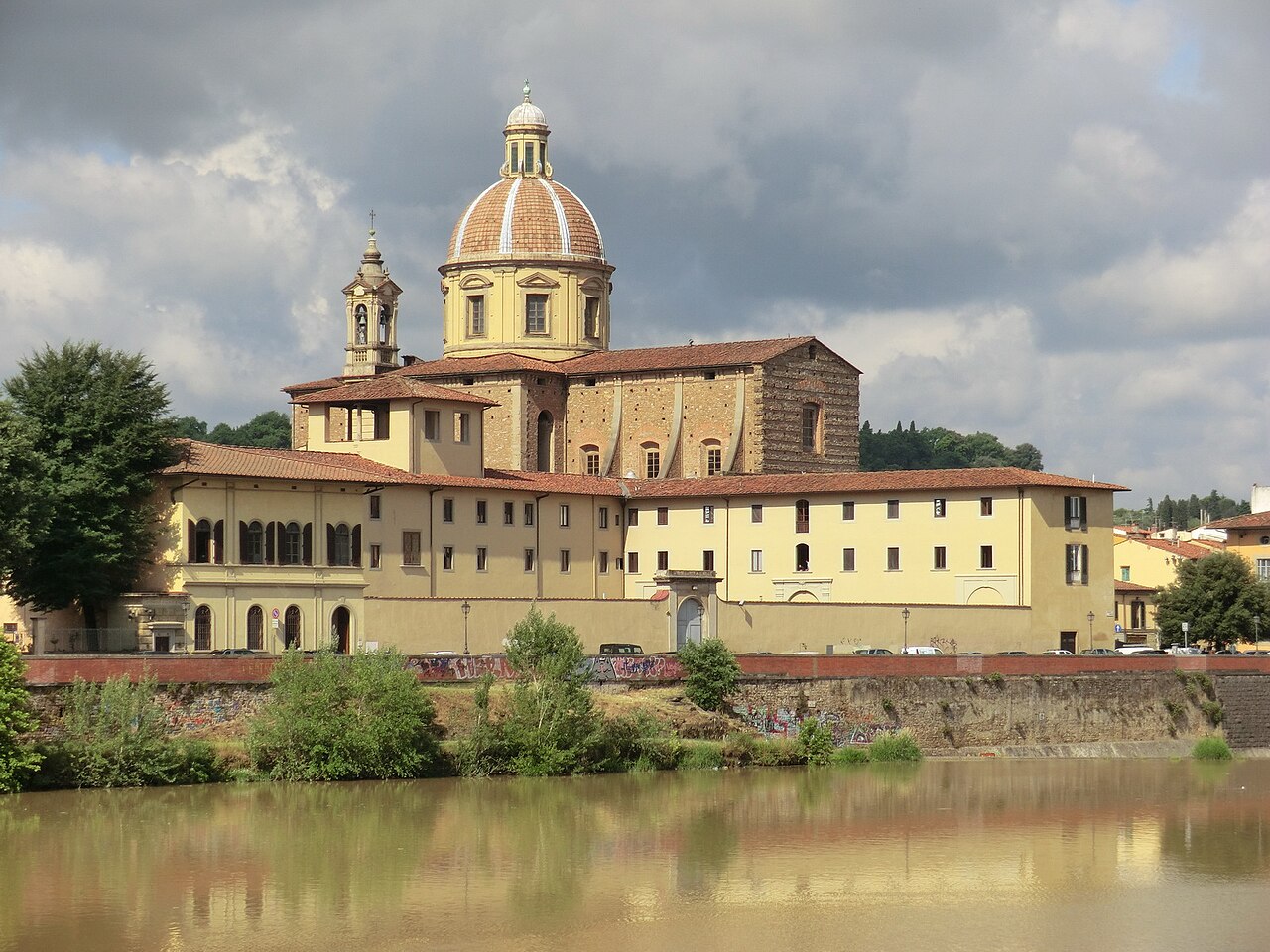
San Frediano in Cestello
- High
- Historic monument
Art and culture venue · Florence
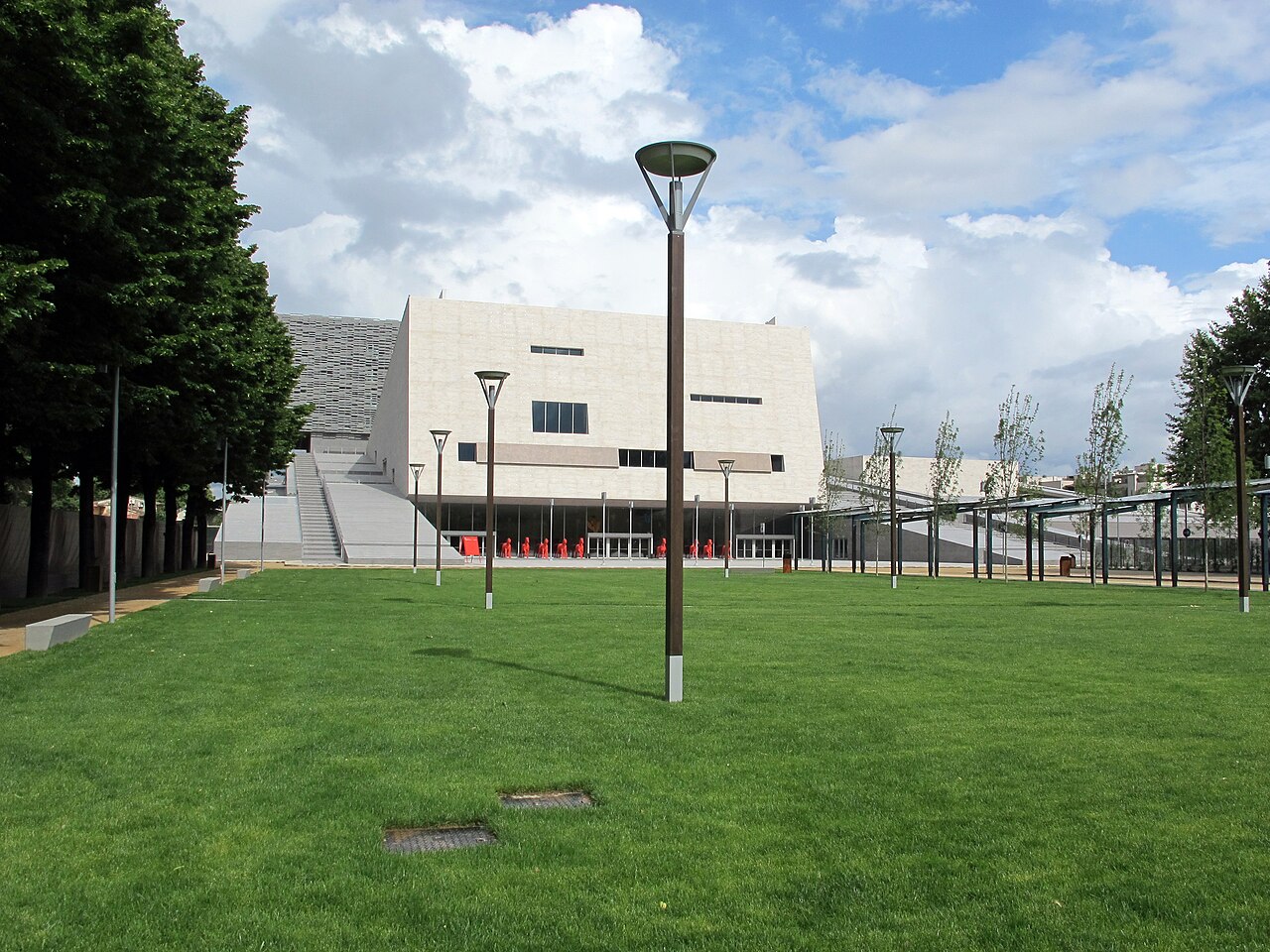
Teatro del Maggio Musicale Fiorentino is Florence’s principal opera house and the home of the Maggio Musicale Fiorentino festival. The modern building opened in 2011 near Cascine park, replacing the former Teatro Comunale. Its programme includes opera, ballet, symphony concerts, and recitals. This is a destination for a scheduled cultural evening rather than a casual landmark stop: the experience is shaped by the performance you choose, your seat, and the atmosphere before and after the curtain rises. Teatro del Maggio Musicale Fiorentino is Florence's principal opera house and home to the annual Maggio Musicale Fiorentino festival, one of Europe's oldest music festivals. The current building opened in 2011 near the Cascine park, replacing the former Teatro Comunale. It serves as a major venue for opera, ballet, symphony concerts, and recitals. The complex includes multiple performance spaces and rehearsal facilities, functioning as both a producing and presenting institution for classical music and opera in Tuscany's cultural capital.
Checked 2026-08-26 · Source
The complex includes a main auditorium with tiered seating, an orchestra pit, and stage machinery designed for large opera productions. It also contains a smaller experimental theatre, rehearsal rooms, dressing facilities, administrative areas, foyers, and circulation spaces. The architecture is contemporary, with modern acoustic engineering and technical infrastructure. Visitors should focus on the relationship between the audience areas and the scale of the production spaces: the building is designed to support performers and crews as much as the people watching from the auditorium.
Checked 2026-08-26 · Source
Allow the full duration of the chosen event plus time for arrival and departure. Opera performances commonly last three to four hours including intervals, while symphony concerts often take about two hours with an interval. Ballet duration depends on the programme. Arrive early enough to find your seat and settle before the start. The theatre’s western location means the evening should be planned as a substantial part of the day, especially when travelling from the Duomo or central accommodation.
Checked 2026-08-26 · Source
The strongest reason to visit is a performance that matches your musical interests. The Maggio Musicale Fiorentino festival forms an important part of the theatre’s identity, while opera, ballet, symphony, and recital programmes extend the experience beyond the festival period. Evening performances are common, with some matinees. Pair a matinee with daytime sightseeing or make an evening performance the centre of a slower day. The modern auditorium remains an indoor cultural option in every season.
Checked 2026-08-26 · Source
Admission depends on the production, date, and seating category. The theatre uses different price levels, from gallery positions to premium orchestra stalls, and regular attendees may encounter subscription options. Online booking is part of the theatre’s ticketing pattern, while popular productions reward early planning. Choose the performance before deciding how much time to reserve for the evening. For the clearest experience, read the production information carefully so you know whether you are attending opera, ballet, a symphony concert, or a recital.
Checked 2026-08-26 · Source
The theatre is in western Florence near Cascine park, away from the Duomo’s immediate surroundings. Tram services connect the area with Santa Maria Novella railway station and other parts of the city, while buses serve nearby streets. Walking from the cathedral area takes roughly twenty to thirty minutes. Taxis provide another option for an evening arrival. Build extra time into the route: finding the building, crossing the western part of the centre, and entering before a performance all matter more than the distance alone.
Checked 2026-08-26 · Source
Performance times are firm, and late arrivals may wait in a designated area until an appropriate break. Silence mobile phones and keep screens dark once the event begins. Smart casual or formal clothing suits the occasion, although the essential requirement is respectful behaviour. Intervals can create queues at refreshment points, so use the break efficiently. Opera subtitles may be provided, commonly in Italian. If you need particular seating or access arrangements, include that in your planning before the performance day.
Checked 2026-08-26 · Source
Do not photograph, film, or record during performances or rehearsals. This protects the rights of artists and prevents screens, flashes, and sounds from disturbing the audience. In foyers or outside areas, photography may fit naturally before entry or after the event, provided staff directions and posted rules allow it. Keep devices put away during the performance and silence them completely. The most memorable images from this venue are often created by noticing the contemporary architecture and the anticipation of the auditorium before the lights go down.
Checked 2026-08-26 · Source
The current building opened in 2011 near Cascine park, replacing Florence’s former Teatro Comunale.
The programme includes opera, ballet, symphony concerts, and recitals, with the Maggio Musicale Fiorentino festival forming a central part of the institution’s identity.
An opera performance commonly lasts three to four hours including intervals, although the duration depends on the repertoire and production.
The theatre is in western Florence near Cascine park, around twenty to thirty minutes on foot from the cathedral area.
Smart casual to formal clothing suits an evening performance, while respectful behaviour and arriving before the start are more important than a strict uniform dress code.
Photography, filming, and audio recording are prohibited during performances and rehearsals. Keep devices silent and use them only in permitted public areas.
Loading the interactive map…
The interactive map could not be loaded.
Last updated:
Source: OpenStreetMap contributors, Wikidata ·