Florence Cathedral
Cattedrale di Santa Maria del Fiore
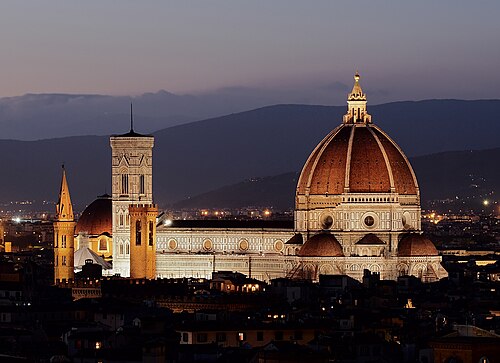
The Cattedrale di Santa Maria del Fiore is the cathedral of Florence and the church the whole of Piazza del Duomo is arranged around.
- Must see
- Place of worship
Language · 11 published
City guide · Italy
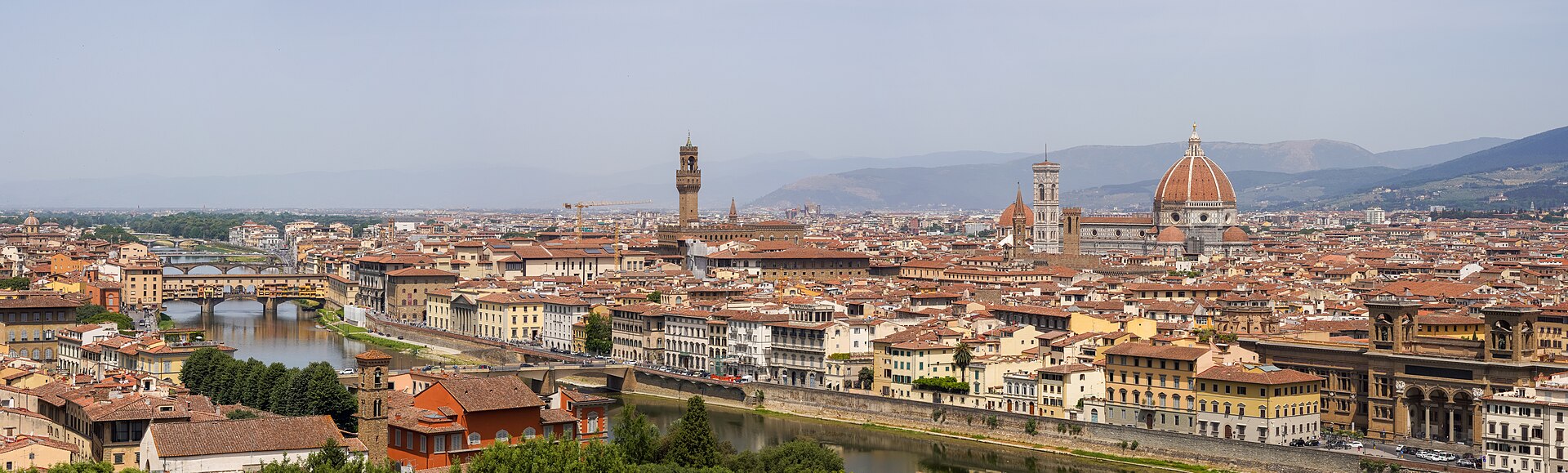
Florence has a compact, largely pedestrian historic centre on both sides of the Arno. The Duomo, Piazza della Signoria, Uffizi and Santa Croce form the main north-bank cluster; the Oltrarno begins across the river around Santo Spirito and Palazzo Pitti. Santa Maria Novella station lies northwest of the centre, while hilltop viewpoints and Fiesole require a separate climb or transport leg.
Reviewed by Elena Voss · Roavina Travel Editor
Set your days, your pace and the hours you actually want to be out. The planner works around closing days and travel time, and leaves room to eat.
Ranked by importance — sitelinks, pageviews and heritage status, not editor preference.
104 places match
Category
Typical visit duration
Interests
Cattedrale di Santa Maria del Fiore
The Cattedrale di Santa Maria del Fiore is the cathedral of Florence and the church the whole of Piazza del Duomo is arranged around.
Galleria degli Uffizi
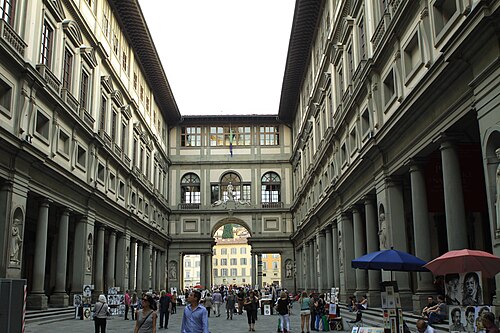
The Uffizi Gallery is a world-renowned art museum in Florence, housed in a historic building originally constructed as offices for Florentine magistrates. The name derives from the Italian word for offices.
The Galleria dell'Accademia di Firenze is a state museum on Via Ricasoli, ten minutes' walk north of the Duomo, and it exists in its present form because of one statue.
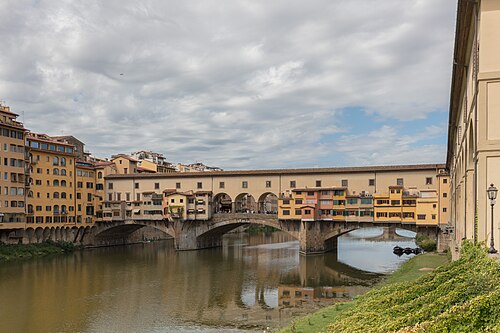
Ponte Vecchio is the oldest surviving bridge over the Arno and the only one in Florence still built up with shops. A crossing has stood on this spot since Roman Florentia.
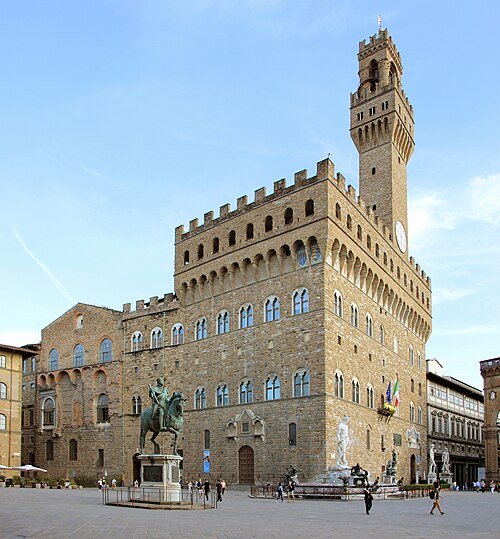
Palazzo Vecchio is the fortified town hall on the north side of Piazza della Signoria, and it is still exactly that: the city's museum service calls it the monument that symbolises Florence and the seat of its government for more…
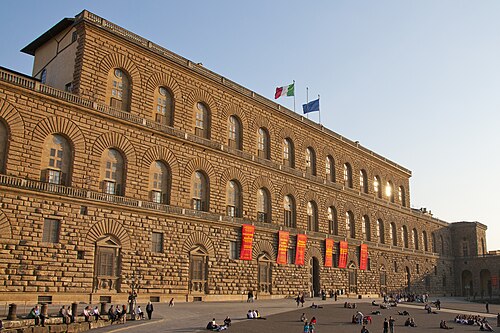
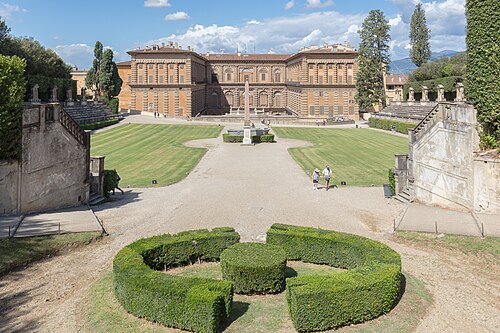
Palazzo Pitti is a single enormous palace on the south bank of the Arno that now holds five museums and a chapel under one ticket.
Giardino di Boboli
The Boboli Gardens climb the hillside directly behind Pitti Palace and run south along the line of the old city walls as far as Porta Romana.
Basilica di Santa Croce
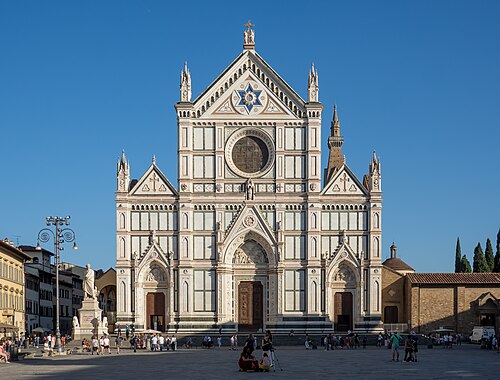
Santa Croce is the Franciscan mother church of Florence and the largest Franciscan church in the world.
Battistero di San Giovanni
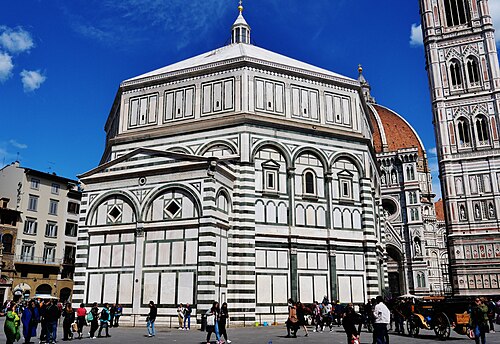
The Baptistery of San Giovanni stands free in Piazza San Giovanni, directly in front of the cathedral facade, and it is the older of the two buildings by several centuries.
Piazzale Michelangiolo
Piazzale Michelangelo is a panoramic square overlooking Florence from the south bank of the Arno River. It was designed by architect Giuseppe Poggi in 1869 as part of Florence's brief period as capital of the Kingdom of Italy.
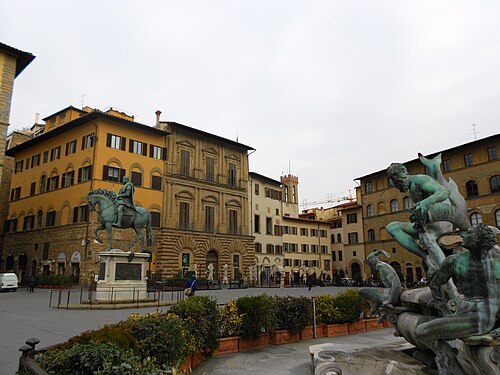
Piazza della Signoria is Florence's principal civic square and the historic heart of the city's political life.
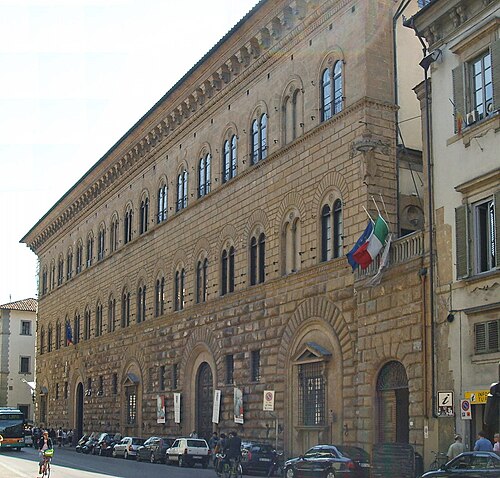
Palazzo Medici Riccardi is a Renaissance palace in Florence, Italy. It was commissioned by Cosimo de' Medici and designed by Michelozzo di Bartolomeo in the fifteenth century.
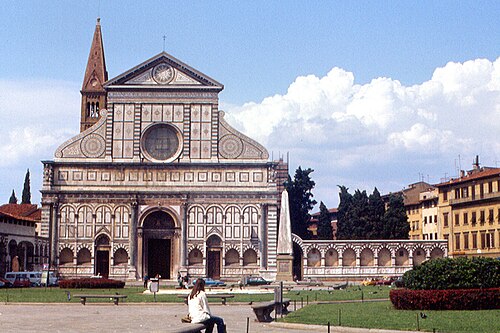
Basilica di Santa Maria Novella
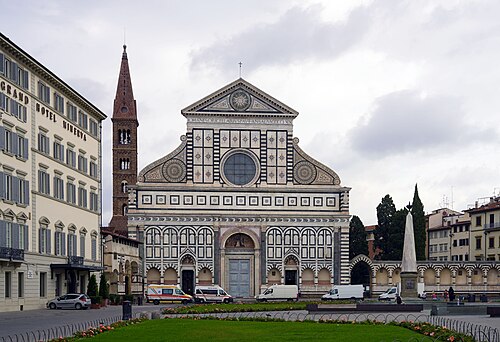
The Basilica of Santa Maria Novella is a major Dominican church in Florence, situated opposite the city's main railway station, which shares its name.
Basilica di Santa Maria del Santo Spirito
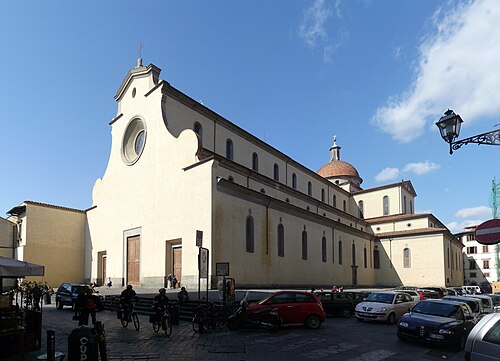
Santo Spirito is a major basilica in Florence's Oltrarno district, formally named Basilica di Santa Maria del Santo Spirito. The church stands as one of the most significant Renaissance religious structures in the city, designed by Filippo Brunelleschi.
Cappelle Medicee
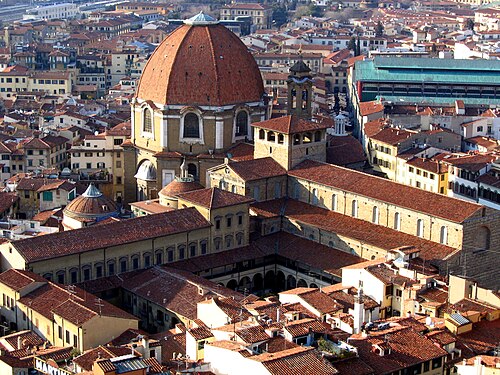
The Medici Chapels, known locally as Cappelle Medicee, constitute a significant mausoleum complex in Florence.
Palazzo del Bargello
The Bargello National Museum occupies the Palazzo del Bargello, a medieval fortress palace in central Florence. Built from 1255, it served as the city podesta residence and later as a prison and police headquarters.
Museo Galileo - Istituto e Museo di Storia della Scienza
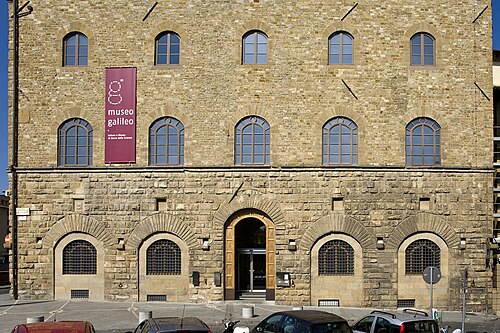
Museo Galileo occupies a historic position near the Arno River in Florence, housed in the Palazzo Castellani. The institution operates under its full designation Museo Galileo - Istituto e Museo di Storia della Scienza.
Museo di San Marco
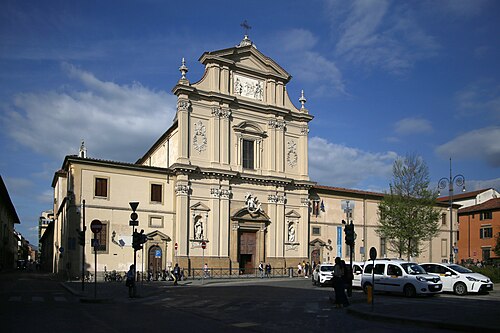
The Museum of San Marco occupies a former Dominican convent in central Florence, Italy. The complex holds significant importance for its architectural history and its association with prominent figures of the Italian Renaissance.
Cappella Brancacci
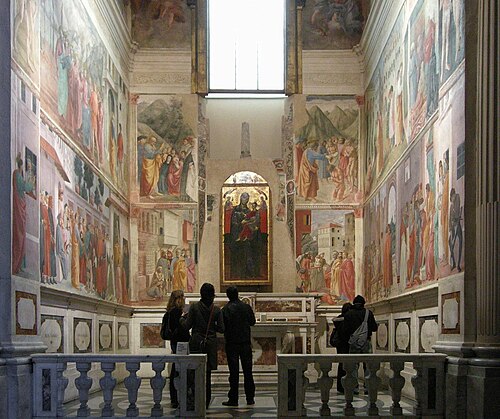
The Brancacci Chapel, known locally as Cappella Brancacci, is a chapel within the church of Santa Maria del Carmine in Florence.
Palazzo Strozzi is a Renaissance palace in central Florence, Italy. Built for the Strozzi family beginning in 1489, it represents one of the finest examples of secular Renaissance architecture in the city.
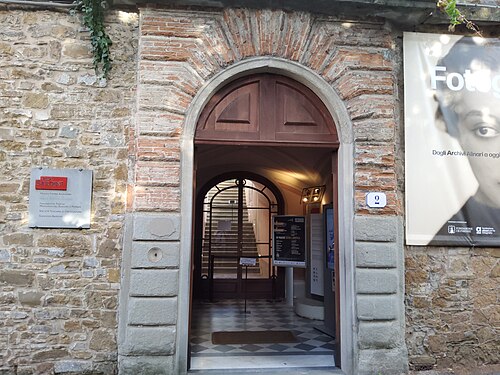
Museo Nazionale Alinari della Fotografia
Museo Novecento is a museum in Florence dedicated to twentieth-century Italian art. It occupies a prominent position in the historic centre, near Piazza Santa Maria Novella.
The Museo dell'Opera del Duomo is the storehouse and the explanation of the buildings standing outside its own door.
Basilica di San Lorenzo
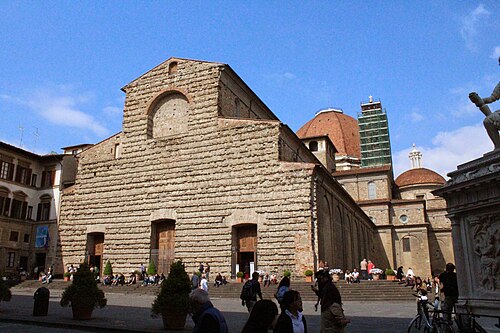
The Basilica di San Lorenzo stands on its own square a short walk north-west of the Duomo, and the Opera Medicea Laurenziana, the body that runs it, describes it as the oldest cathedral in Florence: the first building raised for…
Abbazia di San Miniato al Monte is a historic basilica standing on one of Florence's highest hills, overlooking the city centre and the Arno valley.
Spedale degli Innocenti
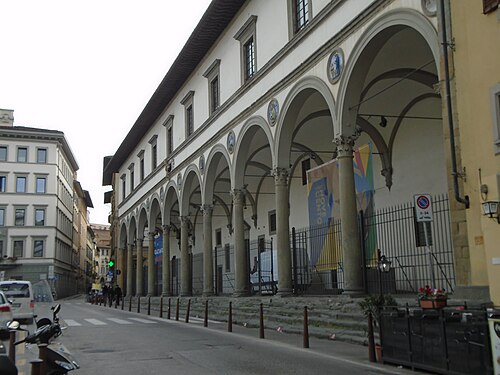
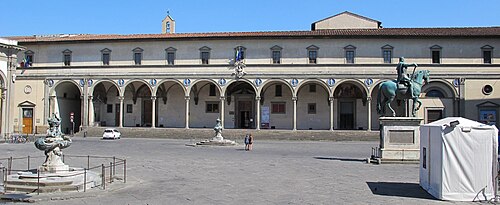
The Hospital of Innocents, or Spedale degli Innocenti, stands as one of Florence's most significant Renaissance buildings. Designed by Filippo Brunelleschi, it opened in 1445 as Europe's first dedicated orphanage.
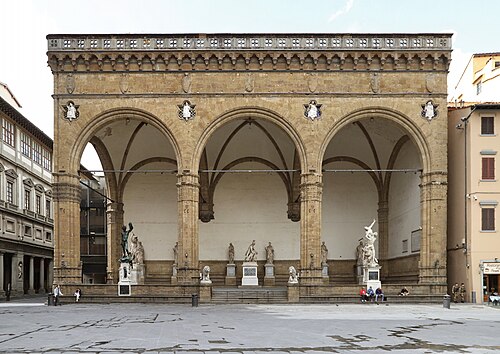
The Loggia dei Lanzi is an open-air sculpture gallery located on the southeast corner of Piazza della Signoria in Florence. Built between 1376 and 1382, this Gothic-style loggia was originally designed to host public ceremonies of the Florentine Republic.
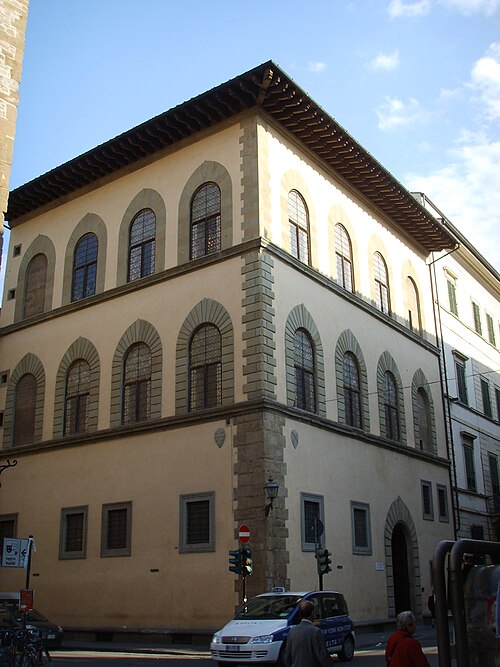
Museo Stefano Bardini
Museo Bardini, locally known as Museo Stefano Bardini, is a museum in Florence housed in a historic building that once belonged to the antiquarian and collector Stefano Bardini.
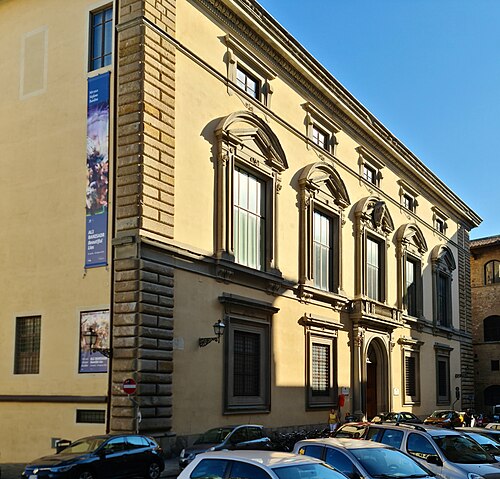
Museo Horne is a museum in Florence, Italy, housed in a historic building. It is named after its founder, Herbert Percy Horne, an English art collector and historian who established the institution.
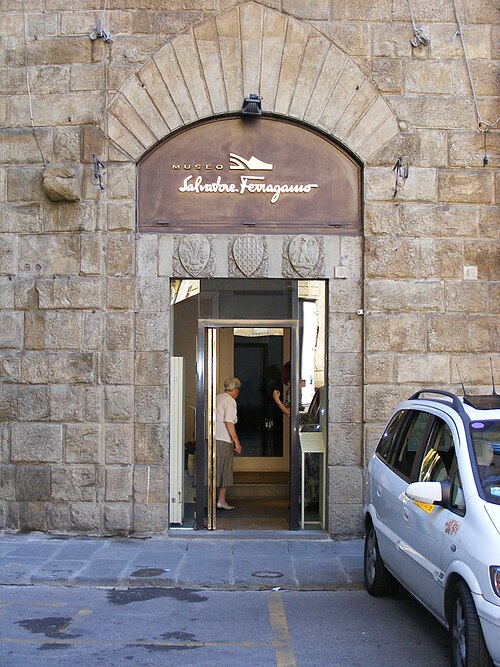
Museo Salvatore Ferragamo
The Salvatore Ferragamo Museum, or Museo Salvatore Ferragamo, is a fashion museum in Florence devoted to the work and legacy of shoe designer Salvatore Ferragamo.
Teatro della Pergola is a historic theatre in Florence, Tuscany. It stands as one of Italy's most significant theatrical landmarks, with origins tracing to the mid-seventeenth century.
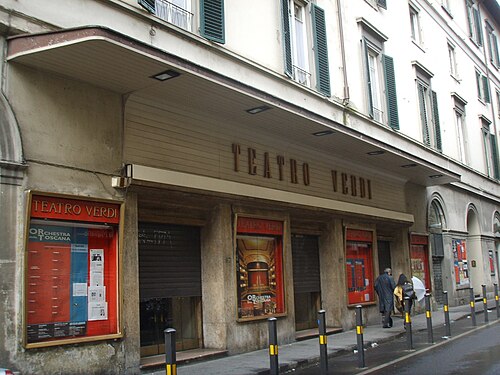
Teatro Verdi is a historic theatre in Florence, part of the city’s living tradition of music, opera and drama.
Corridoio Vasariano
The Vasari Corridor is an elevated enclosed passageway in Florence, Italy. Giorgio Vasari designed it in 1565 for Cosimo I de' Medici.
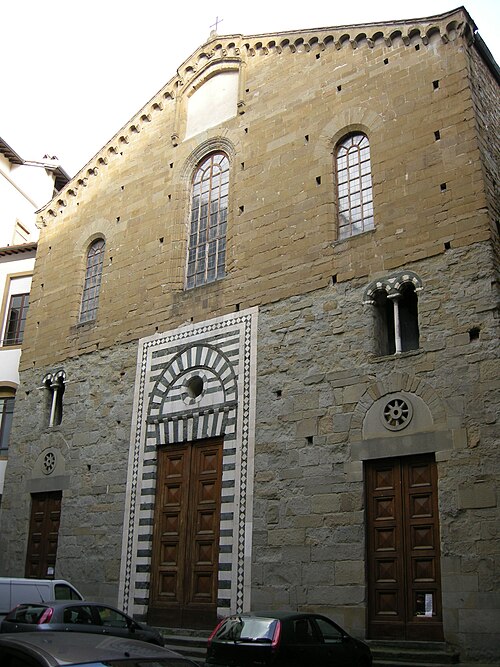
Cattedrale di San Romolo
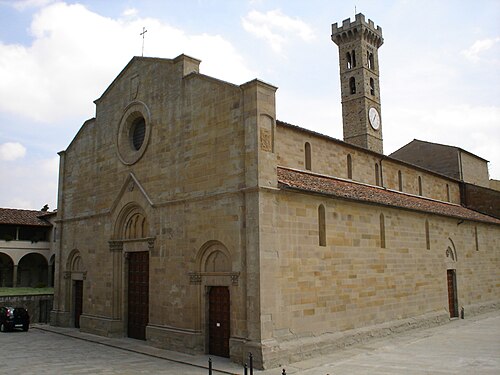
Fiesole Cathedral, known locally as Cattedrale di San Romolo, stands in the hill town of Fiesole overlooking Florence. This historic cathedral serves as the seat of the Diocese of Fiesole and represents a significant religious landmark in the Tuscany region.
Basilica della Santissima Annunziata
The Basilica della Santissima Annunziata is a major Renaissance church in Florence and the centre of the piazza that bears its name.
Basilica di Santa Trinita
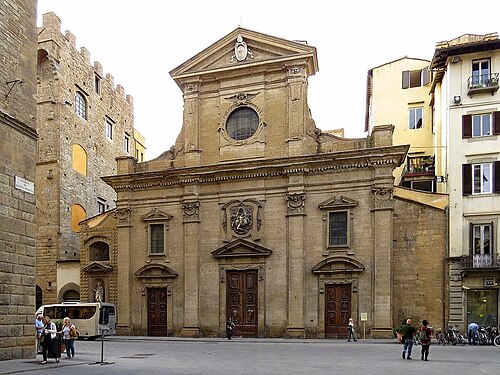
Basilica di Santa Trinita is a Roman Catholic church in central Florence, near the Arno River and Ponte Santa Trinita. The basilica belongs to the Vallumbrosan Order and combines an important religious function with Gothic architecture and major Florentine art.
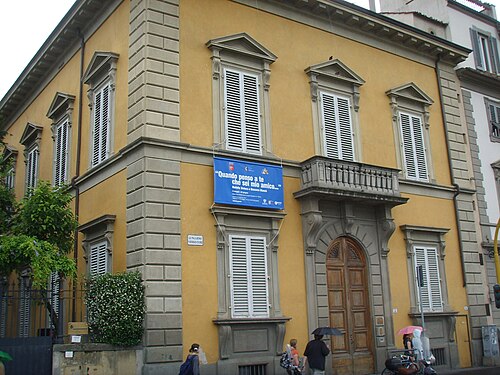
Casa di Dante
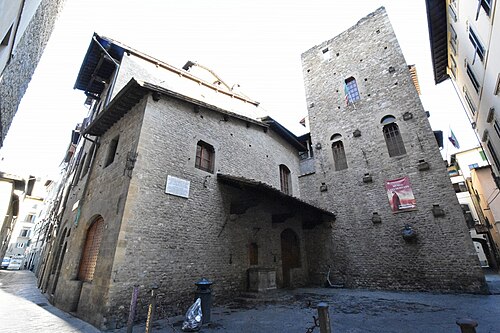
The House of Dante, or Casa di Dante, stands in Florence as a museum dedicated to the life and work of Dante Alighieri, the medieval poet whose Divine Comedy shaped Italian literature.
Fontana del Nettuno
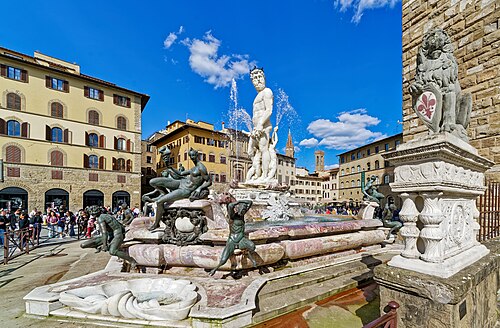
The Fountain of Neptune is a monumental fountain located in the Piazza della Signoria, Florence's central civic square.
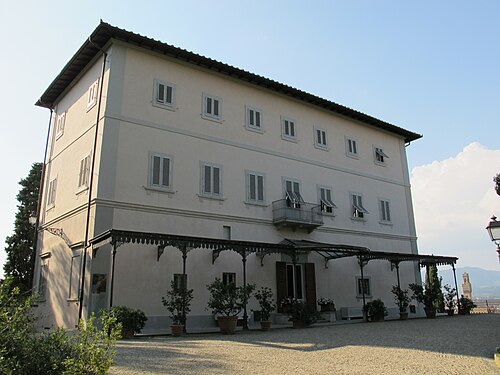
Villa Bardini is a historic villa and garden complex in Florence, situated on a hillside with elevated views across the city. The property encompasses a Baroque villa, extensive terraced gardens, and an orchard.
Museo Annigoni
The Annigoni Museum, or Museo Annigoni, is devoted to Pietro Annigoni, the Florence-based Italian painter known especially for highly detailed portraits. The museum presents his commitment to figurative art during a period when modernist approaches were gaining influence.
Museo Civico Archeologico
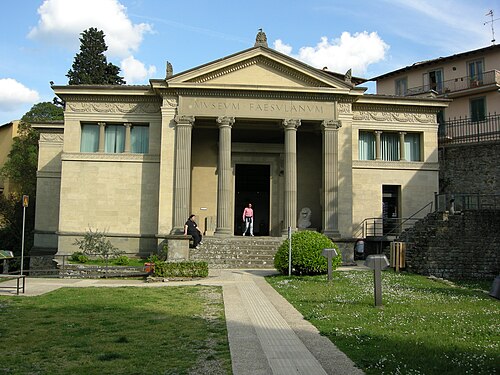
The Archaeological Museum of Fiesole, locally Museo Civico Archeologico, stands in the hill town of Fiesole overlooking Florence. It occupies a purpose-built structure near the ancient Etruscan and Roman archaeological zone.
Giardino dei Semplici
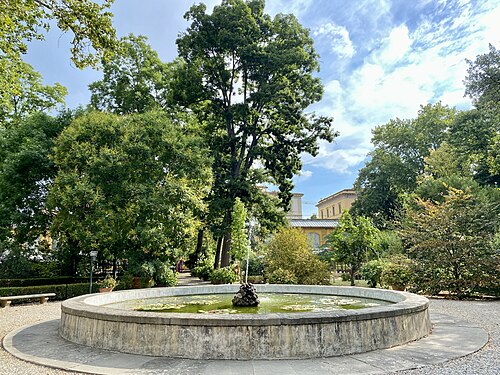
The Botanical Garden of Florence, known as Giardino dei Semplici, is a historic garden operated by the University of Florence. Founded in the sixteenth century, it began as a place for cultivating medicinal plants, or semplici.
Museo Casa Rodolfo Siviero
Casa museo Rodolfo Siviero is a house museum in Florence devoted to Rodolfo Siviero, the art historian and secret agent known for recovering Italian artworks looted during World War II.
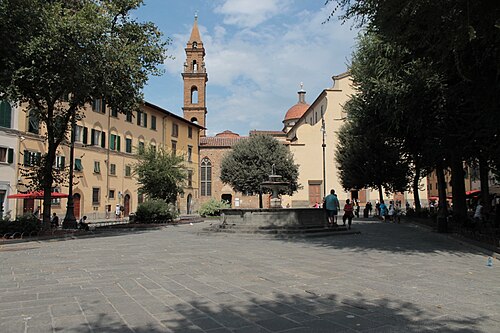
Piazza di Santo Spirito
Piazza Santo Spirito is a lively public square in Florence's Oltrarno district, south of the Arno. The square takes its name from the Basilica di Santo Spirito, the Renaissance church designed by Filippo Brunelleschi on its eastern side.
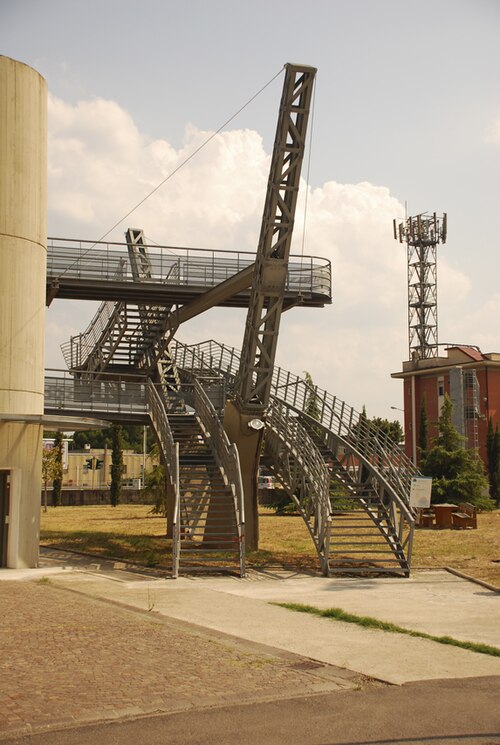
Giardino di Archimede - Un Museo per la Matematica
The Garden of Archimedes, or Giardino di Archimede – Un Museo per la Matematica, is a mathematics museum in Florence. Its purpose is to make mathematical ideas tangible through interactive exhibits and educational displays.
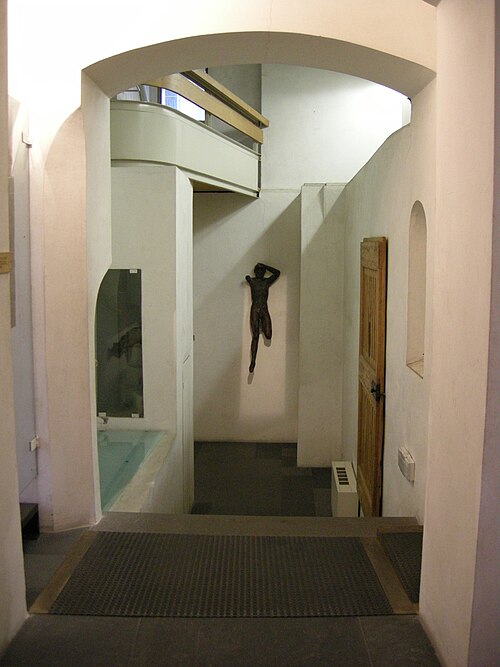
Museo Ebraico di Firenze
The Jewish Museum of Florence, or Museo Ebraico di Firenze, presents the heritage of Florence’s Jewish community. It is associated with the Great Synagogue of Florence and places religious objects, history, and community life within the city’s cultural landscape.
Museo Marino Marini (Chiesa di San Pancrazio)
The Marino Marini Museum occupies the deconsecrated Chiesa di San Pancrazio in central Florence. It is dedicated to the work of Marino Marini, the twentieth-century Italian sculptor and painter.
Collezione Luigi Bellini
The Museo Bellini, locally known as Collezione Luigi Bellini, is a museum in Florence housing the private collection of the Bellini family. It displays artworks and antiquities accumulated over generations by this prominent dynasty of Florentine art dealers and collectors.
Museo dell' Opera di Santa Croce
The Museo dell'Opera di Santa Croce is a museum complex integrated with the Basilica of Santa Croce in Florence. It occupies former monastic spaces including the refectory and other areas adjacent to the famous Franciscan church.
Museo della Misericordia
The Museo della Misericordia is a museum in Florence dedicated to the history of the Venerabile Arciconfraternita della Misericordia, one of the oldest charitable institutions in the city.
Museo fiorentino di preistoria "Paolo Graziosi"
The Museo Fiorentino di Preistoria is a Florence museum dedicated to prehistoric studies. Named after Paolo Graziosi, a significant figure in Italian prehistoric archaeology, it preserves and presents materials related to early human history.
Museo della Fondazione Primo Conti
Museo Primo Conti, also known as Museo della Fondazione Primo Conti, is a specialized Florence museum devoted to the Italian painter Primo Conti.
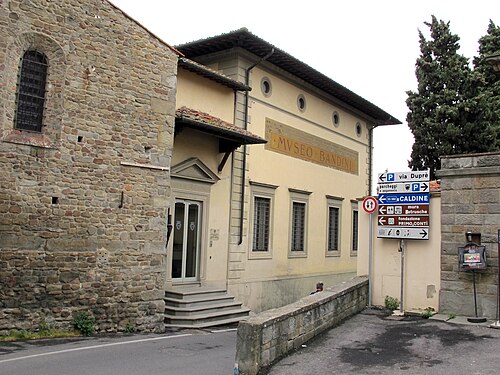
Museo Bandini
Museum Bandini, also known as Museo Bandini, is a Florence museum included within the city's wider cultural landscape. Its local name is useful when reading Italian directions or referring to the museum in the city.
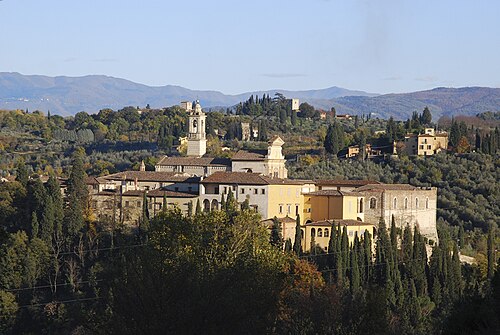
Certosa del Galluzzo
Florence Charterhouse, or Certosa del Galluzzo, is a Carthusian monastery on a hillside south of central Florence. Niccolò Acciaiuoli founded the complex in 1341.
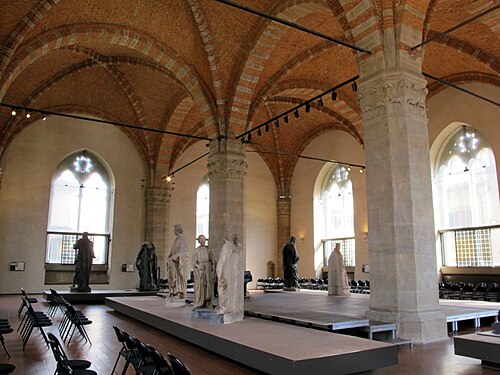
Museo di Orsanmichele
The Museum of Orsanmichele occupies a distinctive building in Florence's historic centre, originally constructed as a grain market in the late thirteenth century before conversion to a church.
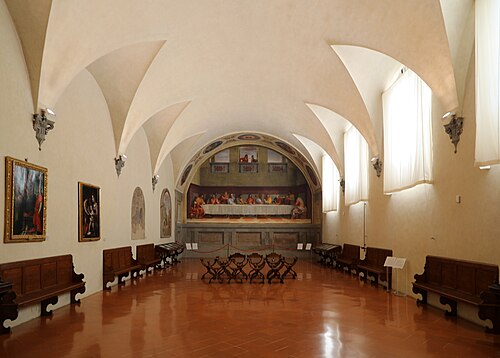
Cenacolo Andrea del Sarto
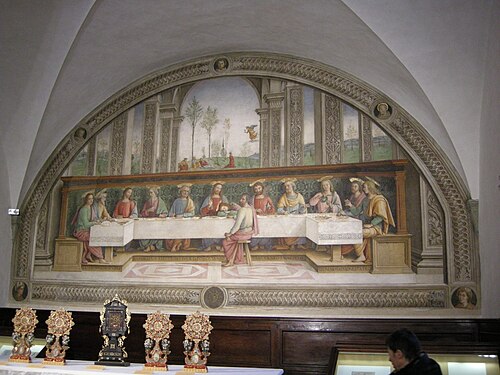
The Museum of the Last Supper of Andrea del Sarto, also called Cenacolo Andrea del Sarto, presents Andrea del Sarto’s Last Supper fresco in Florence.
Museo Archeologico Nazionale di Firenze
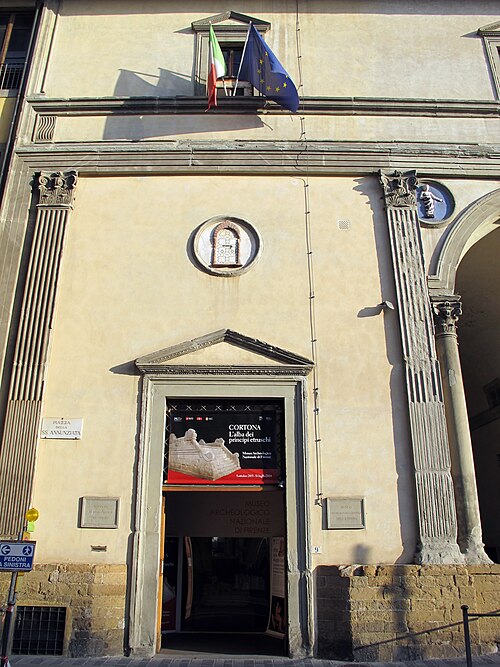
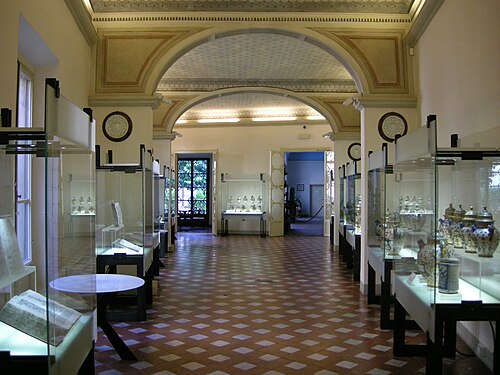
The National Archaeological Museum of Florence, locally known as Museo Archeologico Nazionale di Firenze, stands as one of Italy's principal archaeological institutions. Housed in the Palazzo della Crocetta, the museum preserves extensive collections spanning Etruscan, Roman, Greek, and Egyptian civilizations.
Villa medicea di Castello
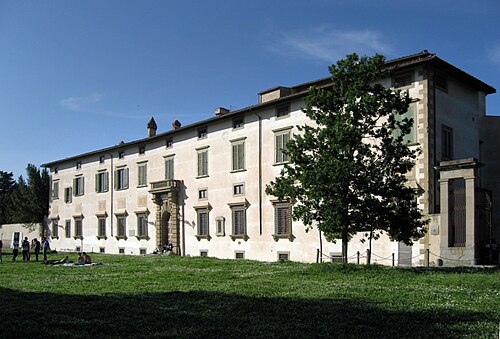
Villa Castello, or Villa medicea di Castello, is a Medici villa on the outskirts of Florence. The property combines Renaissance architecture with a formally designed garden and belongs to the network of rural residences created for the Medici family.
Museo dell'Officina Profumo - Farmaceutica di Santa Maria Novella
Officina di Santa Maria Novella is a historic pharmacy and perfume workshop near Florence’s Santa Maria Novella church complex. Its story is connected with Dominican friars and traditional apothecary practice.
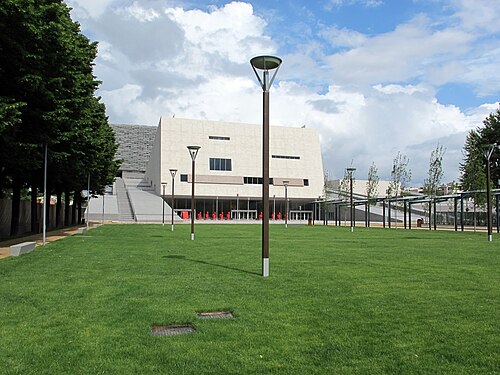
Teatro del Maggio Musicale Fiorentino is Florence’s principal opera house and the home of the Maggio Musicale Fiorentino festival. The modern building opened in 2011 near Cascine park, replacing the former Teatro Comunale.
Cappella de' Pazzi
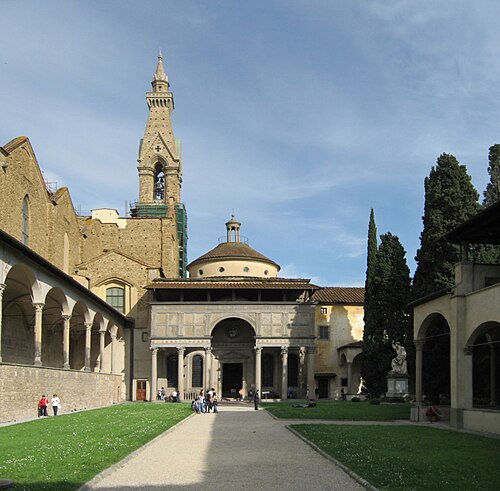
The Pazzi Chapel, locally known as Cappella de' Pazzi, stands as a significant Renaissance religious structure in Florence. Commissioned by the Pazzi family, prominent Florentine bankers, this chapel represents a key architectural work of the early Renaissance period.
Fondazione Salvatore Romano
The Salvatore Romano Foundation is a Florence museum devoted to the art collection assembled by Salvatore Romano. It offers a smaller-scale experience within the city’s exceptionally rich museum landscape.
Oratorio di San Sebastiano de' Bini
San Sebastiano de' Bini, also known as Oratorio di San Sebastiano de' Bini, is a religious oratory in Florence.
Basilica di Sant'Alessandro
Sant'Alessandro is a basilica in Florence, Tuscany, and forms part of the city's long religious and architectural tradition. Its setting makes it a useful stop for travellers who want to see a quieter sacred landmark alongside Florence's better-known Renaissance monuments.
Chiesa di Santo Stefano al Ponte
Santo Stefano al Ponte is a historic church in Florence’s compact centre, close to Ponte Vecchio and the Arno.
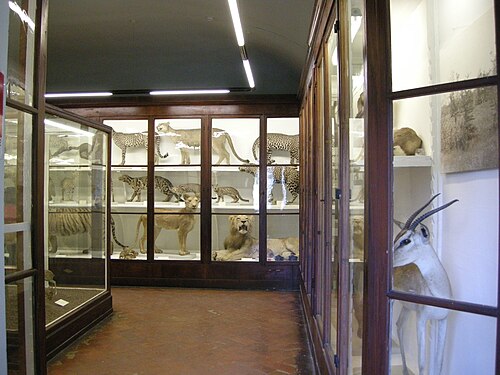
La Specola
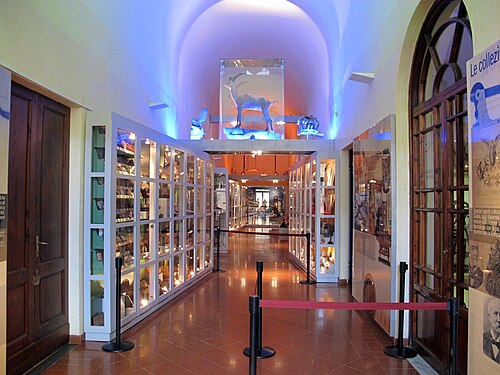
La Specola is the zoological museum of the University of Florence. It brings together scientific heritage, natural-history collections and the history of university teaching in a historic Florentine setting.
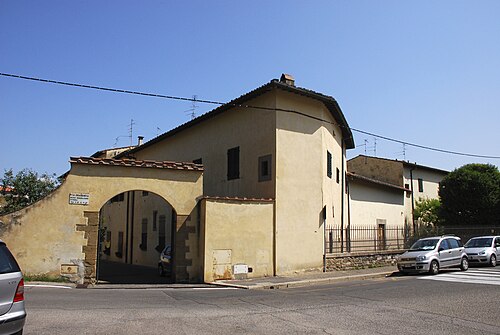
Villa Pandolfini Carducci
Villa Carducci di Legnaia, also known as Villa Pandolfini Carducci, is a historic villa in Florence's Legnaia neighbourhood. It represents the country-house tradition of wealthy Florentine families and reflects the transition between the historic city and its former rural edges.
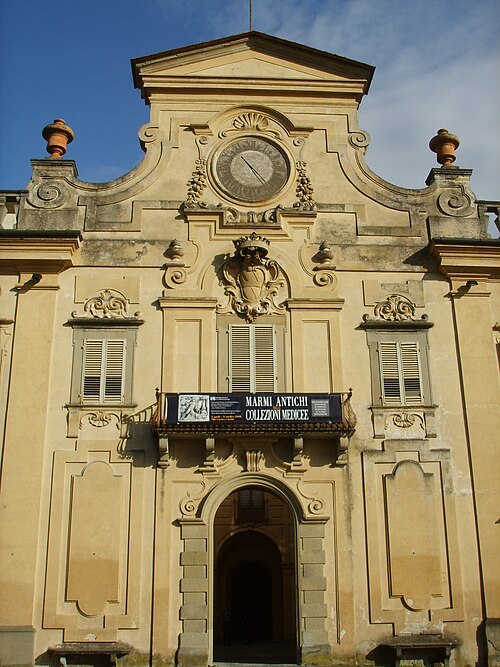
Villa Corsini
Villa Corsini in Castello is a historic villa in Florence’s Castello area.
Giardini di Villa Le Balze A Fiesole
Villa Le Balze is a historic villa and garden estate in Fiesole, on the hills above Florence. The name refers to the area’s cliffs and crags, fitting the property’s steep position above the Arno valley.
Galleria Rinaldo Carnielo
The Galleria Rinaldo Carnielo is a museum in Florence dedicated to the works of Rinaldo Carnielo, an Italian sculptor active in the late 19th and early 20th centuries.
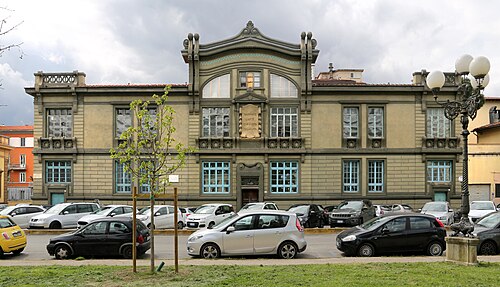
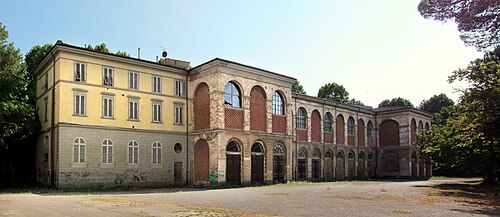
Giardino delle Scuderie Reali e Edificio delle Pagliere is a Florence heritage site combining a garden with buildings linked by name to royal stables and straw-storage functions.
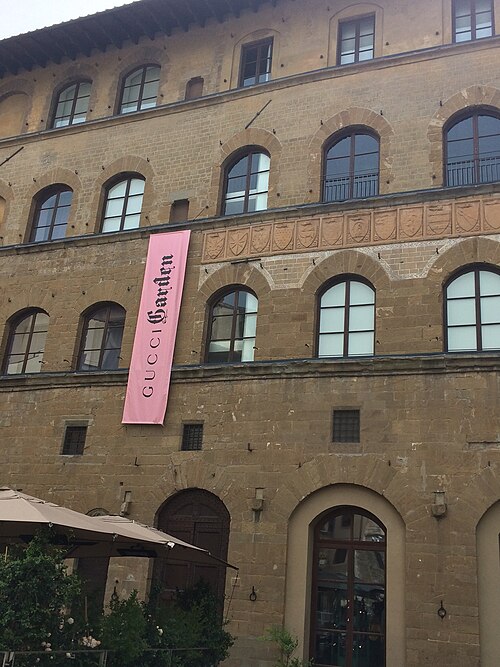
The Gucci Museum presents the history of the Florentine luxury house founded by Guccio Gucci in 1921. Set in the historic Palazzo della Mercanzia near Piazza della Signoria, it connects fashion objects with Florence’s traditions of craftsmanship, commerce, and design.
Museo de’ Medici explores the family whose political power, banking wealth, and artistic patronage shaped Florence and Tuscany.
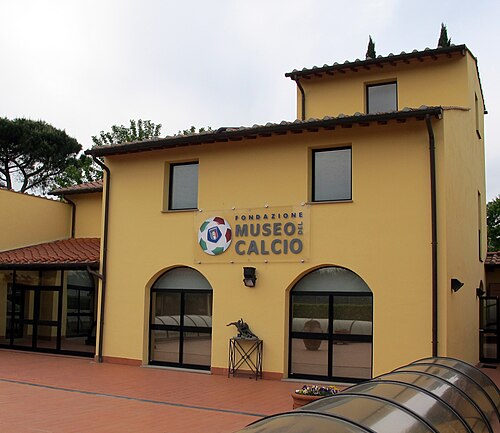
Museo del Calcio is a museum in Florence dedicated to the history of Italian football. The institution preserves and displays artifacts, documents, and memorabilia chronicling the development of calcio in Italy.
Museo di Santa Maria Novella occupies historic convent spaces beside the Basilica of Santa Maria Novella in central Florence. The museum preserves cloisters, chapter rooms, chapels, and other areas once used by the Dominican community.
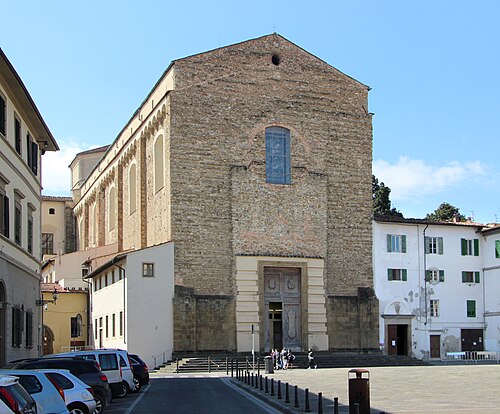
Basilica di Santa Maria del Carmine
Santa Maria del Carmine is a Carmelite church in Florence's Oltrarno district. The basilica dates to the thirteenth century and was rebuilt after a devastating fire in 1771 destroyed much of its interior.
Porta San Giorgio
Porta San Giorgio is a medieval city gate in Florence, located in the Oltrarno district near the Arno River. It forms part of the historic defensive walls that once encircled the city.
Museo Stibbert is a museum in Florence, Italy. It was founded by Frederick Stibbert, a British-born collector who inherited substantial wealth and dedicated his life to amassing art, armour, and decorative objects from across the world.
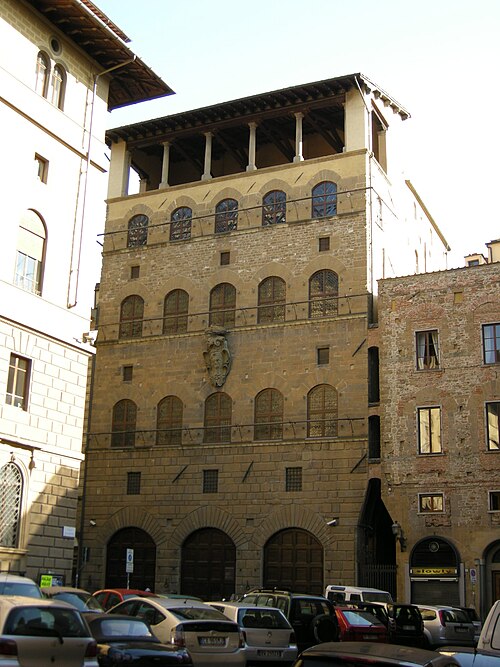
Palazzo Davanzati is a fourteenth-century Florentine palace and museum devoted to medieval and Renaissance domestic life.
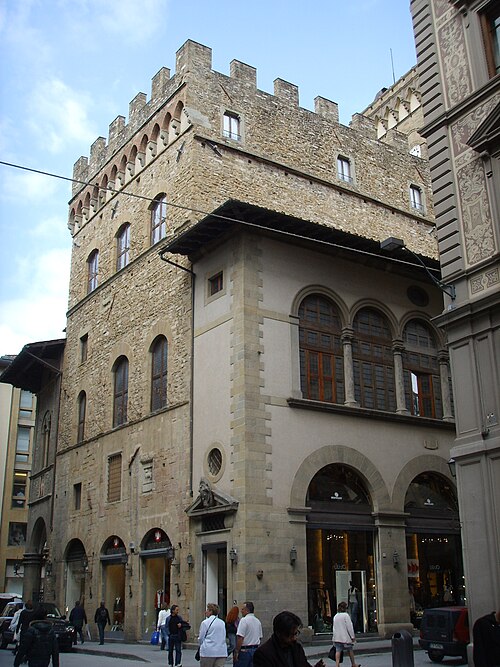
Palazzo dell'Arte della Lana is a historic palace in Florence, Italy, associated with the Wool Merchants' Guild, one of the city's most powerful medieval trade associations.
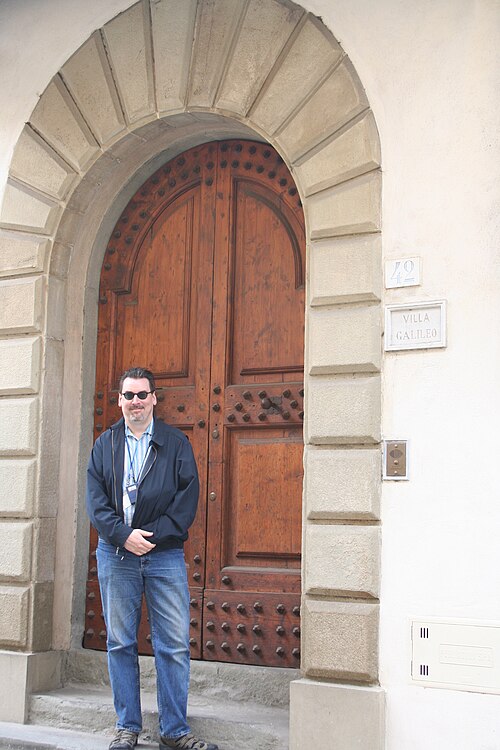
Villa Galileo is a historic residence in Florence associated with Galileo Galilei, the astronomer whose observations changed European ideas about the heavens.
Palazzo Arcivescovile
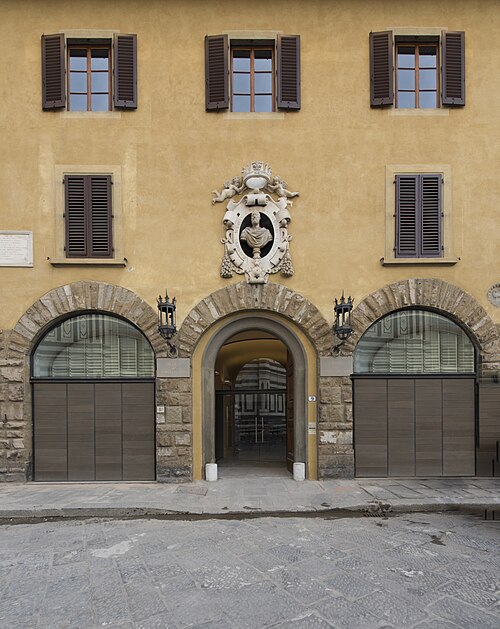
The Archbishop's Palace, known locally as Palazzo Arcivescovile, stands as the historic residence of the Archbishop of Florence. This significant ecclesiastical building occupies a prominent position near the Duomo cathedral complex in the heart of the city.
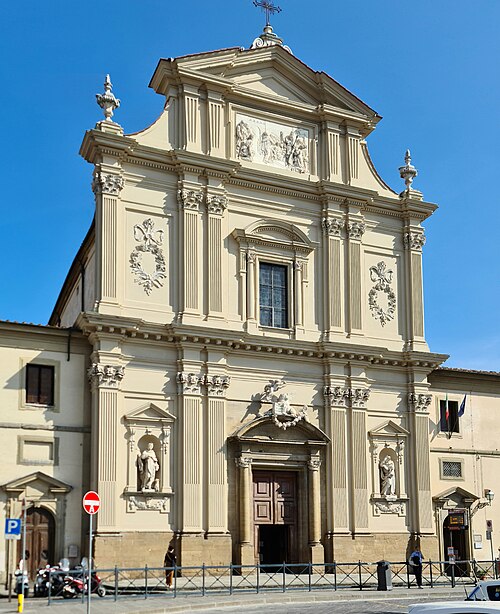
Basilica di San Marco
The Basilica of St. Mark, or Basilica di San Marco, is a historic religious building in Florence. It is distinct from St. Mark’s Basilica in Venice, although both are dedicated to the same patron saint.
Forte di Belvedere
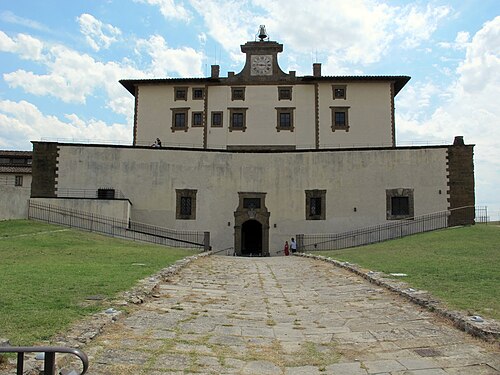
Forte di Belvedere is a Renaissance fortress on the Boboli hill above Florence. Built under Grand Duke Ferdinando I de’ Medici and designed by Bernardo Buontalenti, it served military and residential purposes.
Castello di Bisarno
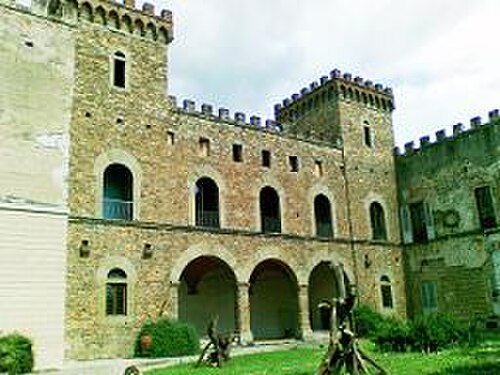
Bisarno Castle, also known as Castello di Bisarno, is a historic castle in the Florence area of Tuscany. It represents the region’s layered relationship with fortified architecture, noble residences, and changing patterns of settlement.
Casa Giorgio Vasari
Casa Giorgio Vasari is a historic house museum in Florence, the former residence of the Renaissance artist, architect, and writer Giorgio Vasari. Located in the city centre, this property served as both his home and studio.
Cenacolo del Fuligno
The Cenacolo di Fuligno, also known as the Cenacolo del Fuligno, is a religious art site in Florence. It houses a significant Renaissance fresco depicting the Last Supper.
Chiesa di San Niccolò Oltrarno
The Church of San Niccolò Oltrarno is a parish church in Florence’s Oltrarno district, south of the Arno River. Its setting places it within a traditionally local part of the city known for artisan streets and neighbourhood life.
Santa Maria a Quinto
The Church of Santa Maria a Quinto is a religious building in Florence and part of the city’s extensive network of churches.
Santa Maria Primerana
Santa Maria Primerana is a historic church in Florence and one of the many sacred buildings that give the city its exceptional concentration of heritage.
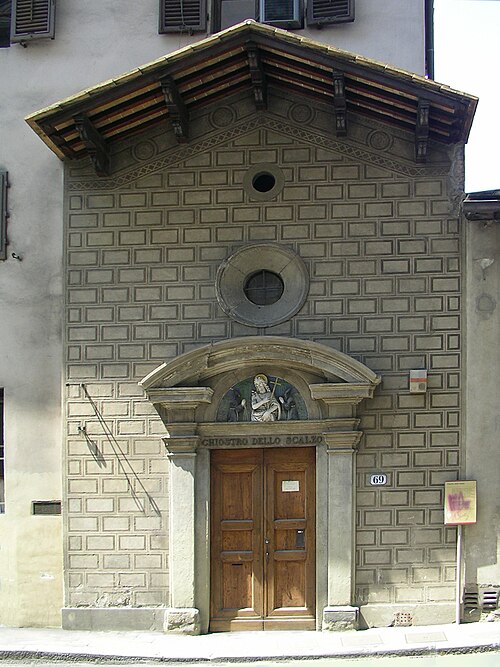
Chiostro dello Scalzo
The Cloister of the Scalzo, or Chiostro dello Scalzo, is a Renaissance cloister in Florence known for Andrea del Sarto’s fresco cycle.
La Fabbrica dei Saperi
Comune vecchio is the local name associated with La Fabbrica dei Saperi in Florence. The name connects the place with an older municipal identity and with the idea of a house of knowledge or learning.
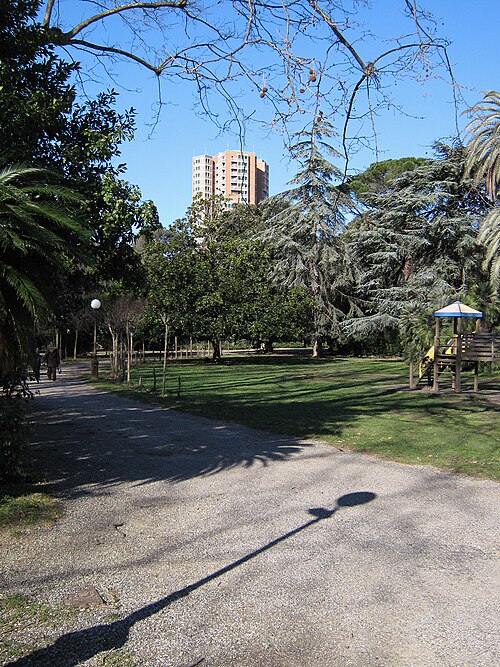
Parco di Villa Fabbricotti is a public park in Florence, set within the grounds of a former private villa.
Fondazione Scienza e tecnica
Fondazione Scienza e Tecnica is a Florence institution devoted to scientific and technological heritage.
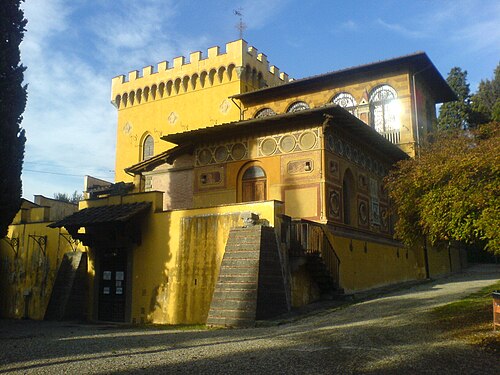
Parco di Villa Stibbert is the landscaped park surrounding Villa Stibbert in northern Florence. The villa is home to the Stibbert Museum, created around Frederick Stibbert’s collection, while the grounds provide the outdoor counterpart to the museum’s historic interiors.
Castello di Montalbano
Montalbano Castle is a historic castle structure in the Florence area, identified in OpenStreetMap as way/305689918. It belongs to Tuscany’s wider landscape of medieval defensive architecture and carries the Montalbano name associated with the region.
Monumento ai Caduti delle Guerre d'Indipendenza
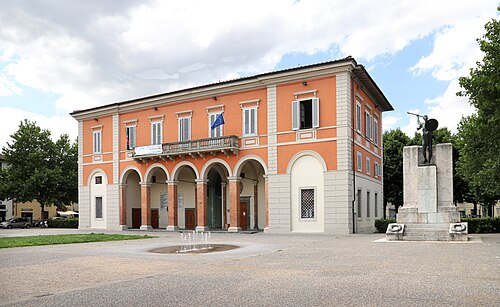
The Obelisk of Piazza dell'Unità Italiana stands beside Florence's Santa Maria Novella railway station.
Palazzo Altoviti Sangalletti
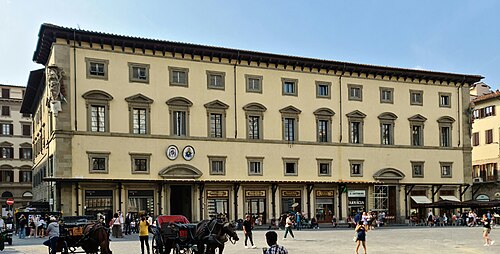
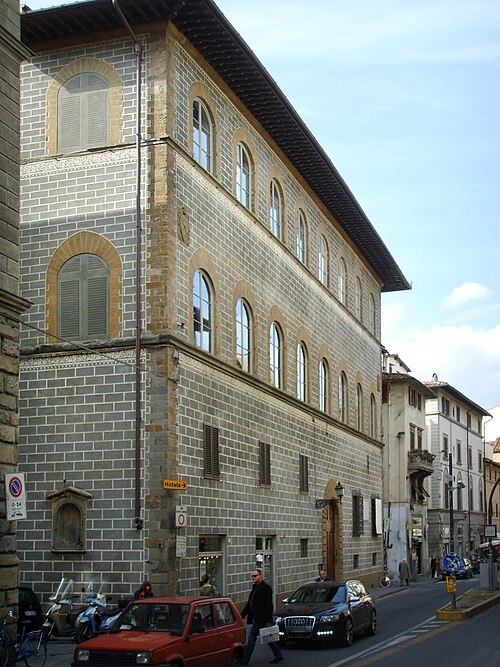
Palazzo Altoviti-Sangalletti is a historic palace in central Florence near the Arno River. Its name links the building with the Altoviti and Sangalletti families and places it within the city’s dense tradition of aristocratic residences.
Palazzo Bardi
Palazzo Busini Bardi, also known locally as Palazzo Bardi, is a historic palace in Florence, Tuscany. It belongs to the city’s dense Renaissance streetscape, where aristocratic residences stand close to churches, civic buildings, shops, and busy pedestrian routes.
Palazzo Tornabuoni
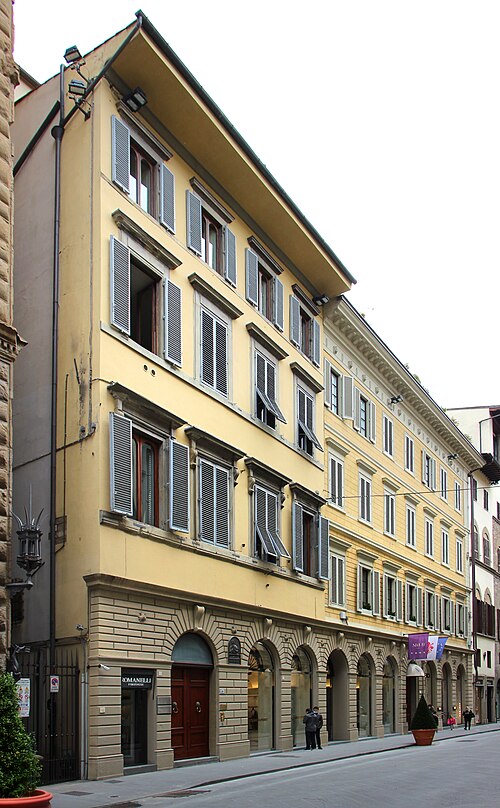
Palazzo Corsi-Tornabuoni, also known as Palazzo Tornabuoni, is a historic palazzo in the centre of Florence. It belongs to the sequence of Renaissance and aristocratic buildings that shape the city’s historic streets.
Palazzo Corsini al Parione
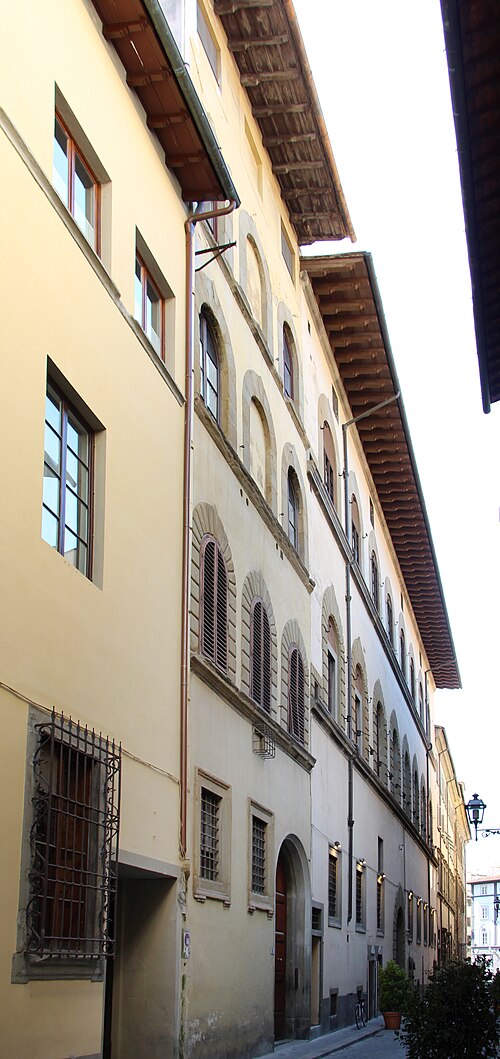
Palazzo Corsini al Parione is a historic palace in central Florence’s Parione district.
Source: OpenStreetMap contributors, Wikidata ·
The cathedral is the clearest central landmark. Piazza della Signoria and the Uffizi lie south toward the Arno, Santa Croce lies east, and Santa Maria Novella lies west near the main station. Cross Ponte Vecchio for the Oltrarno, Palazzo Pitti and the Boboli Gardens. Piazzale Michelangelo sits above the river and should be treated as a separate uphill destination rather than part of a flat centre walk.
Checked 2026-08-26
Walk for most journeys inside the historic centre. Visit Tuscany describes Florence as relatively small and largely pedestrianised, with buses and trams serving places beyond the walking core. The tram also connects selected outer districts and the airport corridor. Restricted traffic zones make driving impractical for many visitors, so use public transport for outlying stops and keep central days on foot.
Checked 2026-08-26
A fixed duration is not recorded. Plan by clusters: the cathedral and civic centre, Santa Croce, Santa Maria Novella, the Oltrarno and any hilltop or day-trip destination.
Yes. The historic centre is compact and largely pedestrianised. Most major central sights can be linked on foot, while outer districts and uphill destinations may need transport.
The Oltrarno contains Palazzo Pitti, the Boboli Gardens and Santo Spirito. Reach it across the central bridges and treat it as a separate neighbourhood cluster.
Yes. Florence uses buses and a tram network for journeys outside the pedestrian core, including selected outer districts and the airport corridor.
Public transport and walking are usually more practical. The historic centre has restricted traffic areas, narrow streets and a layout designed for short pedestrian journeys.