Milan Cathedral
Duomo di Milano
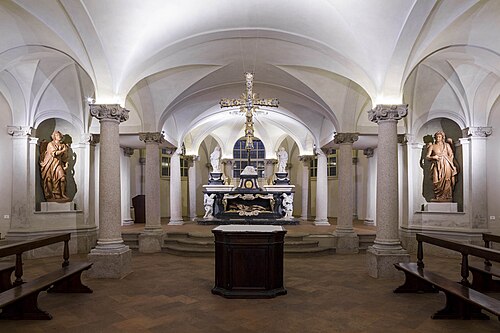
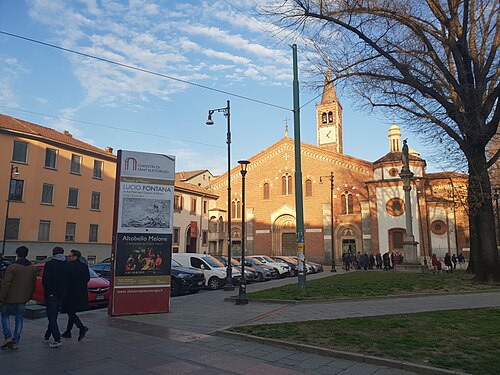
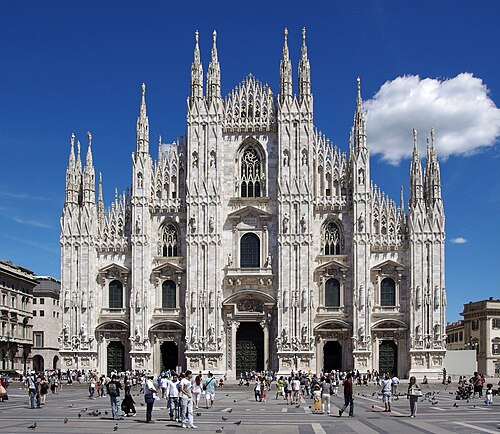
Milan's cathedral was begun in 1386, on ground already occupied by the basilicas of Santa Maria Maggiore and Santa Tecla, whose remains still lie under the square.
- Must see
- Historic monument
Language · 11 published
City guide · Italy
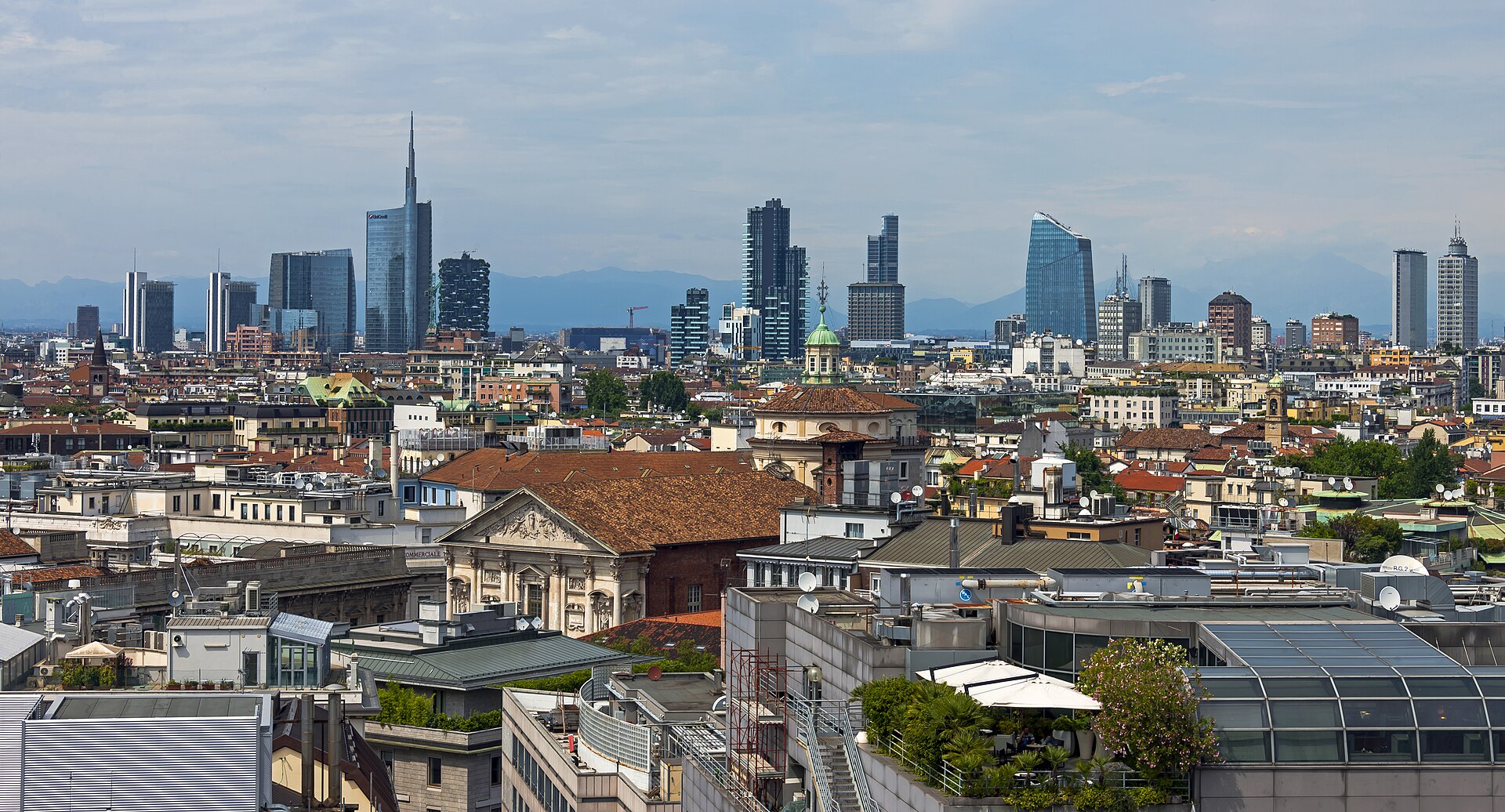
Milan is organised around a compact historic centre, with the Duomo, Galleria Vittorio Emanuele II and La Scala close enough to combine on foot. Brera lies immediately north, the Navigli canals sit to the southwest, and the modern Porta Nuova district rises around Garibaldi station. Longer journeys connect the centre with Santa Maria delle Grazie, San Siro and outer design districts.
Reviewed by Elena Voss · Roavina Travel Editor
Set your days, your pace and the hours you actually want to be out. The planner works around closing days and travel time, and leaves room to eat.
Ranked by importance — sitelinks, pageviews and heritage status, not editor preference.
101 places match
Category
Typical visit duration
Interests
Duomo di Milano
Milan's cathedral was begun in 1386, on ground already occupied by the basilicas of Santa Maria Maggiore and Santa Tecla, whose remains still lie under the square.
Galleria Vittorio Emanuele Secondo
The Galleria Vittorio Emanuele II is a historic shopping arcade in central Milan, Italy. Named after the first king of unified Italy, it opened in 1877 and represents one of Europe's oldest covered shopping galleries.
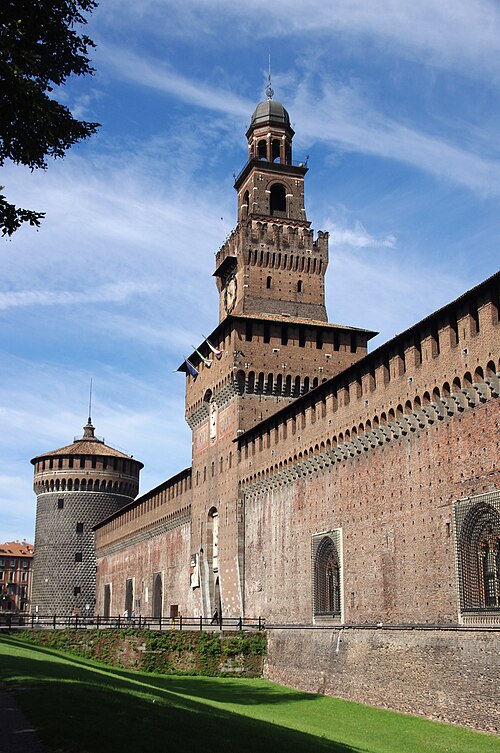
Castello Sforzesco
Castello Sforzesco is a brick fortress in the middle of Milan that has been a ducal palace, a foreign garrison and, for the last century, the city's own museum complex.
Santa Maria delle Grazie is a Dominican convent church in central Milan, designated a UNESCO World Heritage Site jointly with Leonardo da Vinci's Last Supper housed within its refectory.
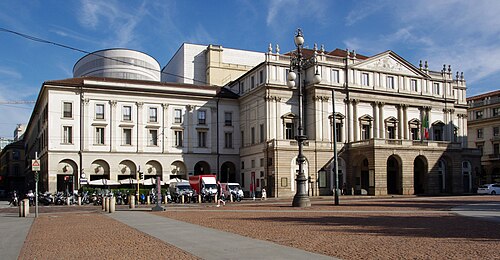
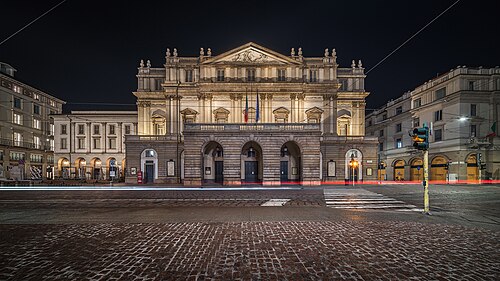
Teatro alla Scala
Teatro alla Scala is Milan's opera house, and the block it occupies on Piazza della Scala is two visitable things at once: a working theatre with a season that sells out, and a museum inside the same walls that anyone…
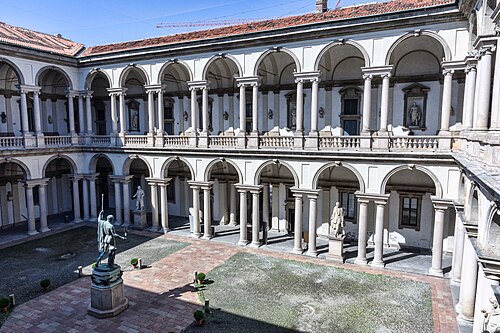
The Pinacoteca di Brera is Milan's principal public gallery of paintings, on the upper floor of Palazzo Brera in the streets north of the Duomo.
Museo Nazionale della Scienza e della Tecnologia
The Museo Nazionale della Scienza e della Tecnologia "Leonardo da Vinci" is Italy's largest science and technology museum. Housed in a former Olivetan monastery, the institution honors Leonardo da Vinci's legacy as both artist and inventor.
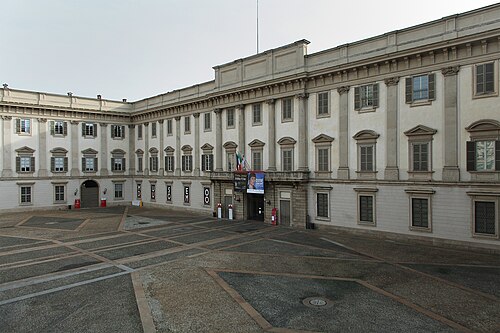
Palazzo Reale
The Royal Palace of Milan, known locally as Palazzo Reale, stands as a major historic palace in the centre of Milan.
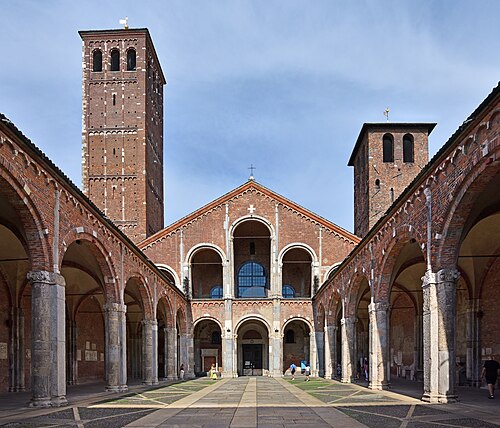
Basilica di Sant'Ambrogio
The Basilica of Sant'Ambrogio is a historic church in Milan and one of the most ancient in the city. Founded by Saint Ambrose in 379 AD, it was rebuilt in the Romanesque style during the eleventh and twelfth centuries.
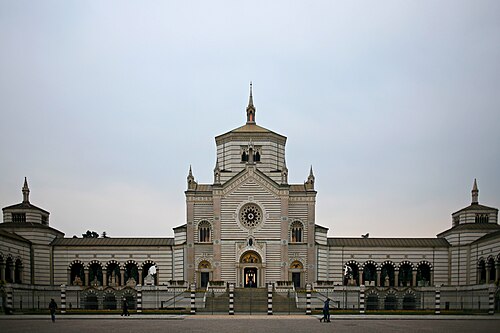
Cimitero Monumentale
Cimitero Monumentale is Milan’s monumental cemetery and an open-air collection of sculpture, architecture and memorial art. Founded in 1866, it remains an active burial ground while welcoming visitors interested in Italian artistic heritage.
Ultima Cena
Il Cenacolo Vinciano is a one-room state museum built around a single wall.
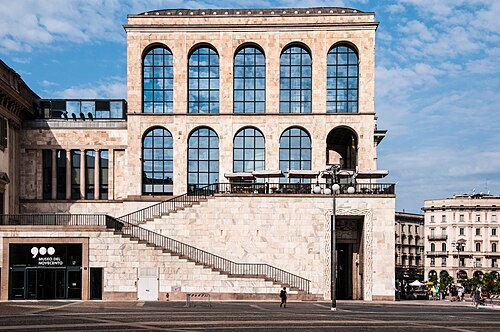
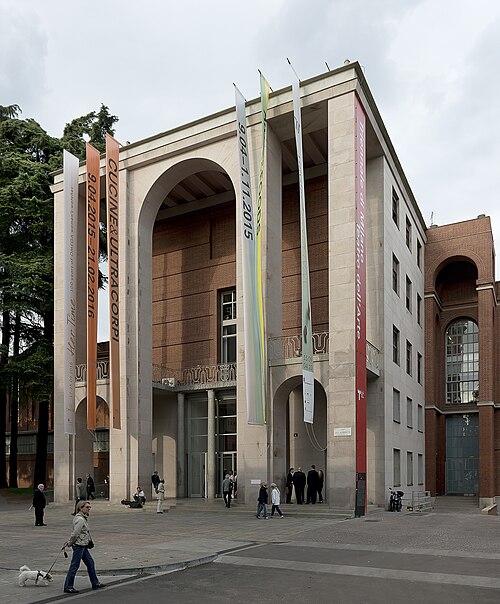
The Museo del Novecento occupies the Palazzo dell'Arengario at Piazza Duomo 8, the civic building on the south side of the cathedral square, and shows more than three hundred works selected from the four thousand-odd pieces of twentieth- and twenty-first-century…
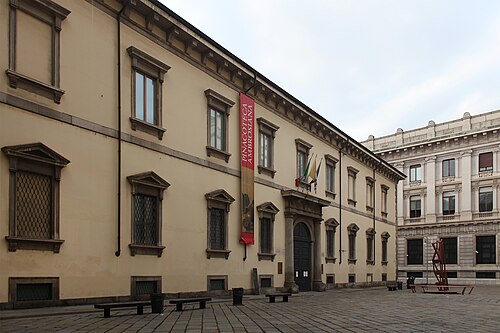
The Pinacoteca Ambrosiana is a historic art gallery and library in central Milan, founded in the early seventeenth century by Cardinal Federico Borromeo. It houses the Biblioteca Ambrosiana, one of Italy's oldest public libraries, alongside its picture gallery.
Gallerie d'Italia
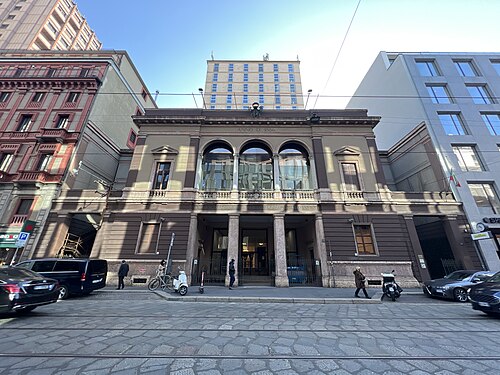
Gallerie d'Italia is a museum complex in central Milan housed in historic palace buildings. It forms part of the Intesa Sanpaolo cultural project. The institution occupies the Palazzo Beltrami and adjacent structures facing Piazza della Scala.
Mudec
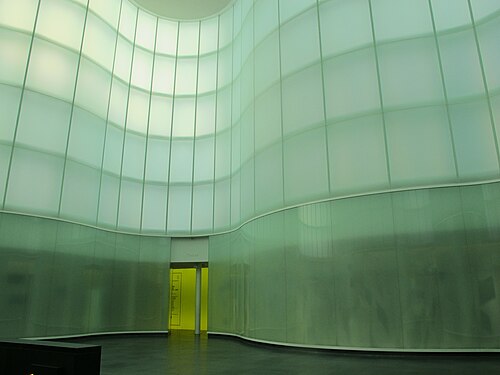
MUDEC, the Museum of Cultures, is a contemporary Milan museum devoted to cultures from around the world.
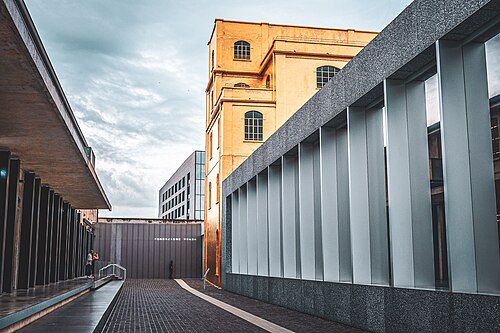
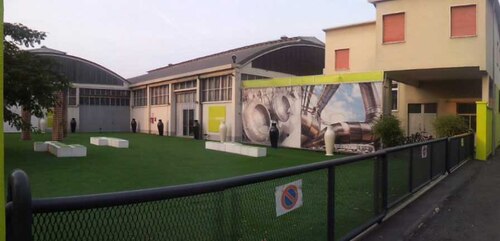
Fondazione Prada is a contemporary art and cultural institution in Milan established by the Prada fashion house. It occupies a former industrial site that was transformed into an architectural complex.
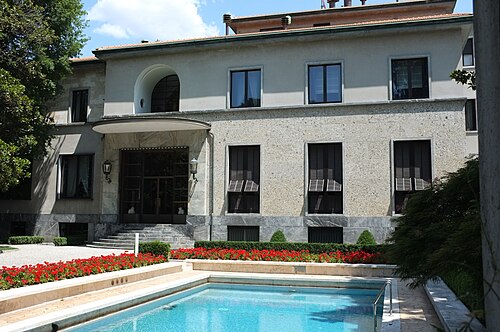
Villa Necchi Campiglio is a Milan house museum designed by Piero Portaluppi between 1932 and 1935. Built for the Necchi Campiglio family, it preserves a refined example of Milanese rationalist architecture and twentieth-century domestic life.
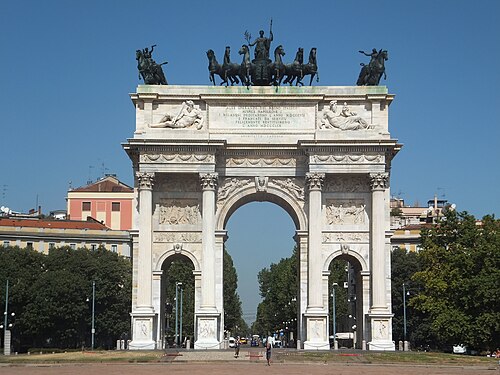
Arco della Pace
The Arco della Pace is a neoclassical triumphal arch in Milan, standing at the edge of Parco Sempione near the historic centre.
Museo Poldi Pezzoli is a historic house museum in central Milan. It originated as the private residence and collection of Gian Giacomo Poldi Pezzoli, a 19th-century Milanese nobleman who bequeathed his home and artworks to the public.
Museo Bagatti Valsecchi
The Bagatti Valsecchi Museum is a historic house museum in central Milan.
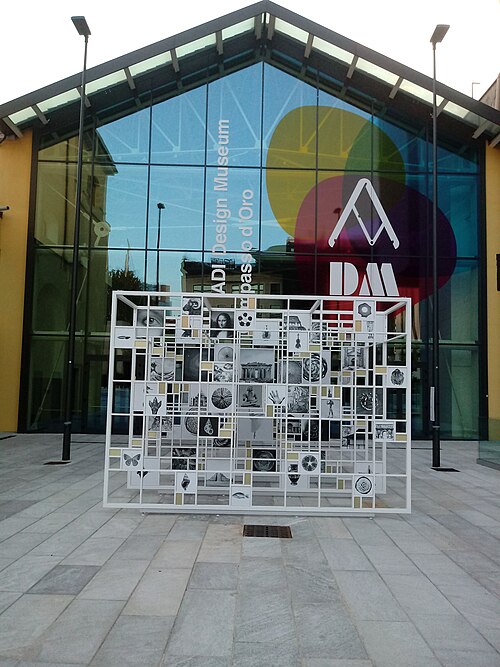
The ADI Design Museum is a museum in Milan dedicated to Italian design excellence. It is operated by ADI, the Italian Association for Industrial Design, and showcases winners of the prestigious Compasso d'Oro award.
Galleria d'Arte Moderna
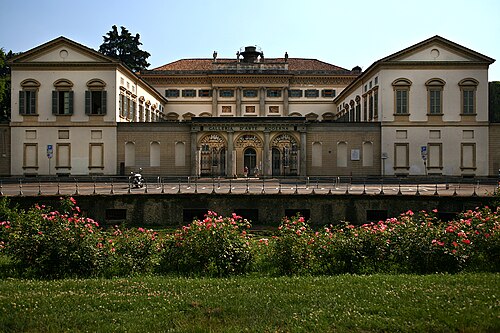
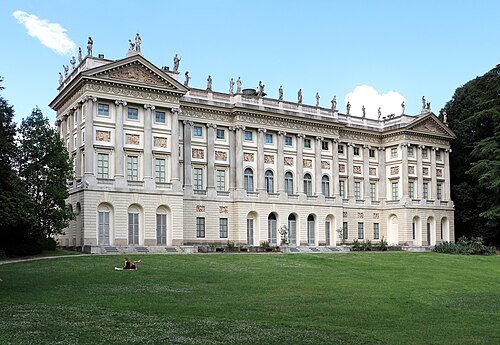
Galleria d'Arte Moderna di Milano is a municipal art museum in Milan, Italy. It occupies the Villa Belgiojoso Bonaparte, a neoclassical palace dating to the late eighteenth century.
Museo di Storia Naturale
Museo Civico di Storia Naturale di Milano is Milan’s natural history museum, commonly called Museo di Storia Naturale. It brings together zoology, botany, geology and paleontology in a historic museum setting near the city centre.
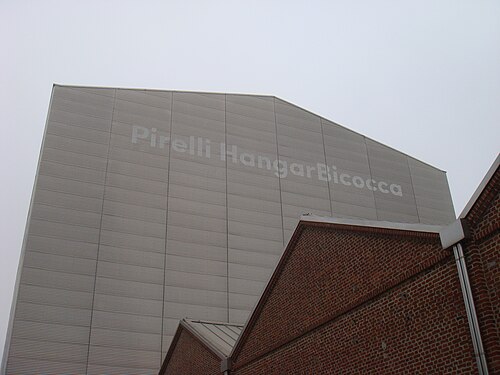
Pirelli HangarBicocca is a non-profit contemporary art foundation in a former locomotive-manufacturing plant in Milan's Bicocca district. The institution opened in 2004 and occupies approximately 15,000 square metres on one ground-level floor.
Chiesa di San Bernardino alle Ossa
San Bernardino alle Ossa is a historic church in central Milan, Italy. Its local name is Chiesa di San Bernardino alle Ossa.
Acquario Civico
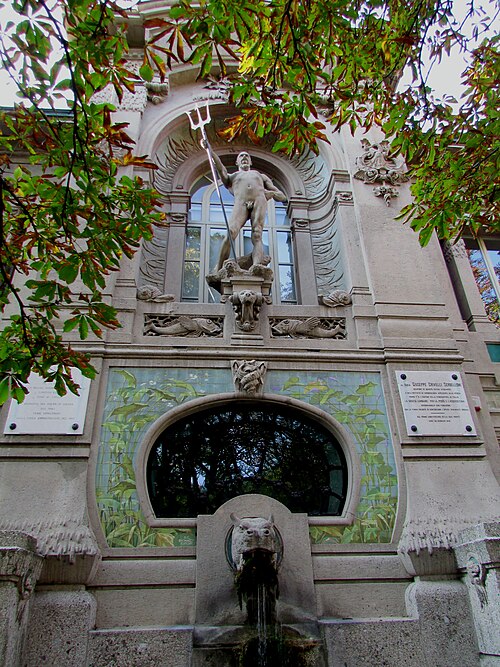
The Civic Aquarium of Milan, known locally as Acquario Civico, stands as a historic zoological institution in northern Italy's largest metropolitan area. Established in the early twentieth century, this architectural landmark occupies a prominent position within Milan's urban fabric.
Museo Teatrale alla Scala is the museum devoted to the history of opera, ballet and theatre connected with Milan’s Teatro alla Scala.
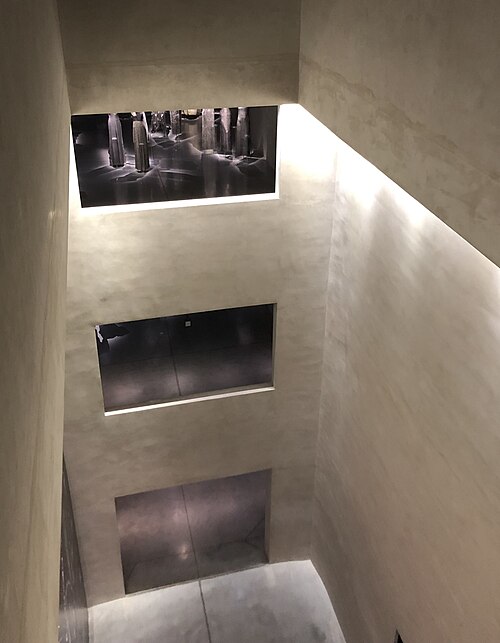
Armani/Silos is a fashion museum in Milan dedicated to the work of Italian designer Giorgio Armani. Opened in 2015, it occupies a former industrial building in the Tortona district that was originally constructed in 1950 as a granary.
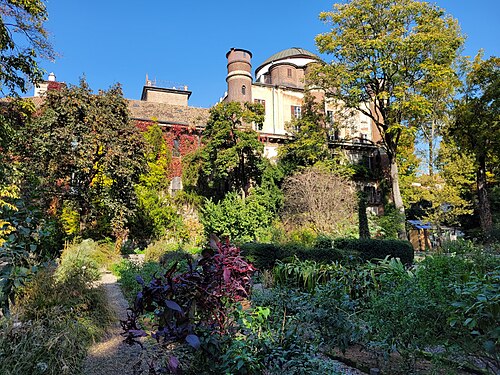
Orto Botanico di Brera is a historic botanical garden in Milan’s Brera district. Founded in 1774 under Maria Theresa of Austria, it was created as an academic setting for cultivating medicinal plants and supporting pharmaceutical education.
Studio Museo Achille Castiglioni
Fondazione Achille Castiglioni is a studio-museum dedicated to the influential Italian industrial designer Achille Castiglioni, located in Milan.
Villa Reale
The Royal Villa of Milan, known locally as Villa Reale, stands as a significant historic estate in Milan. This distinguished property reflects aristocratic heritage and architectural importance within the city's cultural landscape.
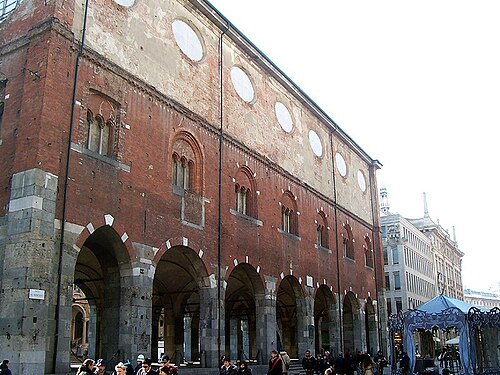
Palazzo della Ragione is a medieval civic building in Piazza dei Mercanti, immediately beside Milan’s cathedral district. Dating from the thirteenth century, it served as Milan’s broletto, a center for courts, public administration, and communal government.
Civico museo archeologico di Milano
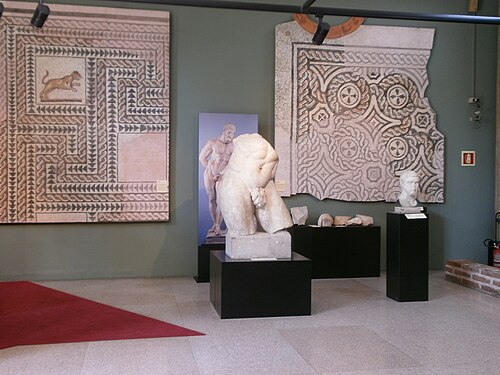
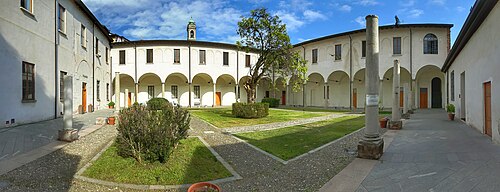
The Archaeological Museum of Milan, locally named Civico museo archeologico di Milano, preserves and presents archaeological collections relevant to the city's ancient history. Housed within a historic monastic complex, the institution serves as a municipal museum under civic administration.
AEMuseum is a named museum point of interest in Milan.
Museo dei Mobili e delle Sculture Lignee
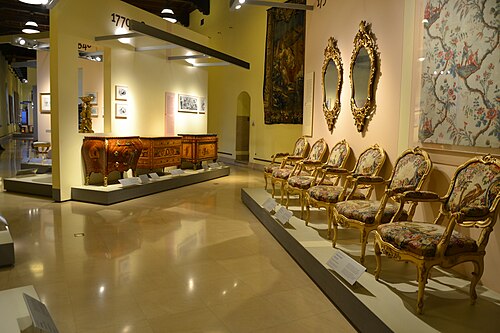
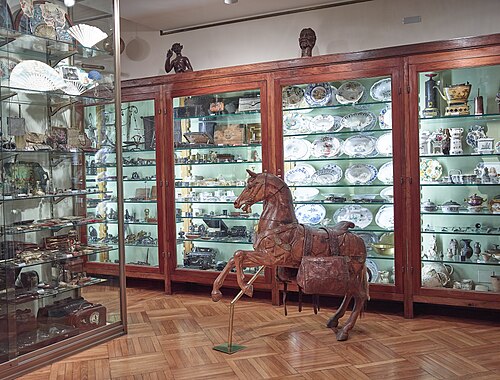
The Antique Furniture & Wooden Sculpture Museum, also known as Museo dei Mobili e delle Sculture Lignee, is a Milan museum devoted to furniture and sculpture made from wood.
Museo Diocesano di Milano
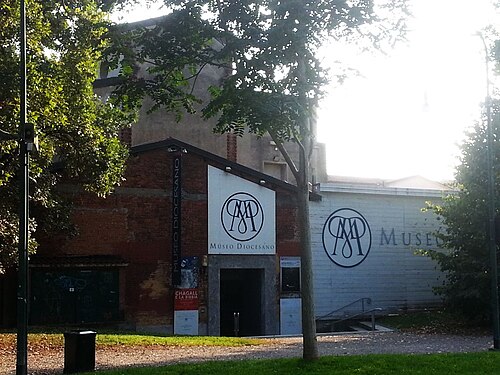
The Diocesan Museum of Milan is an ecclesiastical museum operated by the Archdiocese of Milan. It occupies a historic site near the Basilica of Sant'Eustorgio in the Portinari Chapel area.
Grande Museo del Duomo di Milano
The Grande Museo del Duomo di Milano is the museum dedicated to Milan's iconic cathedral. It preserves and displays artifacts related to the Duomo's six-century construction history, including sculptures, paintings, stained glass, and architectural fragments.
Museo Egizio
The Egyptian Museum of Milan, known locally as Museo Egizio, is a museum dedicated to Egyptian antiquities and archaeology. It adds an Egyptology-focused stop to Milan’s better-known art, design, and fashion itinerary.
Museo storico dei vigili del fuoco di Milano
The Historical Fire Brigade Museum of Milan preserves the story of firefighting in Italy’s second-largest city. The collection connects Milan’s local fire-service history with the wider Corpo Nazionale dei Vigili del Fuoco, Italy’s national fire and rescue service.
Leonardo3 Museum - Il Mondo di Leonardo
Leonardo3 Museum - Il Mondo di Leonardo is an interactive museum in Milan dedicated to Leonardo da Vinci's work as inventor, engineer, scientist and artist.
Museo del viaggio Fabrizio De André
The Museum Fabrizio De André, also known as Museo del viaggio Fabrizio De André, is a Milan stop dedicated to the life, music and cultural legacy of the Italian singer-songwriter.
Museo degli Strumenti Musicali
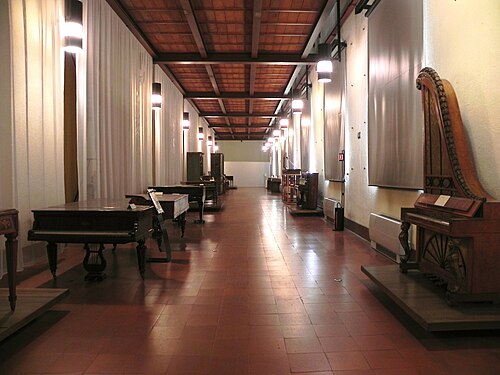
The Museum of Musical Instruments, or Museo degli Strumenti Musicali, is a Milan cultural stop devoted to musical heritage and instrument design. The collection helps visitors follow how musical tools developed across historical periods and how craftsmanship shaped sound.
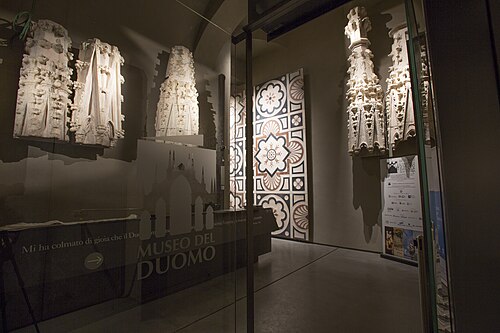
Museo del Risorgimento
The Museum of the Risorgimento in Milan documents Italy's unification movement from 1796 to 1870.
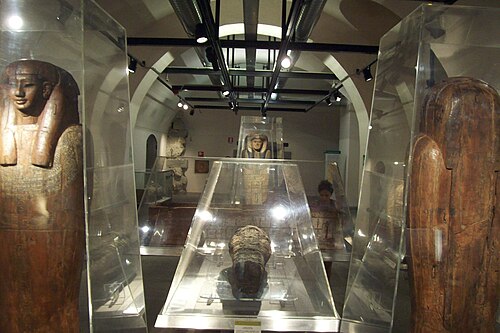
Museo San fedele
Museo San Fedele is a cultural museum within Milan’s historic San Fedele complex, beside the church of the same name.
The Museo della Basilica di Sant'Ambrogio is a museum located within the historic Basilica di Sant'Ambrogio complex in Milan. The basilica itself is one of the city's most ancient and significant churches, founded by Saint Ambrose in the fourth century.
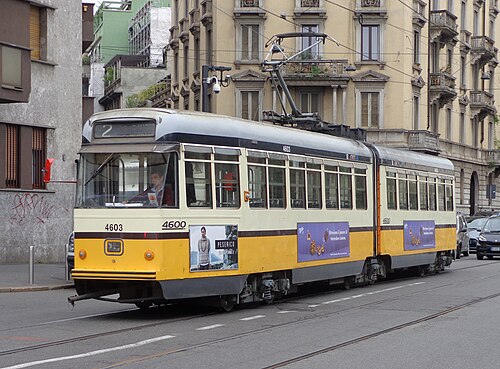
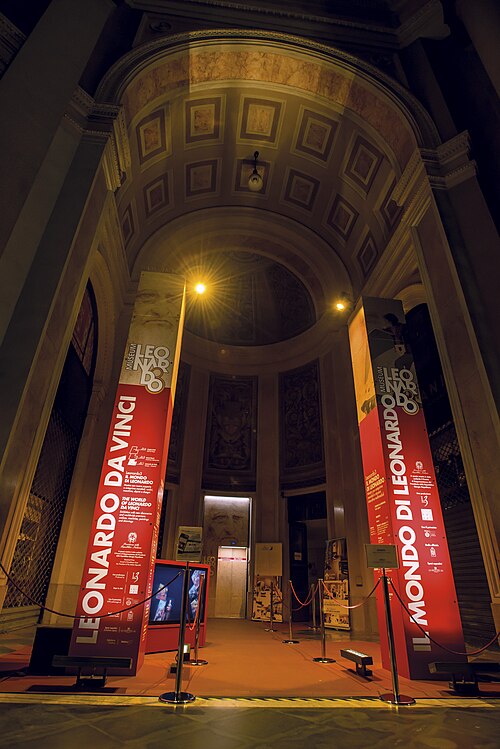
Castello di Macconago
Castle of Macconago, also known locally as Castello di Macconago, is a historic castle in the Milan area. Its fortified character connects the site with Lombardy’s tradition of defensive buildings and noble residences.
Museo delle Arti Decorative
The Applied Arts Collection of Milan, known locally as the Museo delle Arti Decorative, is a museum dedicated to decorative and applied arts within the city.
Museo Astronomico di Brera
Brera Astronomical Observatory is a historic scientific institution in Milan’s Brera district. Known locally as Museo Astronomico di Brera, it forms part of the Palazzo di Brera complex, alongside the Pinacoteca di Brera and other cultural institutions.
Casa degli artisti
Casa degli Artisti is a historic artists’ house in Milan and a cultural venue devoted to creative work and artistic residence.
Casa-museo Boschi Di Stefano is a house museum in Milan preserving the former residence of collectors Antonio Boschi and Marieda Di Stefano. The couple amassed a significant collection of twentieth-century Italian art, which they donated to the city.
The Civica raccolta delle stampe Achille Bertarelli is a civic print collection in Milan, Italy. Named after its founder Achille Bertarelli, this institution preserves and displays historical prints, engravings, and related graphic works.
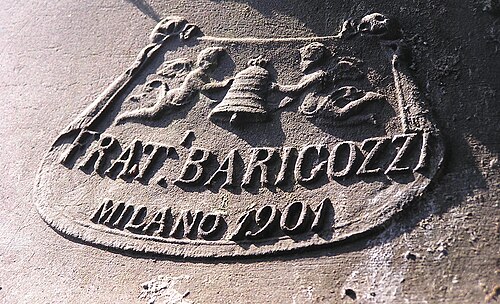
Fonderia Napoleonica Eugenia
Fonderia Barigozzi, also known locally as Fonderia Napoleonica Eugenia, is a historic foundry site in Milan. It offers a glimpse into the city’s industrial past, when skilled metalworkers and manufacturing businesses formed an important part of Milan’s urban life.
Galleria d'Arte Sacra dei Contemporanei is a Milanese gallery devoted to contemporary sacred art. It brings religious themes into conversation with modern artistic practice, offering a focused alternative to the city’s better-known Renaissance, Baroque and modern-art collections.
Casa Manzoni
House Manzoni, also known as Casa Manzoni, is the historic Milan residence of Alessandro Manzoni. The novelist and poet is one of Italy's major nineteenth-century literary figures and the author of The Betrothed.
Museo d'arte Paolo Pini
MAPP Museo d'Arte Paolo Pini is a Milan museum dedicated to art and identified locally as Museo d'arte Paolo Pini. It broadens the city's cultural landscape beyond internationally famous museums and landmark collections.
Antiquarium Alda Levi
Milan Antiquarium, also known as Antiquarium Alda Levi, is an archaeological museum devoted to the material history of Milan and its surrounding area. It preserves objects that connect the modern city with earlier communities and successive periods of occupation.
Studio Museo Francesco Messina
Museo Francesco Messina, also known as Studio Museo Francesco Messina, is a Milan museum devoted to the twentieth-century Italian sculptor Francesco Messina. The museum occupies the artist’s former studio, giving the visit a close connection with his working environment.
Museo della Macchina da Scrivere
Museo Macchina da Scrivere is a specialist Milan museum devoted to typewriters and other writing machines. Its focus makes it a distinctive stop for visitors interested in industrial design, mechanical engineering, office technology, and the history of communication.
Museo Mangini Bonomi is a museum in Milan and a suitable stop for travelers exploring the city’s heritage beyond its best-known landmarks. The museum belongs to Milan’s cultural landscape and offers a more focused setting than the city’s largest institutions.
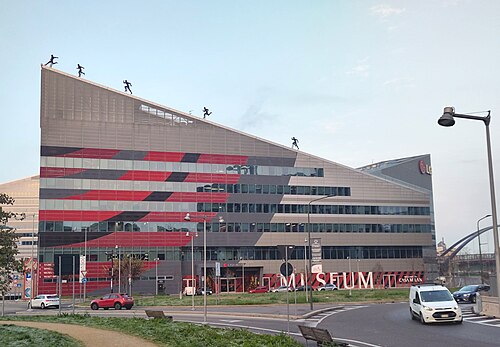
Museo Mondo Milan is a museum dedicated to the history and culture of AC Milan, one of Italy's most storied football clubs.
Zambon
Museo Zambon is a museum in Milan, identified by the local name Zambon. It belongs to the city’s broad cultural landscape and offers travelers another named destination to consider beyond Milan’s most famous museums.
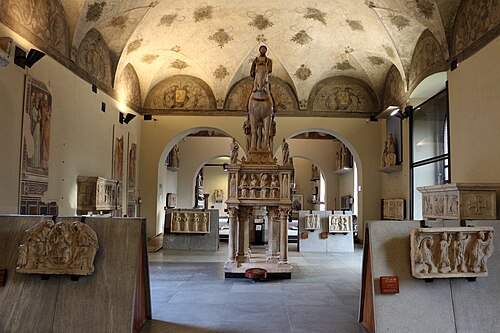
Museo d'Arte Antica is a museum in Milan dedicated to ancient and medieval art. It forms part of the Sforza Castle complex, one of the city's most significant historical monuments.
Museo d'arte e scienza
Museo d'Arte e Scienza is a Milan museum whose name brings together two ways of looking at the world: artistic expression and scientific understanding.
The Museo delle pentole nella storia is a museum in Milan dedicated to pots and cookware throughout history. Its Italian name translates to Museum of Pots in History.
Museo della basilica di Sant'Eustorgio
Museo di Sant'Eustorgio is housed within the Basilica di Sant'Eustorgio, one of Milan's important historic religious complexes.
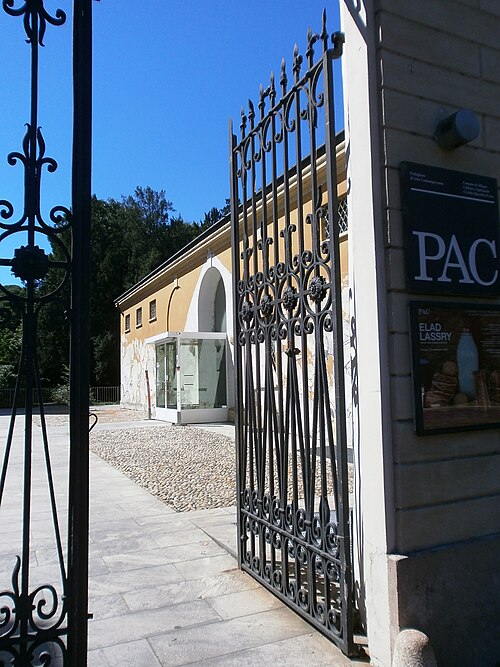
Padiglione d'Arte Contemporanea is a contemporary art exhibition space in Milan, Italy. Known locally by the same name, it serves as a venue for modern and contemporary artistic presentations.
Palazzo Citterio - Grande Brera
Palazzo Citterio is a historic palace in Milan's Brera district, also associated with the name Palazzo Citterio - Grande Brera. Its importance lies in its place within one of the city's strongest concentrations of art, architecture, and cultural institutions.
Palazzo Morando - Costume Moda Immagine
Palazzo Morando is a historic palace in Milan housing a costume and fashion museum.
Triennale Design Museum
Palazzo dell'Arte Bernocchi, locally known as Triennale Design Museum, stands as a significant cultural institution in Milan dedicated to Italian design excellence. Housed within a distinctive architectural setting, the museum occupies a prominent position in the city's cultural landscape.
Pinacoteca del Castello Sforzesco is the art gallery housed within Milan's historic Castello Sforzesco, a fifteenth-century fortress built by Francesco Sforza, Duke of Milan.
Museo Pietà Rondanini
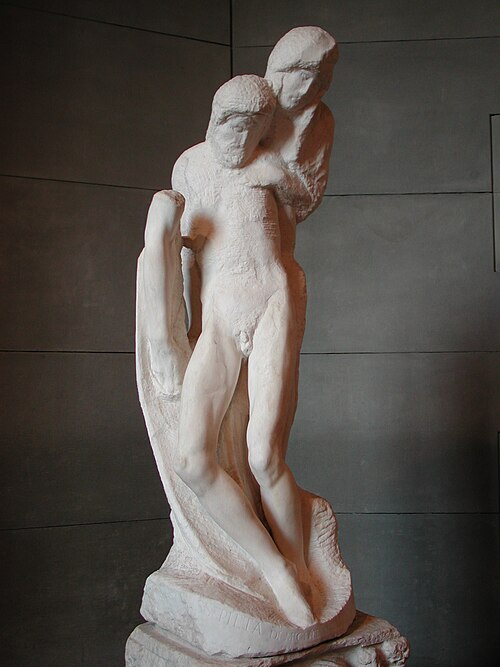
The Rondanini Pietà is a late unfinished marble sculpture by Michelangelo Buonarroti, housed in the Sforza Castle complex in Milan. The work depicts the Virgin Mary supporting the body of Christ after the Crucifixion.
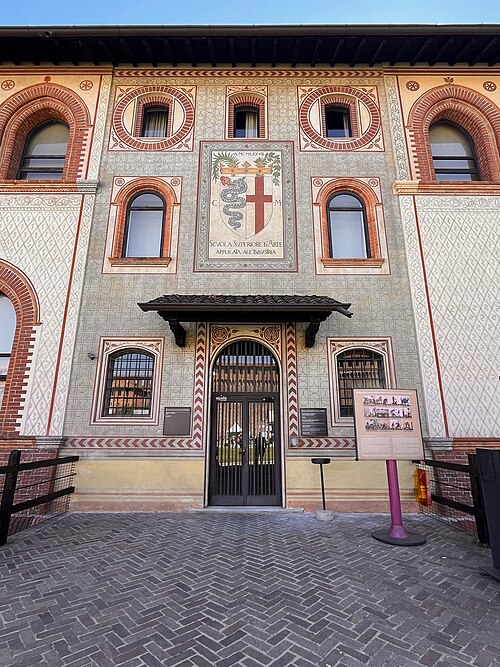
Museo della Permanente
The Society for Fine Arts and Permanent Exhibition, known locally as Museo della Permanente, is a Milan cultural institution devoted to visual art.
Palazzo dell'Ambrosiana
Palazzo dell'Ambrosiana is a historic palace in Milan, Italy, associated with the Biblioteca Ambrosiana, one of Europe's oldest and most significant cultural institutions.
Villa Imperiale
The Ancient Roman imperial palace of Milan, known locally as Villa Imperiale, stands as a significant archaeological remnant of Milan's Roman past.
Basilica di San Lorenzo Maggiore
The Basilica of San Lorenzo, locally named Basilica di San Lorenzo Maggiore, stands as one of Milan's most ancient churches.
Palazzo Belgioioso
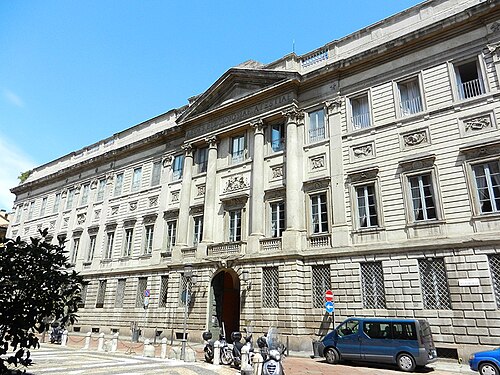
Palazzo Belgioioso stands as a distinguished neoclassical palace in central Milan, constructed in the late eighteenth century to designs by Giuseppe Piermarini. The building exemplifies the refined architectural transition from Baroque grandeur to Enlightenment restraint.
Torre di Bona
Bona of Savoy’s Tower, known in Italian as Torre di Bona, is a historic tower in Milan associated with Bona of Savoy, a fifteenth-century duchess.
Abbazia di Chiaravalle
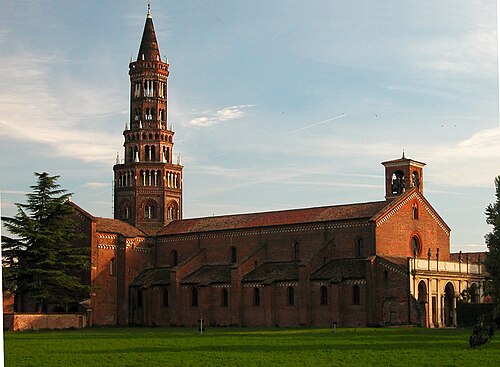
Chiaravalle Abbey, known locally as Abbazia di Chiaravalle, is a Cistercian monastery located in the southern periphery of Milan. Founded in 1135, it represents an important example of Lombard Gothic and Romanesque architecture.
Palazzo Clerici
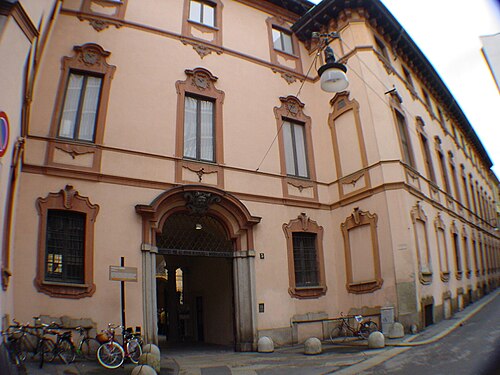
Clerici Palace is a Milanese aristocratic residence associated with the Clerici family, set within the city’s historic centre.
Palazzo Cornaggia
Cornaggia Palace is a named historic building in Milan and a specific architectural destination within the city’s dense urban fabric.
Palazzo Crespi
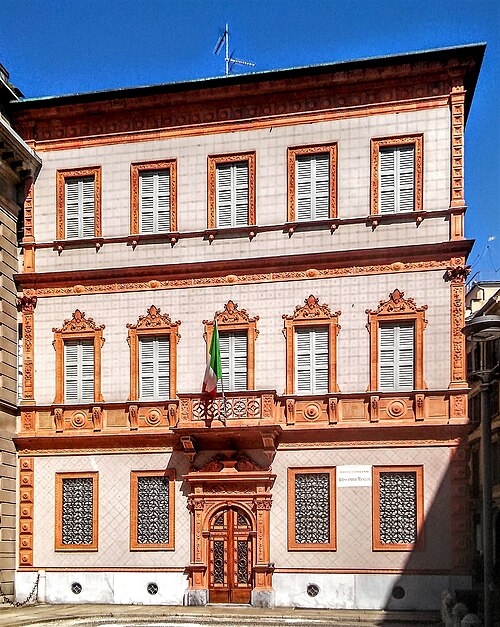
Palazzo Crespi is a historic palace in Milan, situated in the city's central area.
Palazzo Cusini
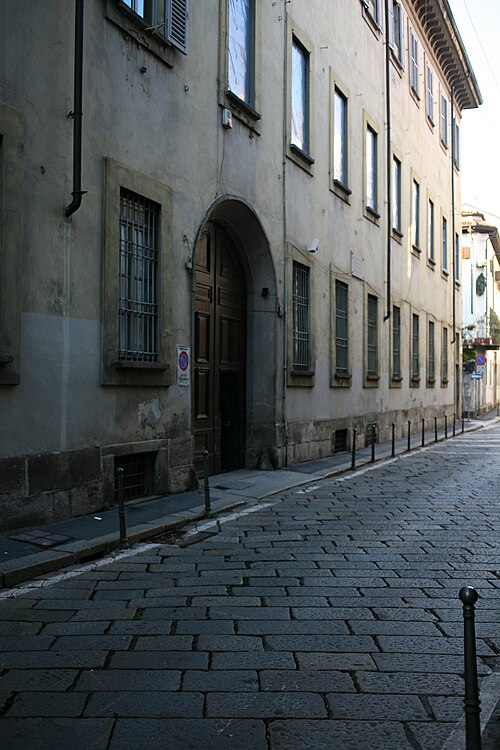
Cusini Palace, also known as Palazzo Cusini, is a historic palace in central Milan. It belongs to the city’s architectural heritage and forms part of the continuous streetscape that makes central Milan rewarding to explore on foot.
Palazzo Litta Cusini Modignani
Litta Cusini Modignani Palace is a historic aristocratic palace in Milan. Its name connects the building with the Litta, Cusini, and Modignani families and places it within the city’s tradition of noble urban residences.
Palazzo Lurani Cernuschi
Lurani Cernuschi Palace, or Palazzo Lurani Cernuschi, is a historic palace in Milan. It represents the city’s noble residential architecture and belongs to the layered urban environment that makes Milan interesting beyond its headline attractions.
Palazzo Mapelli
Mapelli Palace, or Palazzo Mapelli, is a historic palace in Milan.
Palazzo e Torre Rasini
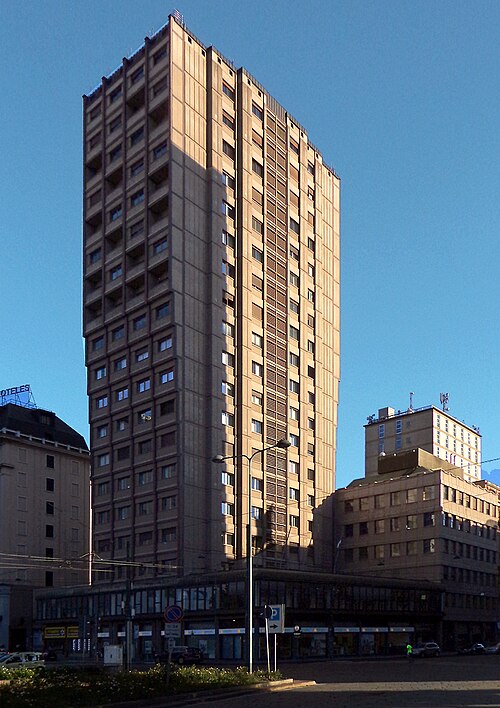
Palazzo e Torre Rasini stands as a notable architectural presence in Milan. This tower and palace complex represents an element of the city's built heritage, contributing to the urban fabric of Italy's second-largest city.
Torre Turati
Turati Tower, known locally as Torre Turati, is a prominent skyscraper in Milan, Italy. The building stands as a significant example of modern commercial architecture in the city's business district.
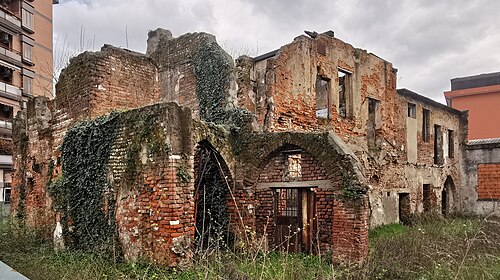
Monastero di San Nicolao
The Monastery of San Nicolao is a historic religious complex in Milan associated with Benedictine tradition.
Transatlantico Conte Biancamano
The bridge of the ocean liner Conte Biancamano is a preserved maritime heritage exhibit in Milan. The Conte Biancamano was a historic Italian transatlantic passenger ship, and this display preserves its command bridge as a visitor attraction.
Anfiteatro Romano
The Anfiteatro Romano is Milan's ancient Roman amphitheatre, located in the city centre near Piazza dell'Amphiteatro. This archaeological site represents one of the most significant remnants of Mediolanum, the Roman settlement that preceded modern Milan.
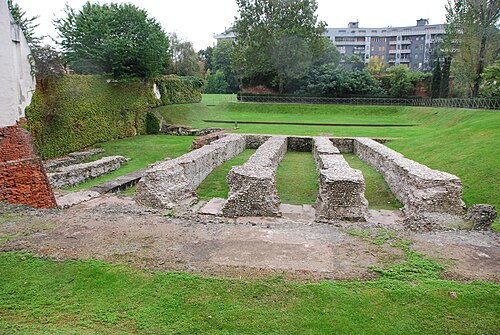
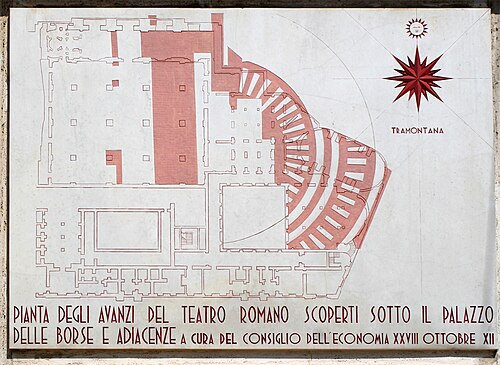
Teatro Romano
The Roman Theatre of Milan, locally known as Teatro Romano, stands as a significant archaeological remnant of the city's ancient past under Roman rule. This open-air amphitheatre once accommodated theatrical performances and public gatherings during the imperial era.
Chiesa di San Fedele
San Fedele Church, or Chiesa di San Fedele, is a sixteenth-century church in central Milan beside Piazza San Fedele. The church is an active parish and a significant example of Counter-Reformation architecture.
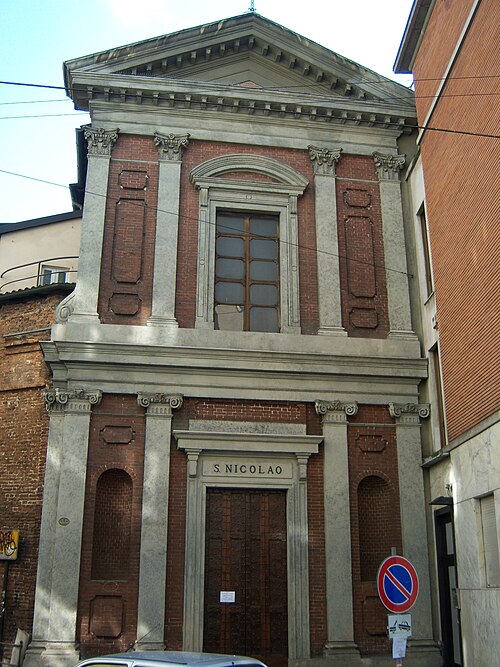
Chiesa di San Nicolao
San Nicolao Church, or Chiesa di San Nicolao, is a historic religious building in Milan. It belongs to the city’s broad ecclesiastical heritage and offers a quieter alternative to the major cathedral and basilica circuit.
Chiesa di San Pietro in Gessate
San Pietro in Gessate is a fifteenth-century Renaissance church in Milan’s Porta Vittoria area.
Chiesa di Santa Maria della Passione
Santa Maria della Passione is a historic Catholic church in central Milan, also known locally as Chiesa di Santa Maria della Passione. It belongs to the city’s rich ecclesiastical landscape and offers a quieter alternative to Milan’s busiest monumental churches.
Chiesa di Santa Maria dei Miracoli presso San Celso
Santa Maria presso San Celso is a Renaissance church in Milan, formally known as Chiesa di Santa Maria dei Miracoli presso San Celso. It stands adjacent to the older San Celso church, creating a distinctive architectural pairing.
Chiesa di Santa Maria Maddalena
Santa Maria Maddalena, also known as Chiesa di Santa Maria Maddalena, is a Catholic church within Milan’s urban fabric.
San Maurizio al Monastero Maggiore is a historic church complex in central Milan, originally constructed as part of a Benedictine convent. The building dates to the sixteenth century and occupies a significant place in Milanese religious architecture.
Basilica di San Calimero is a historic Roman Catholic church near Corso di Porta Vigentina in southern central Milan.
Basilica di Sant’Eufemia
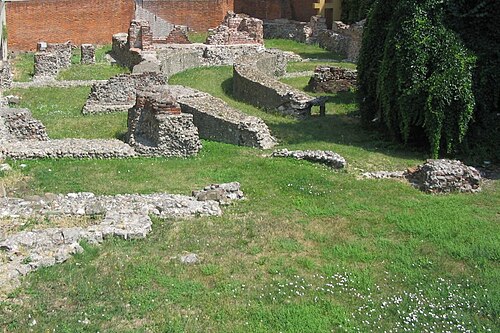
Basilica di Sant'Eufemia is a historic church in Milan, located in the city centre near the Roman ruins and the remains of the ancient circus.
Source: OpenStreetMap contributors, Wikidata ·
Use the Duomo as the central reference point. The fashion quadrilateral and Brera are north of it, Castello Sforzesco and Parco Sempione are west, and the Navigli and Porta Ticinese districts are south and southwest. Milano Centrale is northeast of the old centre, while Porta Garibaldi serves the Porta Nuova business district. Grouping sights by these zones avoids repeated cross-city travel.
Checked 2026-08-26
Walk inside the historic centre and use ATM metro, tram and bus services for longer moves. Milan has five metro lines, while surface routes connect neighbourhoods beyond the rail corridors. Contactless bank cards and mobile devices can be used on ATM services, and the system calculates the applicable fare. Check the operator map before travelling to outer sites or changing fare zones.
Checked 2026-08-26
A fixed stay length is not recorded. Build the visit around the historic centre, Brera and the castle, then add Navigli, Porta Nuova or an outer attraction as time allows.
Yes. The Duomo, Galleria Vittorio Emanuele II, La Scala, Brera and Castello Sforzesco form a practical walking core, although the metro is useful for crossing between wider districts.
ATM operates the city's metro, tram, bus and trolleybus network. Use rail for cross-city movement and surface services where the metro does not directly reach the destination.
Yes. ATM accepts supported contactless cards and mobile devices on its services and calculates the applicable fare, provided the same payment method is used throughout the journey.
Treat Navigli, Porta Nuova, San Siro and other outer districts as separate clusters. They sit beyond the compact Duomo-Brera-castle core and usually require a dedicated transit leg.