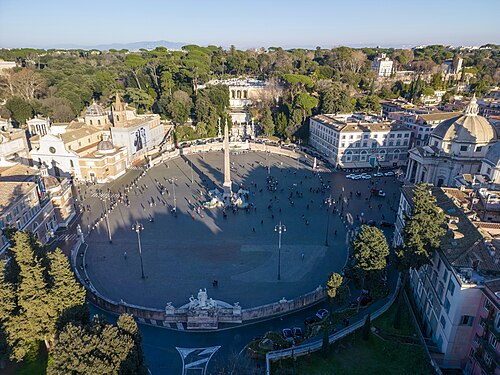
Piazza del Popolo
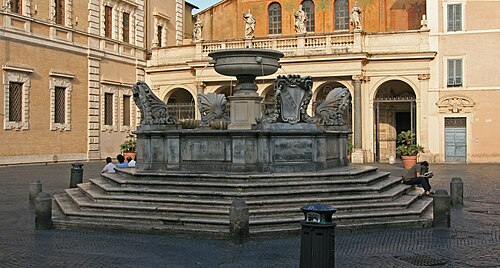
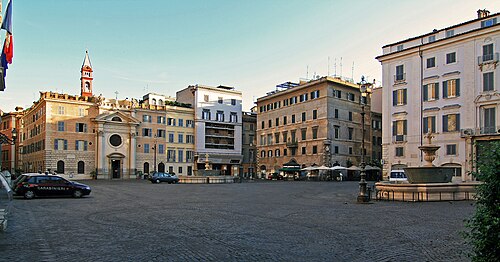
Piazza del Popolo is a large urban square in Rome, Italy. Its name derives from the poplar trees that once grew in the area, though some sources associate it with the Latin word populus meaning people.
- Must see
- Activity
- Rome
Language · 11 published
Country guide
Italy holds 62 World Heritage Sites, more than any other country, spread across 301,340 km2 of land that runs from the Alps down into the middle of the Mediterranean. The distances between its cities are short and the differences between them are not: Venice has no roads, Naples sits under a volcano on a bay, Florence fits inside a walkable Renaissance grid, and Milan keeps its art indoors and works for a living. Rome is the capital and the obvious first trip; the argument is always about what comes second. Nearly 800 islands hang off the coast, and Sicily and Sardinia are each large enough to be a trip of their own.
Reviewed by Elena Voss · Roavina Travel Editor
Every city catalogued in this country so far, ranked by how much there is to see.
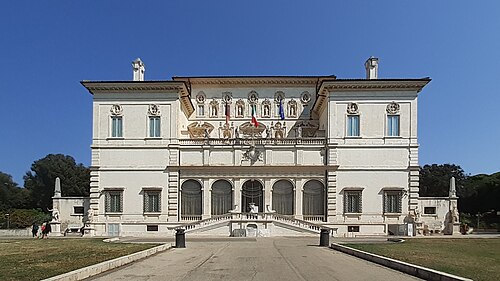
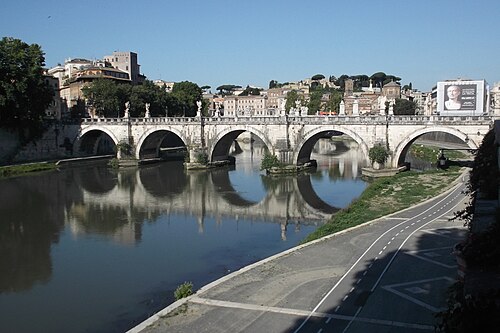
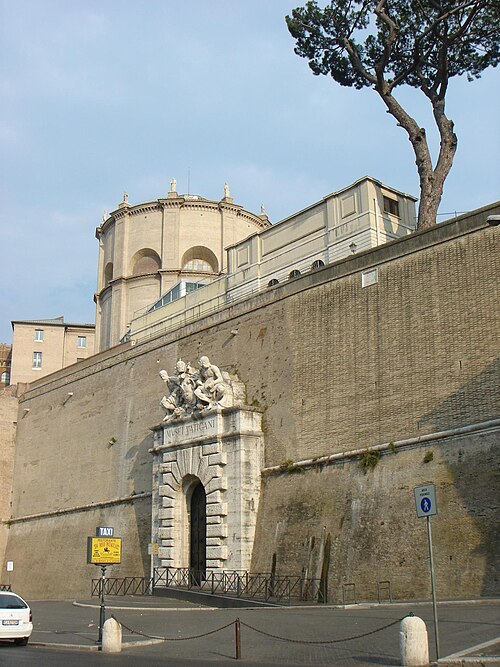
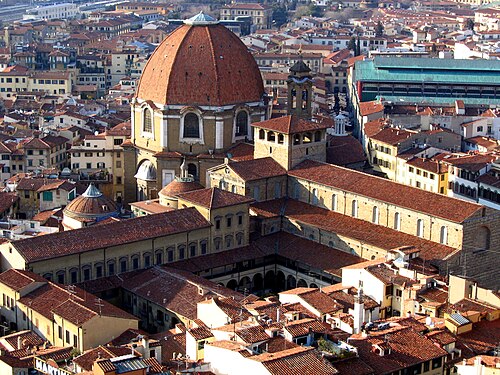
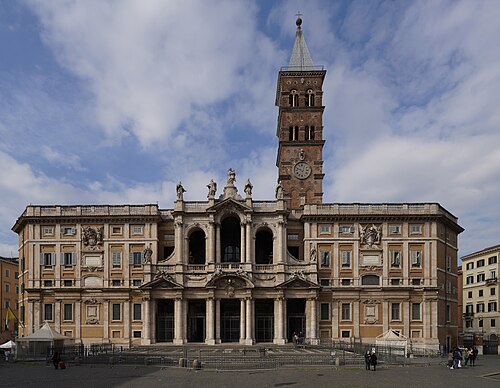
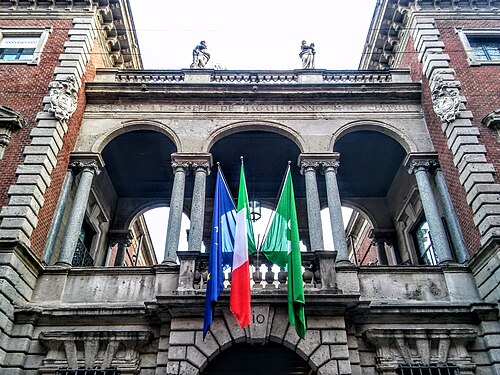
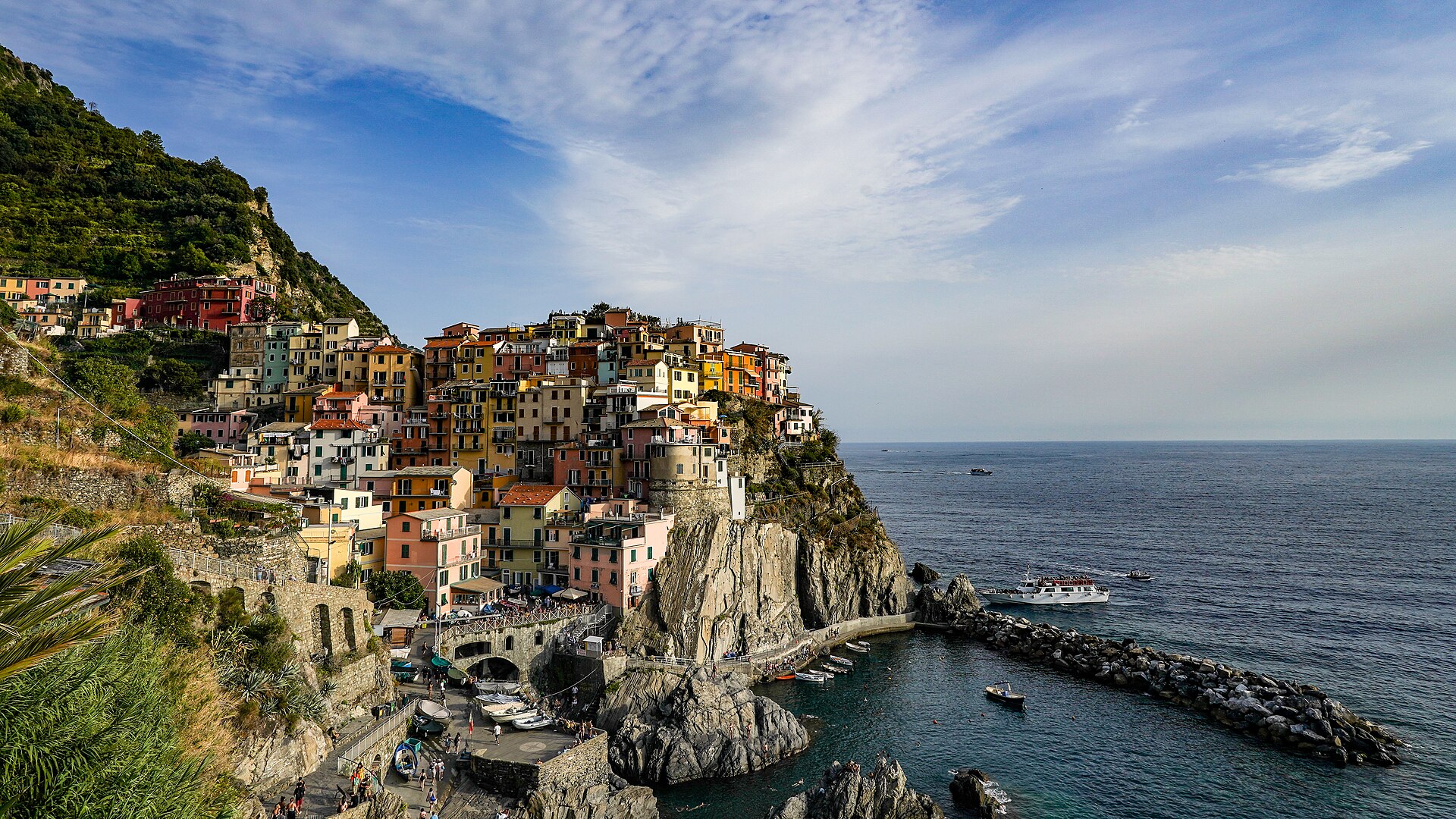
Photograph · Bert Kaufmann from Roermond, Netherlands · CC BY-SA 2.0
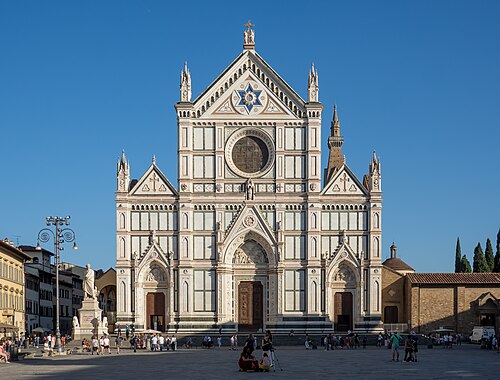
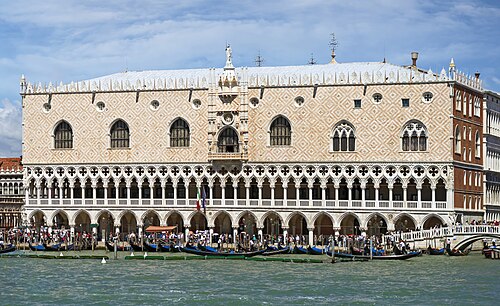
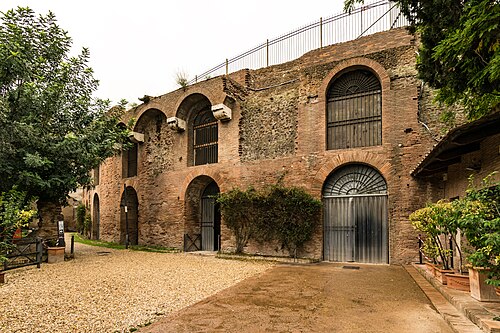
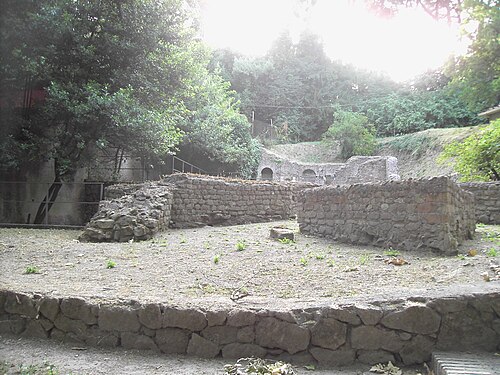
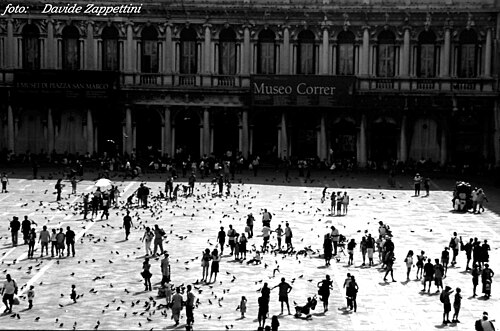
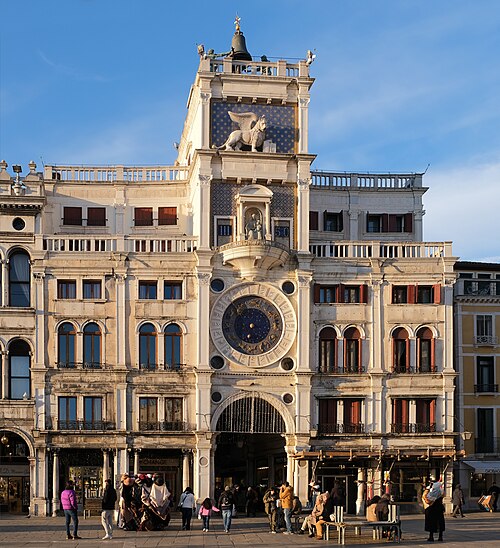
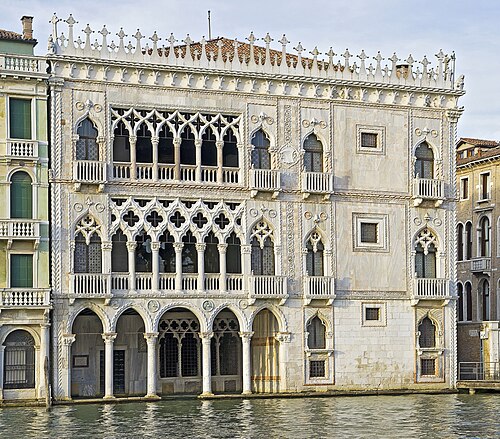
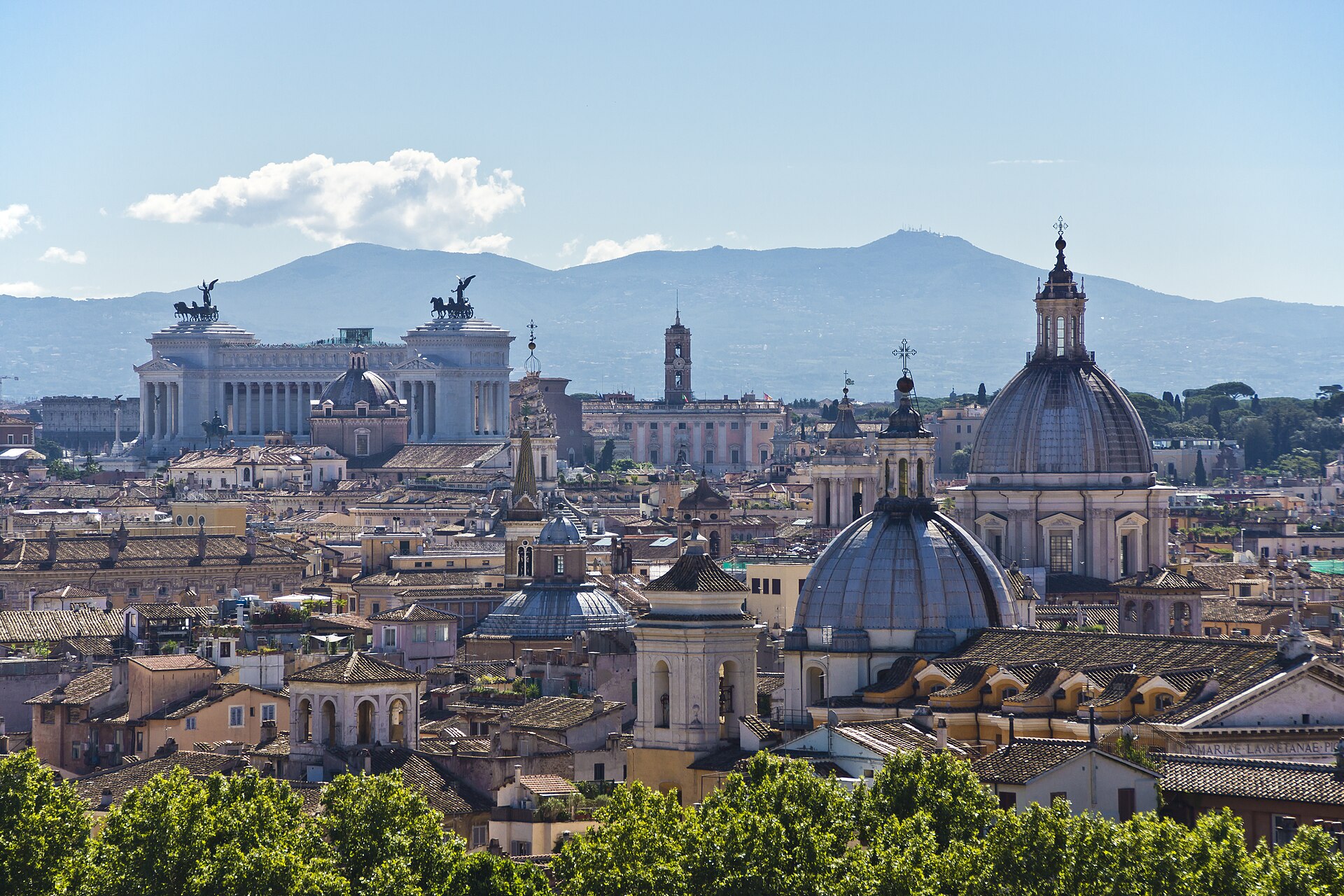
Photograph · Daniel Case · CC BY-SA 3.0
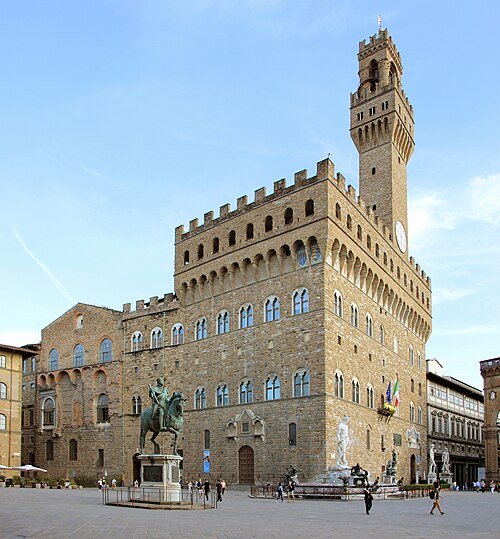
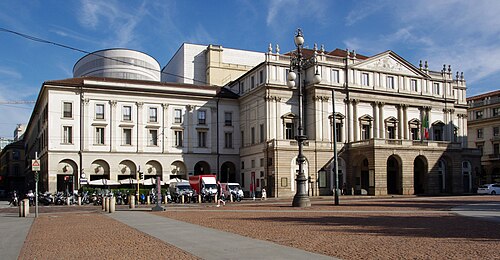
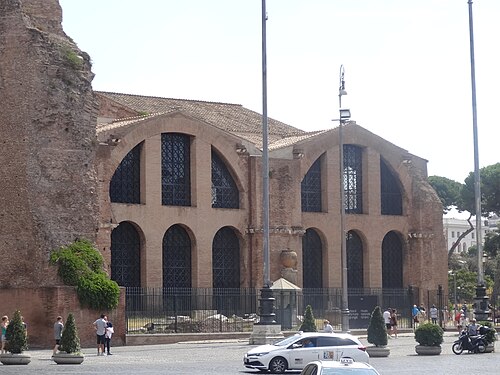
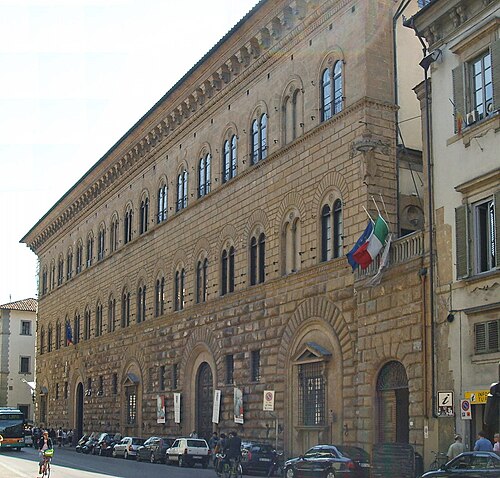
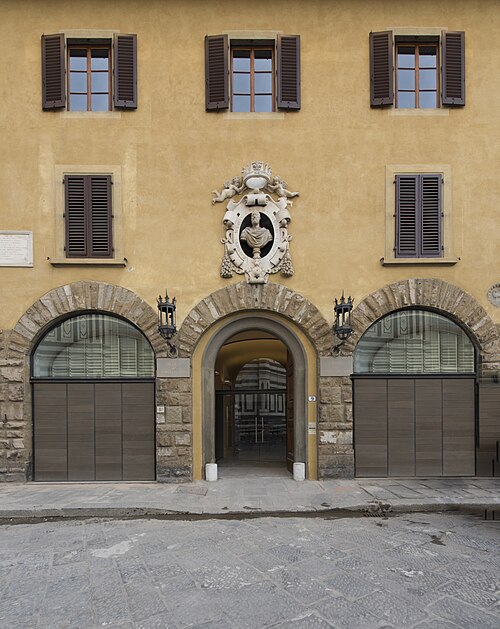
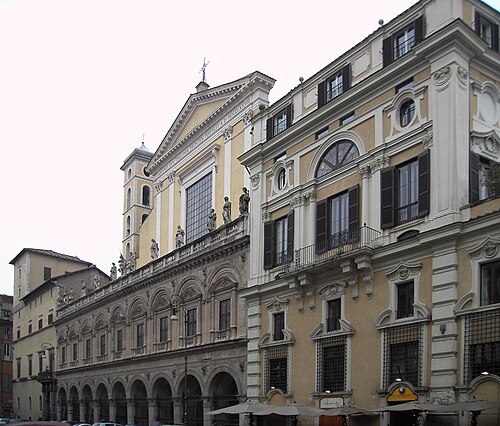
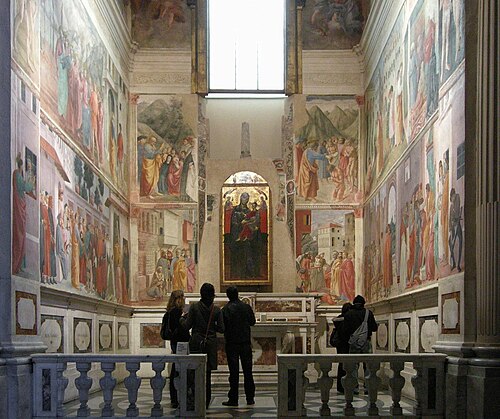
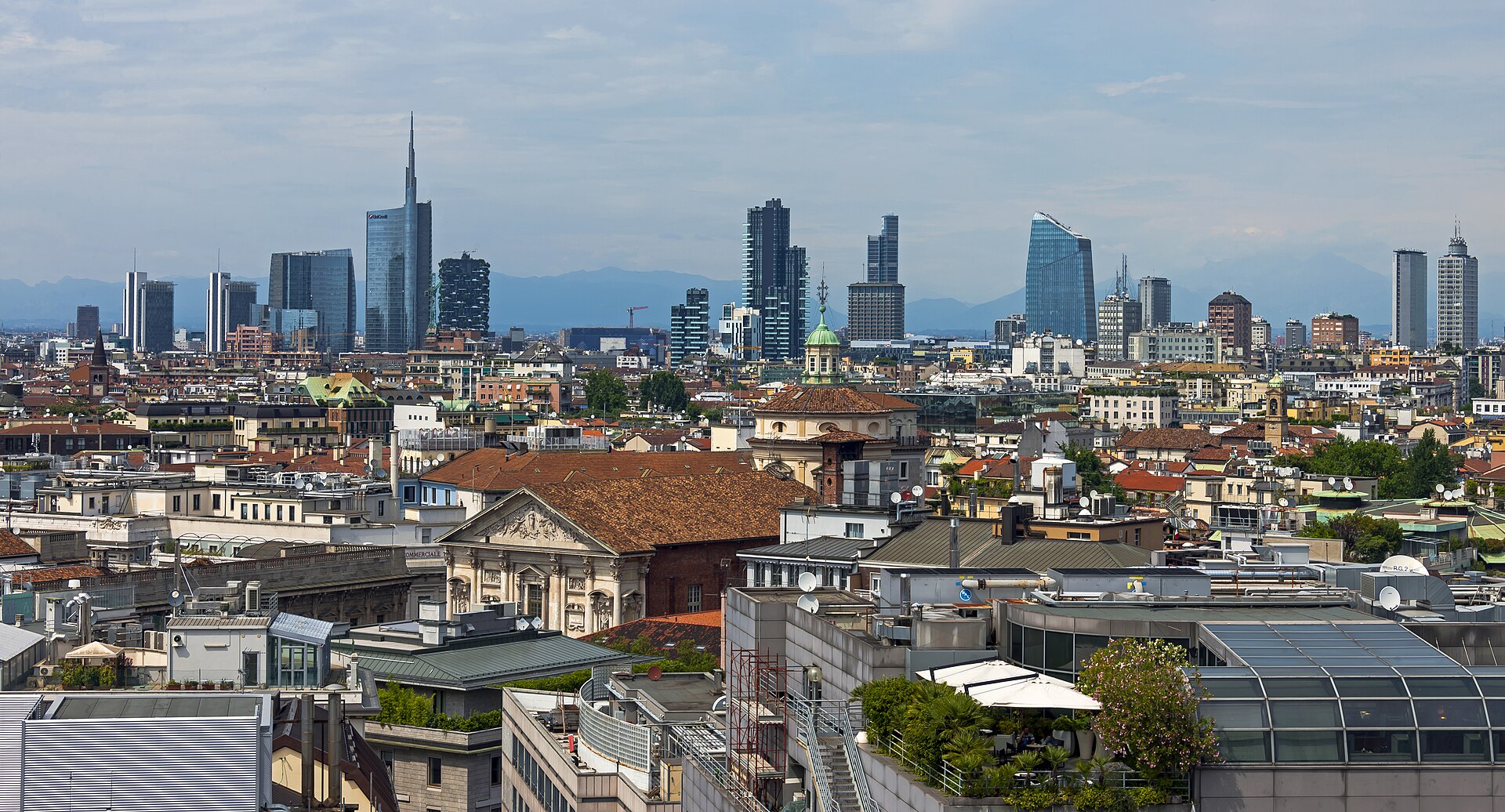
Photograph · Wikibusters · CC BY-SA 4.0
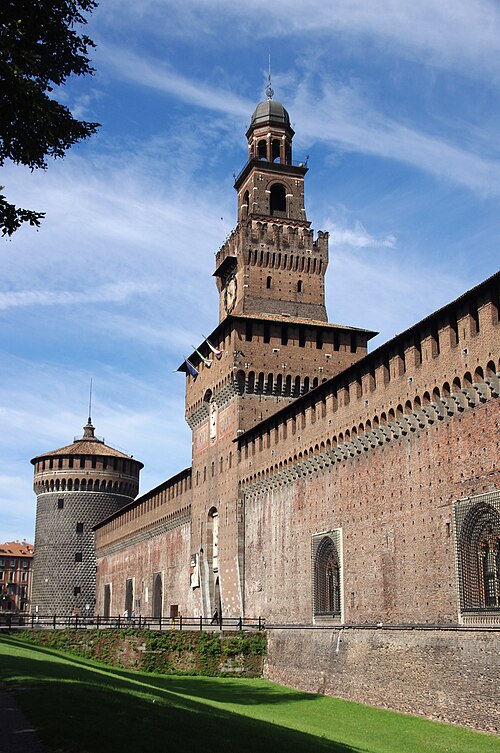
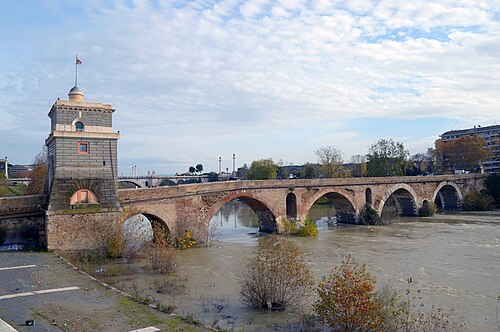
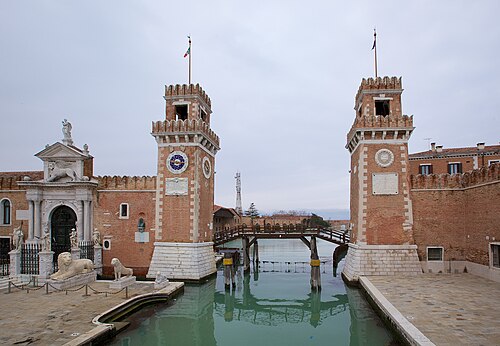
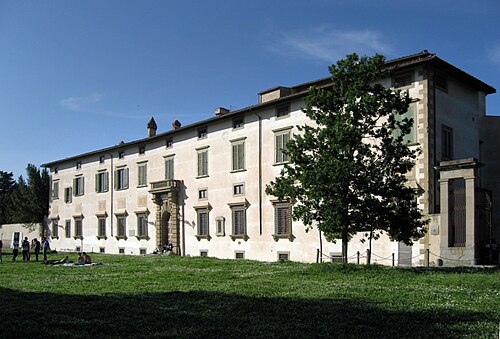
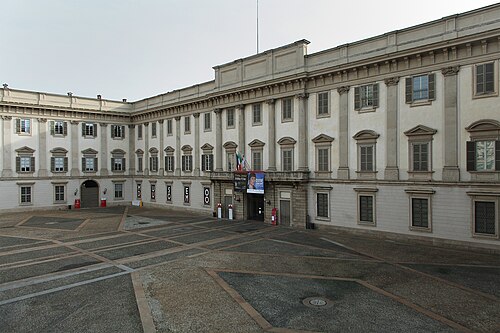
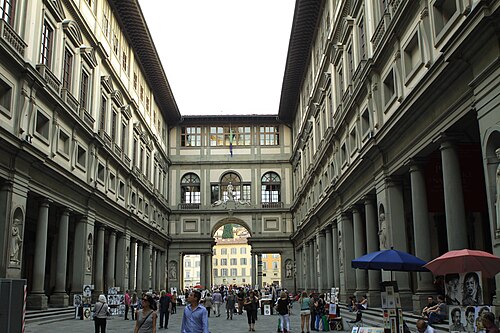
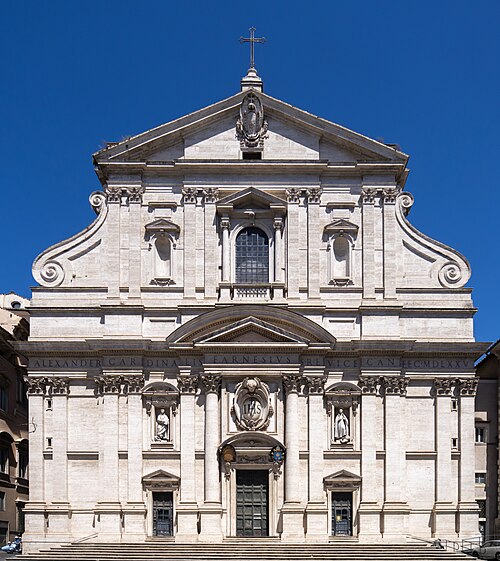
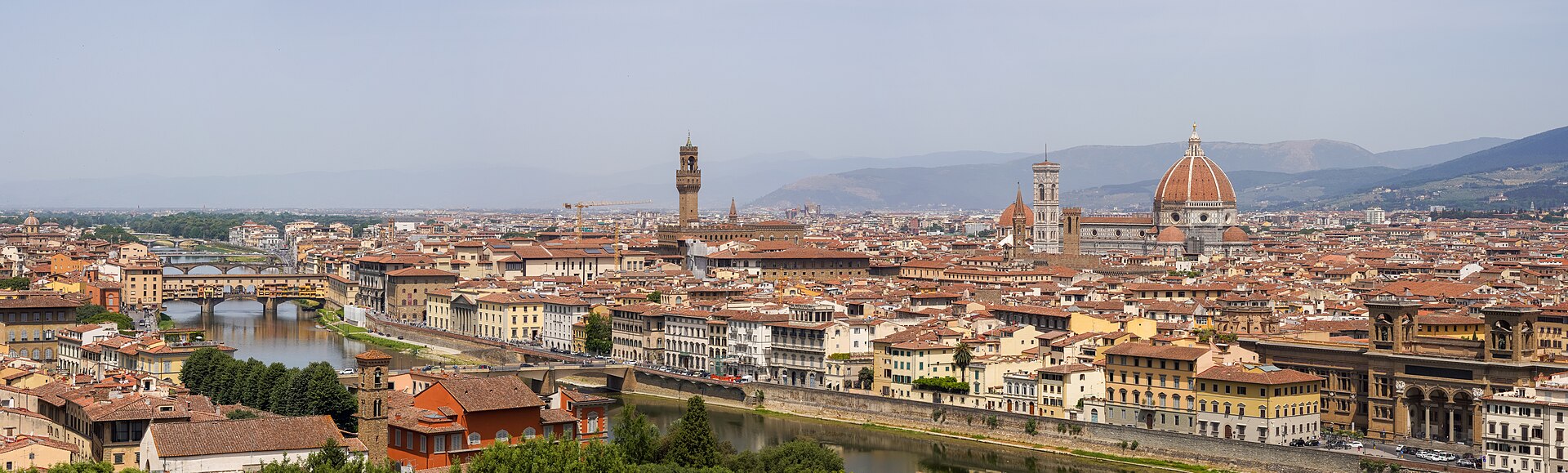
Photograph · Martin Falbisoner · CC BY-SA 4.0
Ranked by importance — sitelinks, pageviews and heritage status, not editor preference.
408 places match
Category
Typical visit duration
Interests
Piazza del Popolo is a large urban square in Rome, Italy. Its name derives from the poplar trees that once grew in the area, though some sources associate it with the Latin word populus meaning people.
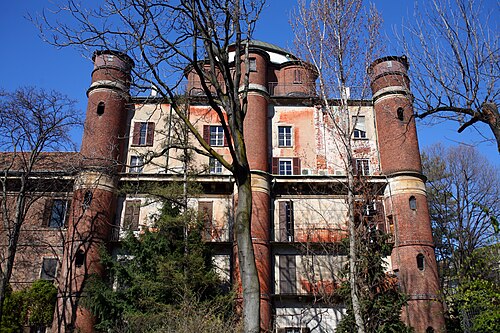
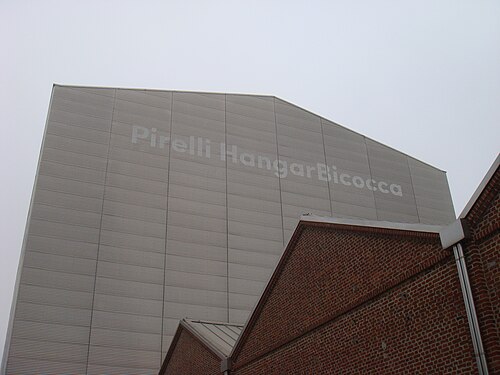
Pirelli HangarBicocca is a non-profit contemporary art foundation in a former locomotive-manufacturing plant in Milan's Bicocca district. The institution opened in 2004 and occupies approximately 15,000 square metres on one ground-level floor.
Trastevere is a historic district on the west bank of the Tiber River in Rome, Italy. Its name derives from the Latin trans Tiberim, meaning beyond the Tiber.
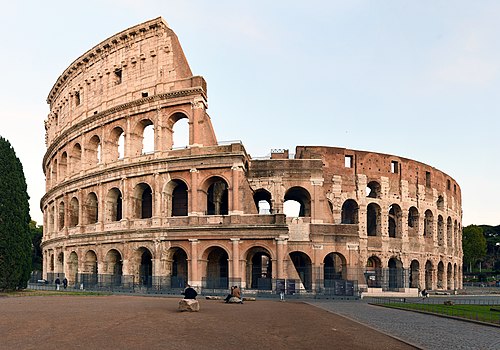
Colosseo
The Colosseum is the Flavian Amphitheatre, the largest amphitheatre in the world, standing at the eastern end of the Roman Forum on Piazza del Colosseo.
The Imperial Fora constitute a sequence of monumental public squares constructed in Rome across several centuries of antiquity. These fora were commissioned by successive emperors as extensions to the original Roman Forum, serving administrative, religious, and commercial functions.
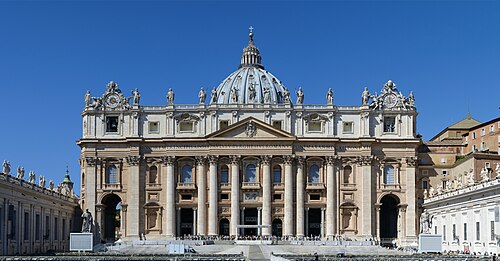
Basilica di San Pietro
St. Peter's Basilica, locally Basilica di San Pietro, stands as one of Rome's most prominent landmarks within Vatican City. This Renaissance church occupies a site of immense historical and religious significance in Christianity.
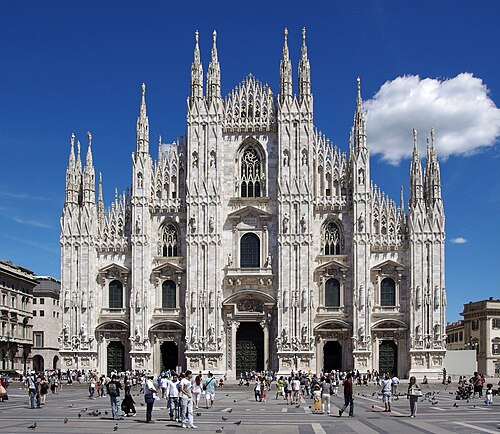
Duomo di Milano
Milan's cathedral was begun in 1386, on ground already occupied by the basilicas of Santa Maria Maggiore and Santa Tecla, whose remains still lie under the square.
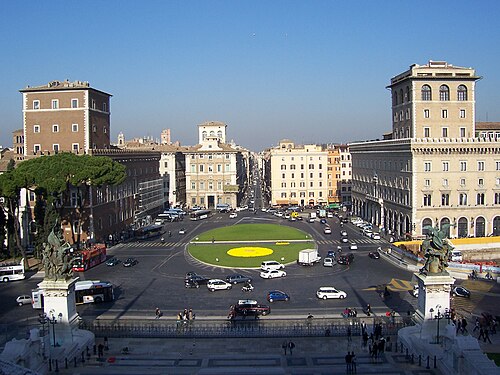
Piazza Venezia is a major central square in Rome, Italy, located at the foot of the Capitoline Hill.
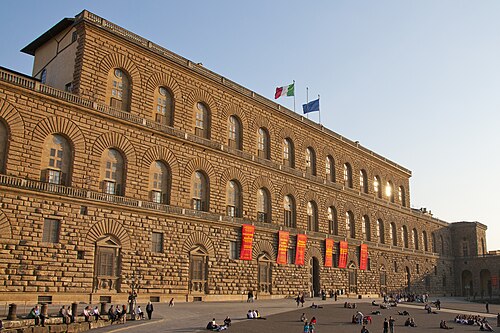
Palazzo Pitti is a single enormous palace on the south bank of the Arno that now holds five museums and a chapel under one ticket.
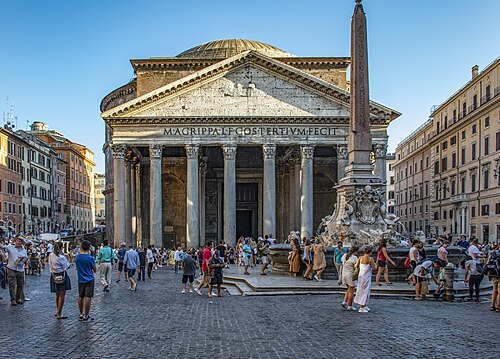
Piazza della Rotonda is a public square in the historic centre of Rome, Italy. The square takes its name from the Pantheon, the ancient Roman temple with its distinctive circular dome, which dominates the piazza.
Piazza Farnese is a historic square in Rome's Regola district, taking its name from the imposing Palazzo Farnese that dominates its northern flank. The square developed during the Renaissance as an expression of papal power and architectural ambition.
Basilica di Santa Croce
Santa Croce is the Franciscan mother church of Florence and the largest Franciscan church in the world.
Palazzo Vecchio is the fortified town hall on the north side of Piazza della Signoria, and it is still exactly that: the city's museum service calls it the monument that symbolises Florence and the seat of its government for more…
Piazza Mattei is a small square in Rome's historic Jewish Ghetto district, situated between Via della Reginella and Via dei Funari. The piazza takes its name from the Mattei family, a prominent Roman noble house.
Castello Sforzesco
Castello Sforzesco is a brick fortress in the middle of Milan that has been a ducal palace, a foreign garrison and, for the last century, the city's own museum complex.
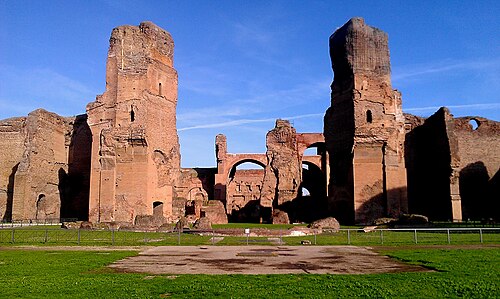
Terme di Caracalla
The Baths of Caracalla, known locally as Terme di Caracalla, constitute one of Rome's most substantial surviving ancient bath complexes.
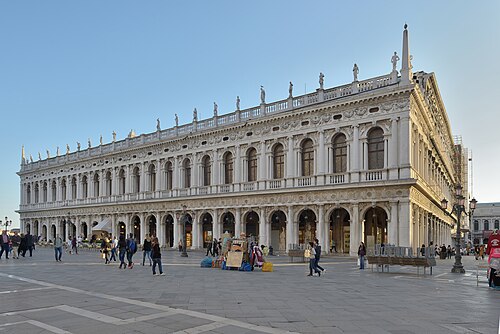
The Biblioteca Nazionale Marciana is a historic library in Venice, Italy, located in the Piazzetta San Marco near the Doge's Palace. Founded in the 16th century, it houses one of Italy's most important collections of classical manuscripts and texts.
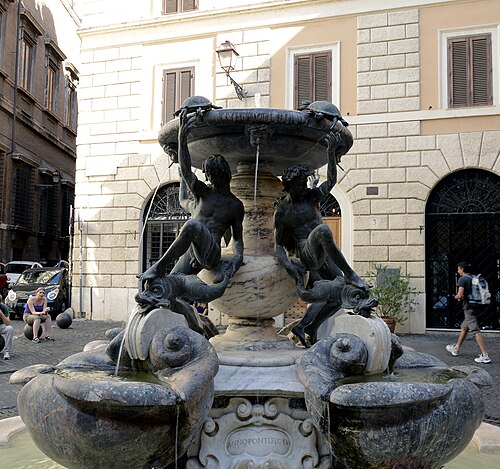
The Fontana delle Tartarughe is a compact late-sixteenth-century fountain in Piazza Mattei, in Rome’s Sant’Angelo district. Four bronze youths lean over a marble basin, with dolphins and turtles creating the fountain’s lively silhouette.
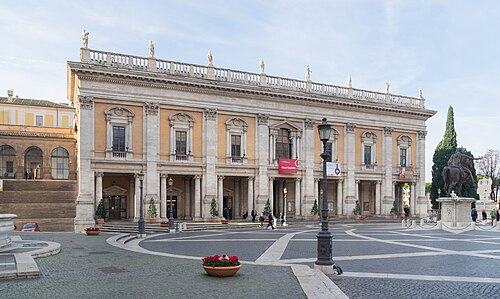
Musei Capitolini
The Capitoline Museums occupy the two palaces that face each other across Michelangelo's piazza on the Capitoline Hill, at Piazza del Campidoglio 1.
The Galleria Borghese is a state museum of the Italian Ministry of Culture, housed in the villa that Cardinal Scipione Borghese built for himself in the park now called Villa Borghese.
Palazzo Ducale
The Doge's Palace, known locally as Palazzo Ducale, stands as a defining landmark of Venice. This Gothic palace served as the residence of the Doge, the elected leader of the former Venetian Republic, and housed the republic's main governing bodies.
Teatro alla Scala
Teatro alla Scala is Milan's opera house, and the block it occupies on Piazza della Scala is two visitable things at once: a working theatre with a season that sells out, and a museum inside the same walls that anyone…
Ponte Milvio is an ancient Roman bridge spanning the Tiber River in northern Rome. The structure carries significant historical weight as the site of the pivotal Battle of the Milvian Bridge in 312 CE, where Constantine defeated Maxentius.
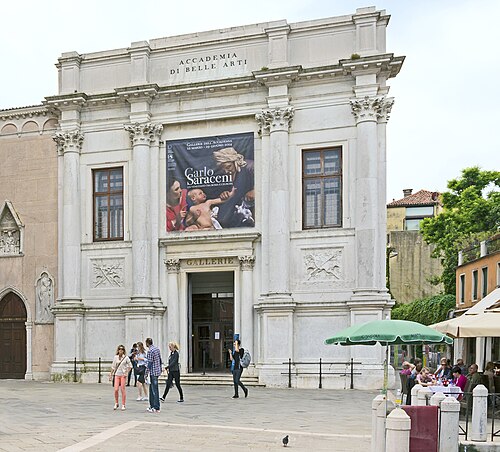
The Gallerie dell'Accademia holds the state collection of Venetian painting from the fourteenth century to the early nineteenth, standing on the Dorsoduro bank of the Grand Canal at the foot of the Accademia bridge.
Santa Maria delle Grazie is a Dominican convent church in central Milan, designated a UNESCO World Heritage Site jointly with Leonardo da Vinci's Last Supper housed within its refectory.
Cappella Sistina
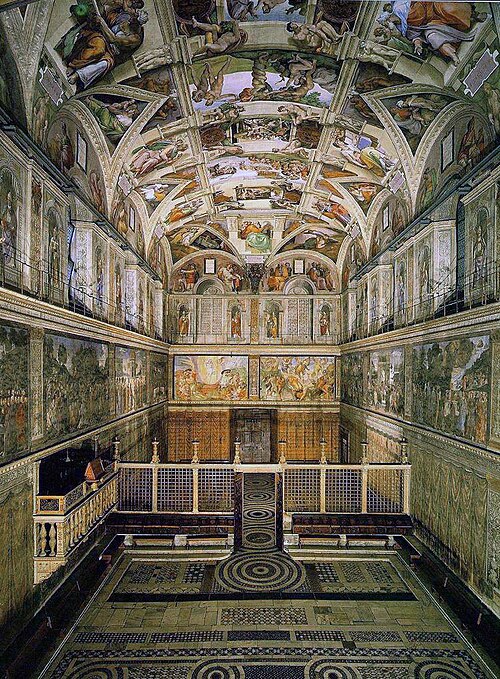
The Sistine Chapel, known locally as Cappella Sistina, is a chapel in the Apostolic Palace within Vatican City. It serves as the site of the Papal conclave, where new popes are elected.
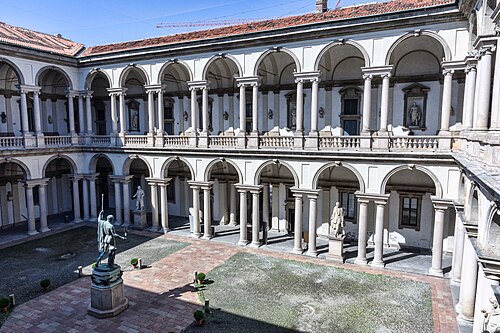
The Pinacoteca di Brera is Milan's principal public gallery of paintings, on the upper floor of Palazzo Brera in the streets north of the Duomo.
Basilica di San Clemente al Laterano
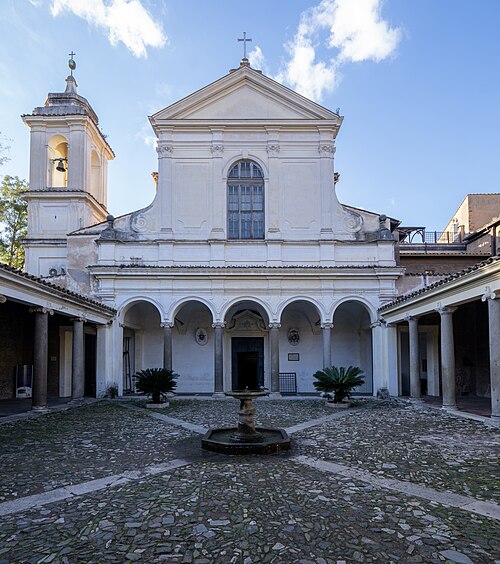
The Basilica of San Clemente is a layered historical church near the Colosseum in Rome. The present structure dates from the twelfth century, built over a fourth-century basilica, which itself covers Roman-era buildings including a mithraeum.
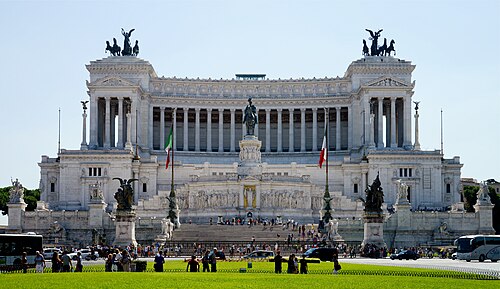
The Altare della Patria, formally known as the Monumento Nazionale a Vittorio Emanuele II, is a prominent national monument in central Rome.
Chiesa di Sant'Andrea al Quirinale
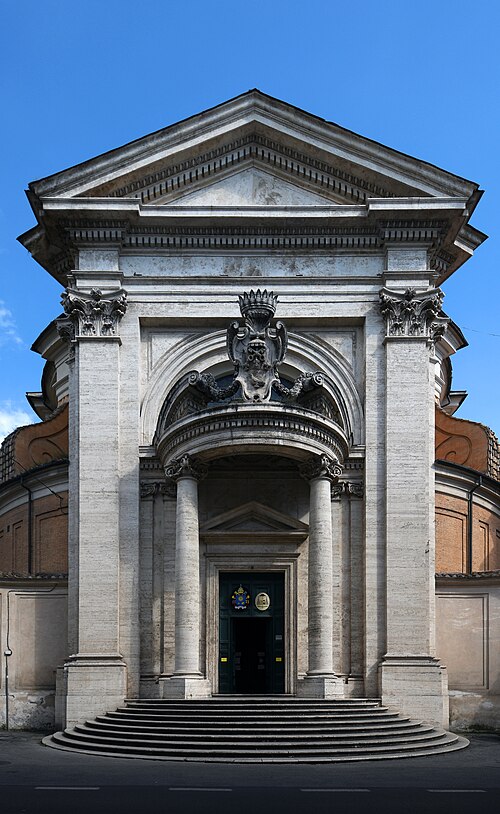
Sant'Andrea al Quirinale is a Jesuit church on Rome’s Quirinal Hill, designed by Gian Lorenzo Bernini and completed in the late seventeenth century. Dedicated to Saint Andrew the Apostle, it is one of Bernini’s most accomplished religious buildings.
Galleria Vittorio Emanuele Secondo
The Galleria Vittorio Emanuele II is a historic shopping arcade in central Milan, Italy. Named after the first king of unified Italy, it opened in 1877 and represents one of Europe's oldest covered shopping galleries.
Fontana di Trevi
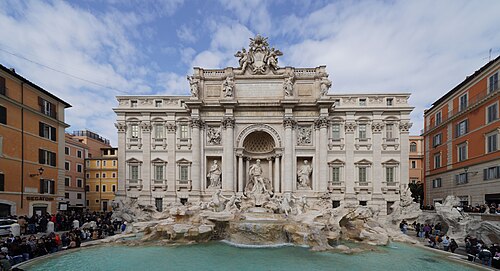
The Trevi Fountain is the terminal display, the mostra, of the Acqua Vergine — the aqueduct brought into Rome in 19 BC and the only one of the ancient aqueducts that has run without interruption to the present day.
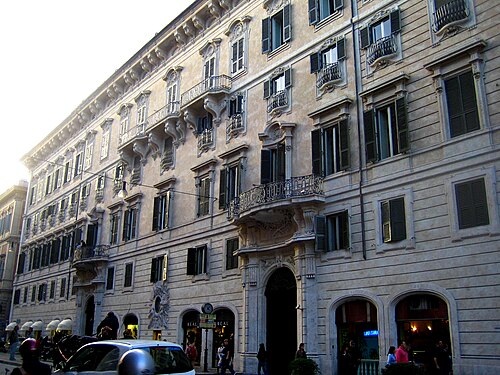
The Galleria dell'Accademia di Firenze is a state museum on Via Ricasoli, ten minutes' walk north of the Duomo, and it exists in its present form because of one statue.
Ponte Sant'Angelo is a historic bridge spanning the Tiber River in Rome, connecting the city centre to the Castel Sant'Angelo.
The Domus Aurea, or Golden House, was the vast palace built by Emperor Nero after the Great Fire of Rome in 64 AD.
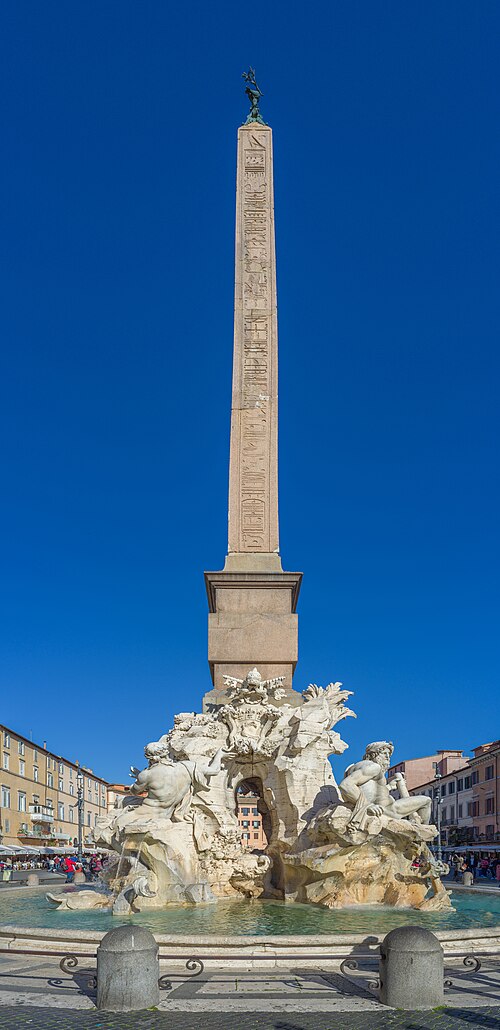
Fontana dei Quattro Fiumi
The Fontana dei Quattro Fiumi is a Baroque masterpiece designed by Gian Lorenzo Bernini and completed in 1651. It occupies the center of Piazza Navona, one of Rome's most celebrated public squares.
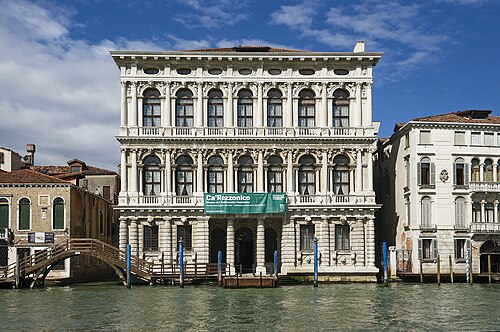
Museo Ca' Rezzonico
Ca' Rezzonico is a palazzo on the Grand Canal in Venice, now operating as the Museum of Eighteenth Century Art. The building itself represents Venetian Baroque residential architecture, constructed across the seventeenth and eighteenth centuries.
Palazzo Doria Pamphilj
Galleria Doria Pamphilj is a private art gallery housed within Palazzo Doria Pamphilj, a historic noble palace on Via del Corso in central Rome. The palace remains the residence of the Doria Pamphilj family, one of Italy's oldest aristocratic houses.
Basilica di San Lorenzo Maggiore
The Basilica of San Lorenzo, locally named Basilica di San Lorenzo Maggiore, stands as one of Milan's most ancient churches.
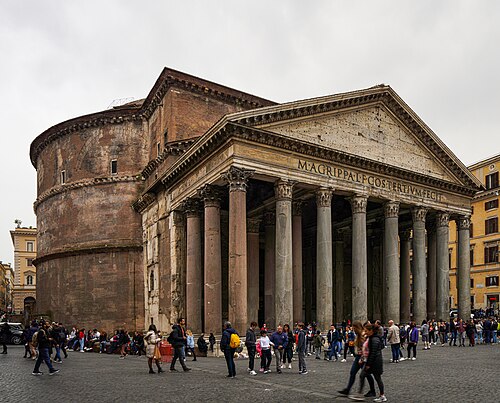
The Pantheon stands on Piazza della Rotonda in the middle of old Rome, and it is two things at once: a Roman temple and a working Catholic church.
Palazzo del Bargello
The Bargello National Museum occupies the Palazzo del Bargello, a medieval fortress palace in central Florence. Built from 1255, it served as the city podesta residence and later as a prison and police headquarters.
Terme di Diocleziano
The Baths of Diocletian, known locally as Terme di Diocleziano, constitute one of ancient Rome's most massive bath complexes. Constructed between 298 and 306 CE, these public baths were commissioned by Emperor Maximian and named after his co-emperor Diocletian.
Arsenale di Venezia
The Venetian Arsenal is a vast former shipyard complex in Venice's Castello district. Established in the twelfth century, it became one of Europe's largest industrial centres before the modern era, producing merchant and naval vessels using innovative assembly-line techniques.
Musei Vaticani
The Vatican Museums are a large museum complex within Vatican City, surrounded by Rome. They present collections assembled by the Catholic Church and the papacy across centuries, displayed through galleries, chapels, and historic palace interiors.
Gianicolo is a hill in western Rome, rising above the Trastevere district. It is not one of the traditional Seven Hills of Rome but holds significance as a historic vantage point.
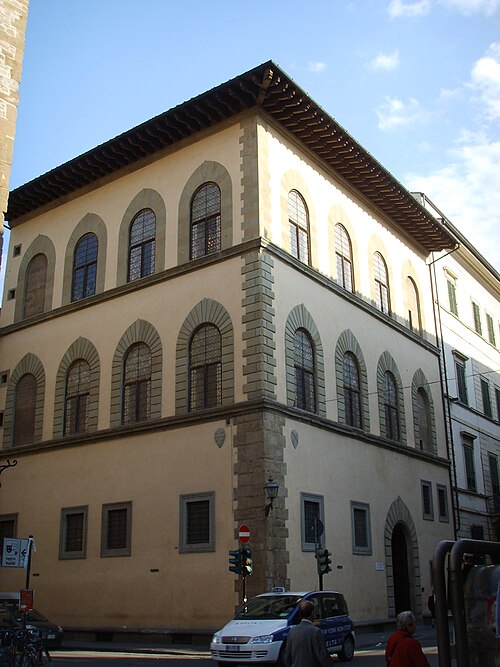
Palazzo Medici Riccardi is a Renaissance palace in Florence, Italy. It was commissioned by Cosimo de' Medici and designed by Michelozzo di Bartolomeo in the fifteenth century.
Villa medicea di Castello
Villa Castello, or Villa medicea di Castello, is a Medici villa on the outskirts of Florence. The property combines Renaissance architecture with a formally designed garden and belongs to the network of rural residences created for the Medici family.
Cappelle Medicee
The Medici Chapels, known locally as Cappelle Medicee, constitute a significant mausoleum complex in Florence.
Museo Correr is a museum located in Venice, Italy. It occupies part of the Procuratie Nuove in Piazza San Marco, facing the Basilica di San Marco.
The Museo dell'Opera del Duomo is the storehouse and the explanation of the buildings standing outside its own door.
Palazzo Reale
The Royal Palace of Milan, known locally as Palazzo Reale, stands as a major historic palace in the centre of Milan.
Cattedrale di Santa Maria del Fiore
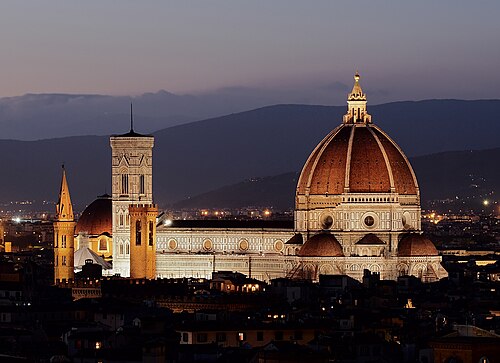
The Cattedrale di Santa Maria del Fiore is the cathedral of Florence and the church the whole of Piazza del Duomo is arranged around.
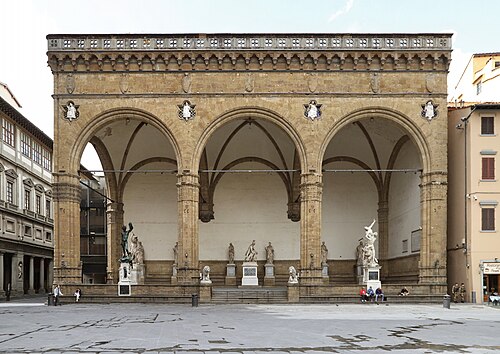
The Loggia dei Lanzi is an open-air sculpture gallery located on the southeast corner of Piazza della Signoria in Florence. Built between 1376 and 1382, this Gothic-style loggia was originally designed to host public ceremonies of the Florentine Republic.
Basilica di Santa Maria del Santo Spirito
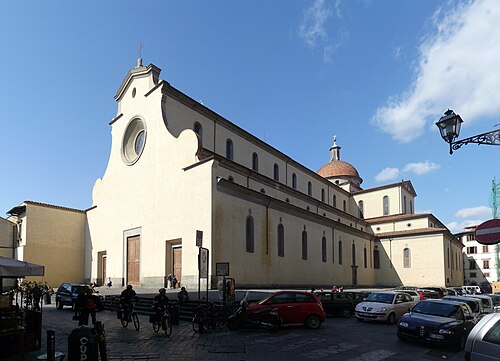
Santo Spirito is a major basilica in Florence's Oltrarno district, formally named Basilica di Santa Maria del Santo Spirito. The church stands as one of the most significant Renaissance religious structures in the city, designed by Filippo Brunelleschi.
Basilica di San Marco
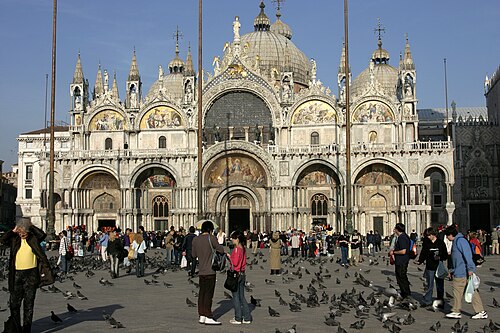
St Mark's Basilica is the cathedral church of the Patriarchate of Venice and stands at the eastern end of Piazza San Marco, attached to the Doge's Palace.
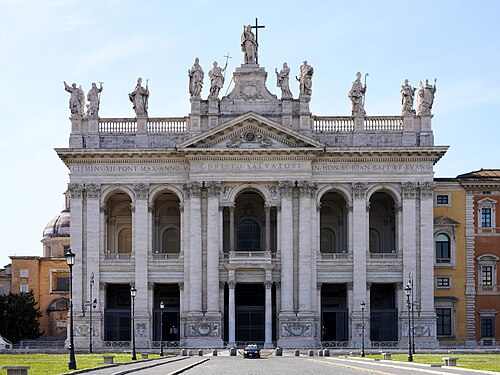
Basilica di San Giovanni in Laterano
The Archbasilica of St. John Lateran is the cathedral church of Rome and the official ecclesiastical seat of the Pope.
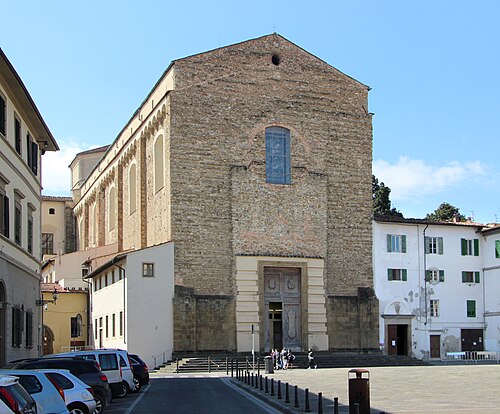
Basilica di Santa Maria del Carmine
Santa Maria del Carmine is a Carmelite church in Florence's Oltrarno district. The basilica dates to the thirteenth century and was rebuilt after a devastating fire in 1771 destroyed much of its interior.
Basilica della Santissima Annunziata
The Basilica della Santissima Annunziata is a major Renaissance church in Florence and the centre of the piazza that bears its name.
Museo Astronomico di Brera
Brera Astronomical Observatory is a historic scientific institution in Milan’s Brera district. Known locally as Museo Astronomico di Brera, it forms part of the Palazzo di Brera complex, alongside the Pinacoteca di Brera and other cultural institutions.
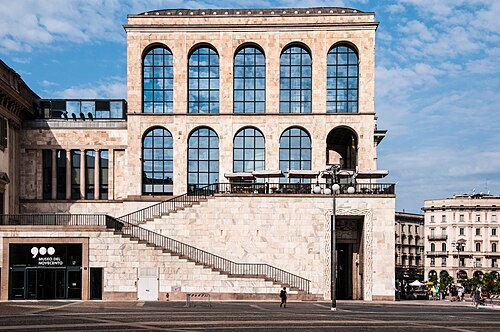
The Museo del Novecento occupies the Palazzo dell'Arengario at Piazza Duomo 8, the civic building on the south side of the cathedral square, and shows more than three hundred works selected from the four thousand-odd pieces of twentieth- and twenty-first-century…
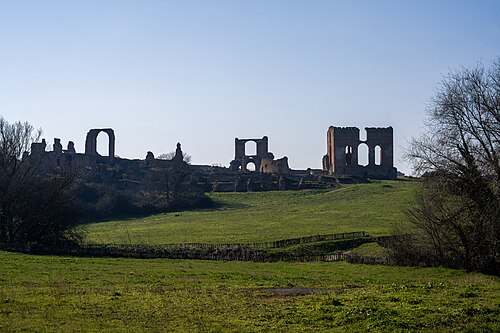
Villa dei Quintili
The Villa dei Quintili is a large Roman aristocratic estate on the Via Appia southeast of Rome. The Quintilii brothers, wealthy consuls in 151 CE, owned the residence before Emperor Commodus seized it and had them executed.
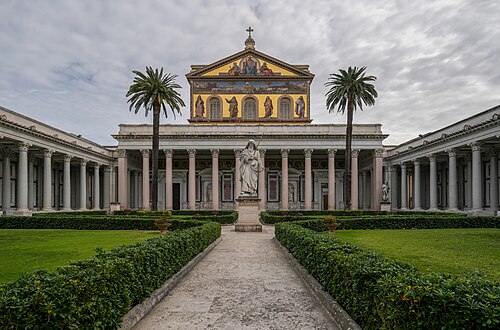
Basilica di San Paolo fuori le mura
The Basilica of Saint Paul Outside the Walls is one of Rome’s four major papal basilicas.
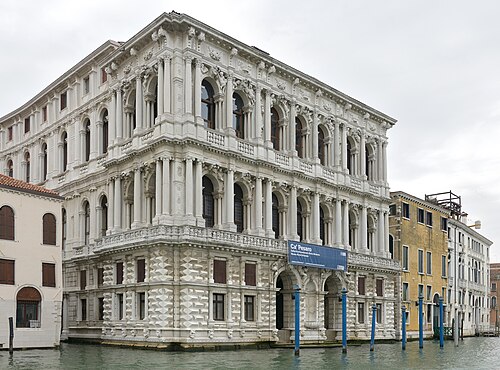
Ca' Pesaro is a Baroque palazzo situated on the Grand Canal in Venice's Santa Croce district. Constructed for the noble Pesaro family, the building was designed by architect Baldassare Longhena, with completion by Antonio Gaspari after Longhena's death.
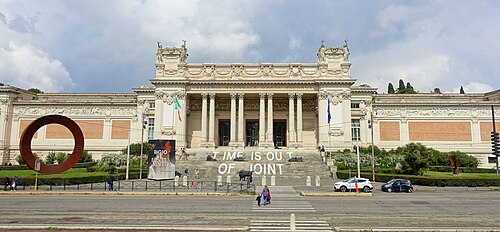
Galleria Nazionale d'Arte Moderna e Contemporanea
The Galleria Nazionale d'Arte Moderna e Contemporanea di Roma is Italy's national gallery dedicated to modern and contemporary art. Located in Rome, it occupies a neoclassical building within the Villa Borghese park complex.
The Basilica of Saint Mary Major, or Basilica di Santa Maria Maggiore, is one of Rome’s four major basilicas and the city’s largest Marian church.
Torre dell'orologio
St Mark's Clocktower, or Torre dell'Orologio, is a Renaissance landmark on the north side of Piazza San Marco. Its astronomical clock displays the hours, moon phases and zodiac signs, while two bronze figures strike the bell above.
Corridoio Vasariano
The Vasari Corridor is an elevated enclosed passageway in Florence, Italy. Giorgio Vasari designed it in 1565 for Cosimo I de' Medici.
Palazzo Colonna is a historic palace in Rome, Italy, belonging to the Colonna family, one of the oldest and most prominent noble families in the city.
Galleria degli Uffizi
The Uffizi Gallery is a world-renowned art museum in Florence, housed in a historic building originally constructed as offices for Florentine magistrates. The name derives from the Italian word for offices.
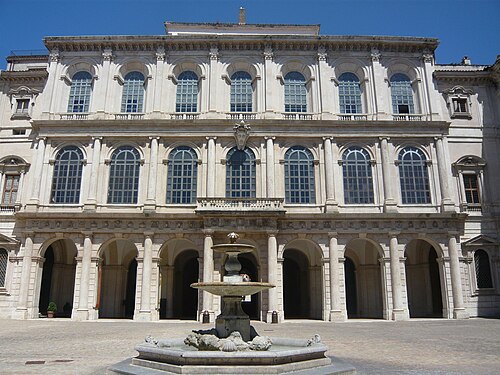
Palazzo Barberini is a prominent palace in Rome, Italy, constructed in the 17th century for the Barberini family. The building exemplifies Roman Baroque architecture and now serves as one of the capital's significant cultural institutions.
Gallerie d'Italia
Gallerie d'Italia is a museum complex in central Milan housed in historic palace buildings. It forms part of the Intesa Sanpaolo cultural project. The institution occupies the Palazzo Beltrami and adjacent structures facing Piazza della Scala.
MAXXI Museo nazionale delle arti del XXI secolo
MAXXI is Italy's first national museum dedicated to contemporary art and architecture. The acronym stands for Museo nazionale delle arti del XXI secolo, meaning National Museum of 21st Century Arts.
Ponte di Rialto
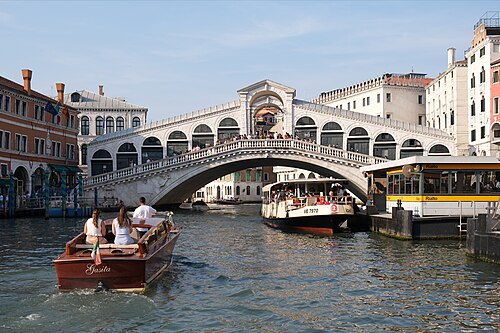
The Ponte di Rialto is the oldest of the four bridges that cross the Grand Canal inside Venice, and until the Accademia bridge was built in 1854 it was the only one.
Ponte dei Sospiri
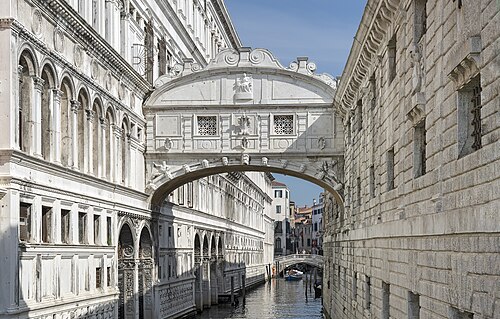
The Bridge of Sighs, or Ponte dei Sospiri, is an enclosed limestone bridge in Venice’s San Marco district. It crosses the Rio di Palazzo and links the Doge’s Palace with the New Prison.
Circo Massimo
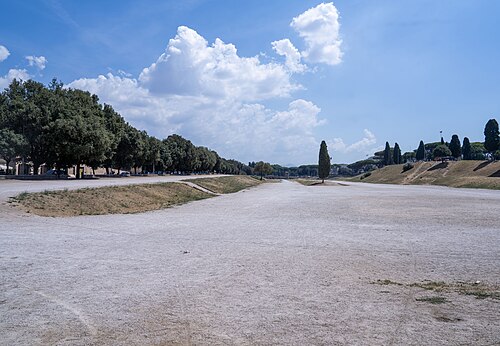
Circus Maximus, known locally as Circo Massimo, is an ancient Roman chariot racing stadium and mass entertainment venue situated in the valley between the Aventine and Palatine hills in Rome.
Museo Poldi Pezzoli is a historic house museum in central Milan. It originated as the private residence and collection of Gian Giacomo Poldi Pezzoli, a 19th-century Milanese nobleman who bequeathed his home and artworks to the public.
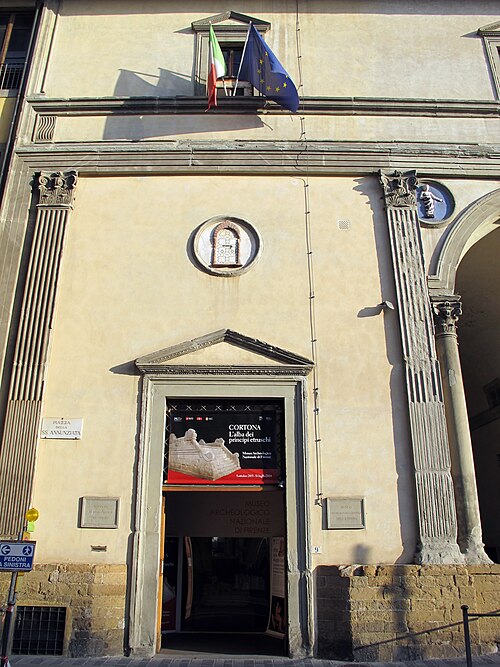
Museo Archeologico Nazionale di Firenze
The National Archaeological Museum of Florence, locally known as Museo Archeologico Nazionale di Firenze, stands as one of Italy's principal archaeological institutions. Housed in the Palazzo della Crocetta, the museum preserves extensive collections spanning Etruscan, Roman, Greek, and Egyptian civilizations.
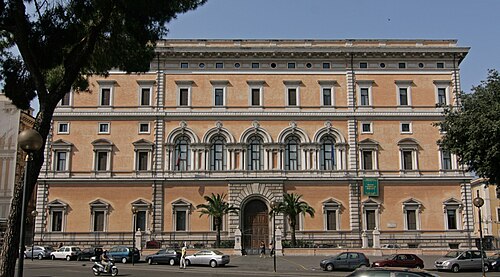
Palazzo Massimo alle Terme is one of the major sites of the Museo Nazionale Romano, close to Roma Termini. Its galleries present ancient Roman art across four floors in a nineteenth-century palace adapted for museum use.
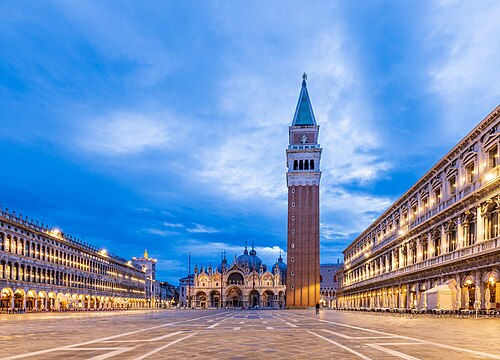
Piazza San Marco is the principal public square of Venice, and to Venetians it is simply la Piazza.
Ostia Antica
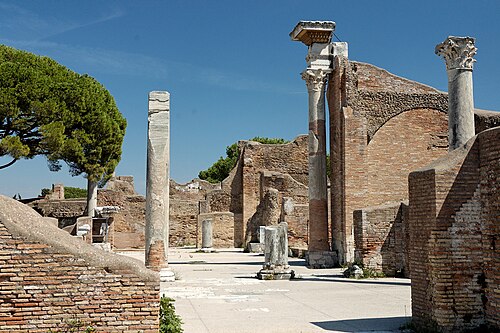
Ostia Antica is a large archaeological site located near Rome, preserving the remains of the ancient port city of Ostia.
Santa Maria della Salute
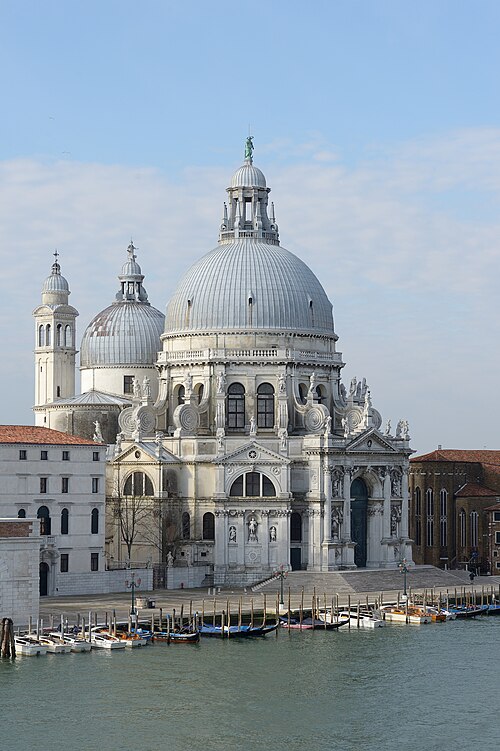
Santa Maria della Salute is a votive church standing at the mouth of the Grand Canal, raised by the Venetian Republic as a prayer and a thanksgiving for the city's deliverance from the plague of the seventeenth century.
Museo Galileo - Istituto e Museo di Storia della Scienza
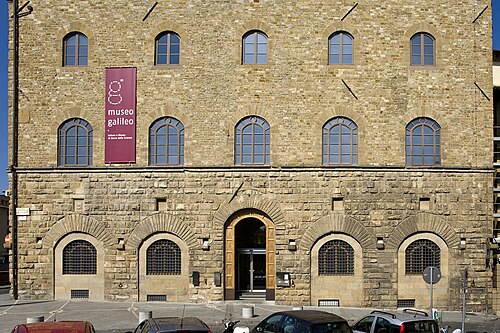
Museo Galileo occupies a historic position near the Arno River in Florence, housed in the Palazzo Castellani. The institution operates under its full designation Museo Galileo - Istituto e Museo di Storia della Scienza.
Museo Nazionale Etrusco di Villa Giulia is Rome’s principal museum devoted to Etruscan civilisation and art. It occupies a Renaissance villa built for Pope Julius III in the sixteenth century, where architecture, gardens and fountains form part of the experience.
Battistero di San Giovanni
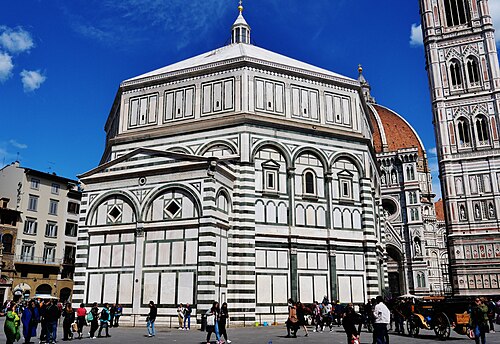
The Baptistery of San Giovanni stands free in Piazza San Giovanni, directly in front of the cathedral facade, and it is the older of the two buildings by several centuries.
Museo Bagatti Valsecchi
The Bagatti Valsecchi Museum is a historic house museum in central Milan.
Ca' d'Oro is one of the great late Gothic palaces on the Grand Canal, and since 1927 it has been a state gallery rather than a house.
Cappella Brancacci
The Brancacci Chapel, known locally as Cappella Brancacci, is a chapel within the church of Santa Maria del Carmine in Florence.
Piazza Navona is a long oval-ended square in the historic centre of Rome, and its shape is not a design decision of the Baroque period but the footprint of a Roman building.
Chiesa del Gesù
The Church of the Gesù, or Chiesa del Gesù, is the mother church of the Society of Jesus in Rome. The church is a major Baroque landmark and an architectural model for Jesuit churches around the world.
Catacombe di San Sebastiano
The Catacombs of San Sebastiano are an ancient underground cemetery complex beside the Appian Way. The site takes its name from Saint Sebastian, the Christian martyr traditionally associated with burial here.
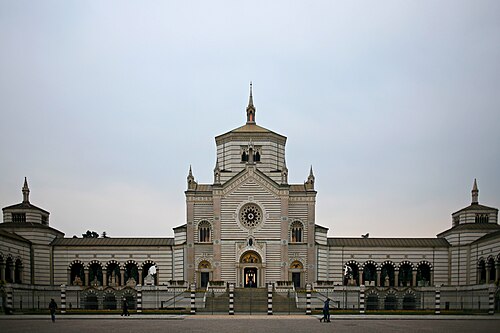
Cimitero Monumentale
Cimitero Monumentale is Milan’s monumental cemetery and an open-air collection of sculpture, architecture and memorial art. Founded in 1866, it remains an active burial ground while welcoming visitors interested in Italian artistic heritage.
Museo di Storia Naturale
Museo Civico di Storia Naturale di Milano is Milan’s natural history museum, commonly called Museo di Storia Naturale. It brings together zoology, botany, geology and paleontology in a historic museum setting near the city centre.
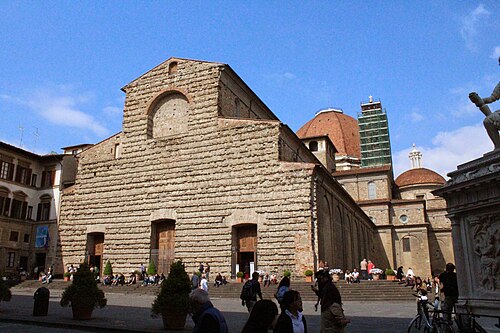
Basilica di San Lorenzo
The Basilica di San Lorenzo stands on its own square a short walk north-west of the Duomo, and the Opera Medicea Laurenziana, the body that runs it, describes it as the oldest cathedral in Florence: the first building raised for…
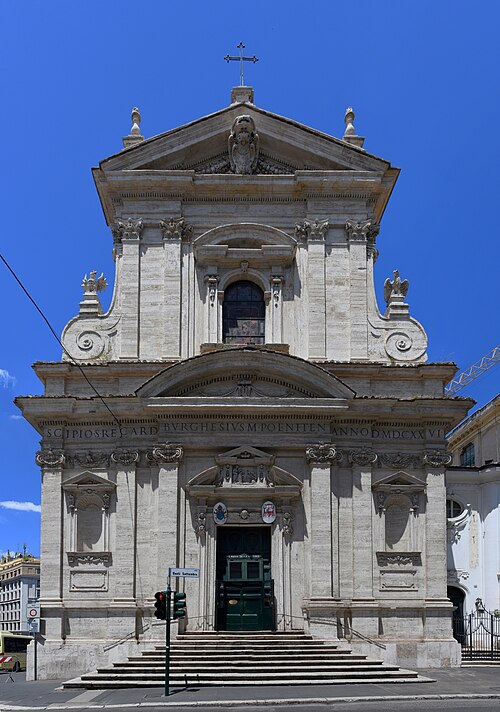
Santa Maria della Vittoria is a Roman Catholic titular church and minor basilica in Rome, Italy. The church was begun in 1608 and completed in 1620.
Museo Horne is a museum in Florence, Italy, housed in a historic building. It is named after its founder, Herbert Percy Horne, an English art collector and historian who established the institution.
Ara Pacis Augustae
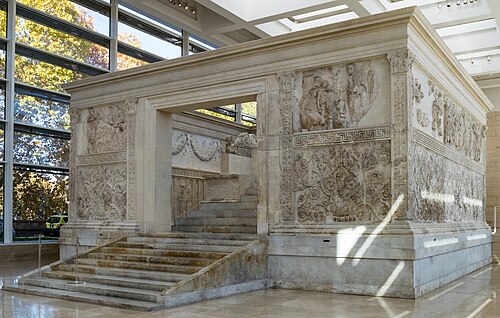
The Ara Pacis Augustae is an ancient Roman altar dedicated to Pax, the goddess of peace.
Scalinata della Trinità dei Monti
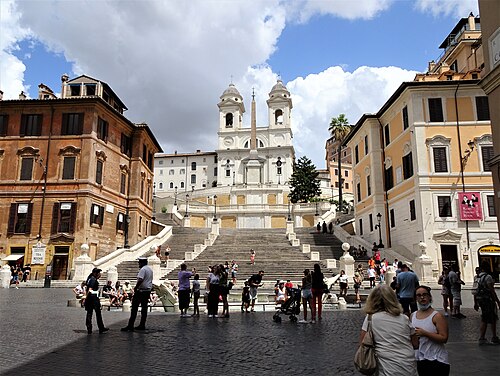
The Spanish Steps are the staircase that carries Piazza di Spagna up the slope of the Pincio hill to the church of Santissima Trinità dei Monti standing above it.
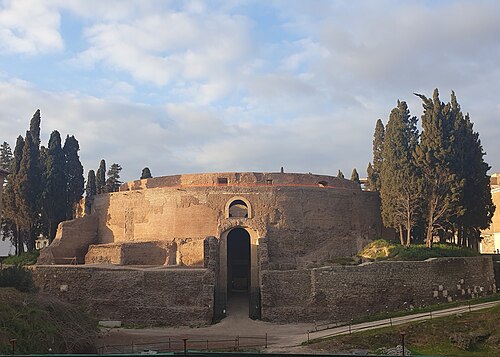
Mausoleo di Augusto
The Mausoleum of Augustus is a large circular tomb built as the final resting place of Emperor Augustus, the first Roman emperor.
Piazza di Spagna is a prominent public square in Rome's historic centre, named after the Spanish Embassy to the Holy See.
Chiesa di San Luigi dei Francesi
San Luigi dei Francesi is Rome’s national church of France, located between the Pantheon and Piazza Navona in the historic centre.
Source: OpenStreetMap contributors, Wikidata ·
Ten to fourteen days can combine Milan, Venice, Florence, and Rome by high-speed train. Give Venice more than a transfer night and Rome several separate sightseeing days; rural Tuscany needs different transport planning from the rail-linked cities.
Italy is in the Schengen Area, but visa and passport requirements vary by nationality and route. Use Italy's official visa portal to confirm the applicable rule before travel rather than relying on another Schengen trip.
High-speed trains connect Milan, Venice, Florence, and Rome, with regional rail and coaches serving smaller places. Drivers must check ZTL restrictions before entering historic centres because access controls are local and can generate fines.
April to June and September to October broadly suit the north-to-Rome rail route. Lagoon conditions in Venice, summer heat in Rome, and seasonal rural services in Tuscany should be checked independently.
Italy uses the euro (EUR). Carry a modest cash reserve for small purchases while using cards where accepted, and verify the euro amount at the terminal instead of accepting an unexamined conversion.
Italy routes emergency calls through 112. Travellers encounter a 230 V supply and Type C, F, or L receptacles. No tap-water assessment is recorded for Italy; obtain current local advice at the destination.