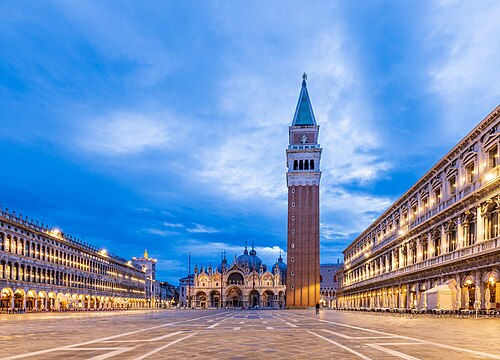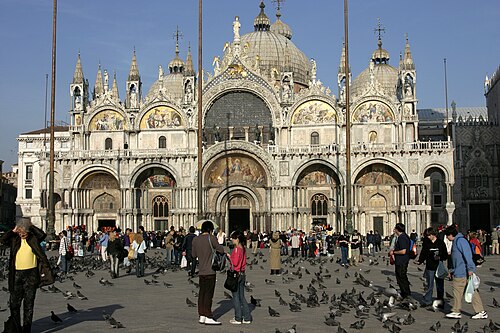
St Mark's Basilica
Basilica di San Marco
St Mark's Basilica is the cathedral church of the Patriarchate of Venice and stands at the eastern end of Piazza San Marco, attached to the Doge's Palace.
- Must see
- Place of worship
Language · 11 published
City guide · Italy
Venice's historic centre occupies islands linked by bridges, with no road traffic inside the core. San Marco holds the best-known monuments, San Polo and Santa Croce sit across the Grand Canal, and Cannaregio, Castello and Dorsoduro form distinct walking districts. Murano, Burano, Torcello and the Lido require water transport and should be planned as separate lagoon journeys.
Reviewed by Elena Voss · Roavina Travel Editor
Set your days, your pace and the hours you actually want to be out. The planner works around closing days and travel time, and leaves room to eat.
Ranked by importance — sitelinks, pageviews and heritage status, not editor preference.
101 places match
Category
Typical visit duration
Interests
Basilica di San Marco
St Mark's Basilica is the cathedral church of the Patriarchate of Venice and stands at the eastern end of Piazza San Marco, attached to the Doge's Palace.
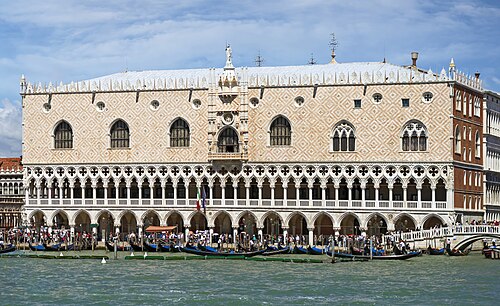
Palazzo Ducale
The Doge's Palace, known locally as Palazzo Ducale, stands as a defining landmark of Venice. This Gothic palace served as the residence of the Doge, the elected leader of the former Venetian Republic, and housed the republic's main governing bodies.
Piazza San Marco is the principal public square of Venice, and to Venetians it is simply la Piazza.
Ponte di Rialto
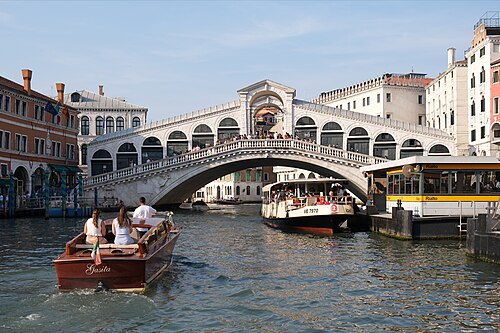
The Ponte di Rialto is the oldest of the four bridges that cross the Grand Canal inside Venice, and until the Accademia bridge was built in 1854 it was the only one.
Collezione Peggy Guggenheim
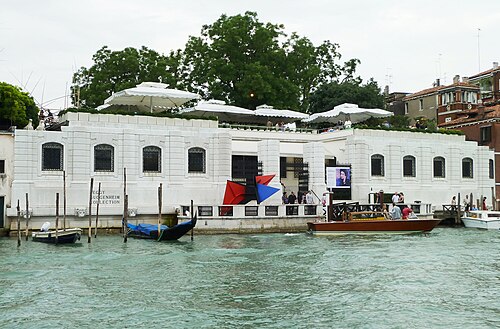
The Peggy Guggenheim Collection is a modern art museum on Venice's Grand Canal. Housed in the Palazzo Venier dei Leoni, an unfinished 18th-century palace, it was the former home of American heiress Peggy Guggenheim.
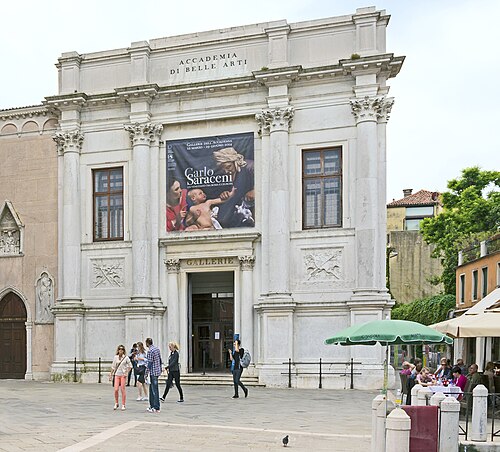
The Gallerie dell'Accademia holds the state collection of Venetian painting from the fourteenth century to the early nineteenth, standing on the Dorsoduro bank of the Grand Canal at the foot of the Accademia bridge.
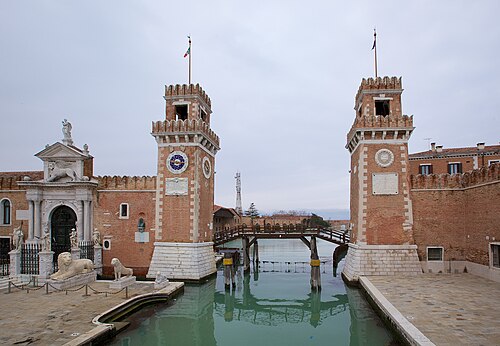
Arsenale di Venezia
The Venetian Arsenal is a vast former shipyard complex in Venice's Castello district. Established in the twelfth century, it became one of Europe's largest industrial centres before the modern era, producing merchant and naval vessels using innovative assembly-line techniques.
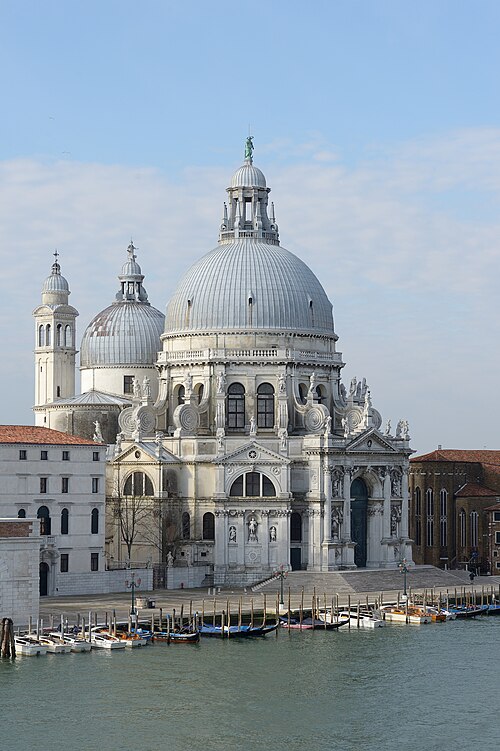
Santa Maria della Salute
Santa Maria della Salute is a votive church standing at the mouth of the Grand Canal, raised by the Venetian Republic as a prayer and a thanksgiving for the city's deliverance from the plague of the seventeenth century.
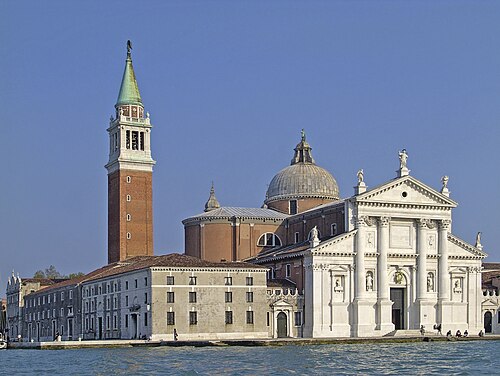
Basilica di San Giorgio Maggiore
San Giorgio Maggiore is a Benedictine basilica standing alone on its own island in the lagoon, directly across the water from the Piazzetta di San Marco.
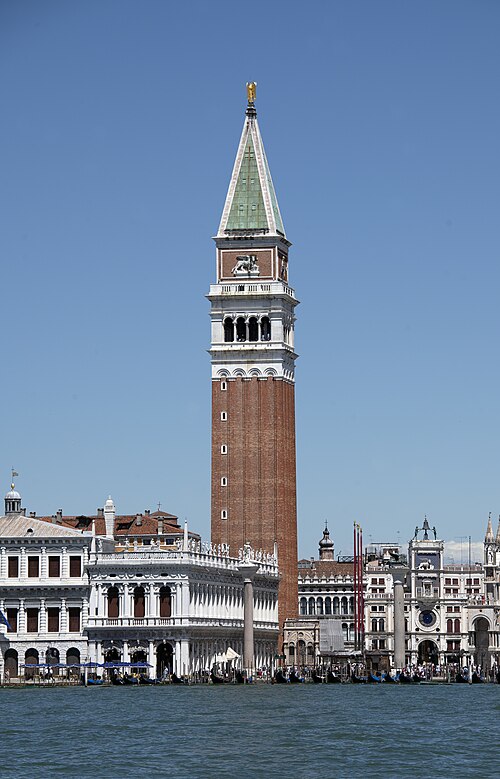
Campanile di San Marco
The Campanile di San Marco is the free-standing bell tower of St Mark's Basilica, 98.6 metres tall, and the thing a visitor rides to the top of is a square brick shaft twelve metres on each side and 53.75 metres…
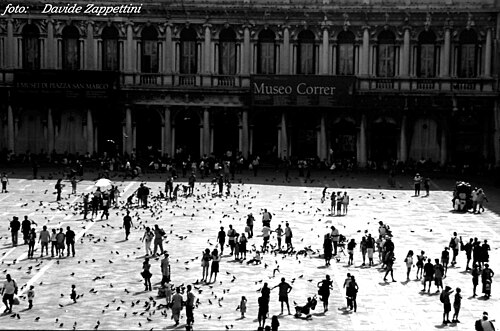
Museo Correr is a museum located in Venice, Italy. It occupies part of the Procuratie Nuove in Piazza San Marco, facing the Basilica di San Marco.
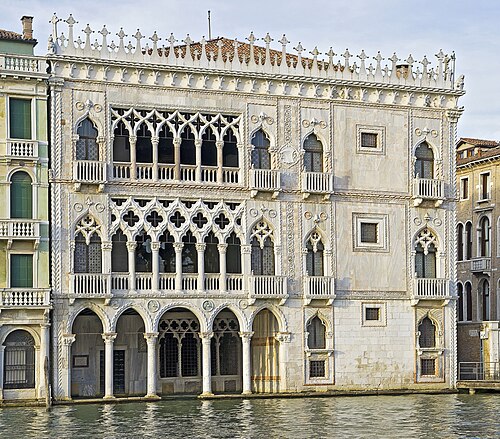
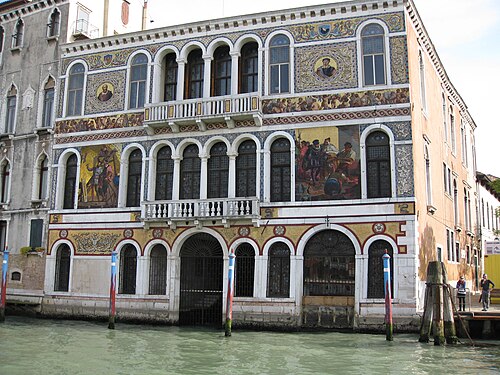
Ca' d'Oro is one of the great late Gothic palaces on the Grand Canal, and since 1927 it has been a state gallery rather than a house.
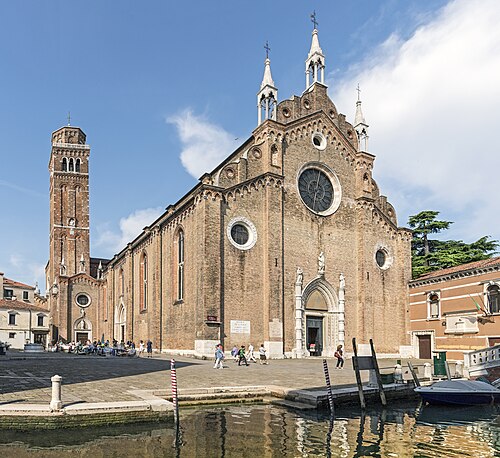
Basilica di Santa Maria Gloriosa dei Frari
The Basilica di Santa Maria Gloriosa dei Frari is the Franciscan church of San Polo, and Venetians shorten its name to the Frari.
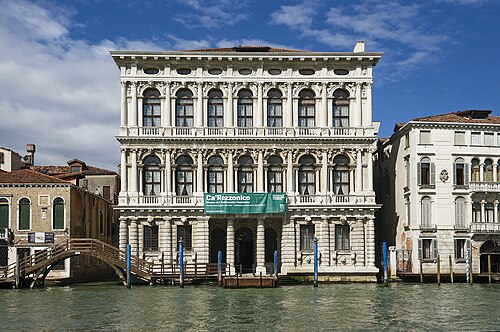
Museo Ca' Rezzonico
Ca' Rezzonico is a palazzo on the Grand Canal in Venice, now operating as the Museum of Eighteenth Century Art. The building itself represents Venetian Baroque residential architecture, constructed across the seventeenth and eighteenth centuries.
Museo del Vetro
The Murano Glass Museum, known locally as Museo del Vetro, is a museum dedicated to the art and history of glassmaking on the island of Murano in the Venetian Lagoon.
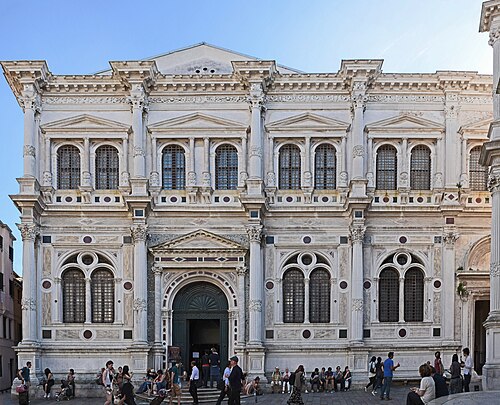
The Scuola Grande di San Rocco is a historic confraternity building in Venice, founded in 1478 and dedicated to Saint Roch, patron saint of plague victims.
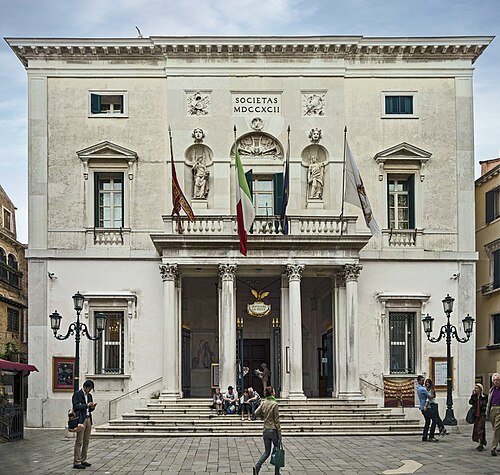
Teatro La Fenice is Venice's principal opera house and among Italy's most renowned theatres. The name La Fenice, meaning The Phoenix, references the theatre's history of rising from devastating fires.
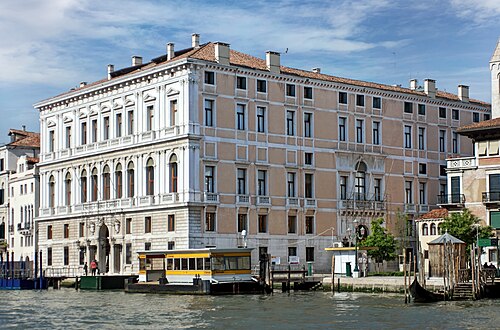
Palazzo Grassi is an eighteenth-century palace on Venice’s Grand Canal. Built for the Grassi family, it now operates as a contemporary art museum and exhibition venue.
Punta della Dogana is the triangular tip between Venice’s Grand Canal and Giudecca Canal.
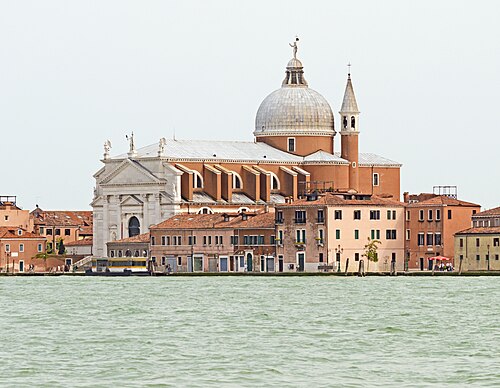
Chiesa del Redentore
Il Redentore, locally known as Chiesa del Redentore, stands as a significant church on the Giudecca island in Venice.
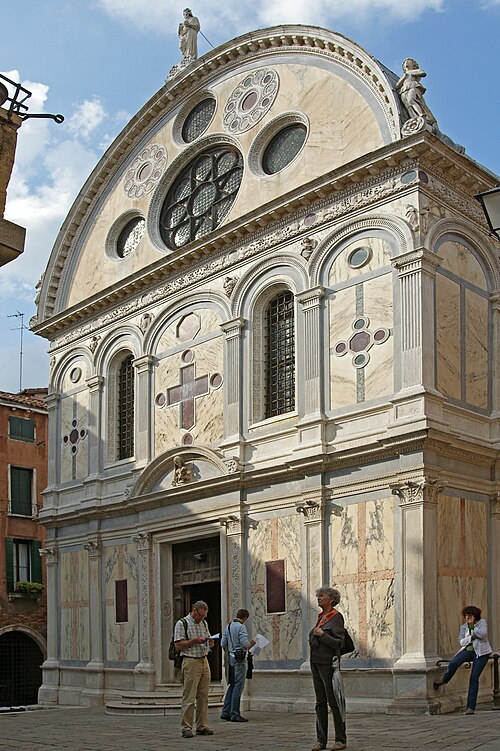
Chiesa di Santa Maria dei Miracoli
Santa Maria dei Miracoli is a Renaissance church in Venice, locally known as Chiesa di Santa Maria dei Miracoli. It was built between 1481 and 1489 to house a miraculous icon of the Virgin Mary.
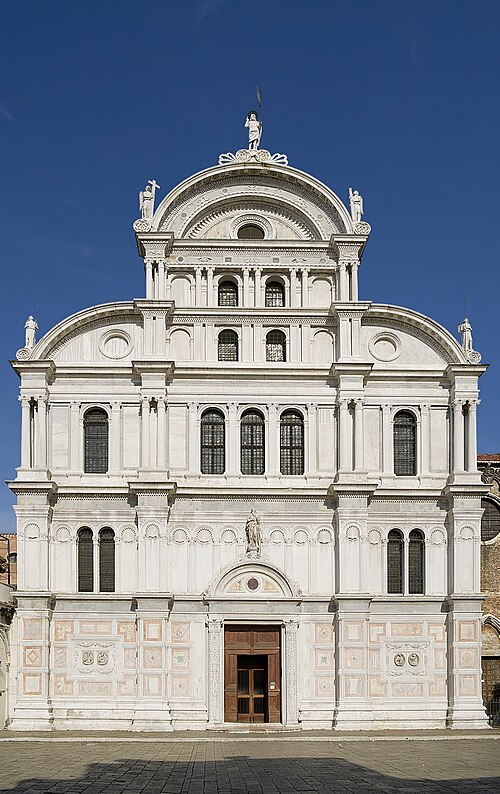
Chiesa di San Zaccaria
San Zaccaria, also called Chiesa di San Zaccaria, is a historic church near Venice’s waterfront, east of Piazza San Marco. It stands in the Castello sestiere and reflects a transition between Gothic and Renaissance architecture.
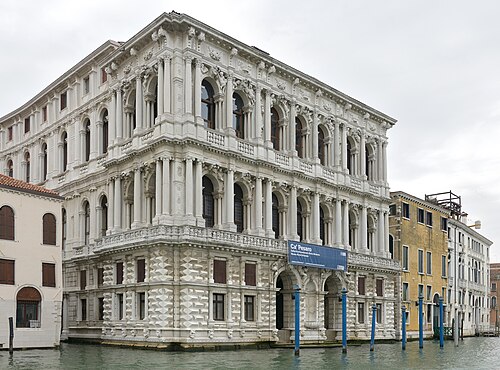
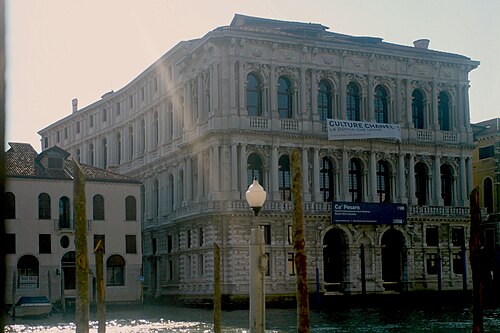
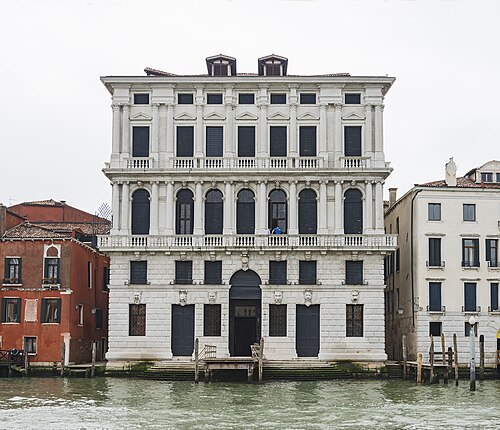
Ca' Pesaro is a Baroque palazzo situated on the Grand Canal in Venice's Santa Croce district. Constructed for the noble Pesaro family, the building was designed by architect Baldassare Longhena, with completion by Antonio Gaspari after Longhena's death.
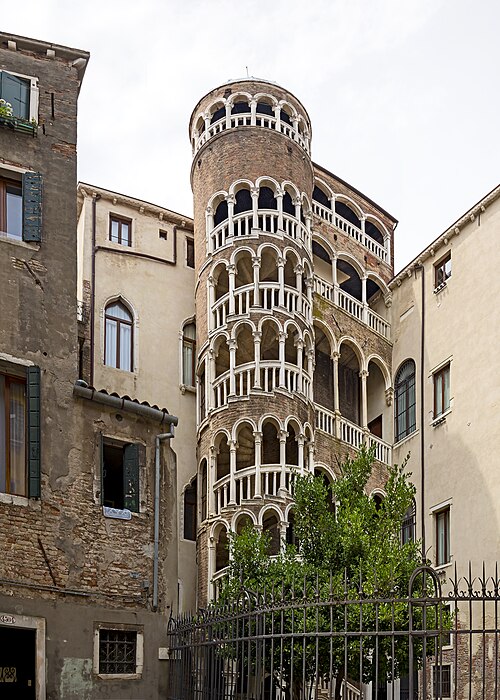
Palazzo Contarini del Bovolo is a historic Venetian palace in the San Marco district, distinguished by its external spiral staircase, the Scala Contarini del Bovolo.
Ghetto di Venezia
The Venetian Ghetto is Venice’s historic Jewish quarter in Cannaregio, established in 1516 on the site of an iron foundry.
Ponte dei Sospiri
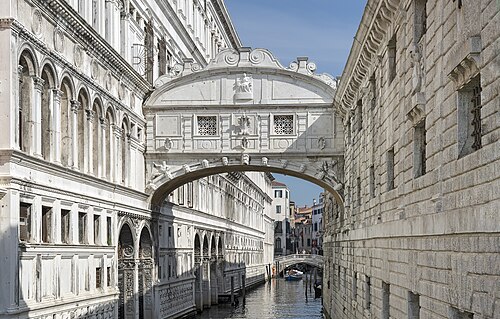
The Bridge of Sighs, or Ponte dei Sospiri, is an enclosed limestone bridge in Venice’s San Marco district. It crosses the Rio di Palazzo and links the Doge’s Palace with the New Prison.
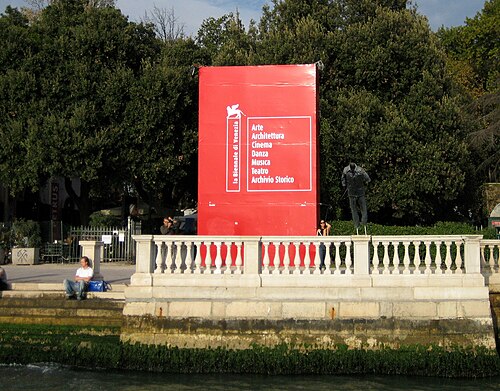
Giardini della Biennale is a historic park complex in the Castello district of Venice, Italy.
Fondazione Querini Stampalia is a cultural institution in Venice, Italy, combining a historic house museum, art gallery, library, and architectural garden. It occupies a palazzo in the Castello district, near Santa Maria Formosa.
Museo Ebraico
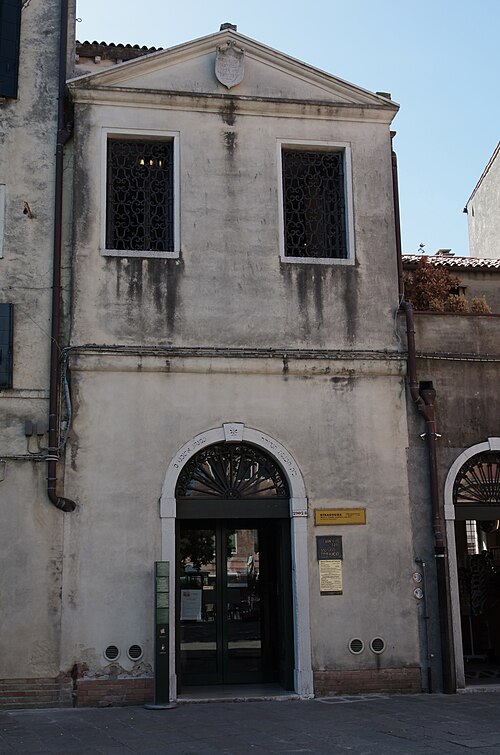
The Museo Ebraico di Venezia sits in the historic Venetian Ghetto in Cannaregio, a district established in 1516 and among Europe’s oldest segregated Jewish quarters.
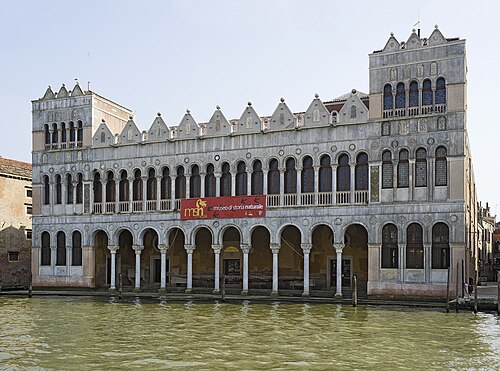
Museo di Storia Naturale di Venezia occupies the historic Fondaco dei Turchi beside the Grand Canal. The building gives the visit an architectural setting as distinctive as the collections inside, with Venetian-Byzantine details and a canal-side position.
Museo Storico Navale is Venice’s naval history museum in the Castello district, close to the Venetian Arsenal. The museum explores the maritime power that shaped Venice, from the era of the Venetian Republic to the modern Italian Navy.
Basilica dei santi Giovanni e Paolo
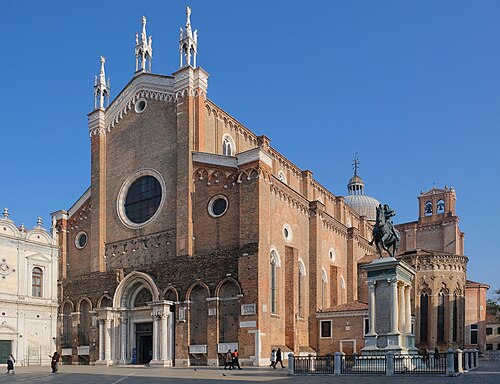
Basilica dei Santi Giovanni e Paolo is one of Venice’s major Gothic churches, standing in the large Campo Santi Giovanni e Paolo in Castello. Venetians also call the basilica San Zanipolo.
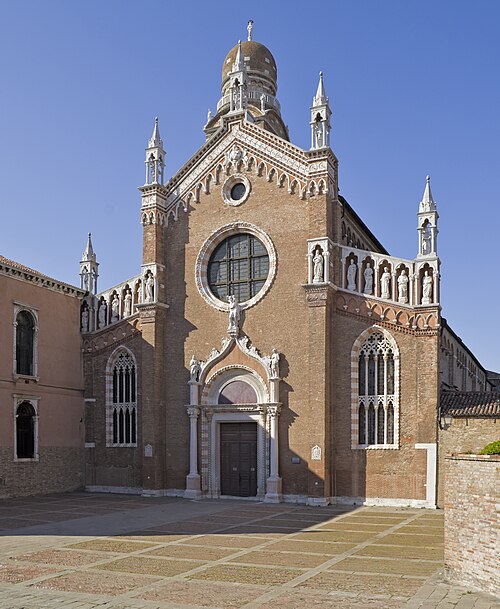
Madonna dell'Orto is a Gothic church in Venice's Cannaregio district. Founded in the mid-14th century by the now-defunct Humiliati order, it later became a parish church.
Basilica di San Pietro di Castello
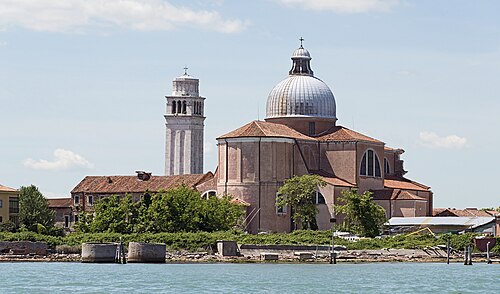
The Basilica di San Pietro di Castello is a historic church in Venice, located on the eastern end of the main island group in the Castello sestiere.
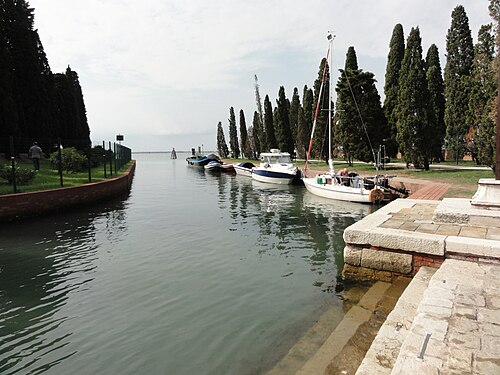
Chiesa di Santa Maria Formosa
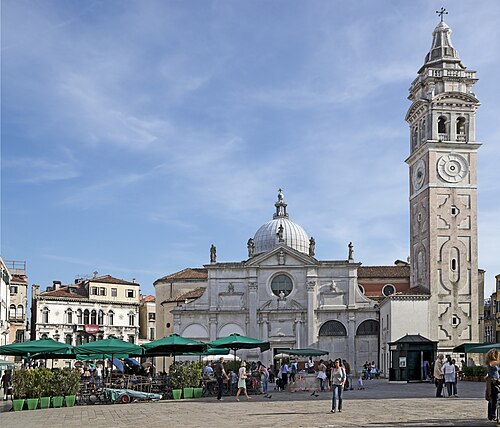
Santa Maria Formosa is a historic church in the large and unusually shaped Campo Santa Maria Formosa in Venice’s Castello district.
Lido di Venezia
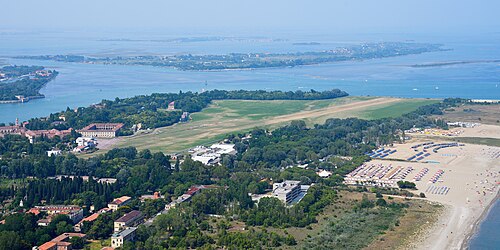
Lido di Venezia is an 11-kilometre-long barrier island in the Venetian Lagoon, separating the lagoon from the Adriatic Sea. It forms part of the municipality of Venice and serves as the city's primary beach resort area.
Monastero di San Lazzaro
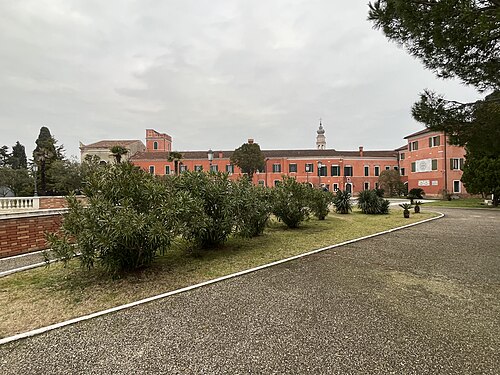
The Monastery of San Lazzaro degli Armeni is an Armenian Catholic monastery located on a small island in the Venetian Lagoon.
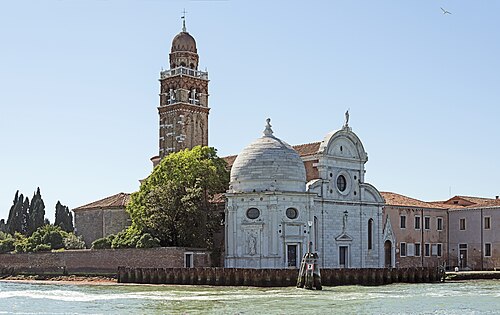
San Michele in Isola is a Renaissance church on the island of San Michele in the Venetian Lagoon.
Fondazione Prada’s Venice venue occupies Ca’ Corner della Regina in the Santa Croce district, overlooking the Grand Canal. The operator dates the present palace to 1723–1728 and identifies Domenico Rossi as its architect for the Corner family of San Cassiano.
San Francesco del Deserto is a small island monastery in the Venetian Lagoon, located between Venice proper and Burano.
Giardini Reali di Venezia
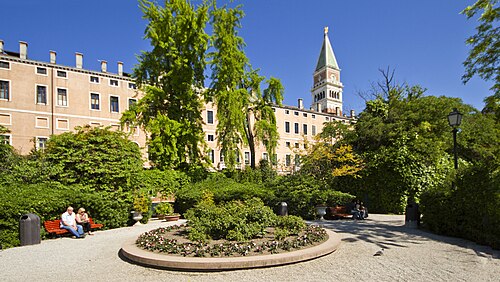
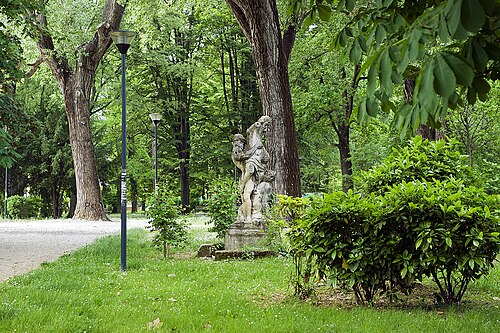
Giardini Reali is a historic formal garden beside Piazza San Marco, where a small landscaped space interrupts Venice’s dense stone-and-water cityscape. Its position near the Royal Palace area makes it an easy addition to a walk through San Marco.
Museo del Merletto di Burano
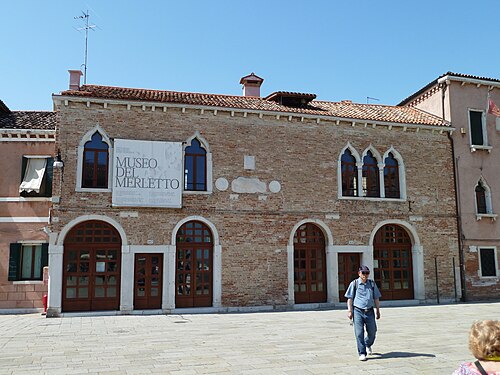
The Lace Museum stands on Piazza Galuppi, the single square of Burano, in the historic palace of the Podestà of Torcello.
Batteria Vettor Pisani
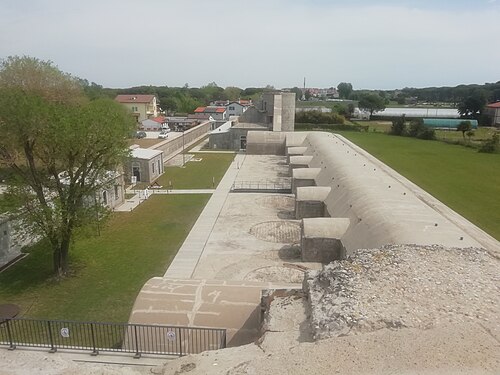
Batteria Pisani, also known as Batteria Vettor Pisani, is a military heritage site connected with Venice’s lagoon defenses. Its name links the place with the Venetian admiral Vettor Pisani and the city’s maritime history.
M9 Museo 900
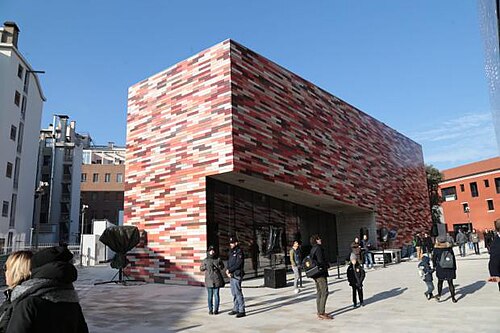
M9 Museum, known locally as M9 Museo 900, is a cultural institution in Venice dedicated to twentieth-century Italian history. The museum occupies a significant position within the city's museum landscape, offering visitors an exploration of recent historical narratives.
Museo Casa Andrich
Museo Andrich, also known as Museo Casa Andrich, is a small house museum in Venice. Its identity is tied to an intimate domestic setting rather than the scale of the city’s major public museums.
Museo archeologico nazionale di Venezia
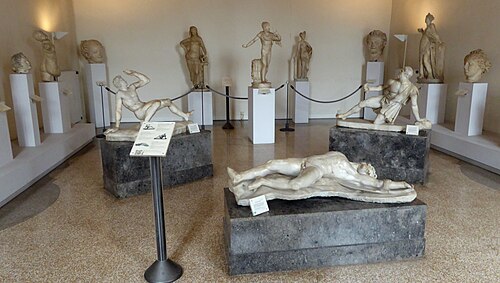
The Museo Archeologico Nazionale di Venezia is a national archaeological museum housed within the Procuratie Nuove in Piazza San Marco. It holds collections of Greek and Roman antiquities, sculptures, bronzes, gems, and coins.
Palazzo Mocenigo
Museo di Palazzo Mocenigo is a museum in a historic Venetian palace beside the Grand Canal. It introduces visitors to the world of Venetian dress, textiles, fragrance and aristocratic domestic life.
Museo Diocesano
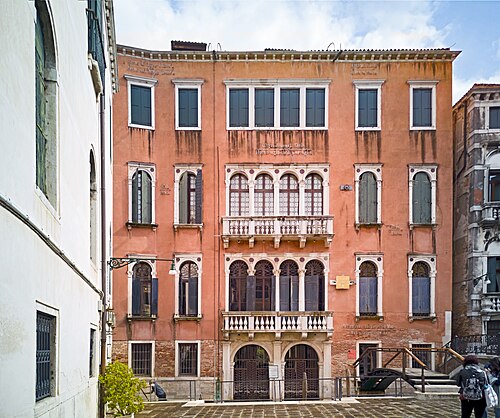
Museo diocesano d'arte sacra Sant'Apollonia is a sacred-art museum near San Marco, housed in the former Benedictine convent of Sant’Apollonia. Its works came from churches within the Venetian diocese and represent centuries of religious painting, sculpture and decorative art.
Museo di Torcello
Museo provinciale di Torcello is the museum of Torcello, an island in the northern Venetian Lagoon.
Museo di icone
The Museum of Icons, also known locally as Museo di icone, is devoted to Eastern Christian religious art. Its collection centers on icons painted on wooden panels within Byzantine and post-Byzantine traditions.
Museo d'Arte Orientale
The Museum of Oriental Art, locally known as Museo d'Arte Orientale, is a museum in Venice dedicated to Asian artistic traditions.
Museo Archeologico Nazionale di Altino is an archaeological museum located in the Veneto region near Venice. The institution preserves and exhibits artifacts from the ancient Roman settlement of Altinum, a significant city that predates Venice itself.
Oratorio dei Crociferi is a small Venetian oratory in Cannaregio, associated with the Crociferi religious order. It belongs to the quieter, more intimate layer of Venice’s ecclesiastical heritage, away from the scale of the city’s celebrated basilicas.
Palazzo Grimani di Santa Maria Formosa is a Renaissance palace in Venice's Castello district. The building belonged to the Grimani family, prominent Venetian patricians who later became cardinals and doges.
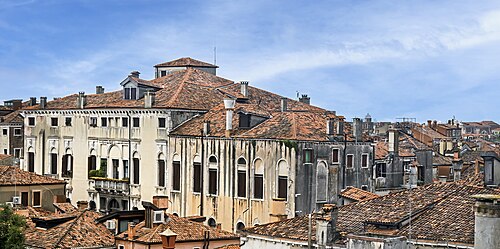
Palazzo Loredan Cini stands as a historic palace in Venice, positioned along the Grand Canal in the San Marco district. The building represents Venetian Gothic architecture with its characteristic waterfront facade.
Palazzo Giustiniani
Ca’ Giustinian is a historic Venetian palazzo in the San Marco district, associated with the city’s tradition of grand residences along the Grand Canal.
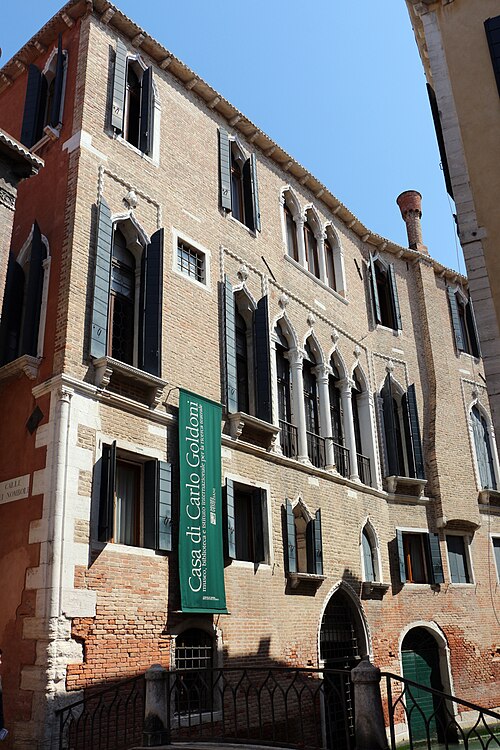
Casa di Carlo Goldoni
Casa di Carlo Goldoni is a museum dedicated to the life and work of Carlo Goldoni, the celebrated 18th-century Venetian playwright.
Forte Mezzacapo
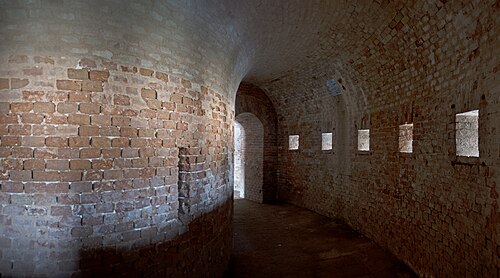
Fort Mezzacapo, or Forte Mezzacapo, is a historic military fortification connected with Venice’s wider defensive landscape. It represents the strategic architecture used to protect the lagoon and surrounding territory.
Forte Sirtori
Fort Sirtori is a military fortification in Venice’s wider defensive landscape, shaped by the need to protect approaches to the lagoon and its settlements.
Forte Batteria Treporti
Fort Treporti, also known as Forte Batteria Treporti, is a historic military fortification in the Venetian lagoon area. It belongs to the defensive landscape that protected Venice and its maritime approaches.
Forte Tron
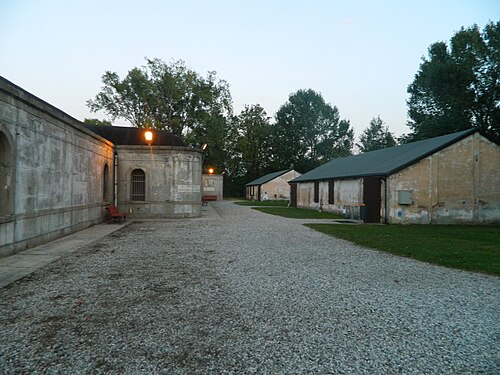
Fort Tron is a Venetian military fortification and a quieter historical counterpoint to the city's churches, palaces, and canals. Known locally as Forte Tron, it represents the defensive side of Venice's past and the strategic importance of the lagoon.
Forte Manin
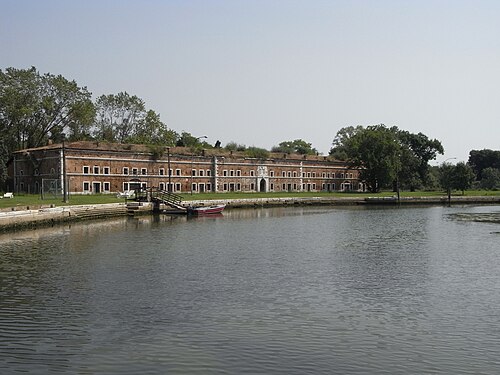
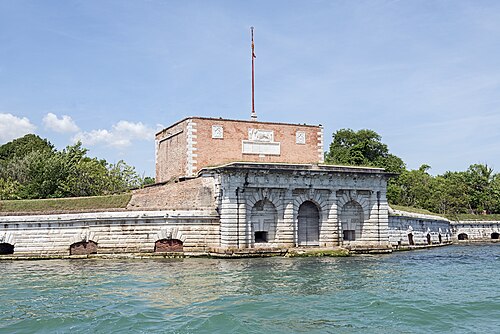
Forte Marghera, known locally as Forte Manin, is a historic fortification situated in the lagoon area near Venice. Built as part of the defensive system protecting the Venetian Republic, it represents significant military architecture from the period.
Istituto Veneto di Scienze Lettere ed Arti
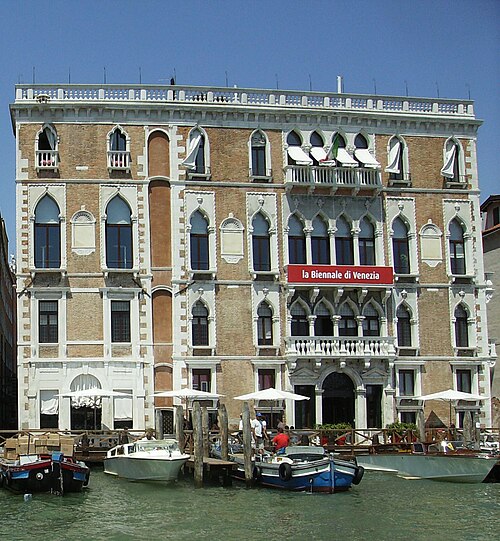
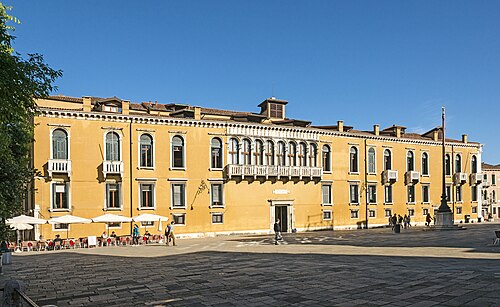
The Istituto Veneto di Scienze, Lettere ed Arti is a historic learned institution in Venice, founded in 1838 and housed in the Palazzo Cavalli Franchetti on the Grand Canal.
Vittorio Emanuele II
The Monument to Victor Emmanuel II is an outdoor civic memorial honoring the first king of unified Italy. In Venice, it connects the city's streetscape with the nineteenth-century Risorgimento and the political transformation that followed Italian unification.
Negozio Olivetti
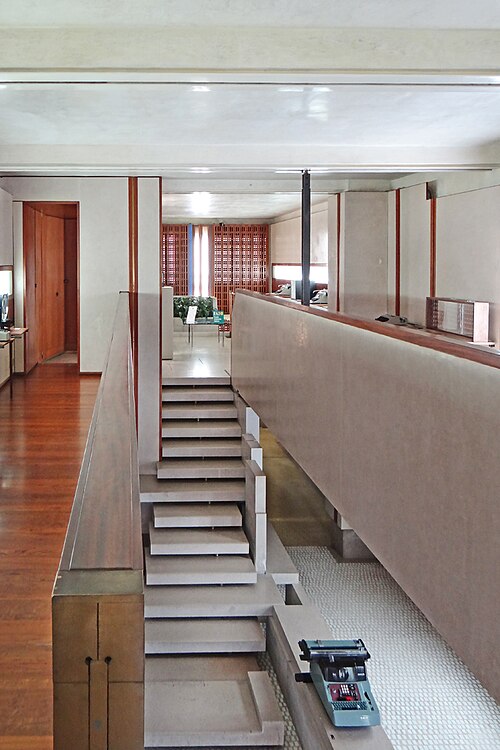
The Olivetti Exhibition Centre, known locally as Negozio Olivetti, is a historic showroom located in Venice, Italy. It was originally designed as a retail space for the Olivetti typewriter company, showcasing the firm's commitment to modernist design and corporate architecture.
Palazzo Erizzo
Palazzo Erizzo a San Martino is a historic Venetian palace in Dorsoduro, identified with the Church of San Martino. It belongs to the architectural world of Venetian noble residences, where grand buildings shaped the city's canals, campos, and streets.
Palazzo Moro
Palazzo Moro a San Barnaba is a historic Venetian palace located in the Dorsoduro district, overlooking the Rio di San Barnaba canal.
Torre dell'orologio
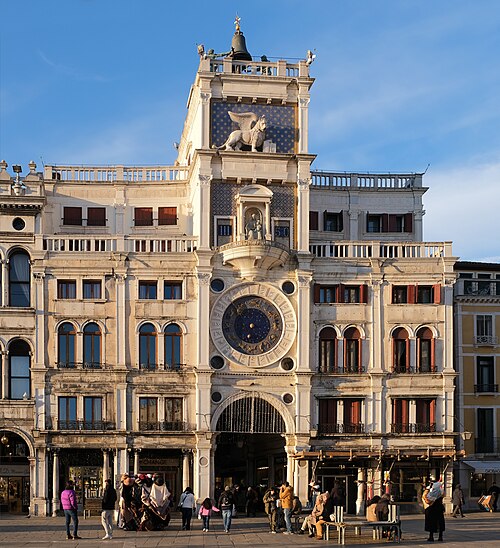
St Mark's Clocktower, or Torre dell'Orologio, is a Renaissance landmark on the north side of Piazza San Marco. Its astronomical clock displays the hours, moon phases and zodiac signs, while two bronze figures strike the bell above.
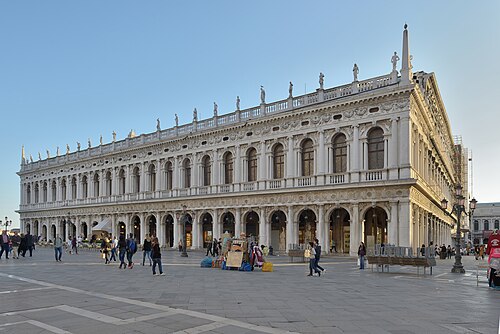
The Biblioteca Nazionale Marciana is a historic library in Venice, Italy, located in the Piazzetta San Marco near the Doge's Palace. Founded in the 16th century, it houses one of Italy's most important collections of classical manuscripts and texts.
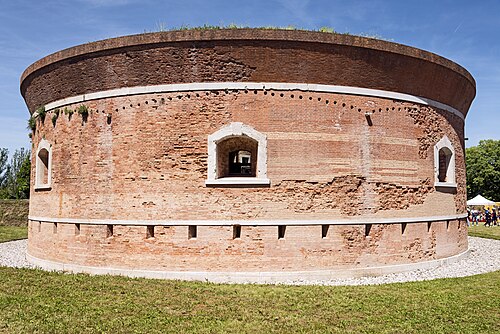
Forte Bazzera is a historic military fortification in the mainland part of Venice's municipal territory. It offers a different perspective on Venice from the lagoon palaces, bridges, and churches of the historic centre.
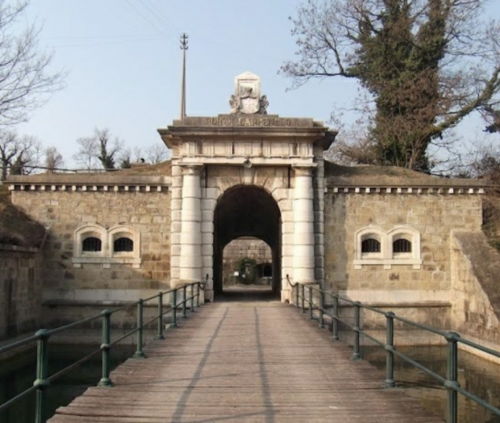
Forte Carpenedo is a military fortification located in the mainland district of Mestre, part of the Venice municipality. It belongs to the system of forts built during the Austrian domination of the Veneto region in the nineteenth century.
Forte di Sant'Andrea is a historic military fortification located on the island of Sant'Andrea in the Venetian Lagoon. Built in the 16th century, it formed part of Venice's defensive system protecting the city from maritime threats approaching from the northeast.
Forte Gazzera is a historic military fortification located in the mainland district of Mestre, part of the municipality of Venice.
Forte Malamocco is a historic fortification on the Lido of Venice, near Malamocco, one of the island's oldest settlements. It belongs to the defensive landscape that protected the lagoon entrance and maritime approaches to Venice.
Forte Rossarol is a military fortification in the Venetian lagoon defensive landscape. Its importance comes from the network of forts that protected Venice and the approaches to its waters, linking the structure to the city's broader military history.
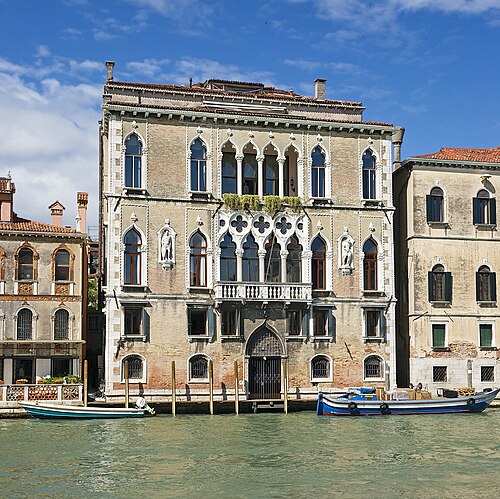
Palazzo Barbarigo is a historic palace on Venice's Grand Canal, associated with the Barbarigo family and the city's patrician residential tradition. Its facade combines Venetian Gothic character with later Renaissance changes, showing how noble houses evolved over time.
Palazzo Bellavite is a historic palace in Venice’s San Marco district. It belongs to the architectural landscape of central Venice, where noble residences, churches, bridges, and narrow streets form a continuous historic setting.
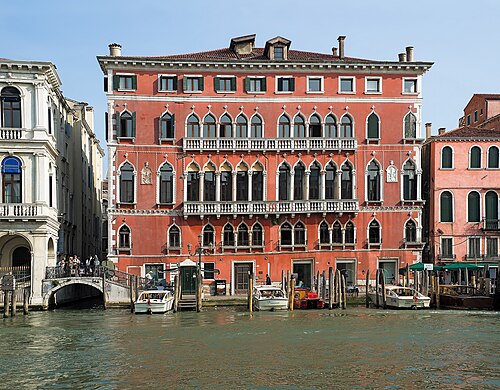
Palazzo Bembo is a historic palace on Venice’s Grand Canal, near the Rialto Bridge. Its Venetian Gothic character, together with later Renaissance elements, makes it a strong example of the layered palazzo facades lining the city’s principal waterway.
Palazzo delle Prigioni stands beside the Doge's Palace on Venice's waterfront, connected by the famous Bridge of Sighs. This former prison building served the Venetian Republic from the 16th century onward.
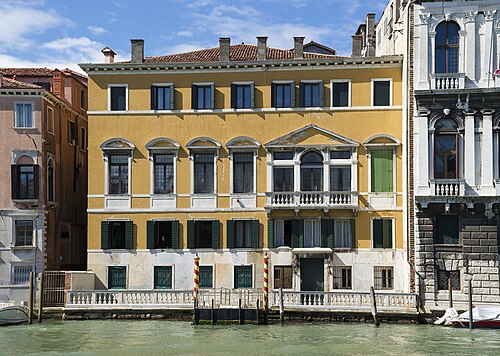
Palazzo Loredan dell'Ambasciatore is a historic Venetian palace located in the Dorsoduro district, overlooking the Grand Canal. It belongs to the Loredan family, one of Venice's most ancient and distinguished patrician houses.
Palazzo Mocenigo Gambara is a historic palace in Venice’s Dorsoduro district, linked with the Mocenigo family, one of the city’s prominent patrician houses. Its significance lies in the combination of noble-family history and Venetian palace architecture.
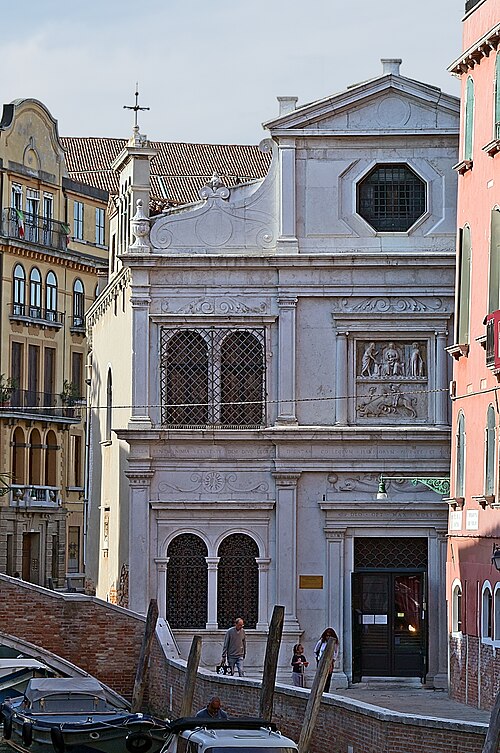
The Scuola di San Giorgio degli Schiavoni is a historic confraternity building in Venice, Italy. Founded in the 15th century, it served as the headquarters for the Dalmatian Schiavoni community resident in Venice.
Torre Massimiliana is a compact fortified tower standing in the Venetian lagoon, away from the dense streets and monumental interiors of Venice’s historic centre.
Giardino Eden Hundertwasser
The Garden of Eden, also known locally as Giardino Eden Hundertwasser, is a Venice garden associated with the artistic vision of Friedensreich Hundertwasser.
Parco Andrea Zanzotto
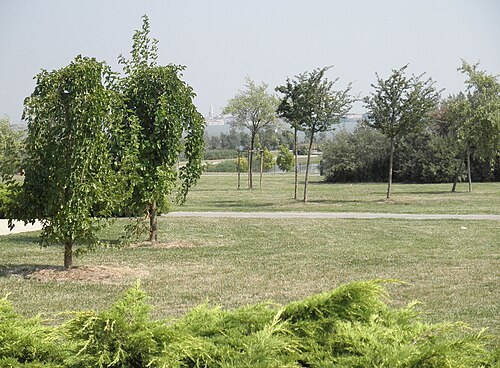
Parco di Villa Querini is a public park in Mestre, the mainland district of Venice. The park occupies grounds associated with Villa Querini and is also known locally as Parco Andrea Zanzotto.
Parco San Giuliano
San Giuliano Park is a large public green space on the mainland side of the Venice lagoon.
Teatro del Parco
Biblioteca Carpenedo Bissuola, locally known as Teatro del Parco, is a cultural venue in Venice's mainland district of Mestre.
The Campanile di San Giorgio Maggiore is the freestanding bell tower of San Giorgio Maggiore church, located on the island of San Giorgio Maggiore across the Bacino di San Marco from central Venice.
Teatrino di Palazzo Grassi
Teatrino di Palazzo Grassi is the small theatre attached to Palazzo Grassi, the contemporary art museum on Venice’s Grand Canal. The venue belongs to the Pinault Collection’s cultural complex and continues the Venetian tradition of palace performance spaces.
Teatro stabile del Veneto Carlo Goldoni
Teatro Goldoni, formally Teatro Stabile del Veneto Carlo Goldoni, is a historic performing-arts venue in Venice. Named for the Venetian playwright Carlo Goldoni, it continues the city's long tradition of theatre and live performance.
Malibran
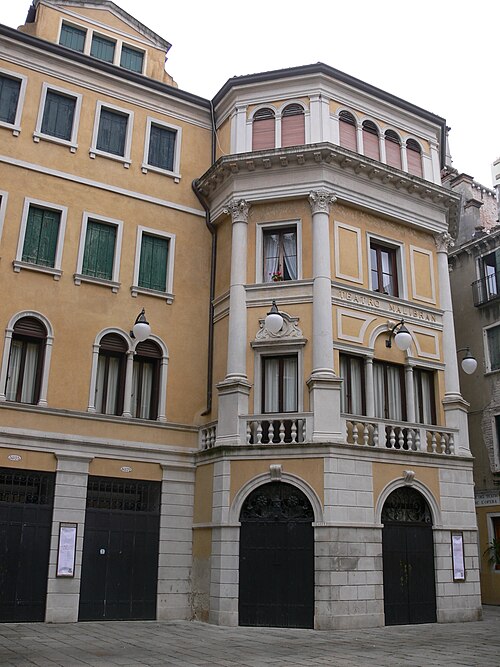
Teatro Malibran is a historic opera house in Venice, Italy, situated in the Cannaregio district. Originally opened as Teatro San Giovanni Grisostomo in 1678, it was later renamed in honour of the celebrated Spanish mezzo-soprano Maria Malibran.
Teatro Arnaldo Momo
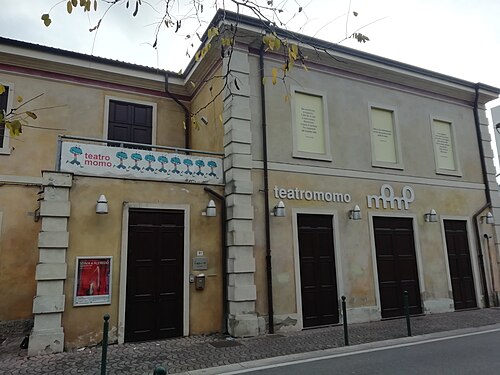
Teatro Arnaldo Momo, commonly called Teatro Momo, is a theatre venue in Venice. The name honours Arnaldo Momo and places the venue within Venice’s performing-arts landscape.
Teatro alle Tese is a theatrical venue located in Venice, Italy. The name reflects its architectural origins connected to the historic Arsenale complex, where 'tese' refers to the long workshop buildings once used for shipbuilding and maritime production.
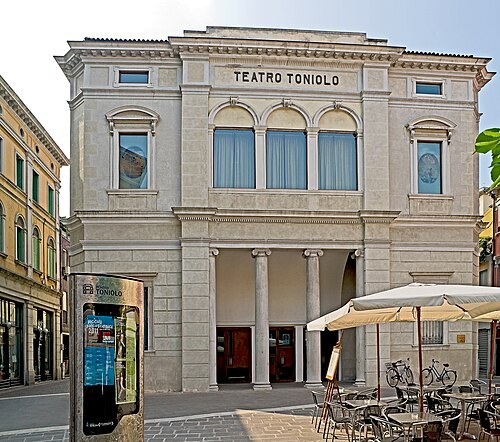
Teatro Toniolo is a historic theatre in Venice, Italy, serving as a significant cultural venue within the city's performing arts landscape.
Teatro Verde is a theatre in Venice, Italy, known by the name “Green Theatre.” The venue belongs to Venice’s broader performing-arts landscape, a cultural tradition associated with opera, drama and music.
Altino
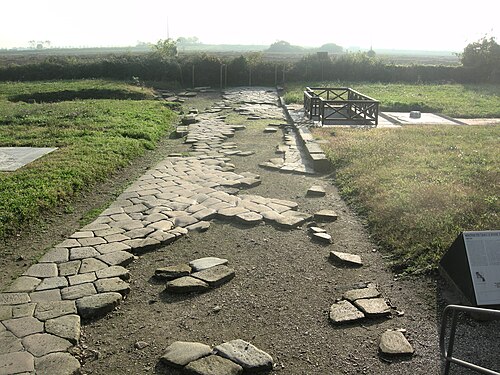
Altinum, also called Altino, is an ancient Roman settlement on the Venetian mainland near Venice. It was once a significant port city whose commercial and strategic importance connected it with Adriatic trade.
Ca' del Duca
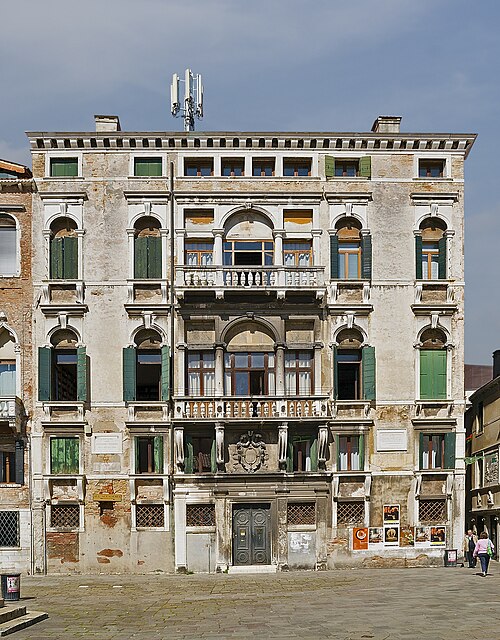
Ca' del Duca is a historic palace in Venice, located in the San Marco district near the Grand Canal. The building represents Venetian Gothic architecture and holds significance in the city's noble residential heritage.
Campo dei Frari
Campo dei Frari is a public square in the San Polo district of Venice, Italy. The campo serves as the open space adjacent to the Basilica di Santa Maria Gloriosa dei Frari, one of the city's most significant Franciscan churches.
La Casa di Bepi Suà
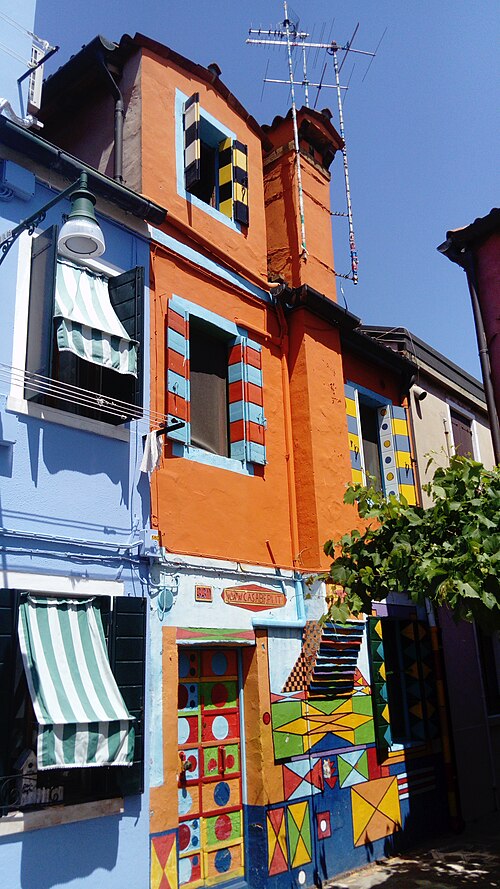
Casa di Bepi Suà is a distinctive residential house in Venice's Burano island, celebrated for its elaborate geometric facade paintings in warm yellow, red, and orange tones.
Colonna di San Marco
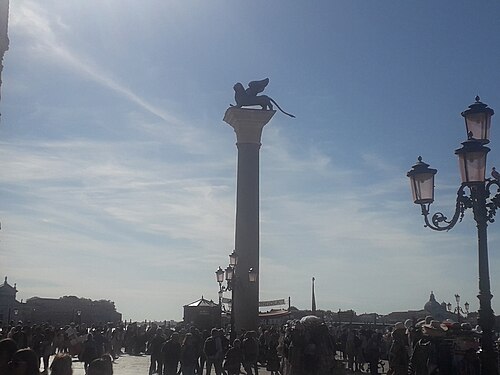
The Column of San Marco stands in Piazzetta San Marco, the ceremonial gateway between the Grand Canal and Venice's principal public square.
Source: OpenStreetMap contributors, Wikidata ·
The Grand Canal curves through the historic centre and separates San Marco and Castello from San Polo, Santa Croce and Dorsoduro. Cannaregio stretches north toward the rail station, while Castello extends east beyond the busiest visitor streets. Piazzale Roma is the road and bus terminus; Santa Lucia is the rail arrival point. Lagoon islands are not extensions of a central walk and need dedicated vaporetto time.
Checked 2026-08-26
Walk within the historic centre and use ACTV water buses for longer canal journeys and lagoon islands. Venezia Unica lists vaporetti, buses, trams, the People Mover and ferry boats within the city transport system, while Alilaguna provides separate water connections to Marco Polo Airport. Routes can be indirect, so group island visits and confirm the current timetable before relying on a transfer.
Checked 2026-08-26
A fixed duration is not recorded. Plan the historic centre first, then reserve separate time for Murano, Burano, Torcello or the Lido if those islands matter to the visit.
Most of the historic centre is explored on foot across bridges and narrow lanes. Water buses are useful for longer canal trips, step-free alternatives and journeys to lagoon islands.
A vaporetto is a public water bus. ACTV routes connect stops in the historic centre with the Lido and lagoon islands as part of Venice's public transport network.
No. They are separate lagoon islands reached by water transport. Combine island stops deliberately and allow for waiting and transfer time between routes.
Venezia Unica identifies Alilaguna as the water connection between Marco Polo Airport and Venice. ACTV city transport and airport services are separate products, so check the correct operator before purchase.