.jpg)
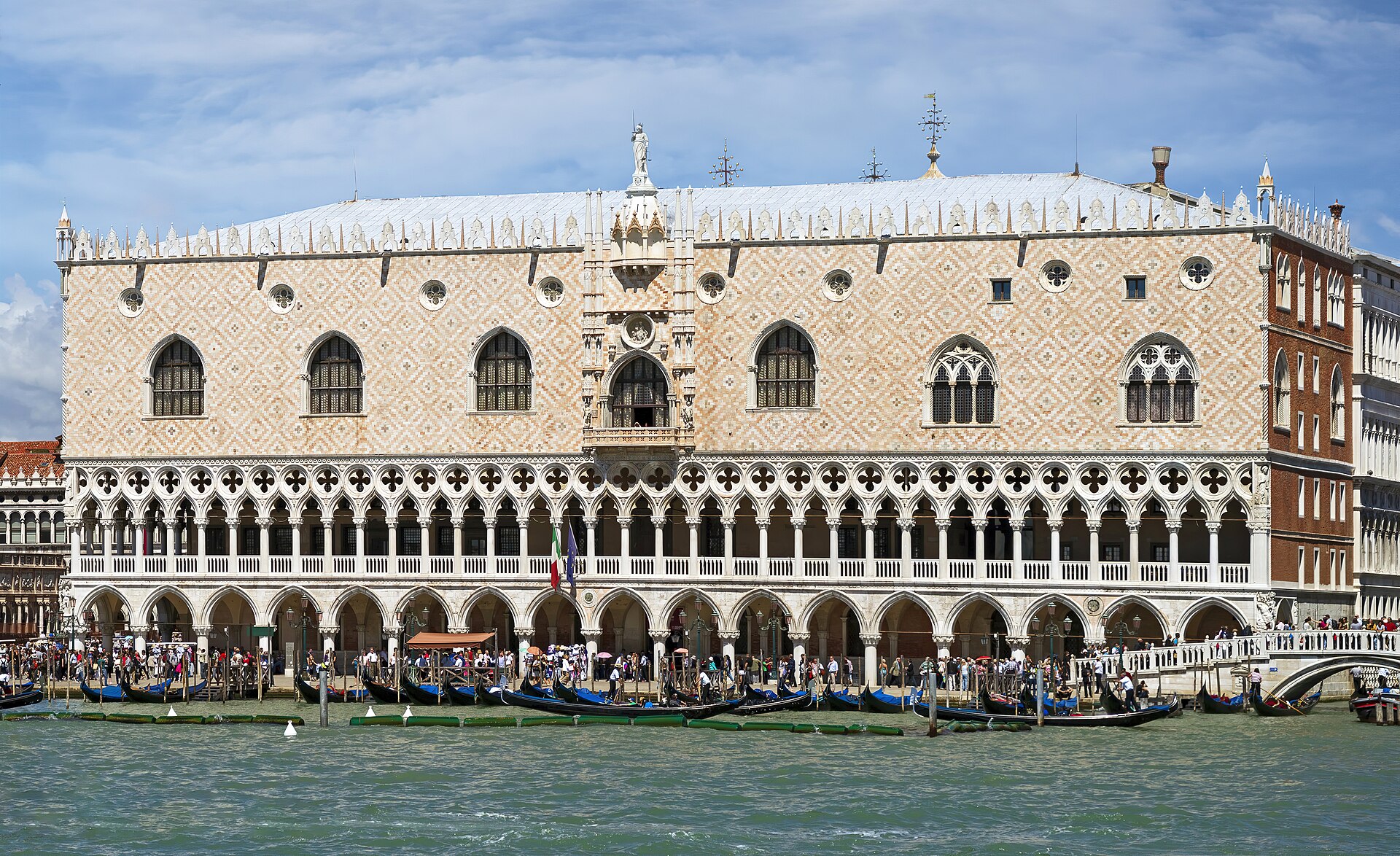
1 min walk
Doge's Palace
- Must see · Heritage site
- Historic monument
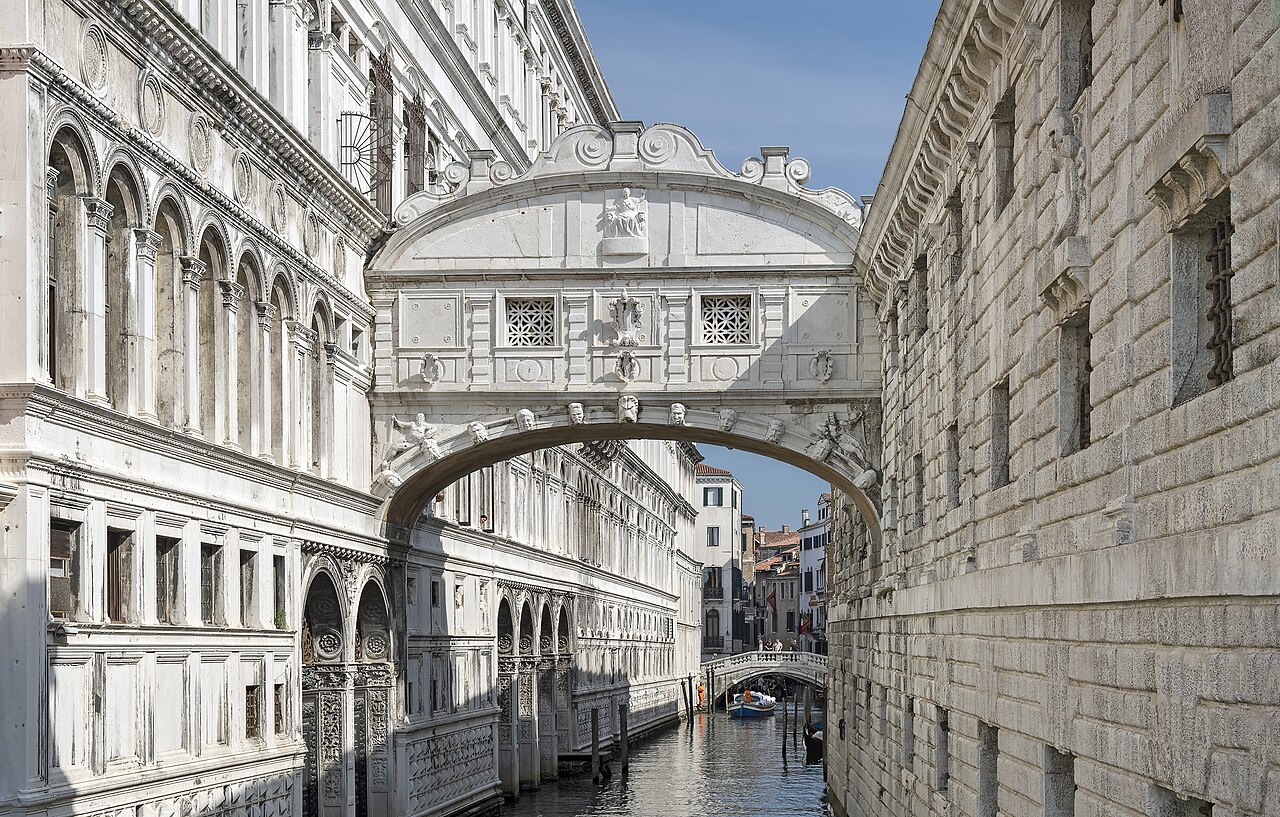
Historic monument · Venice
Ponte dei Sospiri
The Bridge of Sighs, or Ponte dei Sospiri, is an enclosed limestone bridge in Venice’s San Marco district. It crosses the Rio di Palazzo and links the Doge’s Palace with the New Prison. Built in the early seventeenth century, it has Baroque details and small stone-barred windows. Its romantic name became associated with prisoners’ last views of Venice before incarceration, making the bridge one of the city’s defining landmarks. The Bridge of Sighs, known locally as Ponte dei Sospiri, is an enclosed limestone bridge in Venice. It connects the Doge's Palace to the New Prison across the Rio di Palazzo canal. Built in the early 17th century, the bridge features Baroque architectural elements with small stone-barred windows. Its name derives from a romantic 19th-century literary association with prisoners' final views of Venice before incarceration. The structure remains one of Venice's most photographed landmarks and a defining symbol of the city. Crossing the Bridge of Sighs requires access through the Doge's Palace interior route. General public access from exterior positions is not available.
Checked 2026-08-26 · Source
The bridge contains two enclosed passages separated by a wall. Stone walkways lead through a tightly controlled route that once connected the Doge’s Palace’s judicial rooms with prison cells. Small rectangular windows fitted with stone bars provide restricted views of Venice and the surrounding water. Most visitors experience the exterior from nearby bridges and promenades; the interior forms part of the Doge’s Palace visit rather than a separate open attraction. The Bridge of Sighs is an enclosed corridor with two parallel passages separated by a wall. The interior contains stone walkways and small rectangular windows with stone bars. These openings afford limited views of the lagoon and cityscape. The bridge served as a secure transit route between judicial chambers and detention cells. Visitors typically experience the bridge from exterior vantage points rather than entering its interior passage.
Checked 2026-08-26 · Source
Set aside fifteen to thirty minutes to view the bridge from the Riva degli Schiavoni and nearby bridges. That gives enough time to compare angles, notice the limestone carving, and take photographs when the crowd allows. Crossing the interior belongs to a longer Doge’s Palace visit, so allocate additional time if the palace is part of your plan. The bridge itself is a short landmark stop within the San Marco district.
Checked 2026-08-26 · Source
The exterior can be seen from public spaces throughout the day. Early morning is the easiest period for a less crowded view and gives directional light across the pale stone. Midday brings the heaviest pedestrian traffic around the Ponte della Paglia viewpoint. Evening lighting creates a different mood, although architectural detail is less distinct. During acqua alta, lower walkways may be affected and the route to a viewpoint can change.
Checked 2026-08-26 · Source
Viewing the Bridge of Sighs from public exterior viewpoints is free. Walking through the enclosed interior requires entry through the Doge’s Palace, so the bridge is encountered as part of that palace experience. This distinction matters when planning a short photograph stop: you can see the landmark from outside without a museum ticket, while an interior crossing requires the relevant palace admission.
Checked 2026-08-26 · Source
Walk through San Marco toward the Doge’s Palace and the waterfront. San Marco-San Zaccaria and San Marco-Vallaresso are the nearby vaporetto stops, served by waterbus routes including lines 1 and 2. From Santa Lucia railway station, the walk takes about thirty-five minutes. The Ponte della Paglia beside the palace is the familiar viewing position. Expect cobbled paving, bridges, and dense pedestrian movement around the landmark.
Checked 2026-08-26 · Source
The Ponte della Paglia viewpoint becomes crowded, especially during the busiest parts of the day, so keep bags close and leave room for people crossing. Acqua alta can affect low walkways. Unsolicited offers from vendors and tour sellers are common around major Venetian landmarks. The exterior view does not mean that the bridge interior is open to independent pedestrians; interior access belongs to the Doge’s Palace route. Wear shoes suited to stone paving and bridges.
Checked 2026-08-26 · Source
The Ponte della Paglia provides the classic frontal view of the Bridge of Sighs, but it is also the most crowded position. Nearby bridges can offer oblique angles and fewer interruptions. Morning light is useful for revealing the stone façade, while reflections in the Rio di Palazzo can add depth when the water is calm. Keep equipment compact in busy spaces. Exterior photography is straightforward; interior images belong to the palace visit and its rules.
Checked 2026-08-26 · Source
The interior crossing is reached through the Doge’s Palace. The public can view the bridge from exterior positions, but the enclosed passage is not an independent street crossing.
The name comes from a romantic nineteenth-century association with prisoners looking through the bridge’s windows at Venice before entering the prison.
Yes. Exterior viewpoints around the Doge’s Palace and Ponte della Paglia are public spaces. Interior access is part of the Doge’s Palace visit.
The Ponte della Paglia offers the familiar view across the Rio di Palazzo. Nearby bridges provide alternative angles when the main viewpoint is crowded.
Plan fifteen to thirty minutes for exterior viewing, photography, and walking between nearby viewpoints. A palace visit requires substantially more time.
Yes. High water can cover lower walkways around the bridge, so the route to exterior viewpoints may involve elevated platforms or a different approach.
Loading the interactive map…
The interactive map could not be loaded.
Last updated:
Source: OpenStreetMap contributors, Wikidata ·