
1 min walk
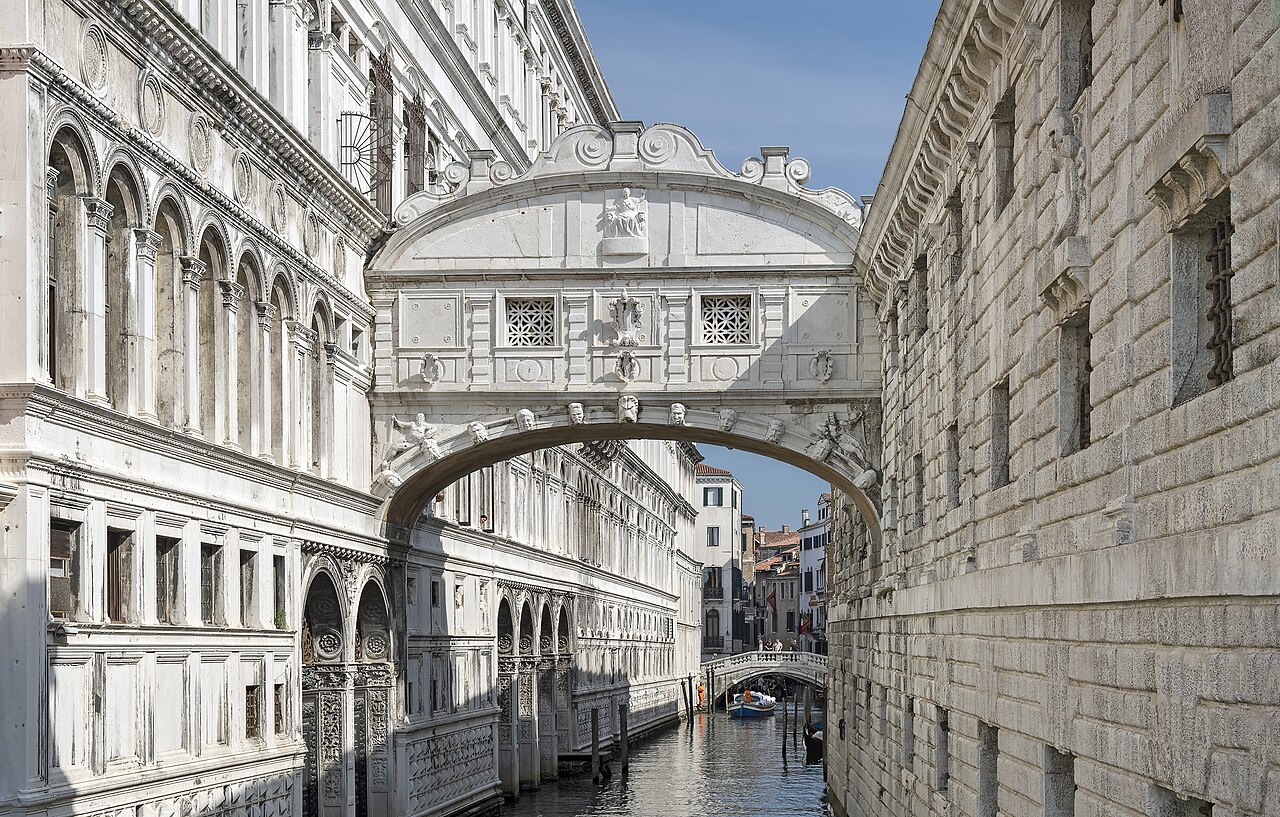
Bridge of Sighs
- Must see
- Historic monument
Museum · Venice
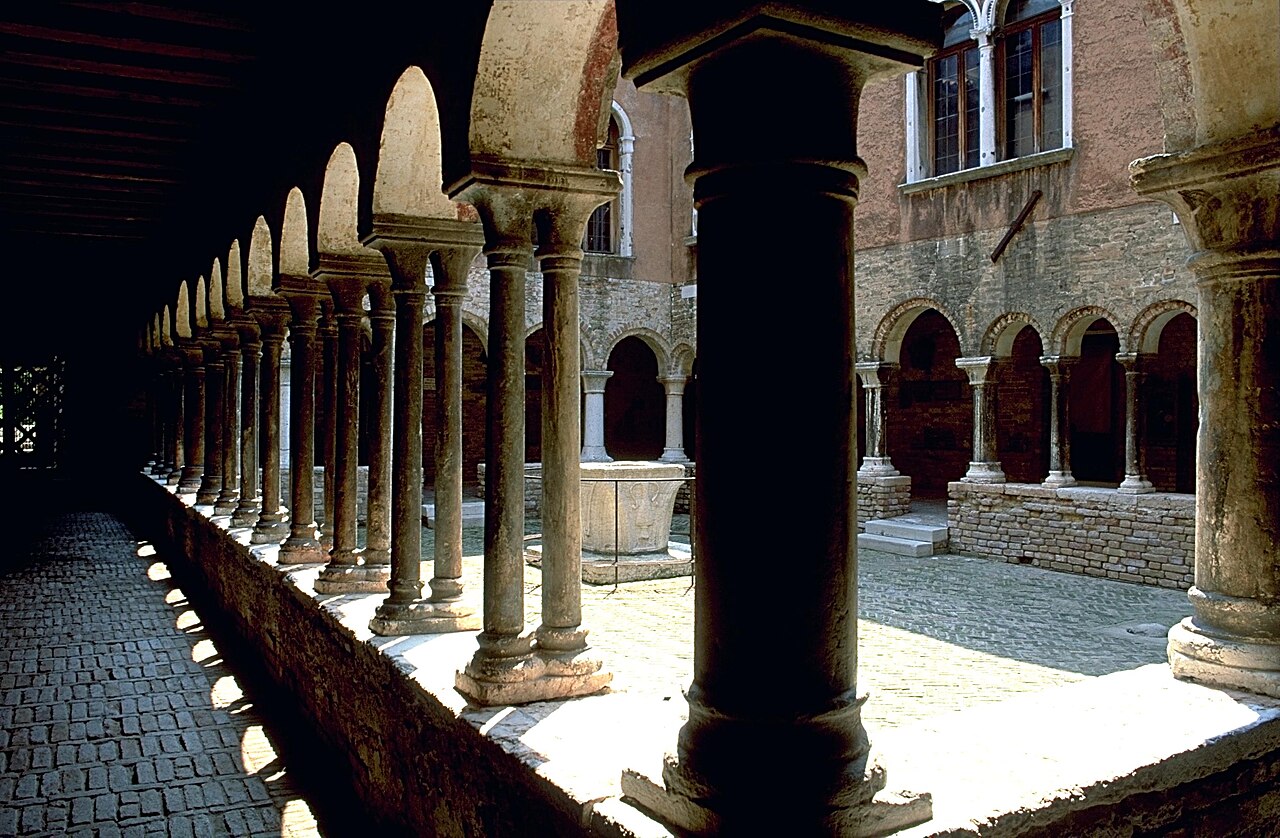
Museo Diocesano
Closed today, Monday. Next open Tuesday at 10:00 — the planner will not place a stop here on a Monday.
Plan around it| Monday | Closed |
|---|---|
| Tuesday | 10:00 – 18:00 |
| Wednesday | 10:00 – 18:00 |
| Thursday | 10:00 – 18:00 |
| Friday | 10:00 – 18:00 |
| Saturday | 10:00 – 18:00 |
| Sunday | 10:00 – 18:00 |
Parsed from OpenStreetMap opening hours on 2026-09-09.
Museo diocesano d'arte sacra Sant'Apollonia is a sacred-art museum near San Marco, housed in the former Benedictine convent of Sant’Apollonia. Its works came from churches within the Venetian diocese and represent centuries of religious painting, sculpture and decorative art. The convent setting matters: visitors encounter devotional objects inside a former religious complex rather than in a neutral gallery. The museum offers a quieter counterpoint to Venice’s headline attractions and suits travelers interested in ecclesiastical history, Venetian artistic patronage and the relationship between worship, architecture and collected art.
Checked 2026-08-26 · Source
The collection includes paintings, sculptures and decorative objects that were made for, or connected with, Venetian churches. Their original liturgical purpose gives the works a different presence from ordinary domestic or civic art. The former convent provides a restrained setting for viewing images and objects shaped by devotion, ceremony and church patronage. Move slowly through the rooms and give attention to both the artworks and the architectural atmosphere around them. The museum’s value lies in the connection between sacred objects, the institutions that preserved them and the wider artistic culture of Venice.
Checked 2026-08-26 · Source
Set aside roughly forty-five to ninety minutes for the museum. A shorter visit is enough to experience the convent setting and see the principal works, while a longer stay suits visitors who enjoy religious iconography, sculpture and Venetian ecclesiastical history. Its compact scale makes it easy to combine with San Marco, nearby churches and the lanes around the lagoon-facing waterfront. Allow additional time for the surrounding district, since the route through Venice’s pedestrian streets can take as much time as the galleries themselves.
Checked 2026-08-26 · Source
Morning is a useful time for a more contemplative visit before the San Marco district becomes busier. Summer and the Carnival period bring heavier pedestrian traffic across central Venice, so the museum can provide a welcome indoor pause. Spring and autumn are comfortable for combining it with nearby churches and walks. During periods of high water, routes through Venice may become slower or uncomfortable, especially around low-lying passages. Treat the visit as part of a flexible San Marco plan, leaving room for bridges, crowds and the atmosphere of the former convent.
Checked 2026-08-26 · Source
Plan this as a dedicated cultural stop within your Venice day and keep some flexibility for the way admission is arranged. Religious museums can use different ticket structures from large civic museums, and the museum may be visited alongside other sacred sites in the district. If your itinerary includes several museums, compare the overall route and ticket plan rather than treating this small collection as a standalone full-day attraction. Carry a practical payment option and allow time for the visit itself, since the former convent setting rewards attention more than speed.
Checked 2026-08-26 · Source
The museum is in the San Marco district, close to Piazza San Marco and the former Sant’Apollonia convent. From the square, continue on foot through the adjoining calli. Waterbus travelers can use the San Zaccaria area and walk onward through the dense historic center. Venice has no ordinary vehicle access within these streets, so every final approach is pedestrian. Bridges and narrow passages can make a short map distance feel longer. Use recognizable landmarks such as San Marco and San Zaccaria, then follow local signs and allow extra time for finding the entrance.
Checked 2026-08-26 · Source
The museum occupies historic religious buildings, where steps, uneven floors and compact rooms can shape the visit. Wear comfortable shoes for the surrounding bridges and paving. Sacred objects deserve quiet, respectful behavior and clothing suited to a religious setting. The San Marco district is busy, particularly around the square and waterbus terminals, so keep personal belongings secure while moving through crowds. High water can affect streets and access routes. The contemplative character of the collection is part of its appeal; give other visitors space and avoid treating the galleries as a quick shortcut between major landmarks.
Checked 2026-08-26 · Source
Follow the museum’s posted photography rules and any instructions beside individual works. Religious paintings and sculptures are best viewed without flash, and quiet galleries are not suited to intrusive filming or large camera equipment. Keep phones and cameras away from barriers and do not interrupt another visitor’s contemplation. The surrounding convent architecture and nearby San Marco streets offer opportunities for exterior photography. Inside, concentrate on the relationship between the artworks and their devotional setting, especially where the restrained rooms help reveal how sacred objects were originally experienced.
Checked 2026-08-26 · Source
The museum presents sacred paintings, sculptures and decorative objects connected with churches of the Venetian diocese.
It is near Piazza San Marco in the former Benedictine convent of Sant’Apollonia, in Venice’s San Marco district.
Most visitors can plan on approximately forty-five to ninety minutes, depending on their interest in religious art and ecclesiastical history.
Yes. The museum is close to Piazza San Marco and works naturally with nearby churches and a walk through the surrounding calli.
The museum occupies the former Benedictine convent of Sant’Apollonia, giving the sacred-art collection a historically religious setting.
Choose comfortable walking shoes for Venice’s bridges and paving, and dress respectfully for a museum displaying devotional art in a former convent.
Loading the interactive map…
The interactive map could not be loaded.
Last updated:
Source: OpenStreetMap contributors, Wikidata ·