
15 min walk
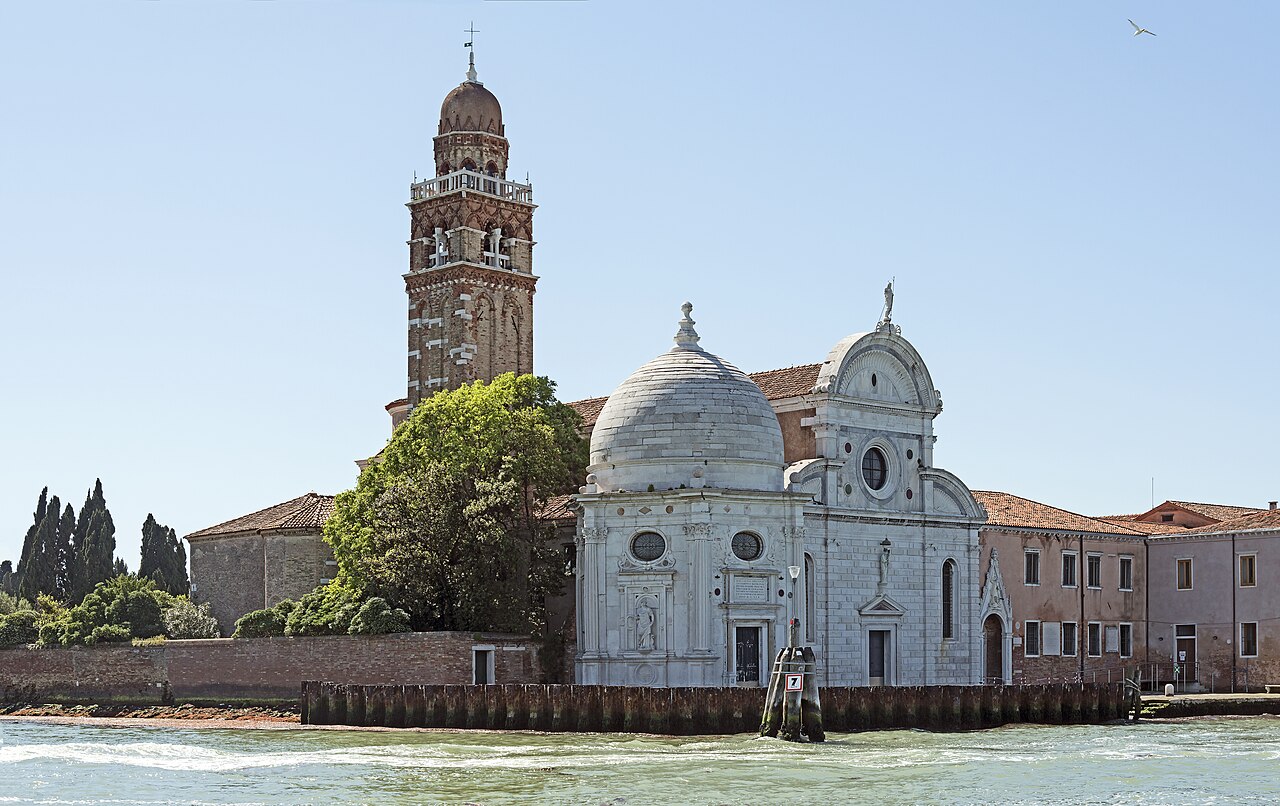
San Michele in Isola
- Must see
- Place of worship
Language · 11 published
Museum · Venice
Museo del Vetro
Reviewed by Elena Voss · Roavina Travel Editor
Read from the OpenStreetMap access tags; anything not listed has no tag recorded.
Set the group type to family in the planner and the day window contracts to about three quarters of a solo day.
This place is a Museum. It opened in 1861. It carries the Italian national heritage heritage designation. It is run by Fondazione Musei Civici di Venezia.
The Murano Glass Museum, known locally as Museo del Vetro, is a museum dedicated to the art and history of glassmaking on the island of Murano in the Venetian Lagoon. Murano has been a center of fine glassmaking since 1291, when the Venetian Republic ordered glass furnaces moved from the main city to this island. The museum occupies the historic Palazzo Giustinian, a building that reflects the architectural heritage of the region. It serves as a custodian of centuries of glassmaking tradition.
Checked 2026-08-26
The museum collections trace the development of Murano glass from ancient times through the present day. Exhibits include archaeological glass, pieces from the golden age of Murano craftsmanship, and contemporary works. Visitors can observe the evolution of techniques including filigree, enamel decoration, and mirror production. The displays encompass both functional objects and artistic creations. Historical tools and documents related to the glassmaking trade supplement the finished works. The collection illustrates how Murano glassmakers maintained competitive advantages through closely guarded technical secrets across generations.
Checked 2026-08-26
A thorough visit to the Murano Glass Museum typically requires between one and two hours. This duration allows adequate time to examine the chronological arrangement of exhibits and appreciate the technical details of significant pieces. Visitors with particular interest in decorative arts or craft history may wish to extend their stay. The museum's layout within the palazzo guides visitors through distinct historical periods. Those combining this visit with exploration of Murano's working furnaces and showrooms should allocate additional time for the island overall.
Checked 2026-08-26
Visitors should consult official sources before planning their trip. Murano island receives substantial tourist traffic, particularly during the peak summer months of June through August. Morning visits may offer a more contemplative experience before larger tour groups arrive. The island's position in the lagoon means it experiences Venice's general seasonal patterns, with winter bringing fewer visitors but potential acqua alta flooding events. Spring and autumn represent intermediate periods for crowd levels. Check the operator's own site for the travel date before relying on a schedule or fare.
Checked 2026-08-26
Visitors should verify current admission fees through official channels before visiting. The museum may participate in combined ticketing arrangements with other Venetian cultural institutions. Various categories of reduced admission potentially apply, though specific eligibility requirements and discount magnitudes require direct confirmation. Some visitors may access the museum through museum pass programs covering multiple Venice sites. Advance reservation policies, if any, should be confirmed with the museum directly rather than assumed. Murano Glass Museum also earns time in a venice itinerary because A ranked visitor place retained from the city fact pack and matched exactly to the production city pool. Its value becomes clearer when the stop is compared with the surrounding streets and the other ranked places nearby. Check the operator's own site for the travel date before relying on a schedule or fare.
Checked 2026-08-26
Murano island lies northeast of Venice's main islands in the Venetian Lagoon. Public vaporetto waterbus lines connect Murano to Venice, with stops including Fondamente Nove and other points. The journey across the lagoon takes approximately fifteen to thirty minutes depending on the specific line and stops. Waterbus services operate on schedules that vary by season and time of day. Visitors should consult current ACTV transport information. Private water taxis offer alternative but considerably more expensive access. The museum sits within walking distance of Murano's vaporetto stops.
Checked 2026-08-26
Murano's commercial glass showrooms surround the museum area, with persistent sales approaches common. Visitors should distinguish between the museum's educational mission and nearby retail operations. Some furnace demonstrations exist primarily to drive product sales rather than provide impartial craft education. Quality and authenticity of glass objects varies significantly across island vendors. The museum itself maintains curatorial standards distinct from commercial presentations. Waterbus services may experience delays or crowding during peak periods. Weather conditions in the lagoon can affect transport reliability, particularly during autumn and winter storm periods.
Checked 2026-08-26
Photography policies within the Murano Glass Museum require direct verification, as restrictions may apply to specific galleries or collection items. Flash photography typically raises conservation concerns for delicate materials including historical glass. Many museums prohibit tripods and selfie sticks regardless of general photography permissions. Visitors should observe posted signage and staff instructions. The palazzo interiors themselves possess architectural photographic interest. External photography of the building faces fewer restrictions. Nearby working furnaces may have separate policies regarding documentation of proprietary techniques. Respect for both institutional rules and artisan intellectual property remains appropriate.
Checked 2026-08-26
No. The museum focuses on historical collections and conservation within Palazzo Giustinian. Working furnaces are separate commercial operations on Murano, though some offer demonstrations.
The museum's primary function is exhibition and education. Commercial glass sales occur at separate retail showrooms and furnace operations throughout Murano island.
Waterbus access involves boarding vessels and navigating island pavements. The historic palazzo building may present architectural barriers. Specific accessibility provisions require direct inquiry.
The collections include contemporary works alongside historical pieces, tracing the full development of Murano glassmaking traditions through present day.
The museum provides educational context about genuine techniques and history. Commercial authentication for purchases requires separate due diligence at point of sale.
Reservation requirements vary and are Not recorded pending review. Visitors should consult official museum sources for current access policies.
Loading the interactive map…
The interactive map could not be loaded.
Last updated:
Source: OpenStreetMap contributors, Wikidata ·