

1 min walk
Teatrino Palazzo Grassi
- Notable
- Art and culture venue
Language · 11 published
Museum · Venice
Reviewed by Elena Voss · Roavina Travel Editor
| Monday | 10:00 – 18:00 |
|---|---|
| Tuesday | 10:00 – 18:00 |
| Wednesday | Closed |
| Thursday | 10:00 – 18:00 |
| Friday | 10:00 – 18:00 |
| Saturday | 10:00 – 18:00 |
| Sunday | 10:00 – 18:00 |
Checked 2026-08-31 · Source
Read from the OpenStreetMap access tags; anything not listed has no tag recorded.
Set the group type to family in the planner and the day window contracts to about three quarters of a solo day.
This place is a Museum. It was established in 1772. It was built in the Neoclassical architecture style. It was designed by Giorgio Massari.
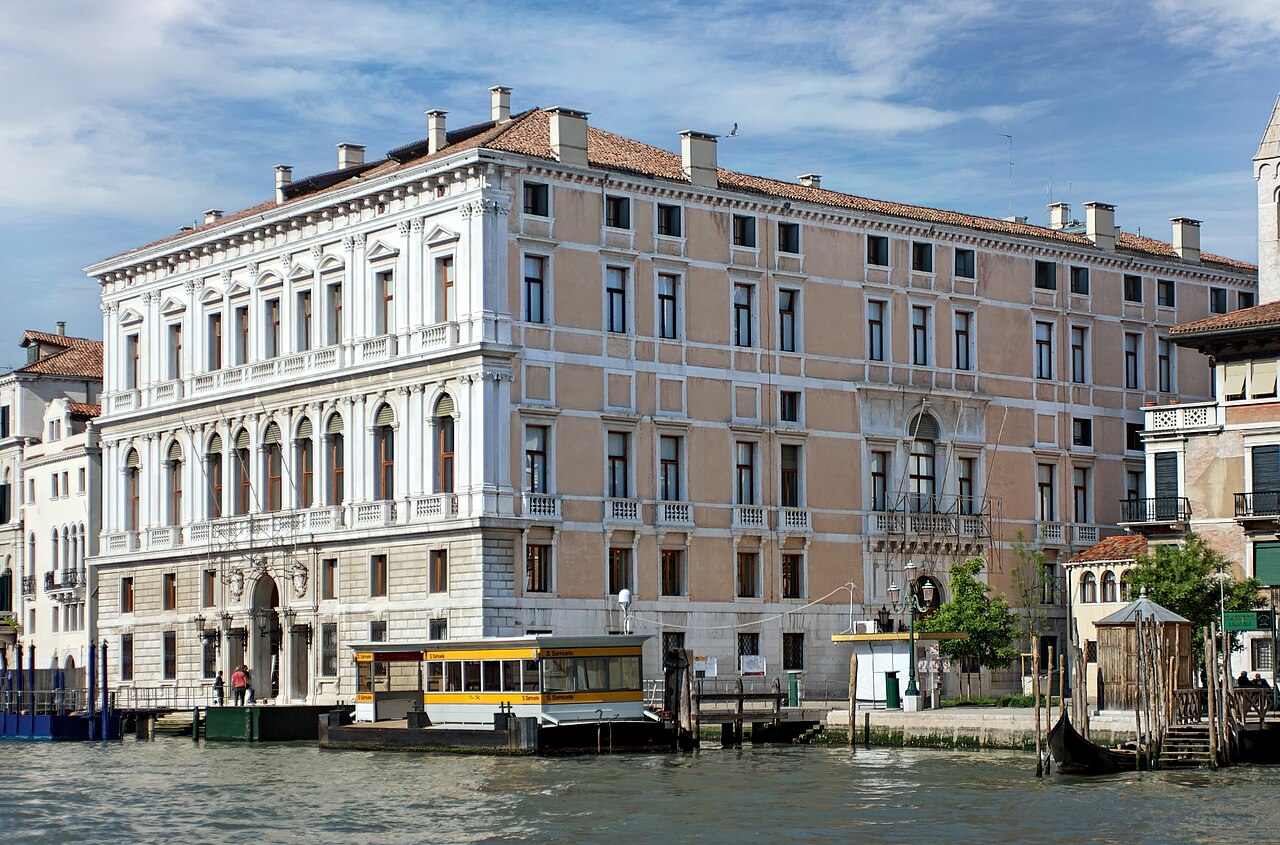
Palazzo Grassi is an eighteenth-century palace on Venice’s Grand Canal. Built for the Grassi family, it now operates as a contemporary art museum and exhibition venue. The symmetrical canal façade and grand scale make the building a destination even before entering. Its present role places changing modern and contemporary art inside a historic Venetian setting. The visit works best as a combination of architecture, gallery viewing and a walk through the surrounding San Marco district. Palazzo Grassi is a historic palace on the Grand Canal in Venice, Italy. The building dates to the 18th century and represents a significant example of Venetian classical architecture. Since 2006, it has served as a contemporary art museum and exhibition space. The palace was originally constructed for the Grassi family, a prominent Venetian dynasty. Its symmetrical facade and grand scale distinguish it from other canal-side structures. The building's current cultural function continues Venice's long tradition of patronage and artistic presentation within historic settings. Visitors should verify current schedules through official channels before planning.
Checked 2026-08-26 · Source
The palace contains exhibition galleries for temporary contemporary art shows. Adapted rooms retain the character of the historic building while accommodating installations of different sizes and media. Displays can occupy ceremonial rooms, gallery sequences and the courtyard, creating changing relationships between artwork and architecture. The programme is not a single permanent route: each exhibition reshapes the visitor experience. Read the rooms as both museum space and palace interior, paying attention to proportions, thresholds and views between galleries. The palace contains exhibition galleries dedicated to temporary contemporary art shows.
Checked 2026-08-26 · Source
Allow about one to two hours for Palazzo Grassi’s museum experience. The exact pace depends on the scale of the temporary exhibition and how closely you read its interpretation. Visitors who enjoy contemporary art may spend longer with individual works, while a quicker visit can focus on the main rooms and the palace itself. Punta della Dogana can be added as a separate art stop, but it deserves additional time rather than being folded into this estimate.
Checked 2026-08-26 · Source
Spring and autumn usually give Venice a comfortable balance of milder weather and manageable sightseeing conditions. Summer and Carnival bring heavier visitor traffic around the historic centre, so the galleries may feel busier. Morning visits often provide a calmer start, especially when paired with a walk beside the Grand Canal. Winter can feel quieter, although the city’s rhythm changes seasonally. Plan around the exhibition you want to see and leave flexibility for Venice’s pedestrian routes and water transport.
Checked 2026-08-26 · Source
Entry is tied to the museum exhibition programme, and the amount can vary with the current show and visitor category. Some visits may be paired with related cultural venues through combined arrangements. Plan the museum as a paid cultural stop rather than an open public courtyard attraction. Online purchase can be useful when a popular exhibition is part of your itinerary. Keep enough time for the galleries after entering; rushing through the rooms weakens the connection between the art and the palace setting.
Checked 2026-08-26 · Source
Palazzo Grassi stands on the Grand Canal in the San Marco area. Vaporetto services provide waterbus access to nearby stops, followed by a walk through Venice’s calli and campielli. From Saint Mark’s Square or the Rialto Bridge, walking is feasible for visitors comfortable with bridges and uneven paving. A water taxi offers a direct canal approach at a higher cost. Use the palace’s prominent Grand Canal position as your orientation point when navigating the dense historic centre.
Checked 2026-08-26 · Source
Venice’s pedestrian network includes stepped bridges, narrow passages and uneven paving, all of which can slow the approach. Crowds are strongest around major landmarks and can affect the final walk. Historic interiors may include changes in level and variable climate control. Keep belongings secure in busy tourist areas and take care near canal edges. Water transport can be disrupted by high water, maintenance or congestion, so avoid planning a tightly timed connection immediately after the museum.
Checked 2026-08-26 · Source
Photography rules belong to the current exhibition and the museum’s gallery practice. Flash, tripods and selfie sticks can interfere with artworks and circulation, while some installations may restrict photography altogether. Follow signs and staff directions room by room. Keep images personal unless separate permission covers commercial or publication use. The palace exterior and Grand Canal setting offer strong architectural subjects, but inside, attentive viewing matters more than collecting images of every gallery.
Checked 2026-08-26 · Source
It is a contemporary art museum and exhibition venue housed in an eighteenth-century palace on the Grand Canal.
Allow about one to two hours, with extra time if you study contemporary artworks closely or add another art venue.
It is on the Grand Canal in Venice’s San Marco area, reached by vaporetto and a walk through the historic centre.
The venue is described here through its temporary contemporary art exhibitions rather than a permanent collection route.
Yes. The walk crosses Venice’s calli, campielli and bridges; allow time for uneven paving and pedestrian congestion.
Wear comfortable walking shoes for Venice’s paving and bridges, and keep belongings secure in crowded parts of the centre.
Loading the interactive map…
The interactive map could not be loaded.
Last updated:
Source: OpenStreetMap contributors, Wikidata ·