.jpg)
2 min walk
Palazzo Grassi
- Must see
- Museum
Language · 11 published
Historic monument · Venice
Ca' del Duca
Reviewed by Elena Voss · Roavina Travel Editor
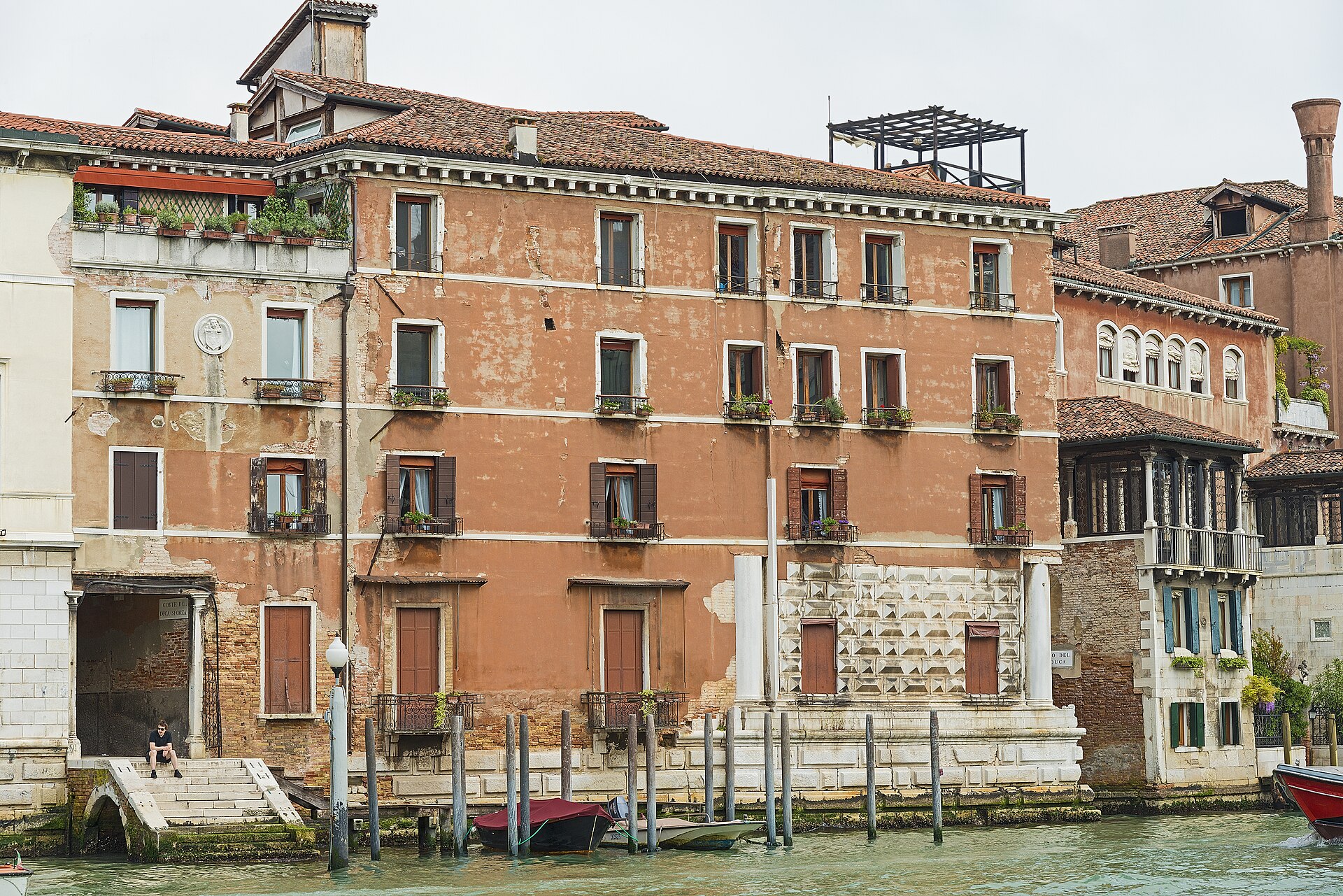
Ca' del Duca is a historic palace in Venice, located in the San Marco district near the Grand Canal. The building represents Venetian Gothic architecture and holds significance in the city's noble residential heritage. Its name references the ducal connection, reflecting the prestige of its original patrons. The palace stands as part of Venice's dense fabric of historic residences that characterize the urban landscape. Visitors encounter it as an architectural landmark rather than a conventional museum or exhibition venue. The structure contributes to understanding how Venetian nobility inhabited and shaped the city over centuries. Its exterior and setting offer insights into palatial design and canal-side placement typical of elite Venetian dwellings.
Checked 2026-08-26 · Source
Historic Venetian palaces of this category typically contained noble residential apartments with reception rooms, private chambers, and service areas arranged around central courtyards or staircases. Decorative elements may have included frescoes, stucco work, and architectural detailing appropriate to the status of occupants. Without verified access information, specific interior features cannot be described with confidence. Visitors should consult current operational sources for any permitted entry and displayed collections. The building's value may lie primarily in its external architectural presence and historical association rather than in accessible interior programming at this time.
Checked 2026-08-26 · Source
If exterior viewing only, visitors might allocate fifteen to thirty minutes to appreciate the facade and canal-side setting within a broader walking itinerary of the San Marco area. Should interior access become available, additional time would be warranted for proper examination of architectural and decorative features. Most visitors would logically combine this site with nearby attractions rather than treating it as a standalone destination requiring extended commitment. Integration into a broader exploration of Venetian palaces and the Grand Canal corridor represents the most efficient approach.
Checked 2026-08-26 · Source
Visitors must verify current accessibility before planning a specific visit. Exterior observation is theoretically possible at any time during daylight hours, though optimal lighting conditions for architectural photography and appreciation occur in morning and late afternoon. Seasonal considerations for Venice generally apply: summer brings crowds and heat, winter risks acqua alta flooding, and shoulder seasons offer moderate conditions. The palace's location in the dense San Marco district means surrounding areas experience significant visitor pressure during peak tourism periods. Early morning visits may provide quieter conditions for contemplation of the building's features without congestion from the broader tourist flow in this central zone.
Checked 2026-08-26 · Source
No admission structure can be specified without verified current information. Many historic Venetian buildings of this type remain private properties or institutional premises without public ticketing systems. If any access program exists, it may operate through special arrangements, guided tours, or cultural events rather than standard commercial admission. Potential costs for any permitted access would need confirmation from authoritative sources. The absence of pricing information in available references suggests this is not a conventional paid attraction. Budget planning should prioritize other confirmed expenses in Venice rather than anticipating specific admission costs here.
Checked 2026-08-26 · Source
Ca' del Duca occupies a position in the San Marco sestiere accessible by foot through Venice's pedestrian network. The nearest vaporetto stops on the Grand Canal would provide the closest public transit access, with walking required through characteristic Venetian calli and campielli. Water taxi services could approach more directly given canal proximity. The dense urban fabric means routes from major landmarks like Piazza San Marco or the Rialto bridge would involve threading through the characteristic narrow passages that define movement in this car-free city.
Checked 2026-08-26 · Source
Visitors should exercise standard caution appropriate to historic urban environments. Venetian palace exteriors may present uneven paving, narrow passageways, and water-adjacent walkways without protective barriers. Acqua alta flooding can render low-lying areas impassable or require raised walkway navigation. The building's status as a ranked visitor place does not guarantee unrestricted access; private property boundaries and any posted restrictions must be respected. Photography policies for exteriors in public thoroughfares differ from those for interiors. Crowding in surrounding San Marco district requires awareness of personal belongings and movement patterns. No specific hazards are documented for this site, but general vigilance in a heavily touristed historic city center remains prudent for all visitors.
Checked 2026-08-26 · Source
Optimal angles would capture the facade relationship to water and surrounding structures. Morning light from the east and late afternoon illumination may enhance architectural detail. Tripod use in narrow passages could obstruct pedestrian flow and may attract attention. Drone operation is heavily restricted in Venice's historic center and should be presumed prohibited without specific authorization. Respect for any adjacent private windows and terraces should guide composition choices.
Checked 2026-08-26 · Source
The building may function as private or institutional premises without regular visitor entry.
No standard ticketing system is documented for this site.
Reach the San Marco district by vaporetto on the Grand Canal, then navigate on foot through the pedestrian network. Precise routing requires current local reference.
Exterior viewing is possible during daylight; interior access status is unverified.
It represents Venetian noble residential architecture with ducal associations, contributing to understanding of elite urban habitation patterns in historic Venice.
Most visitors would logically incorporate exterior observation into a broader San Marco or Grand Canal itinerary rather than treating this as a standalone destination.
Loading the interactive map…
The interactive map could not be loaded.
Last updated:
Source: OpenStreetMap contributors, Wikidata ·