.jpg)
.jpg)


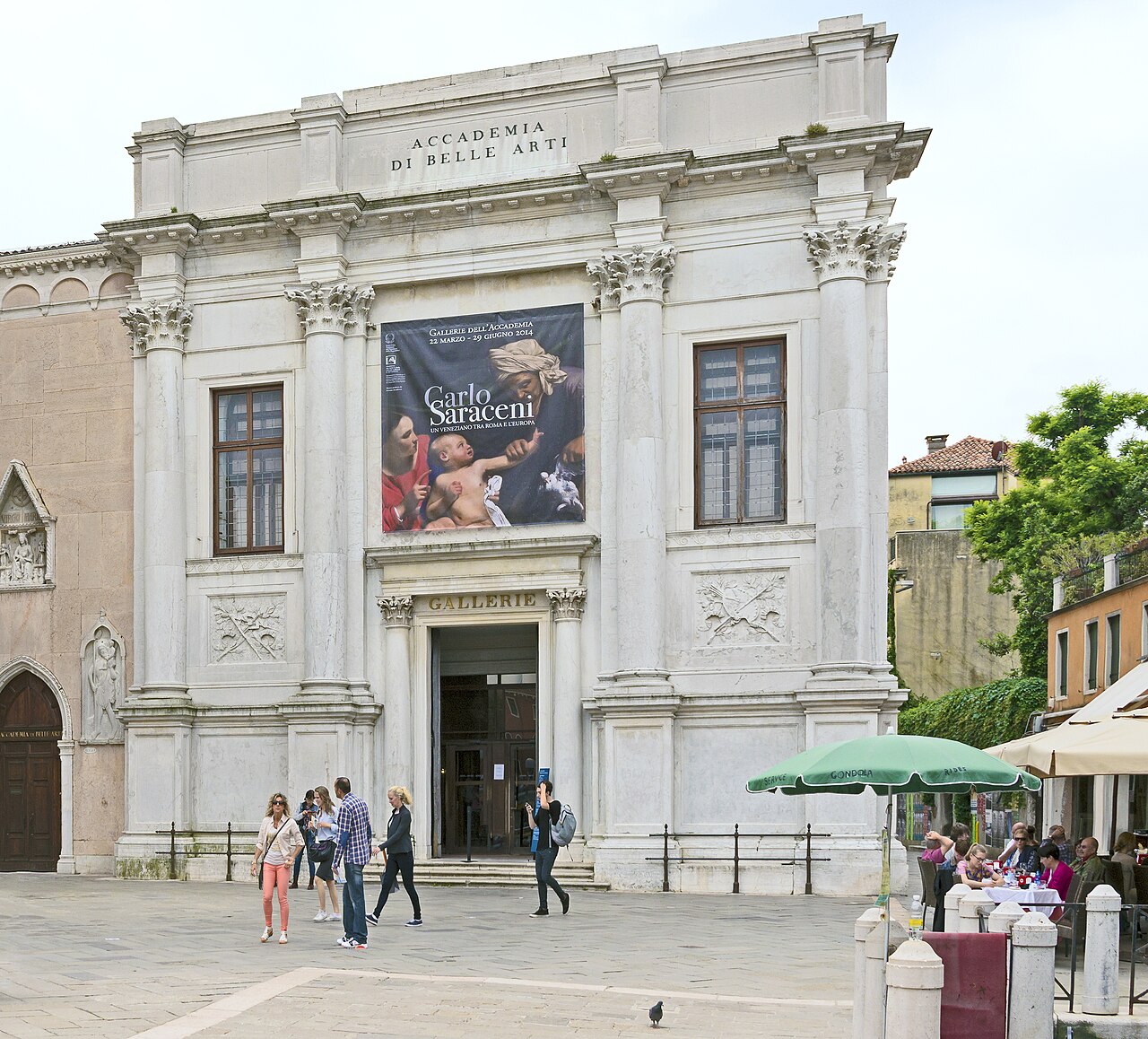
1 min walk
Gallerie dell'Accademia
- Must see · Heritage site
- Museum
Historic monument · Venice
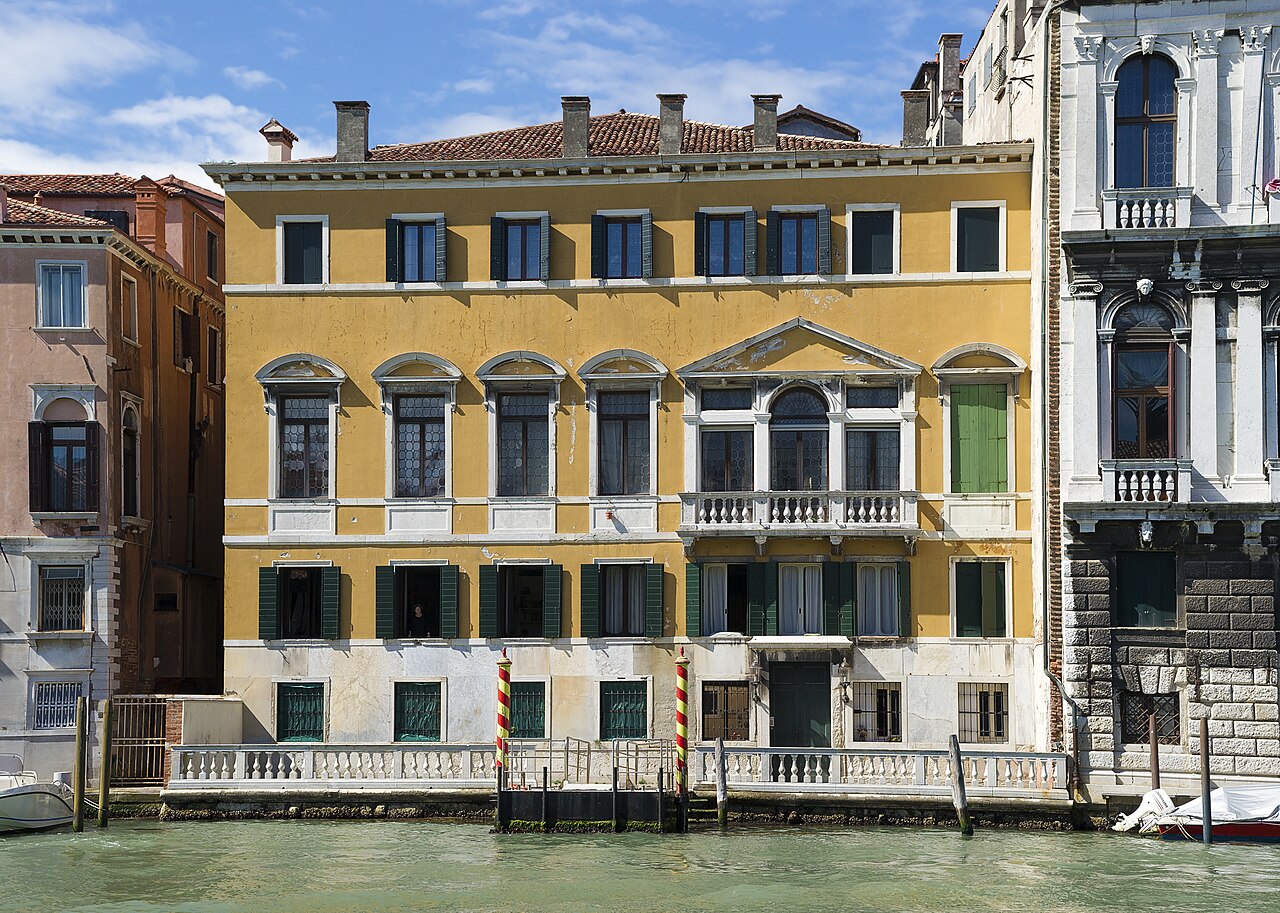
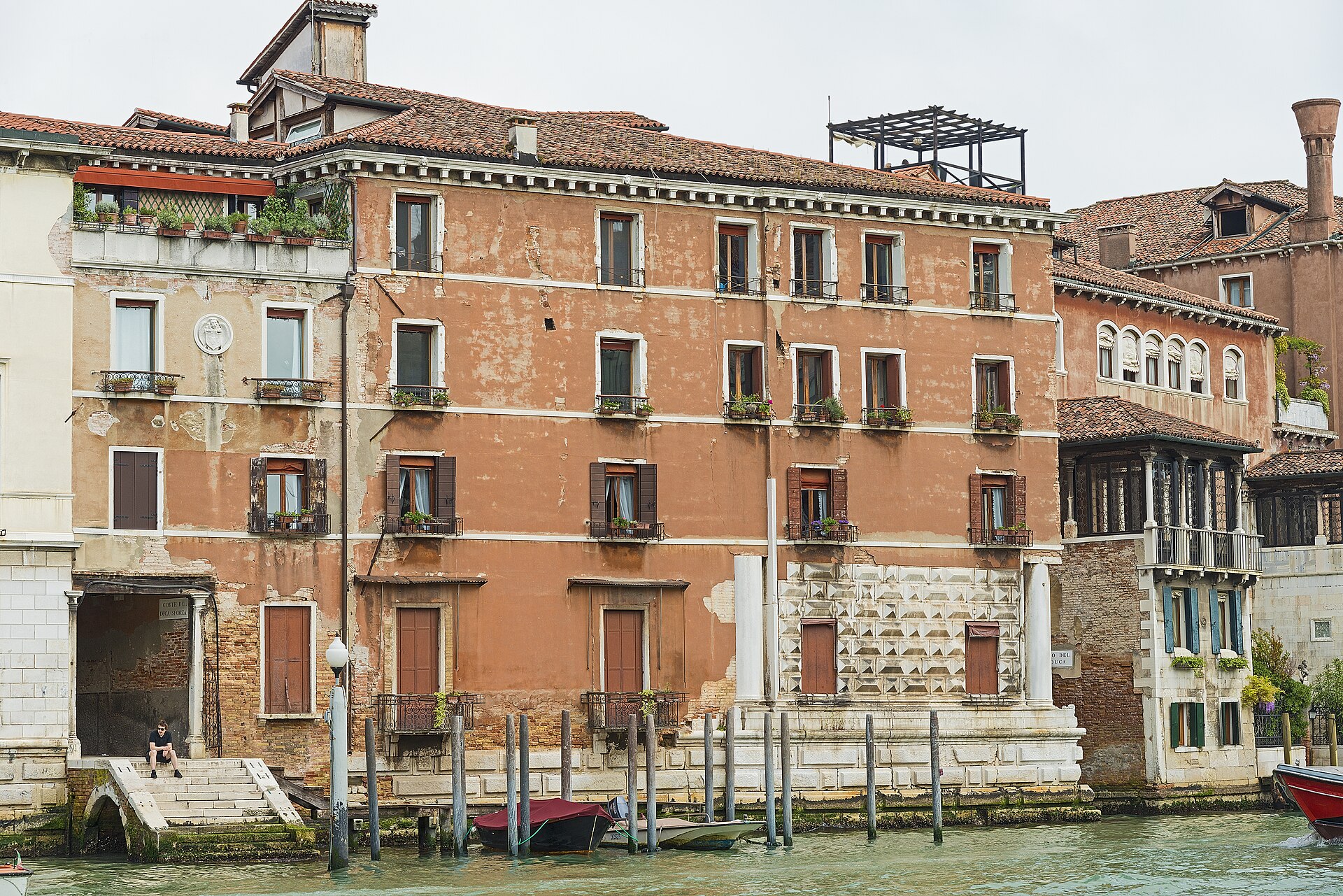
Palazzo Mocenigo Gambara is a historic palace in Venice’s Dorsoduro district, linked with the Mocenigo family, one of the city’s prominent patrician houses. Its significance lies in the combination of noble-family history and Venetian palace architecture. Include it as part of a Dorsoduro walk, where the building contributes to the district’s sequence of canals, bridges, residences, and cultural landmarks. Palazzo Mocenigo Gambara is a historic Venetian palace located in the Dorsoduro district of Venice. It belongs to the prominent Mocenigo family, one of Venice's most distinguished patrician houses. The palace exemplifies Venetian Gothic and Renaissance architectural traditions. It stands near the Grand Canal, contributing to Venice's remarkable urban fabric of palatial residences. The building represents the layered history of Venetian noble families and their residential architecture across centuries. It is a historic palace in Dorsoduro associated with the Mocenigo family and Venetian patrician architecture.
Checked 2026-08-26 · Source
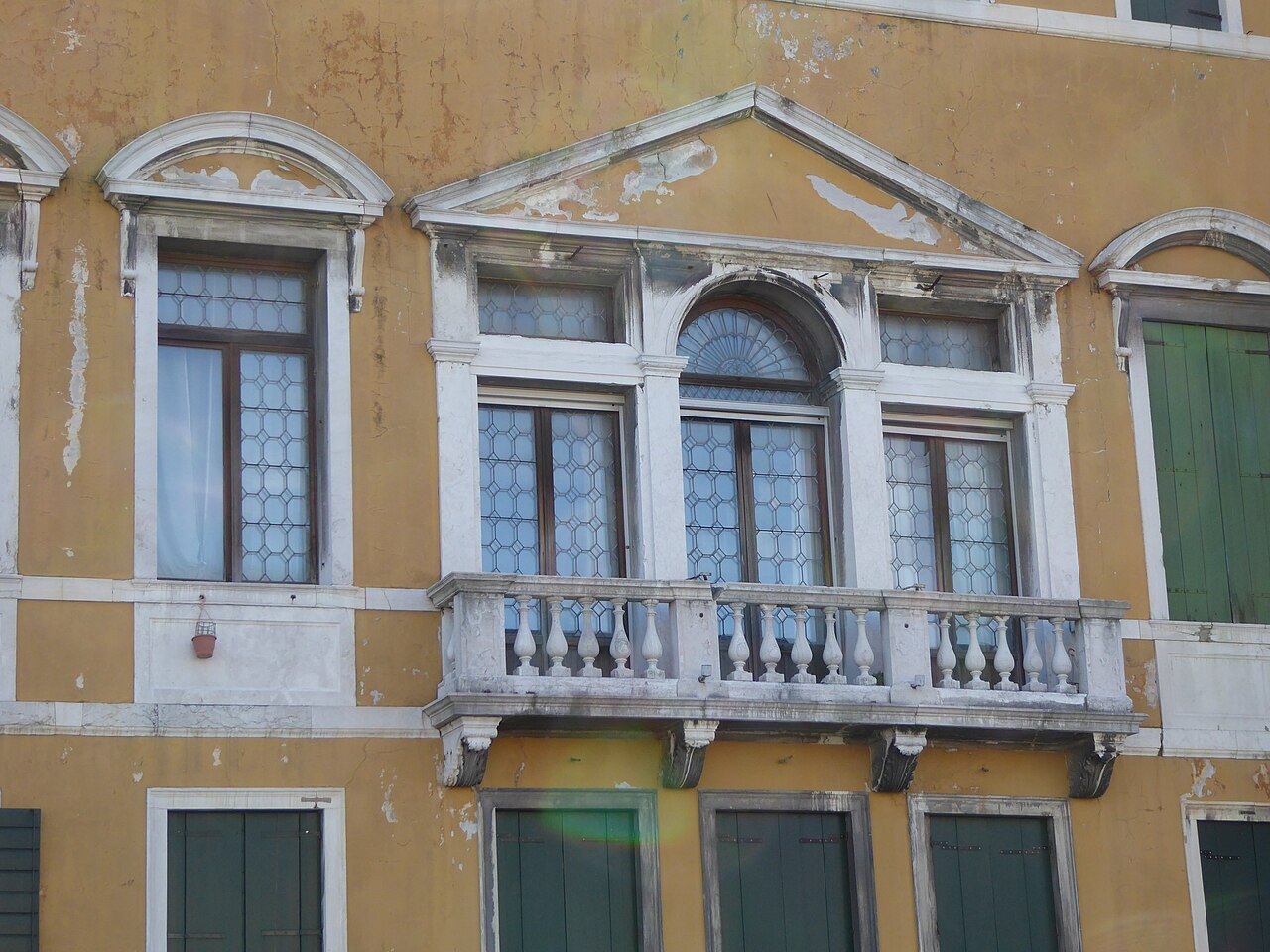
The practical visitor focus is the palace exterior and its place within Dorsoduro’s historic urban fabric. Observe the facade, entrances, windows, decorative materials, and the way the building relates to nearby waterways and pedestrian routes. The guide does not establish named interior rooms or collections for a routine visit, so keep your plans centred on public views and the surrounding district. As a historic palace with Mocenigo family associations, it may contain period features typical of Venetian noble residences, including decorated ceilings, frescoes, or architectural details. However, without verified access to interior documentation, specific furnishings, artworks, or room configurations cannot be described. Visitors should consult current official sources for any accessible interior spaces. The building's historical significance derives primarily from its exterior architecture and family lineage rather than documented public interior displays.
Checked 2026-08-26 · Source
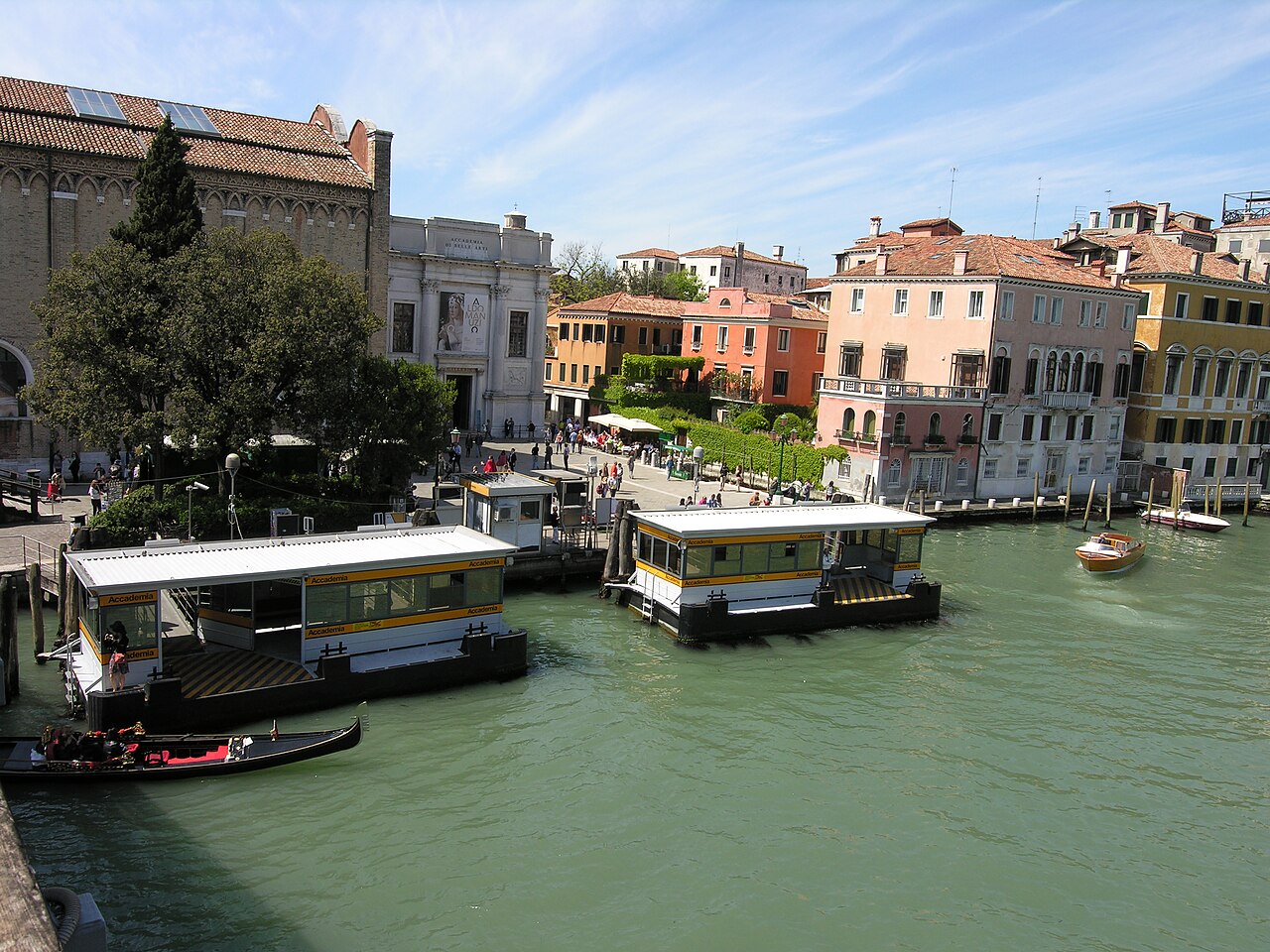
Allow approximately twenty minutes for an exterior-focused stop at Palazzo Mocenigo Gambara. The palace is most rewarding when folded into a longer Dorsoduro route rather than treated as an isolated attraction. Leave additional time for bridges, canal views, pauses beside the water, and nearby cultural places. Venice’s pedestrian network makes even short distances take longer than a map suggests. A visit duration for Palazzo Mocenigo Gambara cannot be specified based on available information. The time required would depend entirely on whether the palace offers interior access, guided tours, or exterior viewing only. Typical palace visits in Venice range from thirty minutes for exterior appreciation to several hours for comprehensive interior exploration with collections. Without confirmed visitor access protocols, no recommended duration can be established. Visitors should verify current accessibility before planning time allocations for this site within their broader Venetian itinerary.
Checked 2026-08-26 · Source
Choose daylight for reading the palace exterior and the surrounding Dorsoduro streets. Early morning brings quieter lanes and softer light; late afternoon suits slower canal-side exploration. Spring and autumn are comfortable seasons for walking, while summer combines heat with heavier visitor numbers. In winter, high water can affect low pedestrian routes, so keep the approach adaptable. Seasonal timing for Venice generally favors spring and autumn for comfortable temperatures and manageable tourist volumes, though this palace's specific accessibility remains unverified.
Checked 2026-08-26 · Source
Treat Palazzo Mocenigo Gambara as an exterior sight when planning costs. The guide records no confirmed public ticket, admission fee, or reservation arrangement for the palace. Budget separately for museums and other paid attractions in Venice. This makes the palace a useful architectural pause between ticketed visits, without requiring a dedicated purchase in your itinerary.
Checked 2026-08-26 · Source
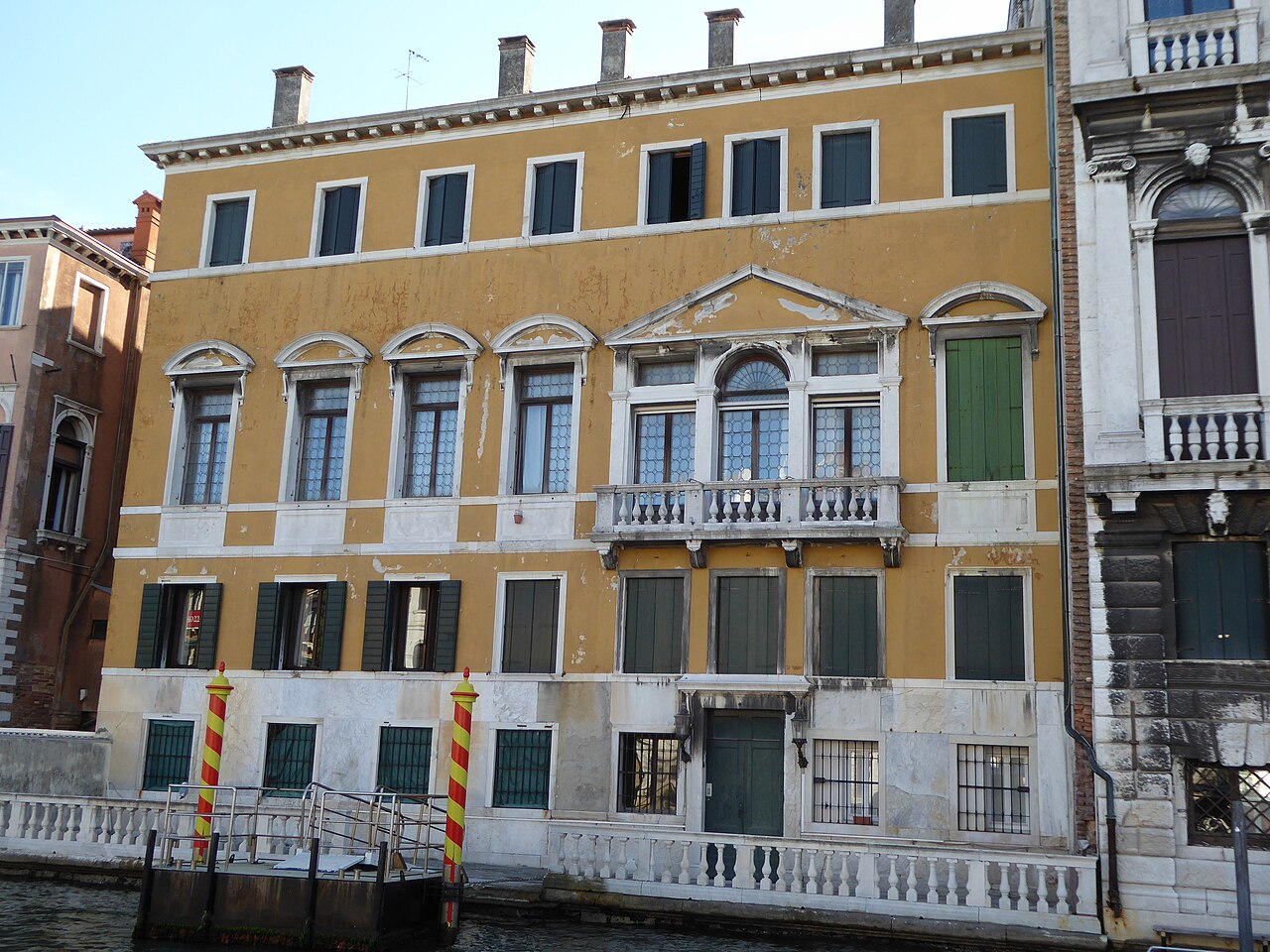
Reach the palace through Dorsoduro’s pedestrian network, using vaporetto services for the wider district and walking for the final approach. Routes from San Marco or Rialto cross Venice’s bridges and narrow calli. Allow extra time for bridge steps and route-finding, especially with luggage or a pushchair. A detailed map is helpful because the district’s lanes often twist around canals.
Checked 2026-08-26 · Source
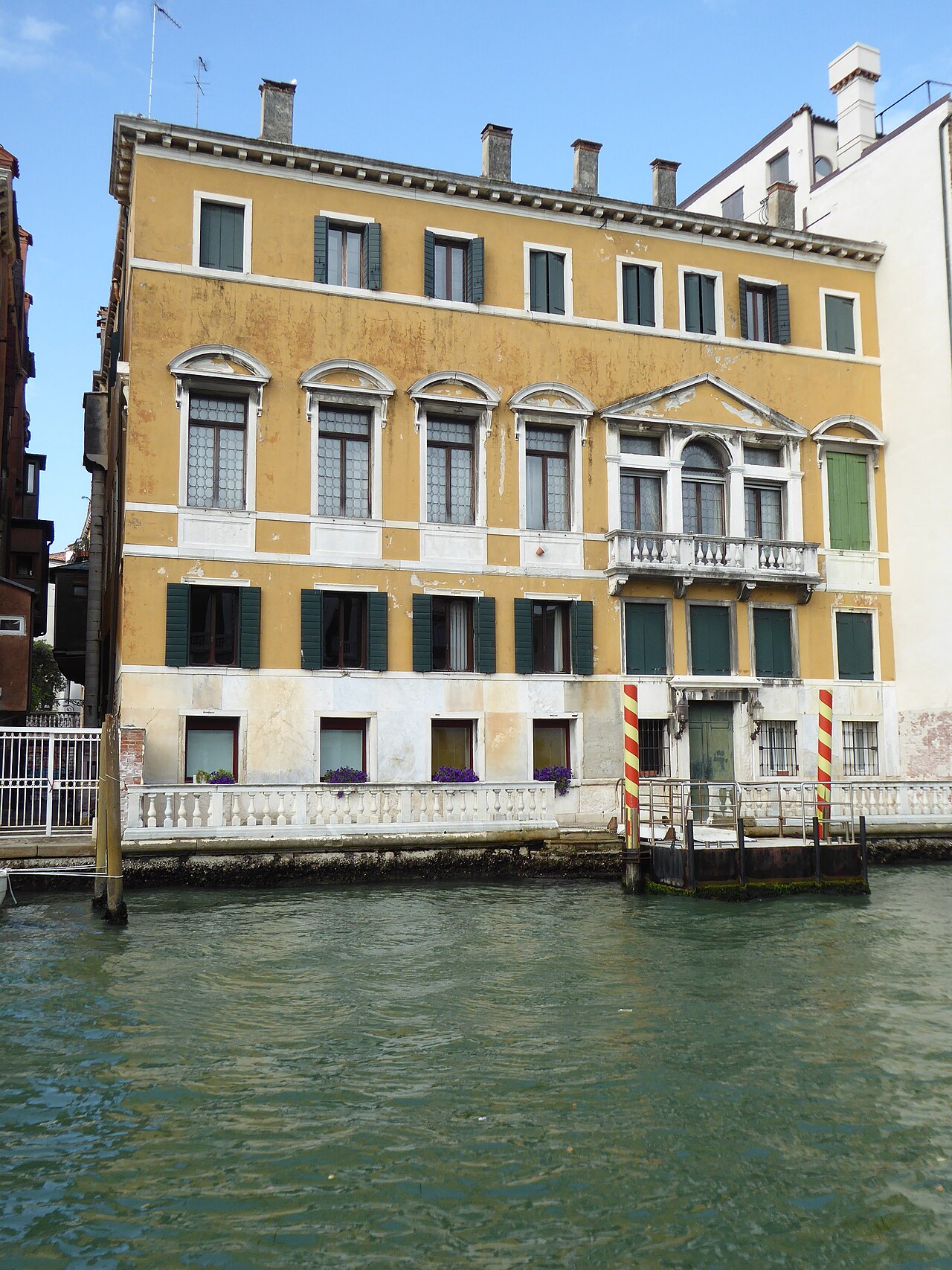
Dorsoduro walks involve uneven paving, bridge steps, narrow passages, and canal edges without continuous barriers. Wear shoes suitable for wet stone and leave clear space when stopping near entrances. Crowds can build around major routes, while high water may interrupt lower paths. Keep a respectful distance from the palace if an entrance is private or closed, and remain on public routes.
Checked 2026-08-26 · Source
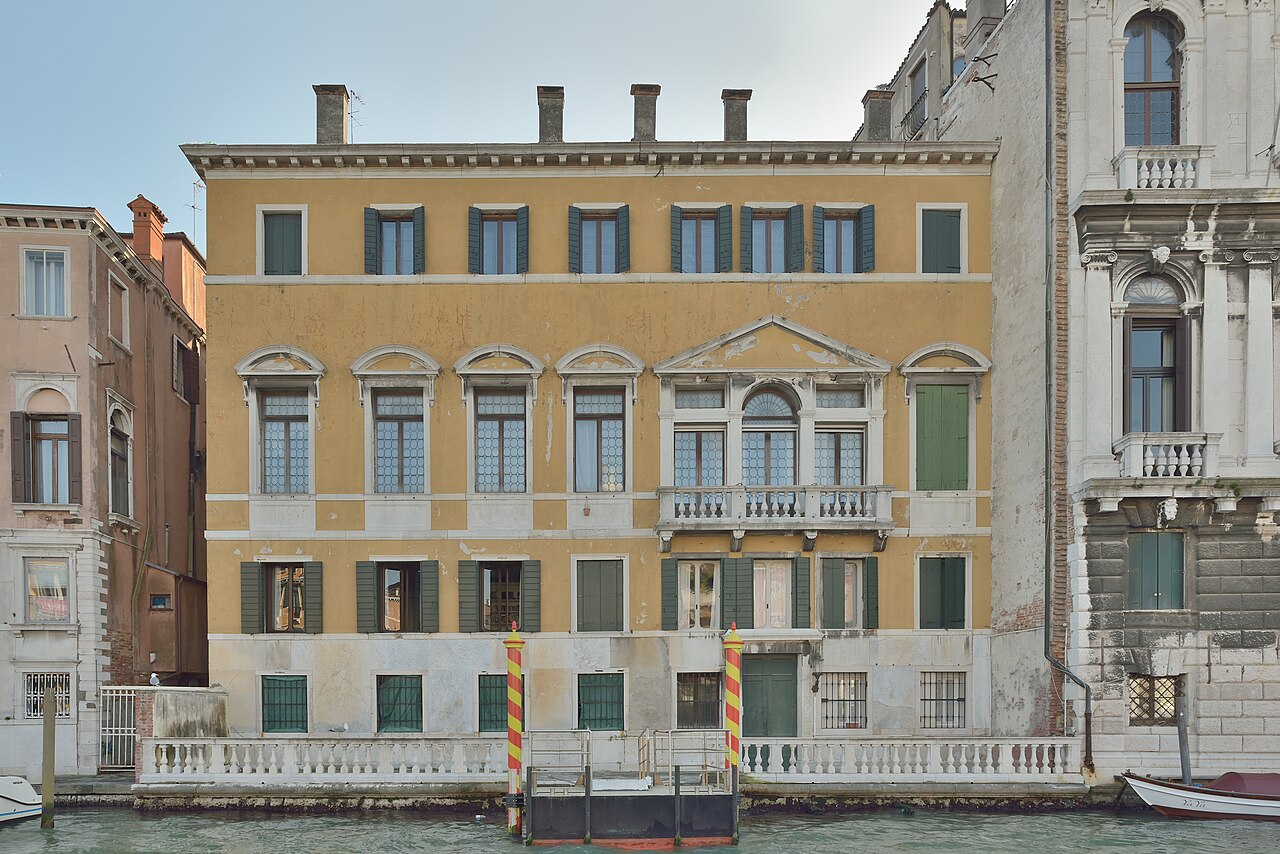
Use the surrounding public routes to photograph Palazzo Mocenigo Gambara in context. Canal-side angles can show the palace alongside bridges, water, and neighbouring historic buildings. Morning and late-afternoon light give facade materials more texture, while overcast conditions soften contrast. Keep equipment compact in narrow lanes, avoid private windows, and leave drones out of your Venice photography plan.
Checked 2026-08-26 · Source
It is a historic palace in Dorsoduro associated with the Mocenigo family and Venetian patrician architecture.
Around twenty minutes suits an exterior stop, with more time added for a wider Dorsoduro walking route.
Use a vaporetto for the wider Dorsoduro area and continue on foot through the district’s calli and bridges.
Look at the palace facade, entrances, windows, decorative materials, and its relationship with Dorsoduro’s canals and streets.
Daylight is essential for architectural detail; early morning and late afternoon offer quieter walks and softer light.
Combine it with a broader Dorsoduro route featuring canals, bridges, residences, and the district’s cultural landmarks.
Loading the interactive map…
The interactive map could not be loaded.
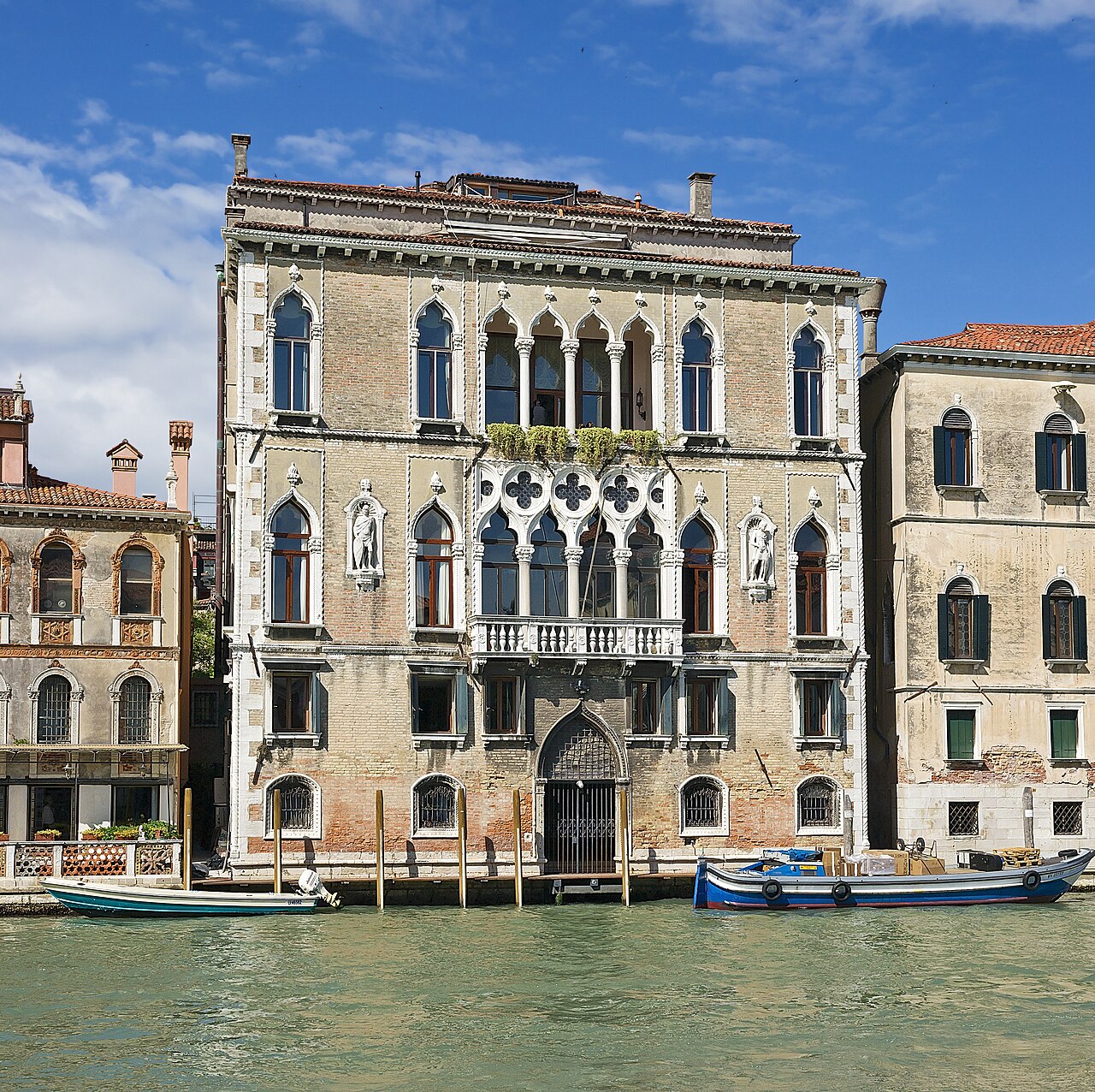
Last updated:
Source: OpenStreetMap contributors, Wikidata ·