
6 min walk
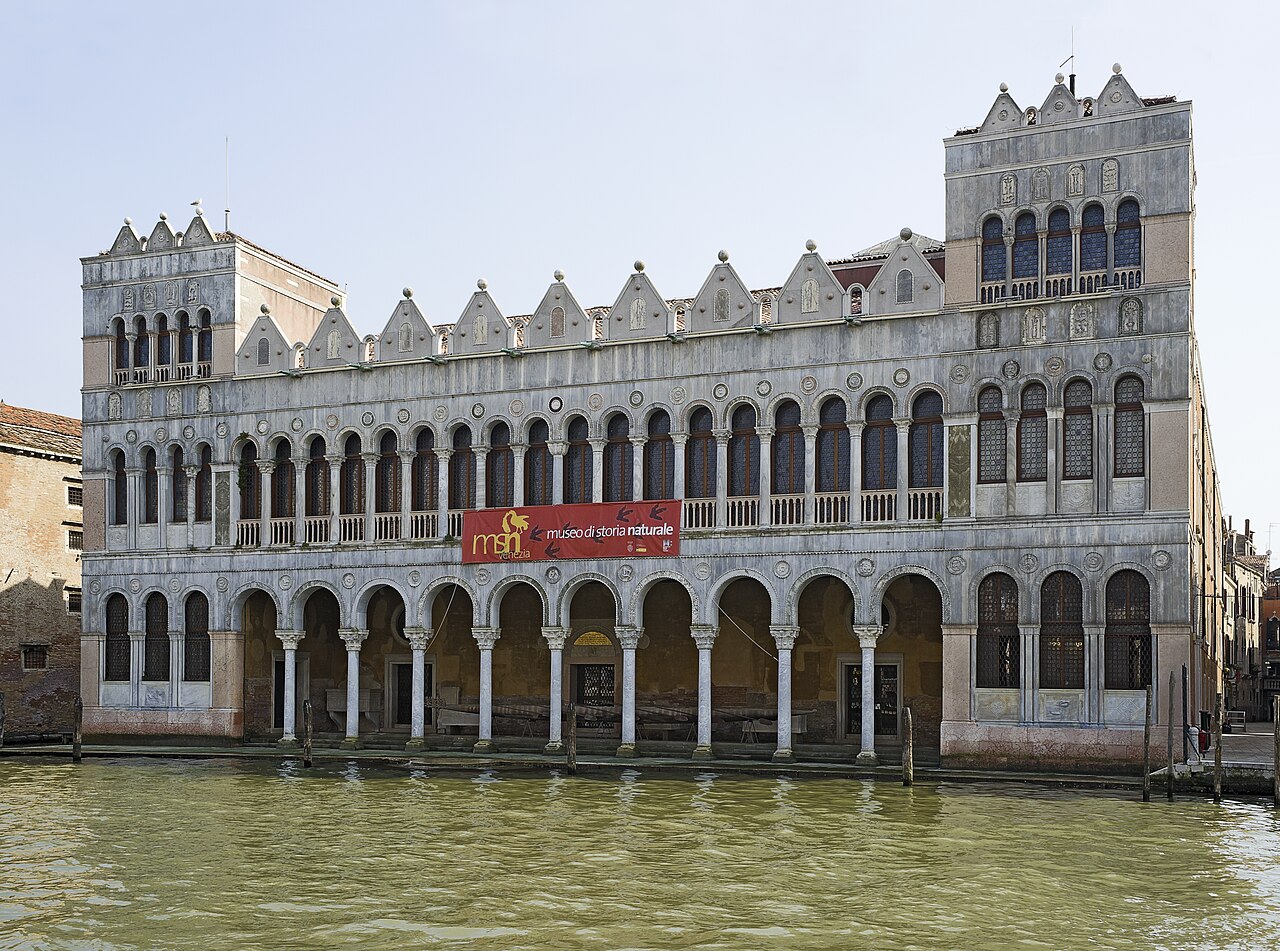
Museo di Storia Naturale di Venezia
- Must see · Heritage site
- Museum
Language · 11 published
Historic monument · Venice
Ghetto di Venezia
Reviewed by Elena Voss · Roavina Travel Editor
| Monday | 10:00 – 18:00 |
|---|---|
| Tuesday | 10:00 – 18:00 |
| Wednesday | 10:00 – 18:00 |
| Thursday | 10:00 – 18:00 |
| Friday | Closed |
| Saturday | 09:00 – 17:00 |
| Sunday | 10:00 – 18:00 |
Checked 2026-08-31 · Source
Read from the OpenStreetMap access tags; anything not listed has no tag recorded.
Set the group type to family in the planner and the day window contracts to about three quarters of a solo day.
This place is a Attraction. It was established in 1516.
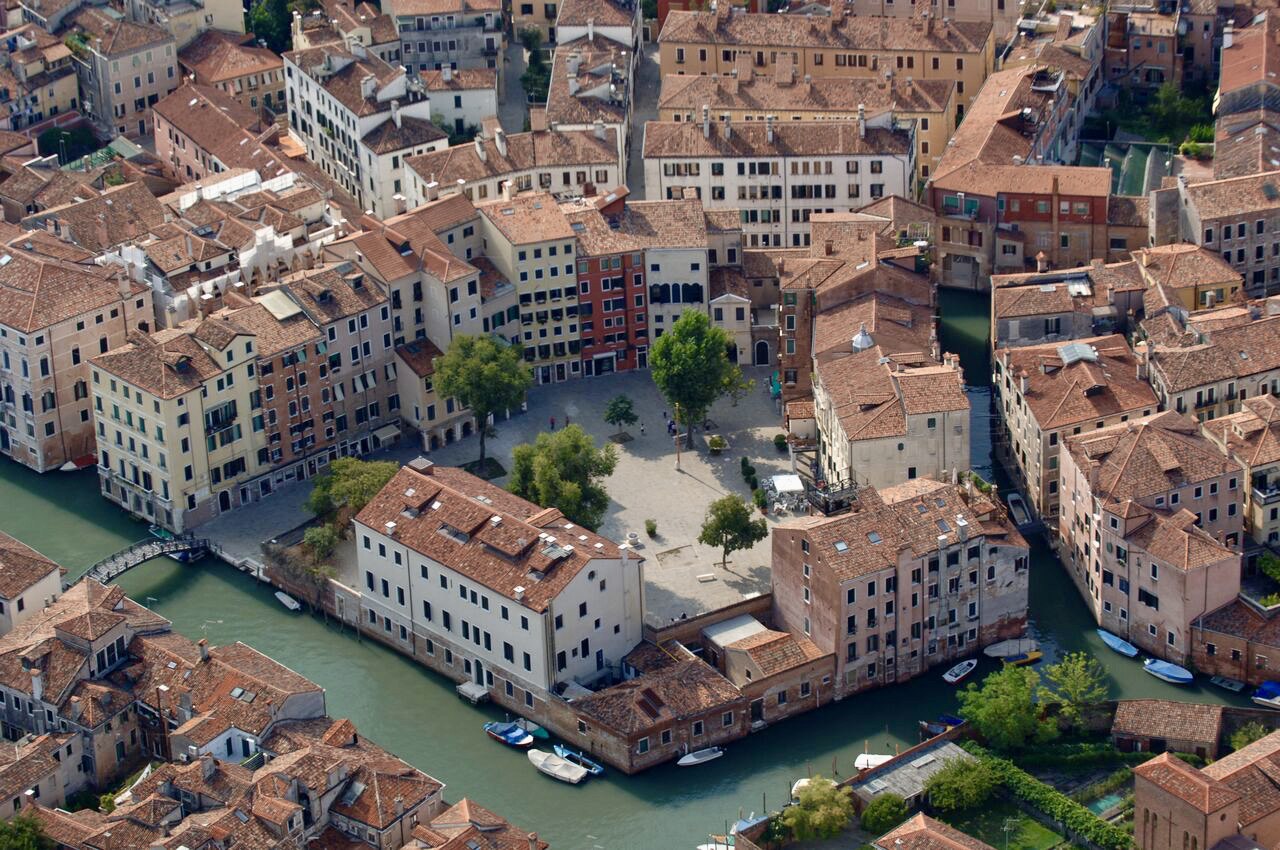
The Venetian Ghetto is Venice’s historic Jewish quarter in Cannaregio, established in 1516 on the site of an iron foundry. It is widely associated with the origin of the word “ghetto.” The area includes the Ghetto Nuovo, Ghetto Vecchio, and Ghetto Novissimo, with tall buildings, historic synagogues, memorials, and community institutions gathered around a compact group of squares and lanes. The Venetian Ghetto is the historic Jewish quarter of Venice, established in 1516 on the site of an iron foundry. It is considered the world's first ghetto, from which the term derives. Located in the Cannaregio district, it comprises the Ghetto Nuovo, Ghetto Vecchio, and Ghetto Novissimo areas. The neighborhood retains significant Jewish cultural heritage, including synagogues, a museum, and kosher establishments. Its distinctive tall buildings reflect the constrained space where the growing Jewish population was required to live under Venetian Republic regulations. Yes, the Venetian Ghetto remains an active Jewish community with residents, religious services, kosher facilities, and cultural institutions.
Checked 2026-08-26 · Source
Begin in Campo del Ghetto Nuovo, the quarter’s central public square, then explore the surrounding lanes and bridges. Five historic synagogues, known as scuole, represent different Jewish communities that lived in Venice during the sixteenth and seventeenth centuries. The Jewish Museum of Venice presents religious objects, textiles, silverwork, documents, and community history. Kosher restaurants, bakeries, and guesthouse facilities add a contemporary dimension, while memorial plaques and sculptures commemorate the deportations of 1943–1944. The area contains five historic synagogues, known as scuole, built between the sixteenth and seventeenth centuries by different Jewish communities. The Jewish Museum of Venice documents the history and culture of Venetian Jewry. Kosher restaurants, bakeries, and a guesthouse serve the community and visitors. Memorial plaques and sculptures commemorate the Holocaust deportations of 1943-1944. The Campo del Ghetto Nuovo square forms the central public space. Notable architecture includes the Levantine Synagogue and the Spanish Synagogue, distinguished by their interiors and historical significance.
Checked 2026-08-26 · Source
Allow thirty to forty-five minutes for a walk through Campo del Ghetto Nuovo, the nearby squares, and the principal lanes. A visit that includes the Jewish Museum and a synagogue tour takes about ninety minutes to two hours. If you want time for the memorials, architectural details, and quiet reflection, plan a longer stop. The quarter is compact, but its history rewards a slower pace than a quick pass between major landmarks.
Checked 2026-08-26 · Source
The Venetian Ghetto is a public neighborhood and can be walked throughout the year. Early or quieter daytime periods make it easier to notice the tall façades, bridges, and memorials without heavy pedestrian traffic. Shabbat, from Friday evening through Saturday, affects synagogue access and the operation of kosher establishments. Winter is generally calmer than the busiest tourism periods, while Carnival and the warmer months bring more visitors to Venice.
Checked 2026-08-26 · Source
Walking through the Venetian Ghetto’s streets and squares is free. The Jewish Museum, synagogue visits, guided experiences, food, and shopping are separate activities with their own charges. Treat the open-air quarter as a neighborhood walk, then decide whether the museum or synagogue interiors fit your day. A visit can therefore remain free if you stay outdoors, or become a ticketed cultural stop when you add the indoor institutions.
Checked 2026-08-26 · Source
From Santa Lucia railway station, walk toward Cannaregio and continue through Venice’s calli and campielli to the Ghetto. Guglie and San Marcuola are nearby vaporetto stops, followed by a short walk. From Rialto Bridge, the route takes roughly twenty-five minutes on foot. Venice has no road access in this quarter, so plan for bridges, paving, and pedestrian navigation. Campo del Ghetto Nuovo is the clearest starting point.
Checked 2026-08-26 · Source
This is an active religious and residential neighborhood, so keep voices low near synagogues and memorials and dress modestly for religious interiors. Narrow lanes and tall buildings can make navigation confusing; remember the route back to the main thoroughfares. Bridges may include steps, and some passages cross narrow canals. Keep belongings secure in crowded areas. Shabbat changes the rhythm of community services and kosher businesses, while evening visits may feel quieter.
Checked 2026-08-26 · Source
Outdoor photography works well in Campo del Ghetto Nuovo, along the bridges, and beneath the quarter’s tall façades. Narrow streets create strong vertical compositions, while the open square gives more room for architectural views. Do not photograph synagogue interiors or Jewish Museum displays unless permission is expressly given. Ask before photographing people, especially during religious activity. Memorial plaques and sculptures deserve a restrained approach, with space left for visitors engaged in remembrance.
Checked 2026-08-26 · Source
You can walk through Campo del Ghetto Nuovo and the surrounding lanes, see historic synagogues, visit the Jewish Museum, and find memorial plaques and sculptures connected with the Venetian Jewish community.
The quarter had limited room to expand sideways, so its buildings grew upward to house the Jewish population within the confined area assigned by the Venetian Republic.
Yes. The streets, bridges, and public squares of the Venetian Ghetto can be explored without an admission charge.
The name is linked with the Venetian dialect word for foundry, referring to the iron foundry that occupied the site before the Jewish quarter was established.
Allow thirty to forty-five minutes for the outdoor quarter. Add time for the Jewish Museum, synagogue visits, memorials, and a slower walk through the surrounding streets.
Shabbat runs from Friday evening through Saturday and affects synagogue access and the operation of kosher establishments in the quarter.
Loading the interactive map…
The interactive map could not be loaded.
Last updated:
Source: OpenStreetMap contributors, Wikidata ·