
2 min walk
Museo di Palazzo Mocenigo
- Must see · Heritage site
- Museum
Museum · Venice
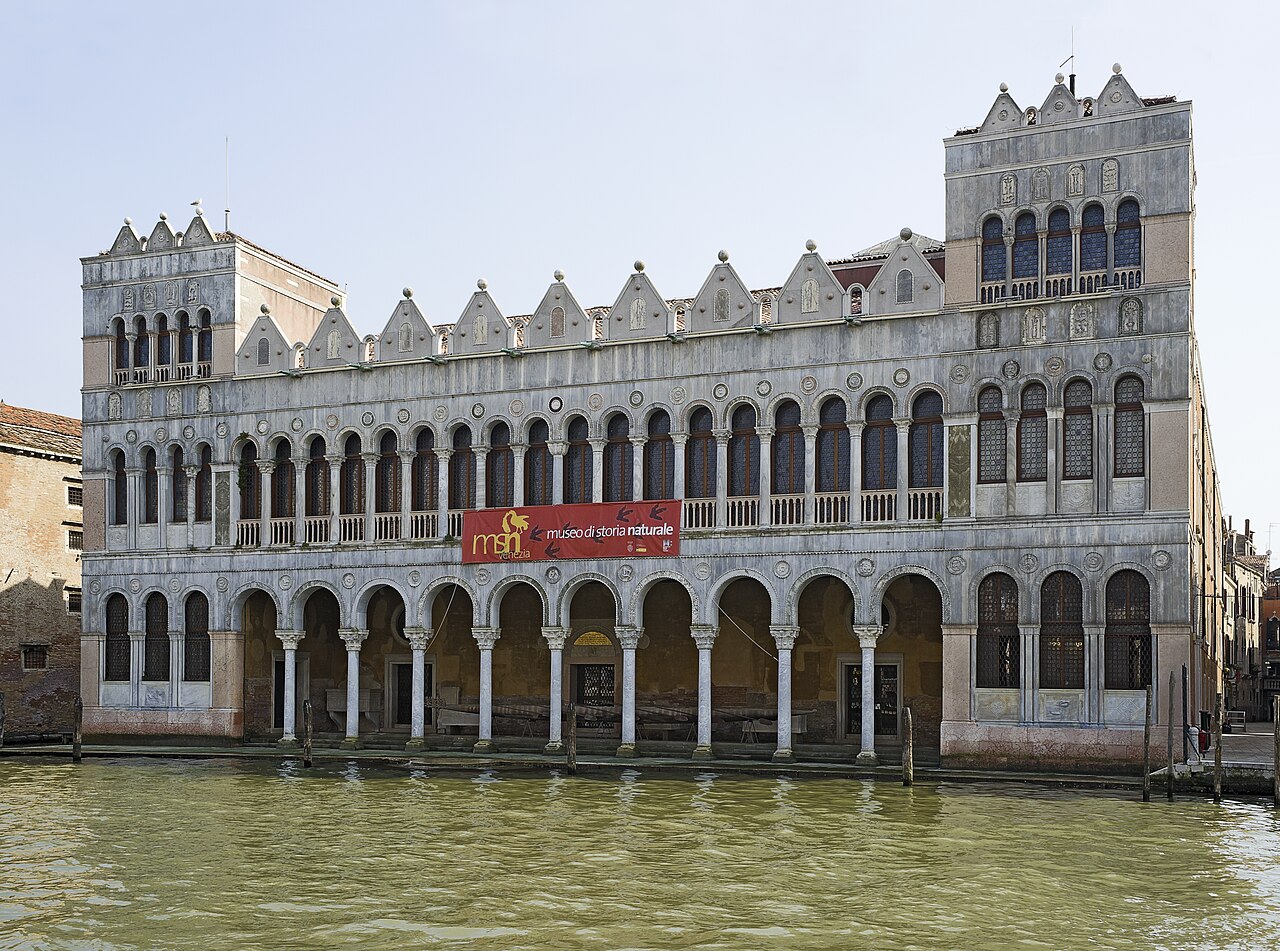
Museo di Storia Naturale di Venezia occupies the historic Fondaco dei Turchi beside the Grand Canal. The building gives the visit an architectural setting as distinctive as the collections inside, with Venetian-Byzantine details and a canal-side position. It belongs to the Fondazione Musei Civici di Venezia network and offers a quieter alternative to Venice’s most crowded art museums. The visit combines natural science, historic collecting and one of the city’s memorable palazzi. The Museo di Storia Naturale di Venezia is a natural history museum located in the Fondaco dei Turchi building along the Grand Canal. The museum is part of the Fondazione Musei Civici di Venezia network. Housed in a historic palazzo with distinctive Venetian-Byzantine architecture, the institution preserves and displays scientific collections spanning multiple disciplines. The building itself carries historical significance as a former trading post and residence for Turkish merchants in Venice. The museum serves educational and research purposes alongside its public exhibition function. Natural history museums generally appeal to children through animal specimens and visual displays. The compact size may suit younger attention spans.
Checked 2026-08-26 · Source
The galleries bring together zoological, botanical and geological material. Preserved animals, skeletons, specimens and scientific instruments give the displays a strong visual character, while historic collections connect the objects with the development of natural science. The museum’s presentation moves between specimen-based observation and the history of collecting, so it suits travelers who enjoy both wildlife and the stories behind scientific work. Leave time to notice the objects rather than rushing from room to room. The museum contains natural history collections including zoological, botanical, and geological specimens.
Checked 2026-08-26 · Source
Plan roughly one to two hours for the museum. A shorter visit works if you focus on the most striking animals, skeletons and instruments, while a slower visit gives more time to read the interpretation and study the historic collections. The Fondaco dei Turchi itself adds interest before and after the galleries, especially from the Grand Canal side. Families may move at different speeds, so keeping the rest of the day flexible is useful.
Checked 2026-08-26 · Source
The museum works well as an indoor stop when Venice’s weather makes long walks uncomfortable. Morning can feel calmer before the busiest movement through the central districts, while the compact galleries also suit a planned afternoon break. Its position away from the densest San Marco routes makes it a useful change of pace during a day of sightseeing. The Grand Canal setting and historic building reward arriving with enough time to look around before entering the exhibitions.
Checked 2026-08-26 · Source
The museum is part of Venice’s civic museum network, which makes it a natural companion to other Fondazione Musei Civici venues in a culture-focused itinerary. Consider the museum as one stop within a wider day rather than an isolated attraction. The collection itself is the main reason to enter, while the Fondaco dei Turchi provides an additional architectural reward. Allow enough time for the galleries and the building instead of treating the visit as a quick photo stop.
Checked 2026-08-26 · Source
The museum stands in the Santa Croce district on the Grand Canal, near the walking routes connected with Venice Santa Lucia railway station and Piazzale Roma. Vaporetto services provide the practical way to approach this part of the city by water. Walking remains possible through Venice’s calli, bridges and small squares, though route-finding takes longer than a straight street map suggests. The canal frontage also makes the building easy to recognize once you reach the area.
Checked 2026-08-26 · Source
Venice’s bridges and historic buildings can make movement tiring, especially for visitors carrying luggage or using mobility aids. Watch your footing on old paving and keep care near the canal edge. The museum’s specimens are displayed in a protected interior, so follow the rules shown inside the galleries and keep a respectful distance from cases. Busy periods can make the approach through central Venice slower than expected. Give yourself extra time if this is part of a tightly timed day.
Checked 2026-08-26 · Source
The Fondaco dei Turchi offers strong exterior subjects, particularly its canal façade and the relationship between the historic palace and passing water traffic. Inside, the animal specimens, skeletons and scientific instruments provide detailed photographic subjects. Keep equipment unobtrusive in the galleries and follow any signs governing photography. The confined museum rooms reward close compositions more than dramatic wide views. A respectful pace helps you photograph without blocking display cases or interrupting other visitors.
Checked 2026-08-26 · Source
The museum presents zoological, botanical and geological collections, including preserved animals, skeletons, specimens and scientific instruments.
It is housed in the Fondaco dei Turchi beside the Grand Canal in Venice’s Santa Croce district.
Most visitors can allow one to two hours for the galleries, specimens and the historic building.
The museum occupies the Fondaco dei Turchi, a historic Venetian palazzo with distinctive Venetian-Byzantine architecture.
Vaporetto services serve the Grand Canal area, and the museum can also be reached on foot from Venice Santa Lucia station or Piazzale Roma.
Its focus is natural history: visitors encounter scientific specimens, preserved animals, skeletons and instruments rather than a primarily painting-led collection.
Loading the interactive map…
The interactive map could not be loaded.
Last updated:
Source: OpenStreetMap contributors, Wikidata ·