_Mocenigo_Palace-Museum_seen_from_Ca%27_Pesaro.jpg)
2 min walk
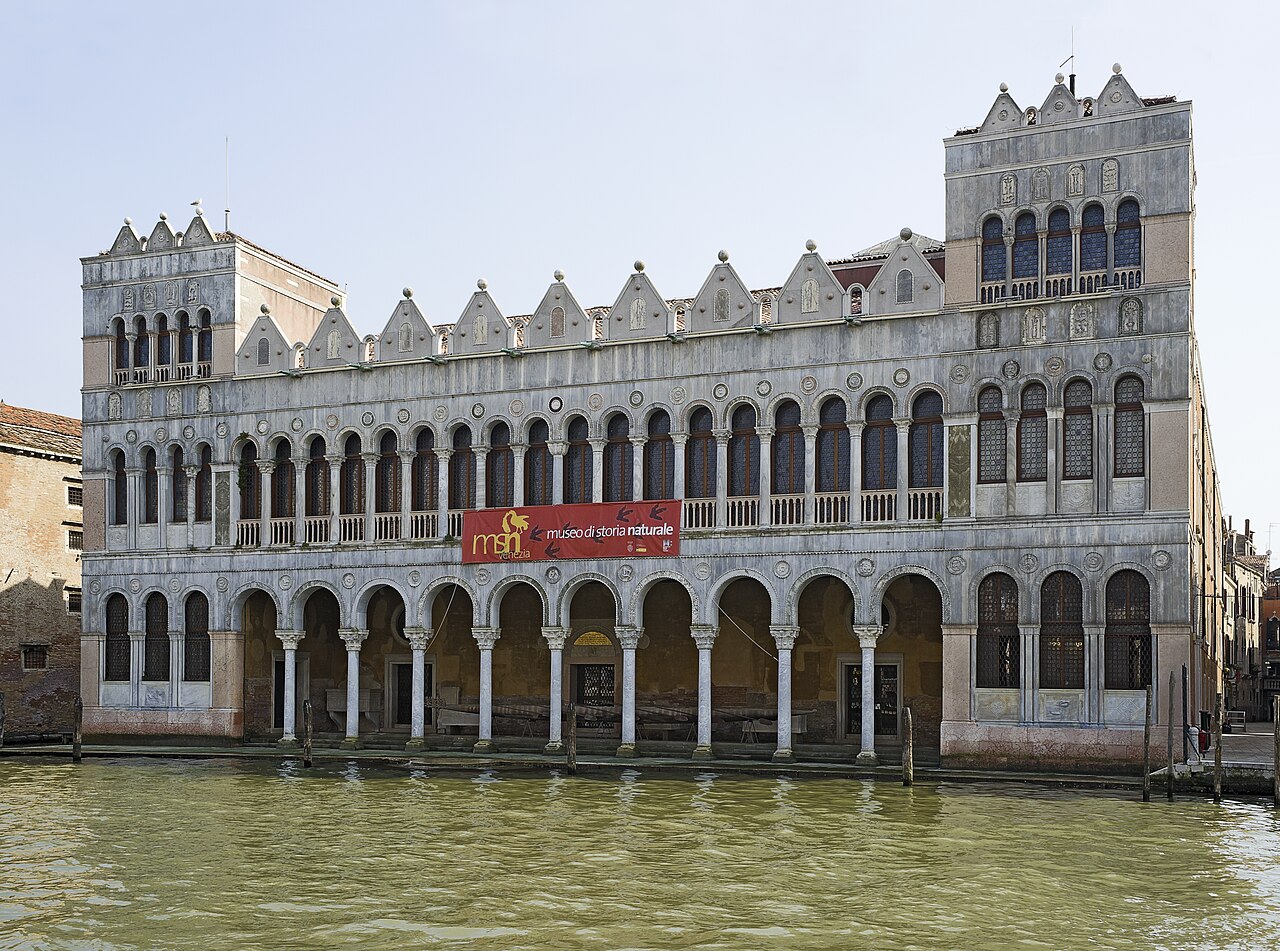
Museo di Storia Naturale di Venezia
- Must see · Heritage site
- Museum
Museum · Venice
Palazzo Mocenigo
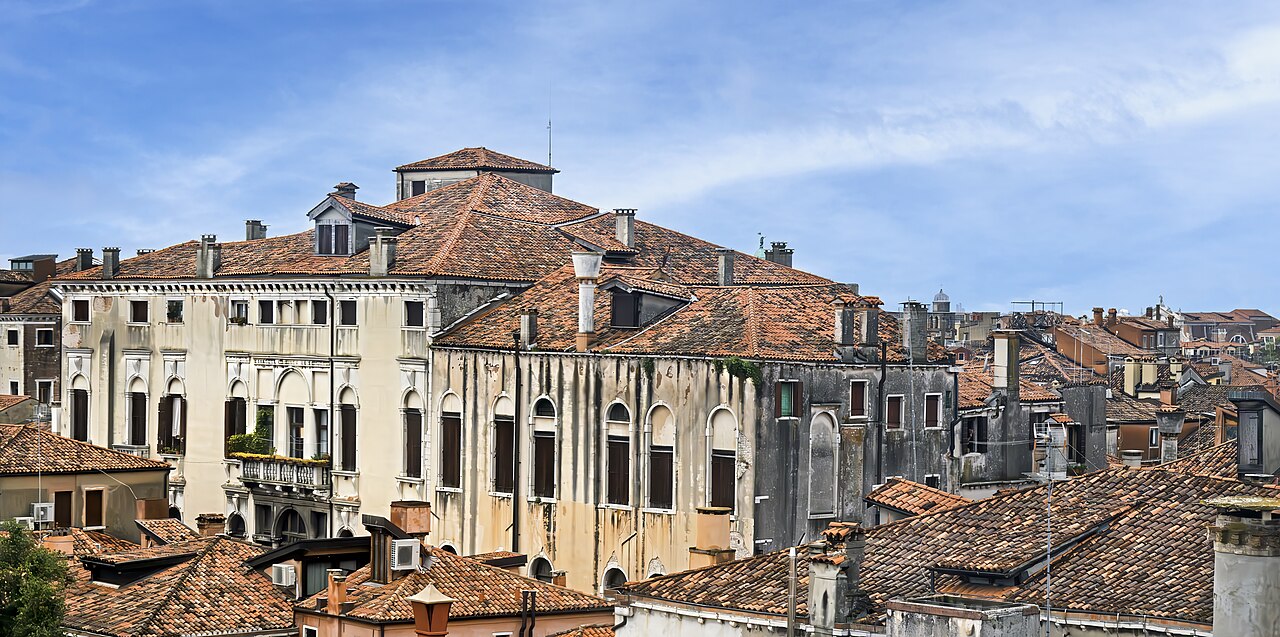
Museo di Palazzo Mocenigo is a museum in a historic Venetian palace beside the Grand Canal. It introduces visitors to the world of Venetian dress, textiles, fragrance and aristocratic domestic life. The Mocenigo family was one of Venice’s prominent patrician families, and the palace setting gives the collections a strong connection to the city’s social history. Rooms, furnishings and decorative details remain part of the experience, so this is both a collection museum and an architectural visit. It suits travelers who want a quieter, more specialized view of Venice beyond churches, paintings and grand civic monuments.
Checked 2026-08-26 · Source
The displays bring together historical garments, fabrics, accessories and objects connected with Venetian fashion. A substantial part of the visit explores perfumery: raw materials, tools, finished products and the commercial world of spices and fragrances that shaped Venice’s connections with the wider Mediterranean. Period rooms lead through noble living quarters, reception spaces and service areas, with furnishings, frescoes and decorative features providing context for the objects. Look closely at the construction and surface of the textiles, then compare those practical details with the palace rooms around them. The museum’s strength is the combination of visual style, material culture and sensory history.
Checked 2026-08-26 · Source
Plan around one to two hours for the museum itself. The shorter visit works for travelers who want the main rooms and a quick introduction to Venetian costume and perfumery. Allow closer to two hours if you read labels carefully, study fabrics and accessories, or spend time comparing the period interiors. The visit works well as part of a half-day in central Venice, especially when paired with a walk through Santa Croce and along the Grand Canal. Palace rooms reward a measured pace: rushing through them can reduce the sense of how the collections, architecture and domestic spaces fit together.
Checked 2026-08-26 · Source
A morning visit offers a comfortable rhythm for examining the rooms and detailed displays before a busy day of sightseeing builds around the Grand Canal. Summer brings heavier visitor movement through Venice, while winter is generally quieter and leaves more time for a calm indoor visit. Spring and autumn are useful seasons for combining the museum with longer walks through the historic center. The palace is an indoor stop, but its position makes the surrounding weather relevant to the rest of your route. Leave room in your plan for bridges, narrow lanes and pauses beside the canal rather than treating the museum as an isolated stop.
Checked 2026-08-26 · Source
The museum is a paid cultural attraction, and it may be included in civic museum combinations associated with Venice’s cultural network. Different visitor categories can have different prices, so organize your ticket choice around the other museums you intend to visit during the same stay. The museum is especially useful for travelers building a smaller cultural route around costume, decorative arts and historic interiors. Keep transport costs separate from museum admission when planning a day around the lagoon. A combined museum strategy can make sense when your itinerary already includes several participating Venetian institutions.
Checked 2026-08-26 · Source
The museum stands in the Santa Croce area on the Grand Canal. From Santa Lucia railway station, you can continue by vaporetto along the canal or walk through Venice’s calli and campielli. The final approach is on foot, as the historic center has no ordinary road access. Water taxis provide a direct waterside arrival, while a walk offers more chances to notice bridges, small squares and canal-side façades. Build in navigation time: Venetian addresses can be easy to miss among continuous historic façades, and the most direct route on a map may include a bridge or a less obvious passage.
Checked 2026-08-26 · Source
This is a historic palace rather than a purpose-built modern museum. Stairs, uneven historic surfaces and narrow rooms can influence the visit, particularly for travelers who need step-free movement. Crowding is felt most strongly in corridors and smaller display spaces. Wear shoes suitable for Venice’s paving and bridges, and dress in layers because comfort inside an old building can differ from conditions outdoors. Keep bags close in busy streets and vaporetto areas. Give delicate garments, furnishings and display barriers plenty of space, and plan enough time to move slowly through rooms where other visitors are reading or observing.
Checked 2026-08-26 · Source
Treat photography as room-specific and follow the signs placed beside displays or at the entrance. Textiles, historic pigments and organic materials are sensitive to strong light, so flash is unsuitable for the collection. Narrow palace rooms also make tripods and extended camera setups disruptive to other visitors. If photography is permitted, frame the garments, fragrance objects and architectural details without touching cases or leaning across barriers. The exterior Grand Canal setting offers strong photographic opportunities before or after the visit, while the interior is best approached with quiet observation and attention to the material detail of the rooms.
Checked 2026-08-26 · Source
The museum focuses on Venetian costume, textiles, perfumery and aristocratic life, presented inside a historic Mocenigo palace.
Allow about one to two hours for the museum, with extra time if you want to study the fabrics, accessories, fragrance displays and period rooms closely.
It is in Venice’s Santa Croce area beside the Grand Canal, reached on foot or by water transport.
Yes. Its central Santa Croce position works well with a walk through nearby calli, campielli and Grand Canal viewpoints.
The historic rooms, furnishings, decorative details and palace layout place the costume and perfumery collections within an aristocratic Venetian setting.
Yes. Historical garments, textiles, accessories and fragrance culture make it a focused stop for visitors interested in fashion and material culture.
Loading the interactive map…
The interactive map could not be loaded.
Last updated:
Source: OpenStreetMap contributors, Wikidata ·