A photograph of Venice

City guide · Italy

Venice

Venice's historic centre occupies islands linked by bridges, with no road traffic inside the core. San Marco holds the best-known monuments, San Polo and Santa...

Photograph · Martin Falbisoner · CC BY-SA 4.0

2,450 Places
Suggested stay
Not recorded
Getting around
Walking and ACTV water bus

Turn this list into a plan

Set your days, your pace and the hours you actually want to be out. The planner works around closing days and travel time, and leaves room to eat.

Plan Venice

Reviewed by Elena Voss · Roavina Travel Editor

Venice's historic centre occupies islands linked by bridges, with no road traffic inside the core. San Marco holds the best-known monuments, San Polo and Santa Croce sit across the Grand Canal, and Cannaregio, Castello and Dorsoduro form distinct walking districts. Murano, Burano, Torcello and the Lido require water transport and should be planned as separate lagoon journeys.

Checked 2026-08-26

Practical information

Language spoken
Italian
National practical orientation; regional and minority languages may also be used
Dialling code
+39
International calling code; local area and mobile prefixes still apply
Currency
Euro (EUR)
Use the official local currency; card acceptance varies by place
Emergency number
112
Use only for an emergency; tourist assistance may use a separate number
Plug type
Type C, F and L · 230 V
Check that chargers support the recorded voltage before using an adapter
Tap water
Not recorded
No verified nationwide visitor statement was recorded

Planning a visit

September · September in Venice has mean high 23.5°C, mean low 14.3°C, rainfall 72.0 mm, 5.9 rain days. Mild temperatures make Venice's canalside walking routes more comfortable. September supports a full day of outdoor stops in Venice.

  1. January: viable with meaningful trade-offs
  2. February: viable with meaningful trade-offs
  3. March: good time to visit
  4. April: best time to visit
  5. May: best time to visit
  6. June: good time to visit
  7. July: good time to visit
  8. August: good time to visit
  9. September: best time to visit — current month
  10. October: good time to visit
  11. November: viable with meaningful trade-offs
  12. December: viable with meaningful trade-offs

Sources

Top things to see

Ranked by importance — sitelinks, pageviews and heritage status, not editor preference.

  1. Museo Correr Museo Correr
    02 1 hr 30 min

    Museo Correr

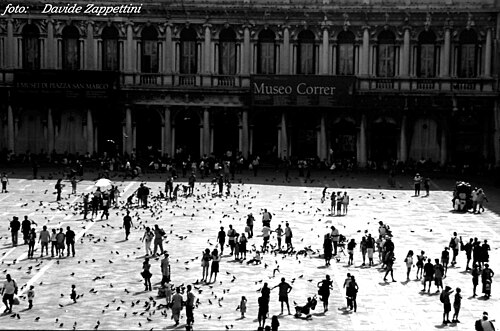
    Museo Correr is a museum located in Venice, Italy. It occupies part of the Procuratie Nuove in Piazza San Marco, facing the Basilica di San Marco.

    • Must see
    • Museum
  2. Ca' d'Oro Ca' d'Oro
    03 1 hr 15 min

    Ca' d'Oro

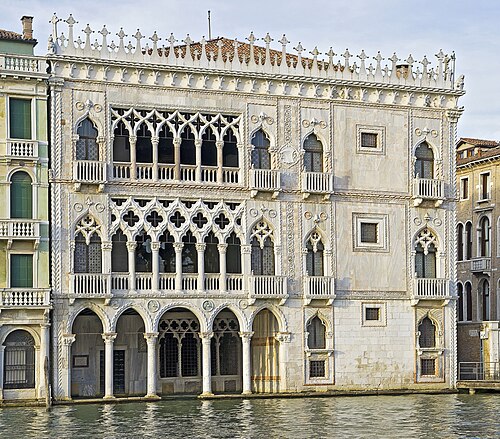
    Ca' d'Oro is one of the great late Gothic palaces on the Grand Canal, and since 1927 it has been a state gallery rather than a house.

    • Must see
    • Museum
  3. Ca' Rezzonico Ca' Rezzonico
    04 1 hr 30 min

    Ca' Rezzonico

    Museo Ca' Rezzonico

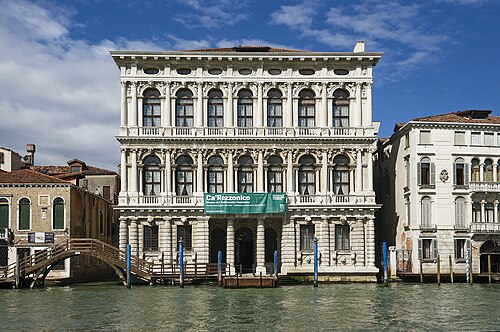
    Ca' Rezzonico is a palazzo on the Grand Canal in Venice, now operating as the Museum of Eighteenth Century Art. The building itself represents Venetian Baroque residential architecture, constructed across the seventeenth and eighteenth centuries.

    • Must see
    • Museum
  4. Murano Glass Museum Murano Glass Museum
    05 1 hr 30 min

    Murano Glass Museum

    Museo del Vetro

    The Murano Glass Museum, known locally as Museo del Vetro, is a museum dedicated to the art and history of glassmaking on the island of Murano in the Venetian Lagoon.

    • Must see
    • Museum
  5. Scuola Grande di San Rocco Scuola Grande di San Rocco
    06 1 hr 30 min

    Scuola Grande di San Rocco

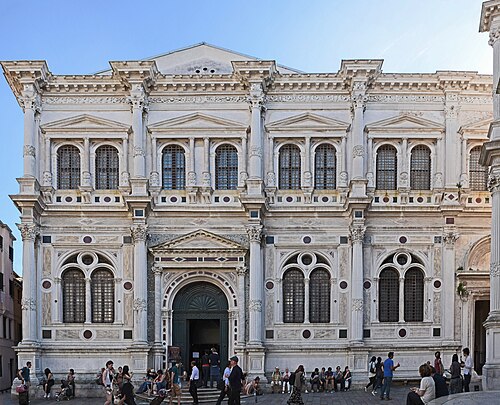
    The Scuola Grande di San Rocco is a historic confraternity building in Venice, founded in 1478 and dedicated to Saint Roch, patron saint of plague victims.

    • Must see
    • Museum

Source: OpenStreetMap contributors, Wikidata ·

How the city is laid out

The Grand Canal curves through the historic centre and separates San Marco and Castello from San Polo, Santa Croce and Dorsoduro. Cannaregio stretches north toward the rail station, while Castello extends east beyond the busiest visitor streets. Piazzale Roma is the road and bus terminus; Santa Lucia is the rail arrival point. Lagoon islands are not extensions of a central walk and need dedicated vaporetto time.

Checked 2026-08-26

Getting around

Walk within the historic centre and use ACTV water buses for longer canal journeys and lagoon islands. Venezia Unica lists vaporetti, buses, trams, the People Mover and ferry boats within the city transport system, while Alilaguna provides separate water connections to Marco Polo Airport. Routes can be indirect, so group island visits and confirm the current timetable before relying on a transfer.

Checked 2026-08-26

Common questions

How many days should I spend in Venice?

A fixed duration is not recorded. Plan the historic centre first, then reserve separate time for Murano, Burano, Torcello or the Lido if those islands matter to the visit.

Can I walk everywhere in central Venice?

Most of the historic centre is explored on foot across bridges and narrow lanes. Water buses are useful for longer canal trips, step-free alternatives and journeys to lagoon islands.

What is a vaporetto?

A vaporetto is a public water bus. ACTV routes connect stops in the historic centre with the Lido and lagoon islands as part of Venice's public transport network.

Are Murano and Burano part of a central Venice walk?

No. They are separate lagoon islands reached by water transport. Combine island stops deliberately and allow for waiting and transfer time between routes.

How do I travel from Marco Polo Airport by water?

Venezia Unica identifies Alilaguna as the water connection between Marco Polo Airport and Venice. ACTV city transport and airport services are separate products, so check the correct operator before purchase.