
4 min walk
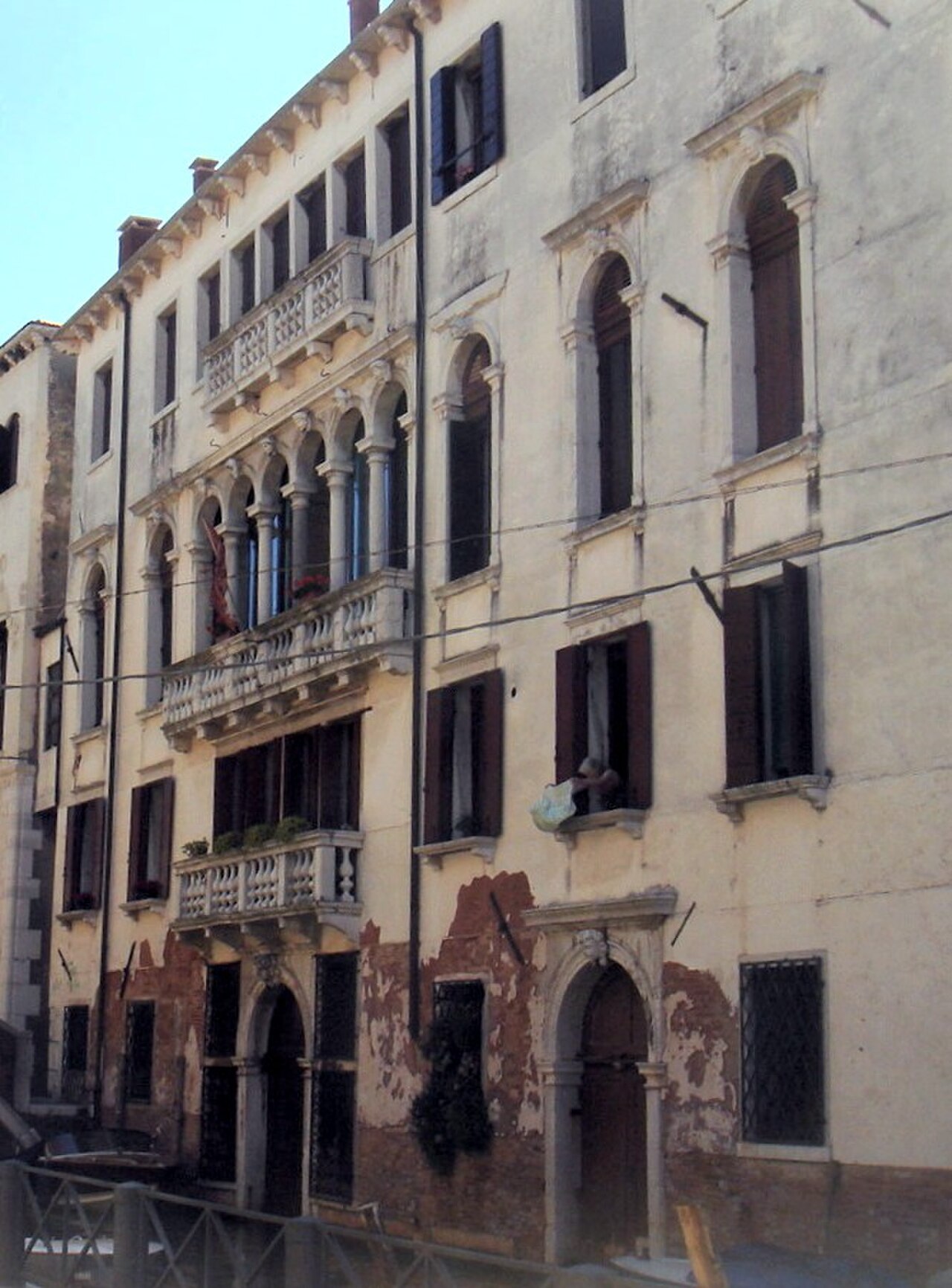
Palazzo Erizzo a San Martino
- High
- Historic monument
Language · 11 published
Museum · Venice
Reviewed by Elena Voss · Roavina Travel Editor

| Monday | 11:00 – 17:00 |
|---|---|
| Tuesday | Closed |
| Wednesday | 11:00 – 17:00 |
| Thursday | 11:00 – 17:00 |
| Friday | 11:00 – 17:00 |
| Saturday | 11:00 – 17:00 |
| Sunday | 11:00 – 17:00 |
Parsed from OpenStreetMap opening hours on 2026-09-09.
This place is a Museum. It was established in 1919.
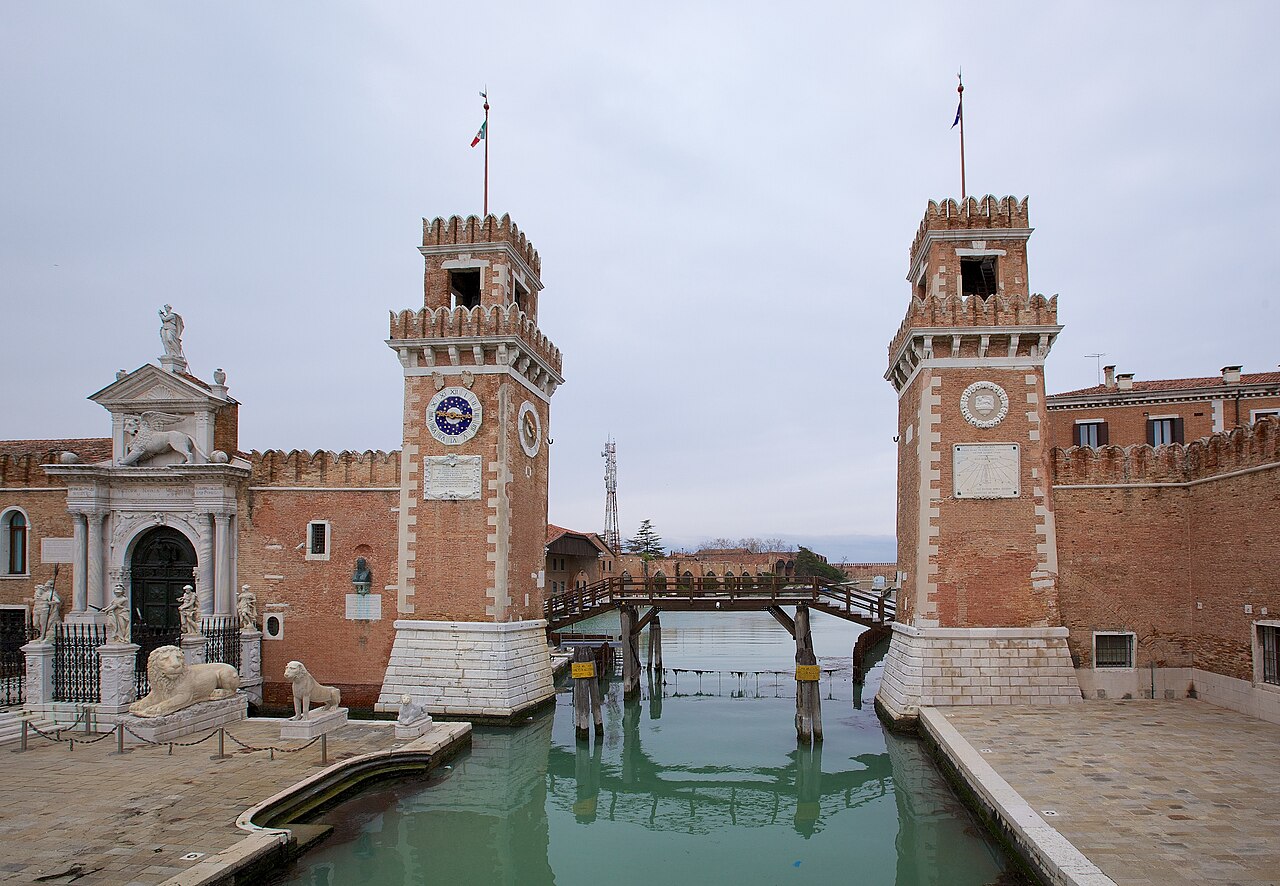
Museo Storico Navale is Venice’s naval history museum in the Castello district, close to the Venetian Arsenal. The museum explores the maritime power that shaped Venice, from the era of the Venetian Republic to the modern Italian Navy. Its setting gives the visit a strong local connection: this is a museum about the ships, technology, warfare, trade and shipbuilding that made the lagoon city a Mediterranean power. The historic surroundings add context before you even enter. The museum suits travelers who want to understand Venice beyond palaces, paintings and canals. It is a focused cultural stop rather than a general city museum, so the experience is strongest for visitors interested in maritime history, engineering, military technology or the long relationship between Venice and the sea. The nearby Castello streets also make the museum easy to place within a wider walk through the eastern side of the historic center.
Checked 2026-08-26 · Source
The displays bring together historic boats, ship models, figureheads, navigational instruments, weapons and other maritime equipment. Models are especially useful for seeing how Venetian vessels were designed and how shipbuilding supported both military and commercial activity. Exhibits connected with the Arsenal help explain the importance of the vast shipyard complex nearby, once central to Venice’s naval strength. Other displays relate to naval warfare, shipping and construction techniques, while Italian Navy material extends the story beyond the republic’s earlier centuries. Look closely at the relationship between practical objects and ceremonial pieces: a vessel, instrument or weapon can show how sailors moved, fought, traded or represented authority. Visitors who enjoy detail should give time to labels, scale models and technical features rather than treating the galleries as a quick collection of attractive objects. The museum’s greatest strength is the breadth of the maritime story, linking everyday equipment with the strategic role of Venice in the Mediterranean.
Checked 2026-08-26 · Source
Allow about one to two hours for a comfortable visit to Museo Storico Navale. Travelers who read the labels carefully or study the ship models and technical objects in detail can spend longer. The museum’s multi-floor arrangement means that the pace depends partly on stairs and on how much time you give to individual displays. With a limited schedule, focus on the historic boats, larger models, Arsenal-related material and objects that show navigation or naval technology. A shorter visit can still provide a clear sense of Venice’s maritime identity, while a longer visit rewards visitors who enjoy comparing vessel types, weapons and construction methods. The surrounding Castello district offers an easy continuation after the galleries, so the museum can work either as a concentrated cultural stop or as one part of a longer walk. Leave enough time for the approach through Venice’s pedestrian streets, since bridges and winding lanes make distances feel longer than they look on a map.
Checked 2026-08-26 · Source
Morning is a useful time for Museo Storico Navale if you want to combine the indoor visit with a longer Castello walk. The museum is protected from rain and heat once you are inside, but the route to the entrance crosses Venice’s outdoor pedestrian network. Summer brings heavier tourism across the city, while quieter periods can make a specialist museum easier to enjoy at your own pace. A visit also works well when weather makes a long open-air itinerary less appealing. Because the museum sits near the Arsenal, you can pair it with exploration of the surrounding waterfront streets and historic quarter. Religious, civic or local activity in Castello can change the atmosphere around the museum from one day to another. Treat the museum as a place for concentrated attention: the best moment is the part of your day when you can read, compare and look closely without rushing toward the next landmark.
Checked 2026-08-26 · Source
Museo Storico Navale is a specialist museum visit, and admission arrangements are separate from the experience of simply walking around the Castello district. The available guide information does not establish a price, concession structure, combined ticket or booking requirement, so this page does not state a fare. Plan the museum as a distinct stop in your day rather than assuming that another Venice attraction ticket includes it. The transport cost to Castello is also separate from any museum admission. Travelers using a city pass should read its included-attraction list carefully before counting the museum as covered. Bring enough time to enjoy the collection if you enter: the value comes from the sequence of maritime objects, models and historical context, not from a brief exterior glance. The Arsenal setting and the museum galleries belong together as a theme, but they are different parts of the Castello experience and should not be treated as one ticketed space.
Checked 2026-08-26 · Source
Reach Museo Storico Navale through Venice’s pedestrian network in Castello. From the San Marco or Rialto area, walk east through calli, bridges and small squares toward the Arsenal quarter. Vaporetto services serving the Arsenale or Giardini area provide a practical waterborne approach, followed by a walk through Castello. The museum’s proximity to the Venetian Arsenal makes the district a useful navigation reference, although Venice’s lanes rarely follow a straight line. Allow extra walking time for bridge crossings and route changes. A detailed offline map is helpful when narrow streets and water edges make the most direct route difficult to recognize. The walk is part of the visit: Castello feels more residential and less concentrated around headline sights than the area around San Marco. Plan the museum together with the surrounding quarter if you want the journey to feel purposeful rather than like a single detour.
Checked 2026-08-26 · Source
The multi-floor museum layout includes stairs, which may make the visit difficult for travelers who cannot use them easily. Castello’s bridges and uneven pedestrian surfaces also require steady footwear and a realistic walking pace. The museum’s specialized subject is a strength for maritime enthusiasts but may feel narrow beside Venice’s art collections and monumental churches. Some labels may offer less English than visitors expect, so ship names, diagrams and visual comparisons become particularly valuable. The Arsenal surroundings are historic and the route includes outdoor walking, even when the galleries provide shelter from weather. Keep the visit quiet and attentive around delicate objects and other visitors. The museum and the district reward patience more than speed: rushing through the rooms can reduce the value of seeing how navigation, weapons, vessels and shipbuilding fit into Venice’s wider history.
Checked 2026-08-26 · Source
The museum’s boats, models, figureheads and instruments provide strong subjects for close observation and architectural detail. Work slowly around ship models so that your photographs record construction features rather than only the overall silhouette. Interior light can vary between galleries, making steadier handheld shooting more useful than relying on a wide, dramatic composition. Follow any signs and staff directions governing cameras, flash or equipment inside the collection. The historic Arsenal setting offers additional exterior subjects before or after the museum, including waterfront views and the textures of Castello’s lanes. Keep camera use considerate in narrow rooms, where a long stop can obstruct other visitors. A quiet approach suits the collection: photography works best when it supports looking closely at the maritime objects rather than turning the visit into a rapid sequence of snapshots.
Checked 2026-08-26 · Source
The museum presents historic boats, ship models, figureheads, navigational instruments, weapons, maritime equipment and material connected with the Venetian Arsenal and the Italian Navy.
Allow about one to two hours, with extra time for detailed study of the ship models, instruments and naval collections.
The museum is in Venice’s Castello district near the Venetian Arsenal, reachable on foot or by vaporetto services serving the Arsenale or Giardini area.
The collection explains the naval, commercial and shipbuilding traditions that helped Venice become a major maritime power in the Mediterranean.
Yes. The museum’s focus on vessels, navigation, weapons, ship construction and naval history makes it particularly rewarding for visitors with a strong interest in maritime subjects.
The museum combines naturally with a walk through Castello and the historic Arsenal quarter, including the surrounding lanes and waterfront area.
Loading the interactive map…
The interactive map could not be loaded.
Last updated:
Source: OpenStreetMap contributors, Wikidata ·