,_Venice_(31290497375).jpg)
2 min walk
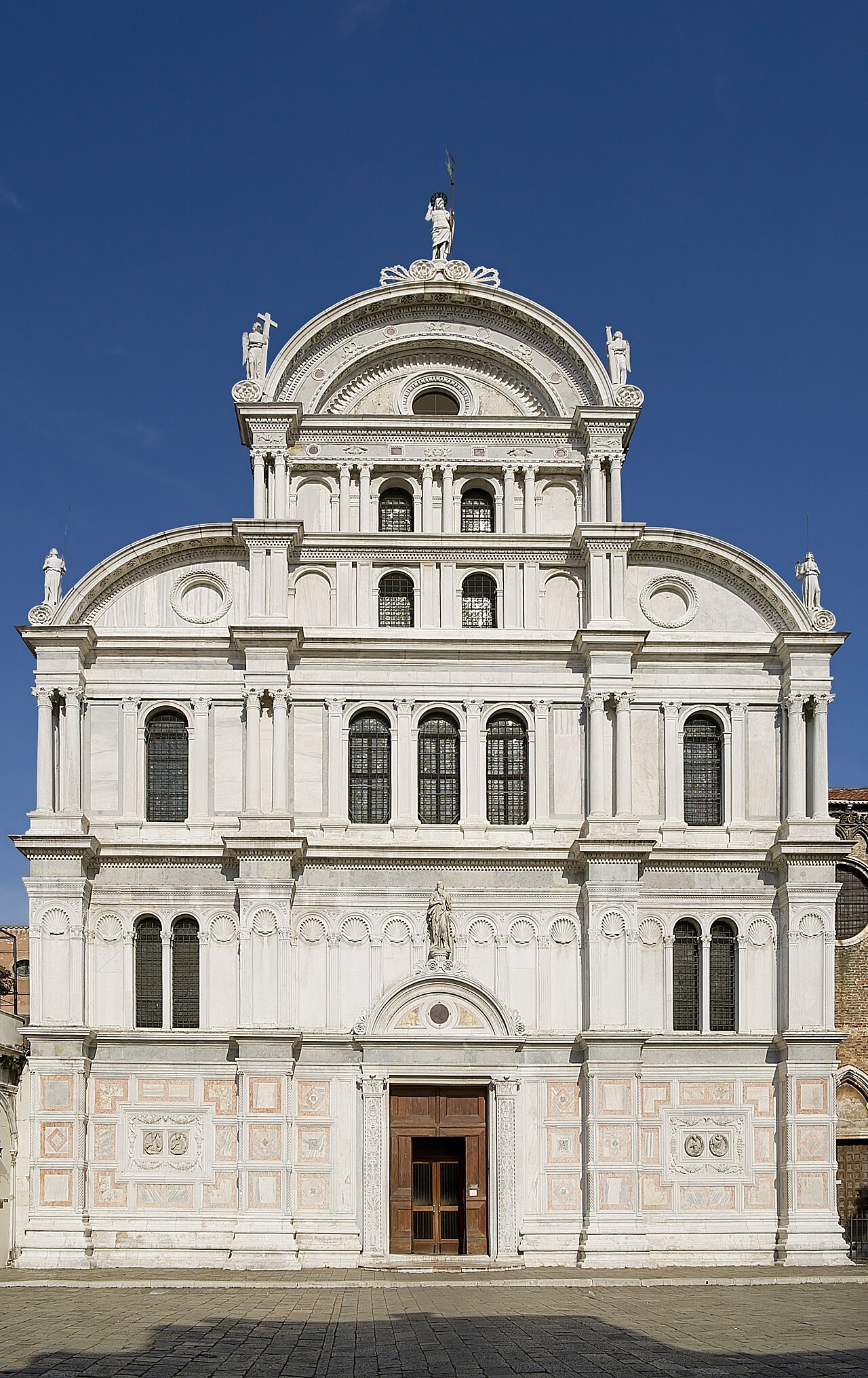
San Zaccaria
- Must see
- Place of worship

Museum · Venice
Museo di icone
Closed today, Sunday. Next open Monday at 09:00 — the planner will not place a stop here on a Sunday.
Plan around it| Monday | 09:00 – 17:00 |
|---|---|
| Tuesday | 09:00 – 17:00 |
| Wednesday | 09:00 – 17:00 |
| Thursday | 09:00 – 17:00 |
| Friday | 09:00 – 17:00 |
| Saturday | Closed |
| Sunday | Closed |
Parsed from OpenStreetMap opening hours on 2026-09-09.
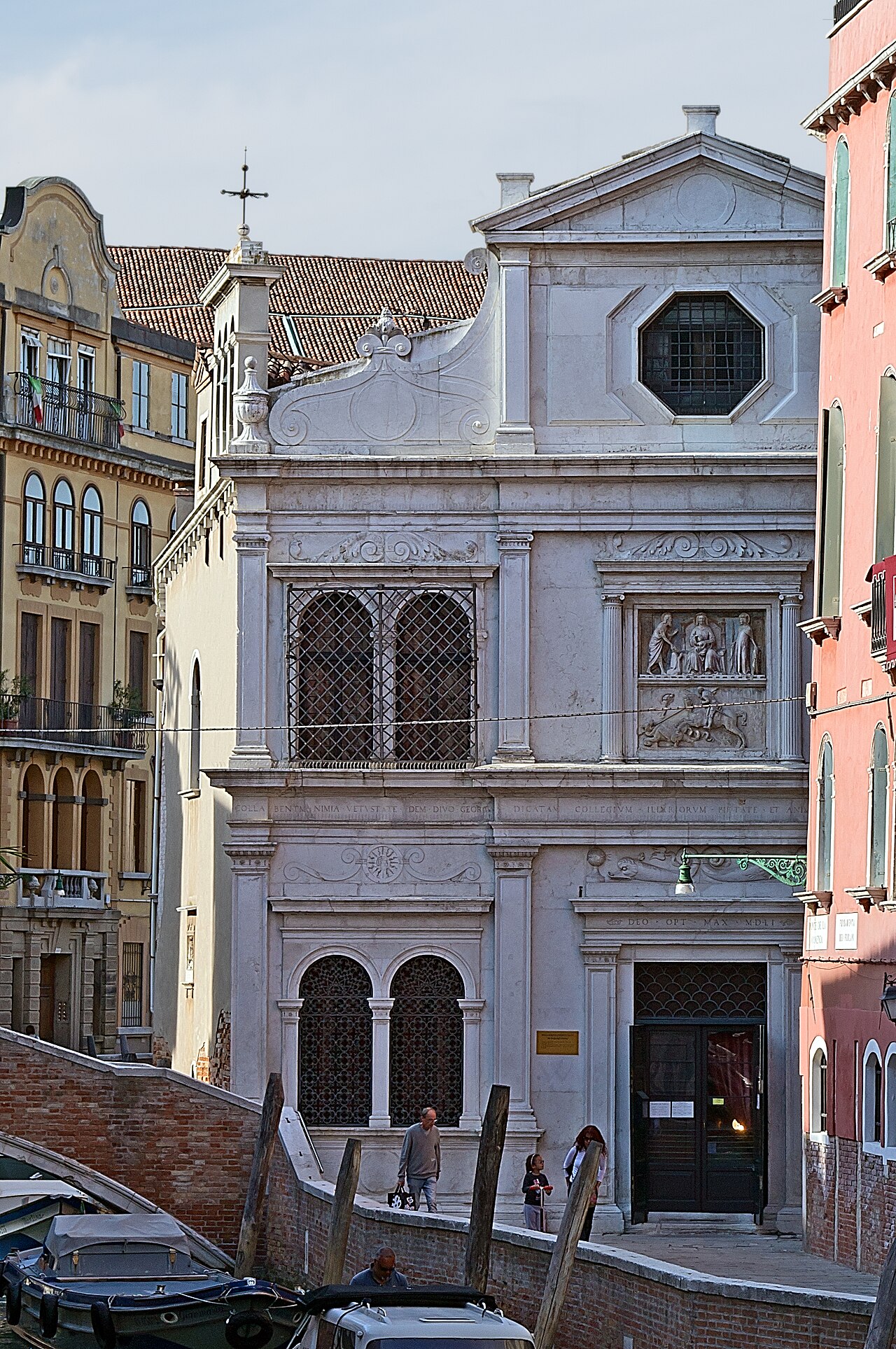
The Museum of Icons, also known locally as Museo di icone, is devoted to Eastern Christian religious art. Its collection centers on icons painted on wooden panels within Byzantine and post-Byzantine traditions. These images were created for devotion as well as artistic expression, and their formal compositions, symbolic gestures and luminous surfaces reflect Orthodox visual culture. Venice is a fitting setting for such a collection because the city connected eastern and western Mediterranean worlds through trade, diplomacy and religious exchange. This is a focused museum for travelers drawn to sacred art, symbolism and cultural connections.
Checked 2026-08-26 · Source
The collection includes icons associated with Greek, Russian and Balkan Orthodox traditions. Visitors encounter images of Christ, the Virgin Mary and saints, presented according to theological and artistic conventions rather than ordinary portrait realism. Many icons use egg tempera on prepared wood and gold backgrounds, creating a distinctive surface that changes with the light. Single panels, processional images and multi-part works help show the variety of devotional formats. Look for repeated poses, colors and attributes: these details help explain how an icon communicates identity and meaning beyond its immediate visual beauty.
Checked 2026-08-26 · Source
Allow approximately forty-five to ninety minutes for the museum. The shorter end suits travelers making a compact cultural stop between other Venetian sights. Spend longer if you want to compare regional traditions, study the iconographic details or linger with individual works. The specialized collection fits naturally into a broader walk through Venice rather than requiring an entire day. Because the subject rewards close looking, a calm pace is more useful than trying to cover many rooms quickly. Pairing the museum with another religious-art site can create a coherent day of sacred imagery across different traditions.
Checked 2026-08-26 · Source
Visit in the morning if you prefer a quieter setting for close examination of the icons. Venice is busiest during summer and major festival periods, while winter generally brings lighter pedestrian traffic but can include high-water disruption. Spring and autumn offer a comfortable balance for combining the museum with walks between churches and galleries. Religious calendars can influence the atmosphere around sacred-art institutions. Keep the day flexible enough to accommodate Venice’s bridges, narrow streets and waterbus connections, especially if you are linking this specialized collection with several stops across the historic center.
Checked 2026-08-26 · Source
Plan the museum as a focused paid cultural stop within a wider Venice itinerary. If you are visiting several institutions, compare the overall cost and route of your chosen museum visits rather than relying on a single attraction to fill the day. The collection is compact and specialized, making it particularly suitable for travelers who value religious art and Orthodox traditions. Keep transport costs separate from entry costs, especially when your route includes multiple vaporetto journeys. A considered schedule leaves enough time to look closely at the icons instead of turning the visit into a hurried stop between larger attractions.
Checked 2026-08-26 · Source
Venice’s historic center is reached on foot and by water, with vaporetto stops linking the main districts. Travelers arriving by train start at Santa Lucia, while road arrivals transfer from Piazzale Roma or Tronchetto. The museum’s address sits within Venice’s dense network of sestieri, calli and bridges, so the final walk matters as much as the water journey. Use a map that identifies the exact entrance and allow time for wrong turns. The city’s narrow passages can make GPS less precise, and a nearby landmark is often more useful than a straight-line distance.
Checked 2026-08-26 · Source
Comfortable walking shoes are essential for Venice’s paving, bridges and long connections between cultural sites. High water can affect low-lying routes, particularly in the cooler months. Summer transit brings heat, humidity and crowded vaporetto platforms, so carry water and protect yourself from the sun. Keep belongings secure in busy tourist areas. Inside the museum, use quiet voices and give devotional images the attention appropriate to sacred art. Historic Venetian interiors can include stairs and narrow passages, which may make movement more difficult for travelers with mobility limitations.
Checked 2026-08-26 · Source
Follow the signs and staff directions before photographing the icons. Flash is unsuitable for sensitive painted surfaces and can disturb the reflective atmosphere of a religious-art collection. Tripods, selfie sticks and extended filming can obstruct narrow rooms and other visitors. If images are permitted, keep equipment close and avoid leaning against cases or barriers. The museum is a place for concentrated looking: compare the painted gestures, gold grounds and symbolic details before raising your camera. Exterior walks through Venice provide broader opportunities for photography without interrupting the quiet character of the galleries.
Checked 2026-08-26 · Source
The museum presents Eastern Christian icons from Orthodox traditions, including Greek, Russian and Balkan examples.
The collection includes devotional images of Christ, the Virgin Mary and saints, painted according to Orthodox theological conventions.
Most travelers should allow about forty-five to ninety minutes, depending on how closely they study the iconography and materials.
The displays include icons painted on prepared wooden panels, often using egg tempera and gold backgrounds.
Venice connected eastern and western Mediterranean worlds through trade, diplomacy and religious exchange, making it a natural setting for this collection.
Yes. Its focused collection is especially rewarding for travelers interested in Orthodox Christianity, symbolism, devotional images and painted wood panels.
Loading the interactive map…
The interactive map could not be loaded.

Last updated:
Source: OpenStreetMap contributors, Wikidata ·