
31 min walk
Fort Treporti
- High · Heritage site
- Historic monument
Language · 11 published
Museum · Venice
Batteria Vettor Pisani
Reviewed by Elena Voss · Roavina Travel Editor
This place is a Museum. It carries the Italian national heritage heritage designation.
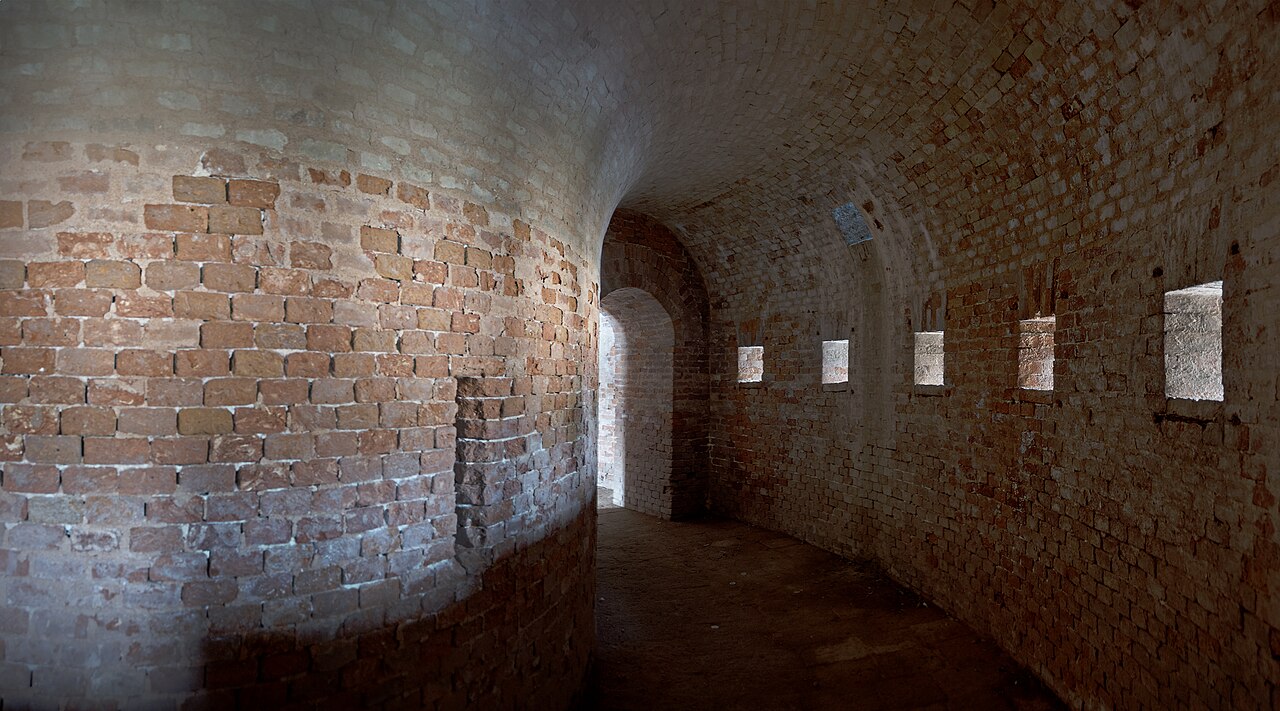
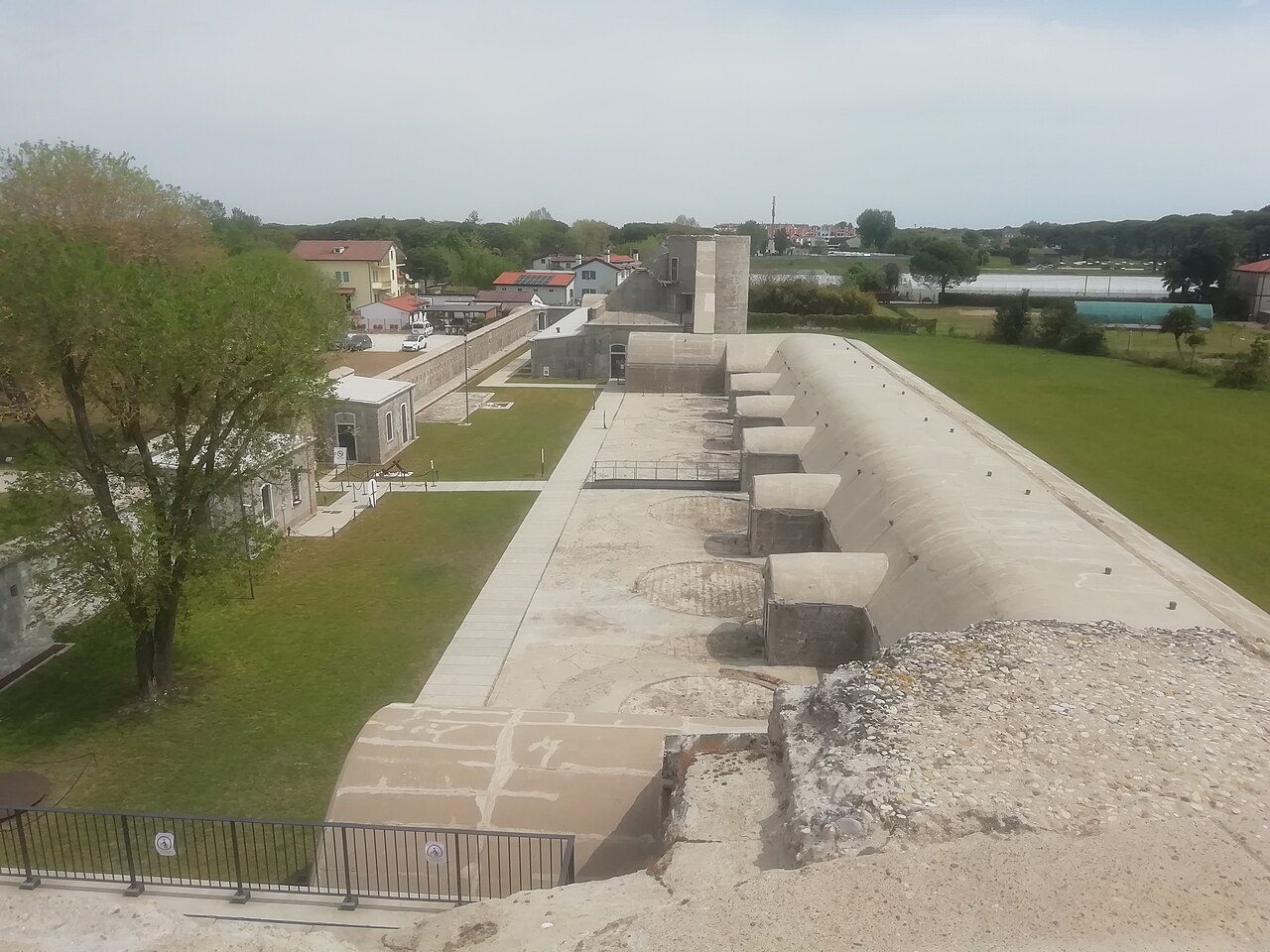
Batteria Pisani, also known as Batteria Vettor Pisani, is a military heritage site connected with Venice’s lagoon defenses. Its name links the place with the Venetian admiral Vettor Pisani and the city’s maritime history. Rather than a polished central museum, it represents the wider defensive landscape that protected lagoon approaches and coastal routes. Travelers interested in fortifications, naval history and less familiar parts of Venice will find a very different experience from the city’s grand palaces. Batteria Pisani, locally known as Batteria Vettor Pisani, is a historic military installation in Venice. The structure forms part of the defensive heritage of the Venetian lagoon area, reflecting the strategic coastal and maritime fortification systems developed during periods of regional conflict. Named after the Venetian admiral Vettor Pisani, the battery represents a layer of military engineering history embedded within the broader Venetian territory. Visitors encountering this site should understand it primarily as a monument to Venice's extended defensive networks rather than a fully operational or restored heritage interior. Daily public access is not confirmed. Visitors must verify current status before travel.
Checked 2026-08-26 · Source
The site’s interest lies in the surviving military structure and its relationship with the lagoon landscape. Visitors may encounter the physical forms associated with a defensive battery, such as fortified walls, gun positions or enclosed military spaces, depending on which areas can be reached. The setting matters as much as the masonry: water, open horizons and strategic coastal placement help explain why such installations formed part of Venice’s extended defense system. Treat the visit as heritage exploration rather than a conventional exhibition.
Checked 2026-08-26 · Source
Allow approximately thirty minutes to one hour for examining the exterior and any areas that can be safely entered. The time is enough for travelers focused on the structure, lagoon setting and photography, while military-history enthusiasts may linger over construction details and views. Include the battery within a broader lagoon itinerary instead of reserving an entire day for the site alone. Keep the schedule flexible because the experience depends on the accessible perimeter and the time needed to reach it.
Checked 2026-08-26 · Source
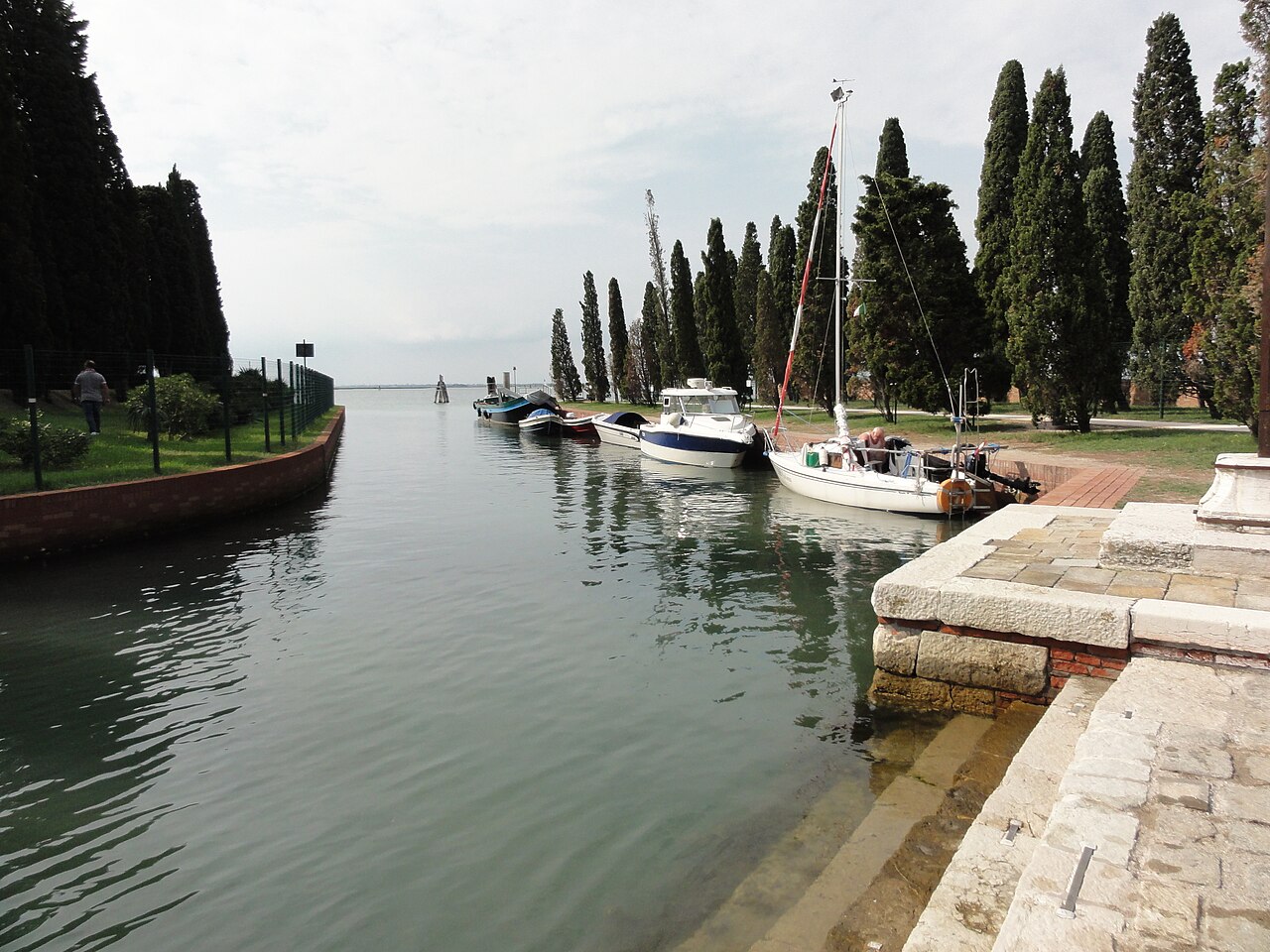
The lagoon setting is especially pleasant in cooler weather and in the morning, when light can emphasize the fortification against the water. Summer brings stronger sun and heat across exposed areas, while autumn and winter can bring damp conditions and changing tidal effects. Choose a day that leaves room for an unhurried approach and a careful look around. Weather can alter both comfort and the character of the site, so the battery suits travelers who enjoy outdoor heritage in variable conditions.
Checked 2026-08-26 · Source
Batteria Pisani belongs in a lagoon military-heritage itinerary rather than a standard sequence of central art museums. The attraction is the structure, its naval association and its setting beside the water. Travelers should allow time for transport and approach in addition to time at the battery itself. A visit can be paired with other lagoon landscapes or maritime places, creating a day centered on Venice’s strategic geography instead of the better-known monuments around San Marco.
Checked 2026-08-26 · Source
Reaching Batteria Pisani requires planning around Venice’s lagoon transport and the site’s peripheral position. Vaporetto services connect central Venice with outer lagoon locations, while a private water taxi offers another water-based option. The final approach may involve walking from a landing point, so sturdy footwear and spare time are useful. Consult current ACTV maps for the route that serves the relevant lagoon area. The battery is not a spontaneous detour from the central pedestrian streets.
Checked 2026-08-26 · Source
Military structures can contain uneven ground, worn surfaces, damp passages, unguarded edges and other physical hazards. Stay on sound routes and do not enter blocked or unstable areas. Around the lagoon, algae, tides and wet surfaces can make the edge slippery. Exposed places offer little shelter from sun or changing weather, so carry water and wear shoes with good grip. Tell someone your route when visiting a remote site, and keep children close throughout the visit.
Checked 2026-08-26 · Source
Batteria Pisani offers atmospheric photographs of military masonry set against lagoon water and open sky. Morning and evening light can bring out texture in walls and emphasize the battery’s strategic position. Work carefully around uneven ground and keep a safe distance from edges. The structure suits architectural details, long views and restrained documentary images. Keep drones and large equipment out of sensitive areas, and follow any signs or directions encountered on site. The strongest photographs usually include both the fortification and its maritime landscape.
Checked 2026-08-26 · Source
It is a military heritage site in Venice’s lagoon defensive landscape, also known as Batteria Vettor Pisani.
Vettor Pisani was a Venetian admiral, and his name connects the battery with Venice’s naval heritage.
Allow around thirty minutes to one hour for the structure, accessible perimeter and lagoon views.
Plan a lagoon journey using vaporetto services or a private water taxi, followed by any required walk from the landing point.
Wear sturdy shoes with good grip because military heritage sites and lagoon edges can include uneven or wet surfaces.
Its appeal comes from the combination of military architecture, Venetian naval history and the open lagoon landscape.
Loading the interactive map…
The interactive map could not be loaded.
Last updated:
Source: OpenStreetMap contributors, Wikidata ·