
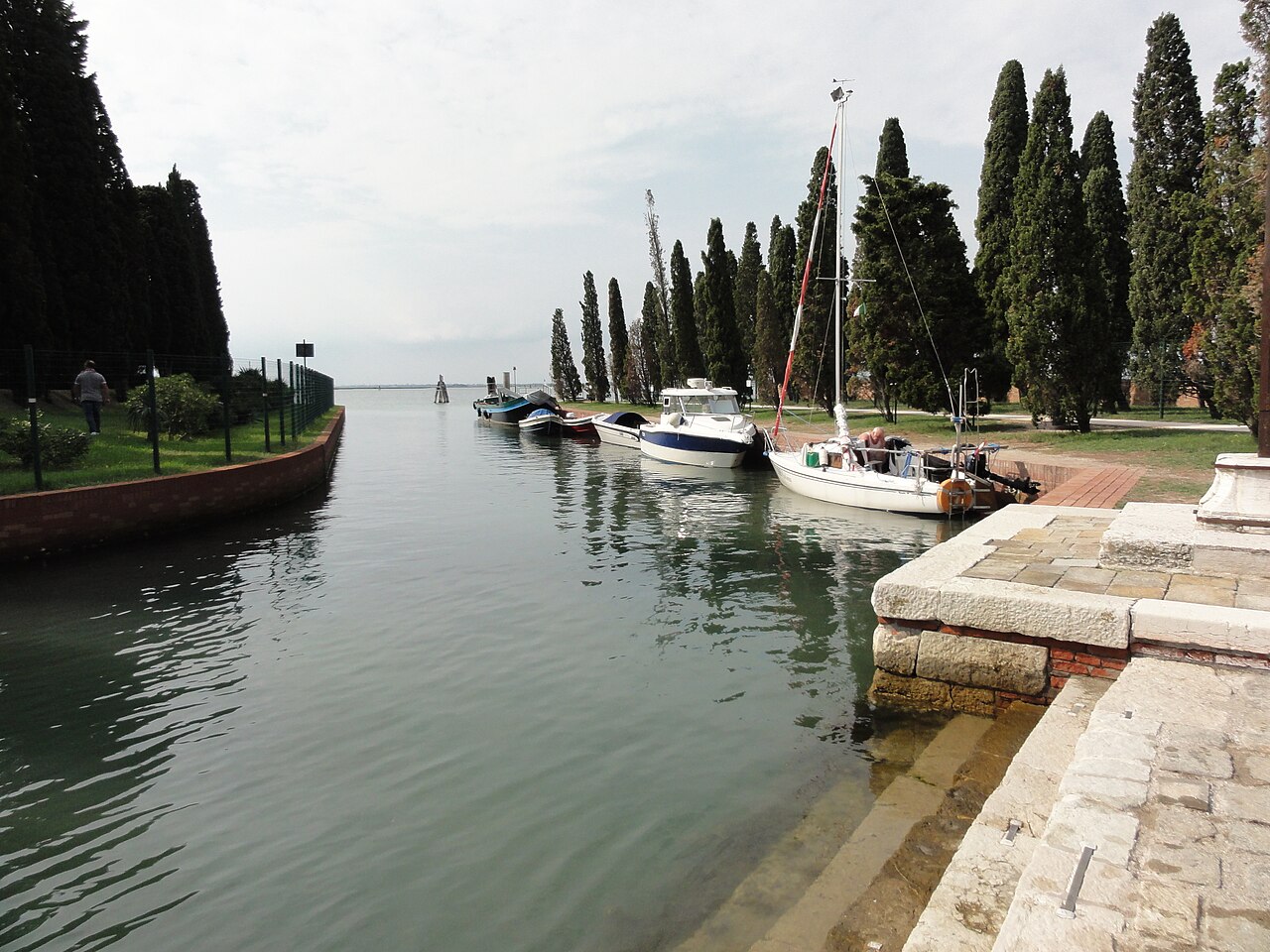
33 min walk
San Francesco del deserto
- Must see
- Art and culture venue
Language · 11 published
Historic monument · Venice
Forte Batteria Treporti
Reviewed by Elena Voss · Roavina Travel Editor
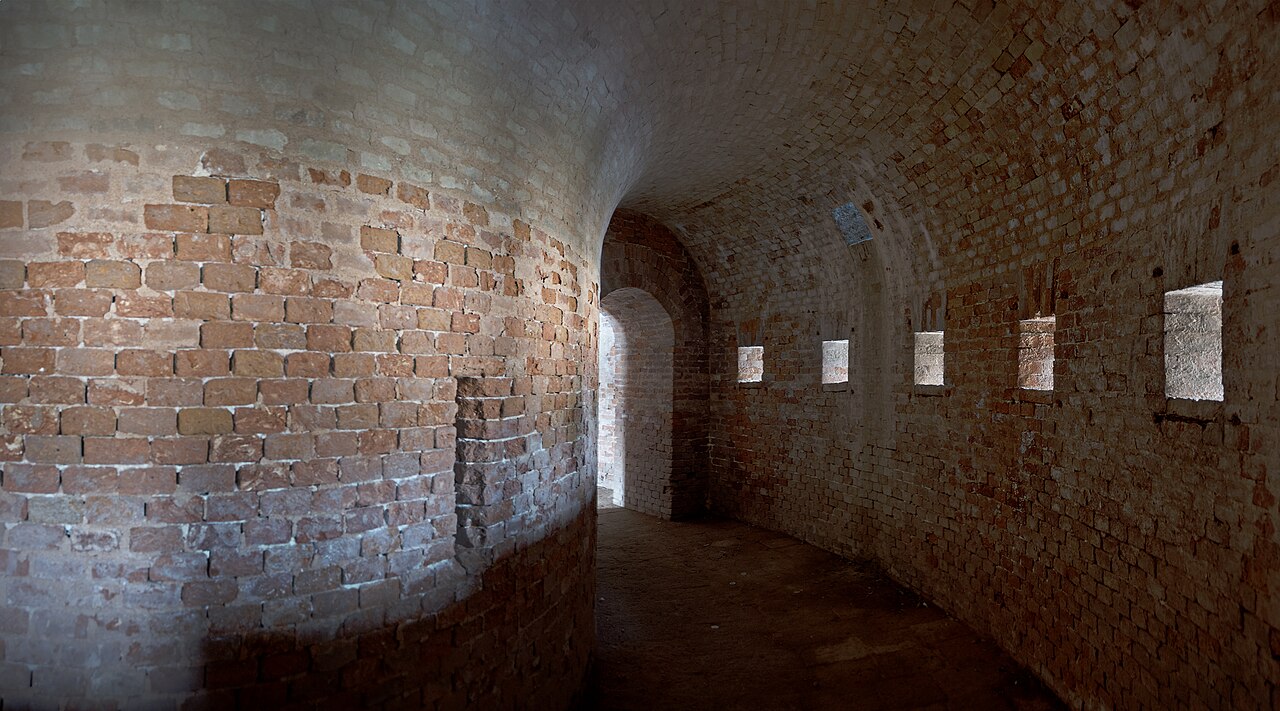
It was established in 1842. It carries the Italian national heritage heritage designation.
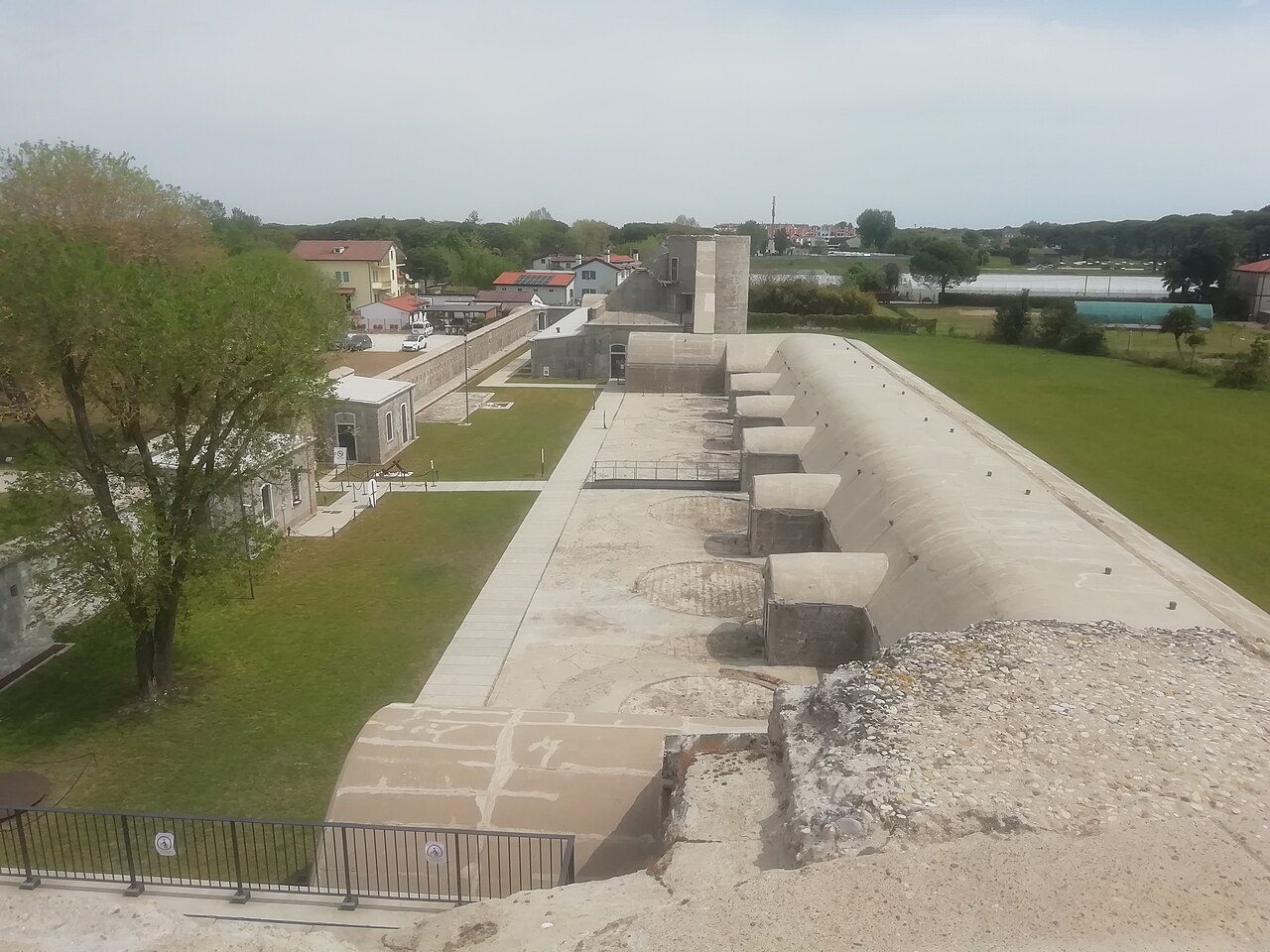
Fort Treporti, also known as Forte Batteria Treporti, is a historic military fortification in the Venetian lagoon area. It belongs to the defensive landscape that protected Venice and its maritime approaches. The fort gives visitors a way to explore the lagoon through military engineering rather than through palaces or churches. Its setting near the Lido approach makes the relationship between water, coastline and defence central to the experience. Fort Treporti, locally known as Forte Batteria Treporti, is a historic military fortification located in the Venetian lagoon area. The structure forms part of the defensive system that protected Venice and its surrounding waters. Built during a period of strategic coastal defence development, the fort represents the military engineering heritage of the region. Its position on the Lido di Venezia approach made it significant for controlling maritime access. Year-round public access is not confirmed. Visitors must verify current status before travelling. It is a historic military battery in the Venetian lagoon area, also known as Forte Batteria Treporti.
Checked 2026-08-26 · Source
Fort Treporti is best understood as a former coastal battery and a monument to military architecture. Look for the relationship between defensive construction and the lagoon environment, where control of maritime approaches shaped the fort’s purpose. The visit is about spatial character, strategic position and preserved military heritage rather than a conventional collection of paintings. Compare the fort with Venice’s other defensive sites to see how the lagoon functioned as both landscape and protected route. Visitors should expect a monument to military architecture rather than a fully furnished museum interior.
Checked 2026-08-26 · Source
Set aside a substantial part of a lagoon outing for Fort Treporti, including the journey and time spent walking around the military site. Visitors interested in fortifications can linger over walls, defensive geometry and the relationship with the water. Others may prefer a focused stop before continuing through the Lido or northern lagoon area. The fort works best as one element in a day that gives equal attention to transport, landscape and military heritage. A visit to Fort Treporti would reasonably require between forty-five minutes and ninety minutes depending on accessible areas and individual interest in military heritage.
Checked 2026-08-26 · Source
Late spring through early autumn can make an exposed lagoon excursion more comfortable, with longer daylight for observing the fort and its surroundings. Morning or late-day light can emphasise the geometry of the battery and the open coastal setting. Plan around the transport needed to reach the northern lagoon area, and leave room for weather changes. Fort Treporti is most rewarding when the journey is treated as part of the Venetian lagoon experience.
Checked 2026-08-26 · Source
Build a Fort Treporti visit around its identity as a historic lagoon battery and defensive monument. Keep the outing flexible, since the experience depends on reaching a peripheral site and spending time in its surroundings. If your day includes central Venice museums or churches, plan this fort separately so its transport and outdoor setting receive proper attention. The strongest reason to go is the connection between military engineering, the Lido approach and Venice’s protected waters.
Checked 2026-08-26 · Source
Fort Treporti requires a journey into the Venetian lagoon area rather than a simple walk from the central San Marco sights. Vaporetto services connect Venice with Lido di Venezia, after which onward travel and walking may be needed for the northern lagoon approach. Consult the current ACTV network for the day of your trip and allow generous connection time. A private water taxi is another way to travel through the lagoon, but the journey remains dependent on the final approach to the fort.
Checked 2026-08-26 · Source
Fort Treporti is a coastal military structure, so expect uneven surfaces, exposed areas and the possibility of worn masonry. Stay on safe paths, respect barriers and avoid entering spaces that are closed. Lagoon weather can bring wind, sun and damp conditions, while high water can affect low-lying routes. Wear sturdy shoes and bring suitable protection from the elements. Mosquitoes may be present during warmer months, making repellent useful for time spent outdoors.
Checked 2026-08-26 · Source
Photograph Fort Treporti as a meeting point of military geometry and lagoon landscape. The battery’s walls, coastal position, open sky and surrounding water provide strong subjects for wide contextual images as well as architectural details. Early and late daylight can bring out texture in the masonry. Keep tripods and equipment practical in exposed or narrow areas, respect site restrictions and avoid disturbing nearby activity. Any interior image-making should follow directions given at the fort.
Checked 2026-08-26 · Source
It is a historic military battery in the Venetian lagoon area, also known as Forte Batteria Treporti.
The fort connects Venice’s military engineering with the lagoon, coastline and maritime approaches near the Lido.
It is in the Venetian lagoon area near the Lido di Venezia approach and the northern lagoon.
Travel towards Lido di Venezia by vaporetto, then continue through the northern lagoon area by onward transport and walking.
Wear sturdy shoes and weather-appropriate clothing for exposed coastal ground, uneven surfaces and changing lagoon conditions.
Photograph the battery’s defensive geometry, masonry, open sky and relationship with the surrounding Venetian lagoon landscape.
Loading the interactive map…
The interactive map could not be loaded.

Last updated:
Source: OpenStreetMap contributors, Wikidata ·