
5 min walk
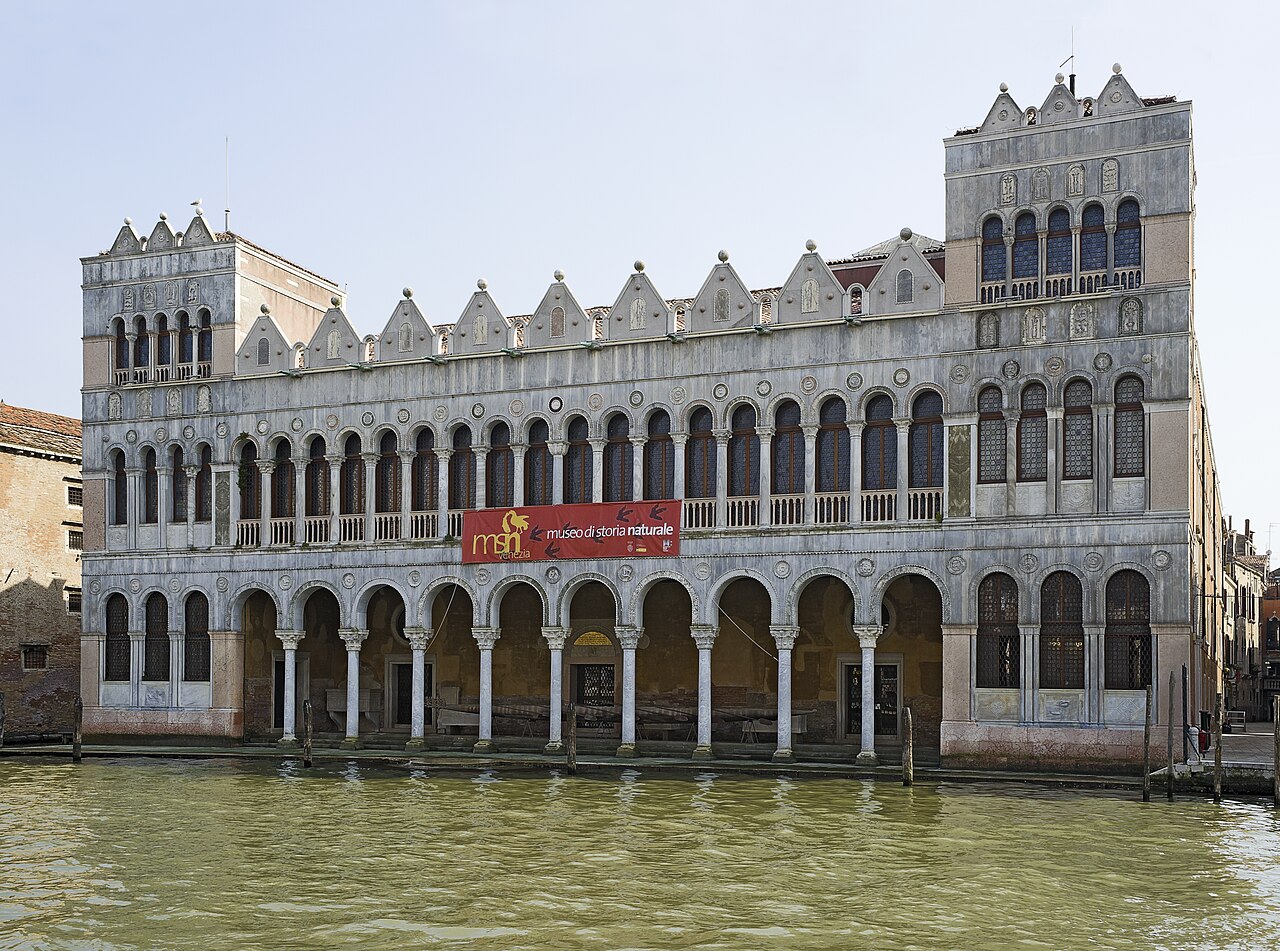
Museo di Storia Naturale di Venezia
- Must see · Heritage site
- Museum
Museum · Venice
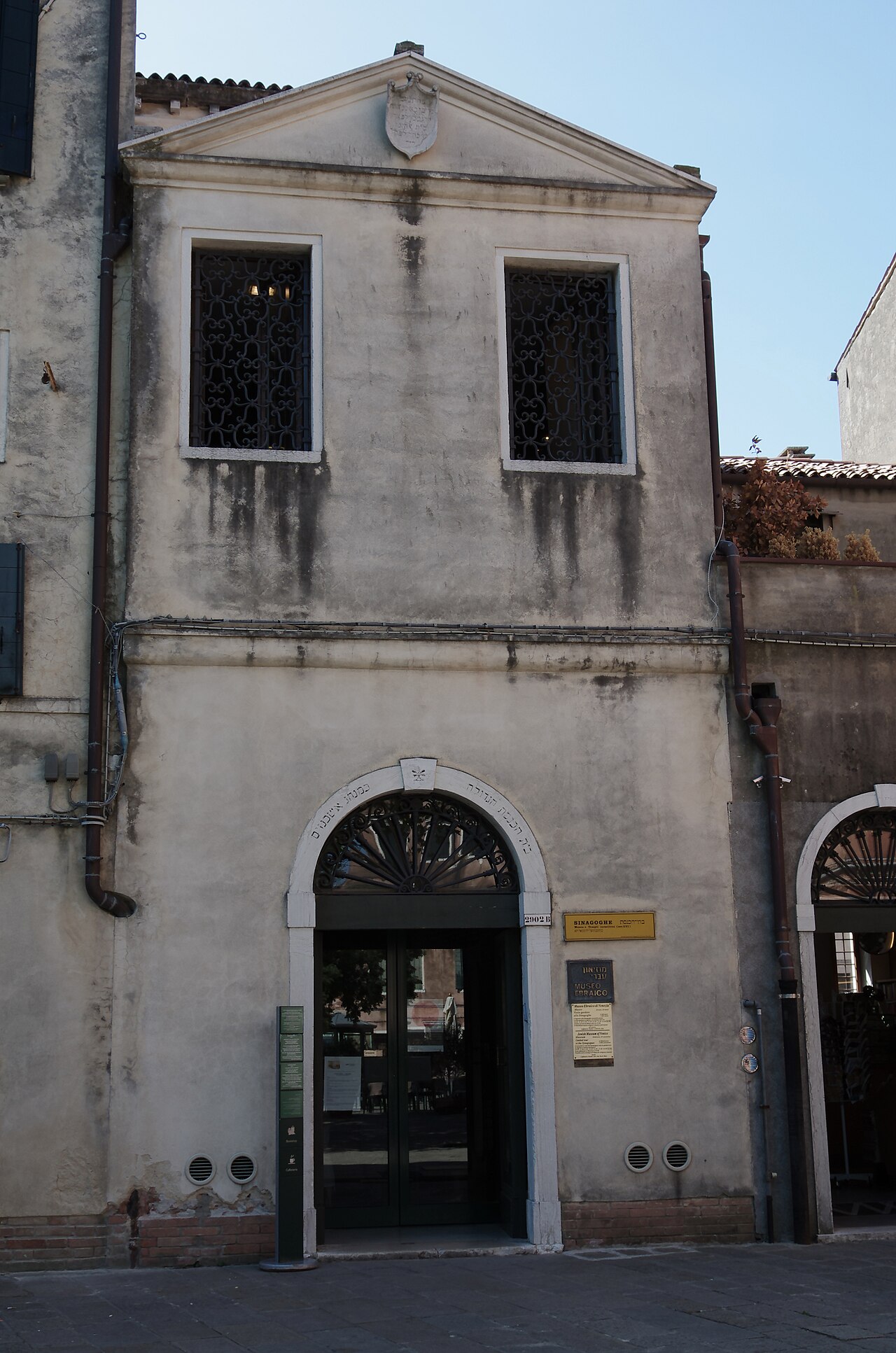
Museo Ebraico
| Monday | 10:00 – 17:30 |
|---|---|
| Tuesday | 10:00 – 17:30 |
| Wednesday | 10:00 – 17:30 |
| Thursday | 10:00 – 17:30 |
| Friday | 10:00 – 17:30 |
| Saturday | Closed |
| Sunday | 10:00 – 17:30 |
Parsed from OpenStreetMap opening hours on 2026-09-09.
The Museo Ebraico di Venezia sits in the historic Venetian Ghetto in Cannaregio, a district established in 1516 and among Europe’s oldest segregated Jewish quarters. The museum presents the heritage of Venice’s Jewish communities through religious objects, domestic material and historical interpretation. It is both a museum and a gateway to the neighbourhood’s living identity. Visiting places the city’s Jewish history within the streets, synagogues and social spaces that shaped community life over centuries. The Museo Ebraico di Venezia, locally known as Museo Ebraico, is a museum situated in the Cannaregio district of Venice. It occupies space within the historic Venetian Ghetto, established in 1516 as one of Europe's oldest segregated Jewish quarters. The museum preserves and presents the heritage of Venetian Jewish communities across centuries. Its collections and exhibitions document religious traditions, daily life, and the historical experience of Jews in the lagoon city. The institution serves as a cultural anchor for understanding minority history within Venice's broader urban narrative. The historic Venetian Ghetto environment includes bridges with steps and narrow, uneven pathways. Visitors with mobility concerns should contact the museum directly for current information.
Checked 2026-08-26 · Source
The displays include textiles, silverwork, documents, synagogue furnishings and objects connected with Jewish ceremonial and domestic life. Exhibits trace the history of the Ghetto from its foundation through the modern era and show how Venetian Jewish communities maintained traditions under restrictive conditions. The museum also provides a connection with five historic synagogues in the neighbourhood, some visited through related programming. Focus on the objects as evidence of daily practice, religious continuity and adaptation within Venice’s changing urban history.
Checked 2026-08-26 · Source
Allow one to two hours for the museum itself, depending on how closely you read the displays and examine the objects. Synagogue visits connected with the museum require additional time and change the shape of the outing. The exhibition area is compact in physical scale, but the historical material rewards a deliberate pace. Leave room afterward for walking through the Ghetto, where the surrounding streets add context to what you have seen indoors.
Checked 2026-08-26 · Source
Morning can offer a quieter beginning for museum viewing before the Cannaregio streets become busier. Venice’s summer and Carnival periods bring heavier visitor traffic, while the Ghetto can be paired with a slower neighbourhood walk in spring, autumn or winter. Choose a time that leaves space for the museum’s historical displays and the nearby synagogues. The district is active and residential, so a considerate pace works better than treating the area as a quick photographic stop.
Checked 2026-08-26 · Source
The museum visit and associated synagogue programming form a cultural experience in the Ghetto, with arrangements connected to the exhibition and tours available there. Plan enough time to engage with the displays rather than treating entry as a brief landmark stop. If your route includes the synagogues, allow a separate block in the day for that experience. The museum’s value comes from the combination of material culture, historical interpretation and the surrounding quarter’s continuing religious significance.
Checked 2026-08-26 · Source
The Museo Ebraico di Venezia is in Cannaregio’s Ghetto district. From Santa Lucia railway station, visitors can walk through the northern part of Venice to reach it. Vaporetto routes serving San Marcuola or Guglie provide waterbus approaches followed by a pedestrian route. Central Venice has no vehicular access, so every final approach is on foot. Expect narrow calli, small bridges and uneven paving, and use the Ghetto’s distinctive urban setting as part of the route rather than merely a path to the door.
Checked 2026-08-26 · Source
The Ghetto contains active religious spaces and homes, so keep voices low and respect residents and worshippers. Entry to Jewish institutions can include security procedures. Narrow passages, bridge steps and uneven paving make movement slower for visitors with limited mobility. High water can affect routes through Venice. The museum addresses serious historical themes, including segregation and community survival; approach the displays with care rather than treating them as background for staged images. Follow signs and staff directions throughout the visit.
Checked 2026-08-26 · Source
The museum’s objects and the associated synagogues deserve careful, respectful treatment. Follow posted photography rules and staff directions, especially around religious objects, synagogue interiors and sensitive displays. Flash, tripods and filming can interfere with preservation, worship and other visitors. Do not photograph people in private or devotional moments without permission. The Ghetto streets offer architectural views, but the neighbourhood is also a living residential and religious community. Let observation lead the visit, with photography kept quiet and secondary.
Checked 2026-08-26 · Source
It presents Venetian Jewish heritage through ceremonial objects, textiles, silverwork, documents, synagogue furnishings and historical displays.
It is in the historic Venetian Ghetto in Cannaregio, reached on foot or by vaporetto followed by a walk.
Allow one to two hours for the museum, with additional time for associated synagogue visits and a walk through the Ghetto.
The museum is connected with the five historic synagogues in the neighbourhood, and some are visited through related programming.
Wear modest clothing and behave respectfully near synagogues and active community spaces, keeping voices low and following local directions.
Established in 1516, it is Venice’s historic Jewish quarter and one of Europe’s oldest segregated Jewish quarters.
Loading the interactive map…
The interactive map could not be loaded.
Last updated:
Source: OpenStreetMap contributors, Wikidata ·