10 min walk
MAXXI
- Must see · Heritage site
- Museum
Language · 11 published
Historic monument · Rome
Reviewed by Elena Voss · Roavina Travel Editor
| Monday | 00:00 – 23:59 |
|---|---|
| Tuesday | 00:00 – 23:59 |
| Wednesday | 00:00 – 23:59 |
| Thursday | 00:00 – 23:59 |
| Friday | 00:00 – 23:59 |
| Saturday | 00:00 – 23:59 |
| Sunday | 00:00 – 23:59 |
Parsed from OpenStreetMap opening hours on 2026-09-09.
This place is a Attraction. It is built of stone. It carries the Italian national heritage heritage designation.
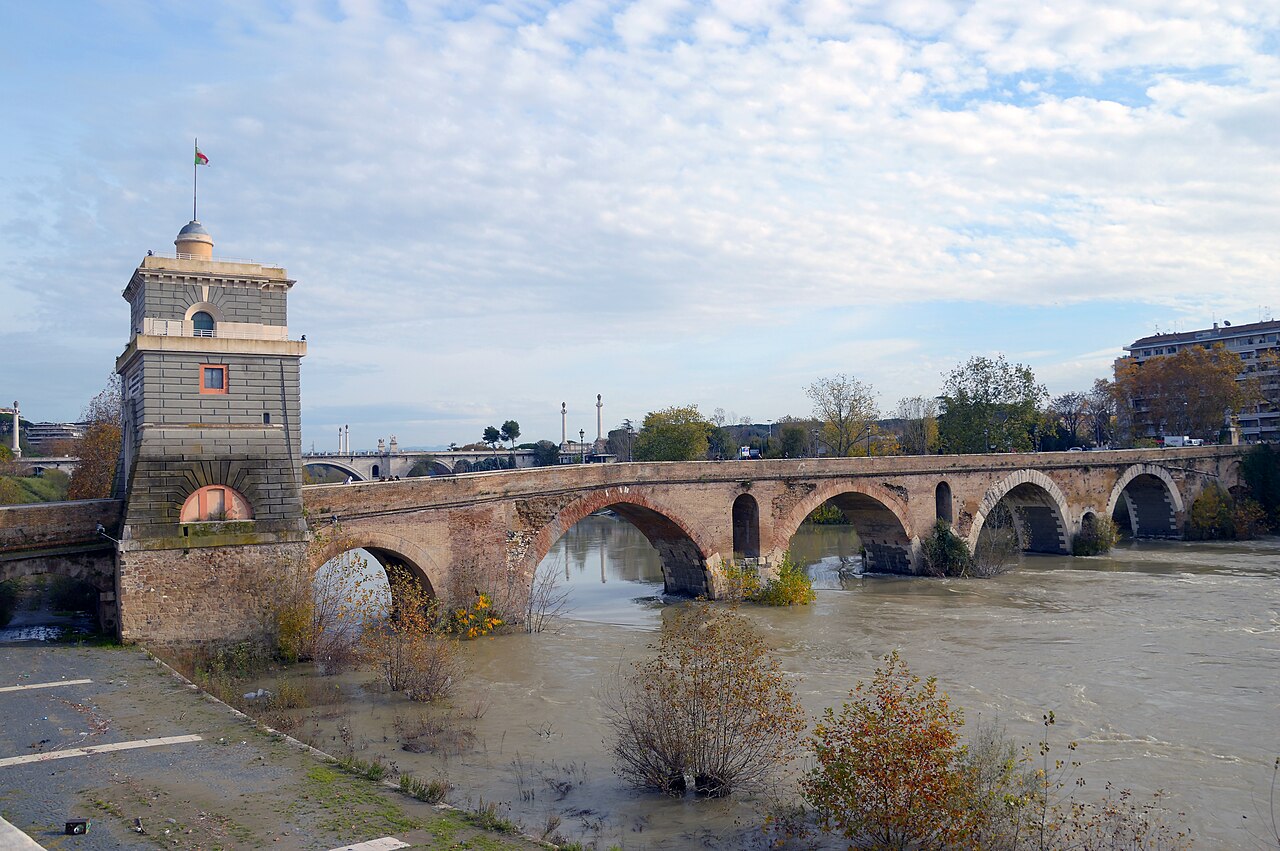
Ponte Milvio is an ancient Roman bridge spanning the Tiber River in northern Rome. The structure carries significant historical weight as the site of the pivotal Battle of the Milvian Bridge in 312 CE, where Constantine defeated Maxentius. The bridge has undergone multiple reconstructions throughout its long history. Today it serves as a pedestrian thoroughfare connecting the Ponte Milvio and Flaminio districts. The bridge has also gained contemporary cultural recognition as a romantic destination where couples attach padlocks to its lampposts, though this practice has been officially discouraged by municipal authorities due to structural concerns.
Checked 2026-08-26 · Source
The bridge itself is an open-air stone structure without enclosed interior spaces. Visitors traverse its length across the Tiber River. The bridge features lampposts and balustrades along its sides. The surrounding area includes river embankments accessible for walking. The Milvian Bridge area contains no museums, exhibition halls, or commercial establishments on the structure proper. The experience consists of crossing the historic span and observing the river and urban landscape. Nearby streets in the Ponte Milvio district offer restaurants and shops, but these are separate from the bridge itself. The physical fabric represents layers of historical construction phases.
Checked 2026-08-26 · Source
A direct crossing of Ponte Milvio requires approximately five to ten minutes at a leisurely pace. Most visitors allocate additional time for pausing to observe the river, photograph the structure, or read any informational markers present. A thorough visit incorporating both approaches from either riverbank and examination of the stonework might extend to thirty minutes. The bridge functions primarily as a passage rather than a destination requiring extended dwell time. Visitors often combine the crossing with exploration of the surrounding Flaminio or Ponte Milvio neighborhoods, which would substantially lengthen the overall excursion depending on individual interests.
Checked 2026-08-26 · Source
Ponte Milvio is an outdoor public bridge accessible at all hours as a thoroughfare. The structure experiences highest foot traffic during evening hours and weekends, particularly in temperate seasons when the adjacent district's nightlife and dining venues attract visitors. Summer months bring increased tourist presence. Early morning visits offer quieter conditions for unobstructed photography and contemplation of the historical site. Weather conditions affect visitor comfort given the exposed nature of the crossing. Rain and strong winds may diminish the experience.
Checked 2026-08-26 · Source
Ponte Milvio is a public bridge with no admission control or entry fees. No ticketing infrastructure exists for the structure. The bridge operates as free-access civic infrastructure. Visitors should anticipate incidental expenditures only for transportation to reach the site, or for food and beverages in surrounding commercial establishments. Any organized tours incorporating the site would be arranged through external providers with separate pricing structures. The absence of barriers or turnstiles confirms the unrestricted public nature of this historical monument.
Checked 2026-08-26 · Source
Ponte Milvio connects the Flaminio and Ponte Milvio districts in northern Rome. Public bus services operate in the vicinity, with stops requiring walking distance to reach the bridge approaches. The Flaminio metro station on Line A provides access to the southern terminus area, necessitating additional walking or bus connection. The bridge is not served directly by tram or metro. Private vehicles may access surrounding streets though parking availability is constrained in this urban area. Walking and cycling represent viable approaches along river embankment paths. Visitors should consult current transit schedules as routes and frequencies are subject to modification by transport authorities.
Checked 2026-08-26 · Source
The padlock-attaching practice, while romantically associated with the bridge, has been officially discouraged and periodically removed by authorities due to structural and aesthetic concerns. Visitors should respect any posted prohibitions. The bridge surface may become slippery in wet conditions. Standard urban precautions apply regarding personal belongings in this public thoroughfare. The structure carries vehicular traffic on its western side; pedestrians should remain on designated walkways. River embankments may lack protective barriers in all locations. Nighttime visitors should exercise awareness of surroundings as in any metropolitan area. No specific hazards unique to this site are documented beyond those inherent to historic stone bridges and urban river crossings.
Checked 2026-08-26 · Source
Ponte Milvio offers photographic subjects including the stone bridge architecture, Tiber River views, and contextual cityscape. The open structure permits natural lighting throughout daylight hours. Sunrise and sunset provide directional illumination across the river. The bridge lampposts may offer atmospheric night photography opportunities when operational. No photography restrictions are documented for this public space. Tripod use should not obstruct pedestrian passage. The riverbanks provide alternative vantage points for capturing the bridge in its entirety. Reflections in the Tiber depend on water conditions and wind. The historical significance of the site may inform compositional choices emphasizing the layered stonework and enduring presence of this ancient crossing point.
Checked 2026-08-26 · Source
The bridge functions as public infrastructure and is understood to remain accessible continuously.
This practice has been officially discouraged by municipal authorities. Visitors should observe any posted prohibitions and respect conservation efforts for the historic structure.
The original bridge dates to ancient Roman times, with the Battle of the Milvian Bridge occurring in 312 CE. The structure has undergone multiple reconstructions throughout its history.
No museum or enclosed exhibition space exists on the bridge. The structure is an open-air crossing without interior facilities.
Constantine's victory over Maxentius in 312 CE at this location was pivotal in Roman imperial history, subsequently associated with the emperor's embrace of Christianity according to historical tradition.
The site may be included in broader Rome walking itineraries offered by external tour providers.
Loading the interactive map…
The interactive map could not be loaded.
Last updated:
Source: OpenStreetMap contributors, Wikidata ·