
2 min walk
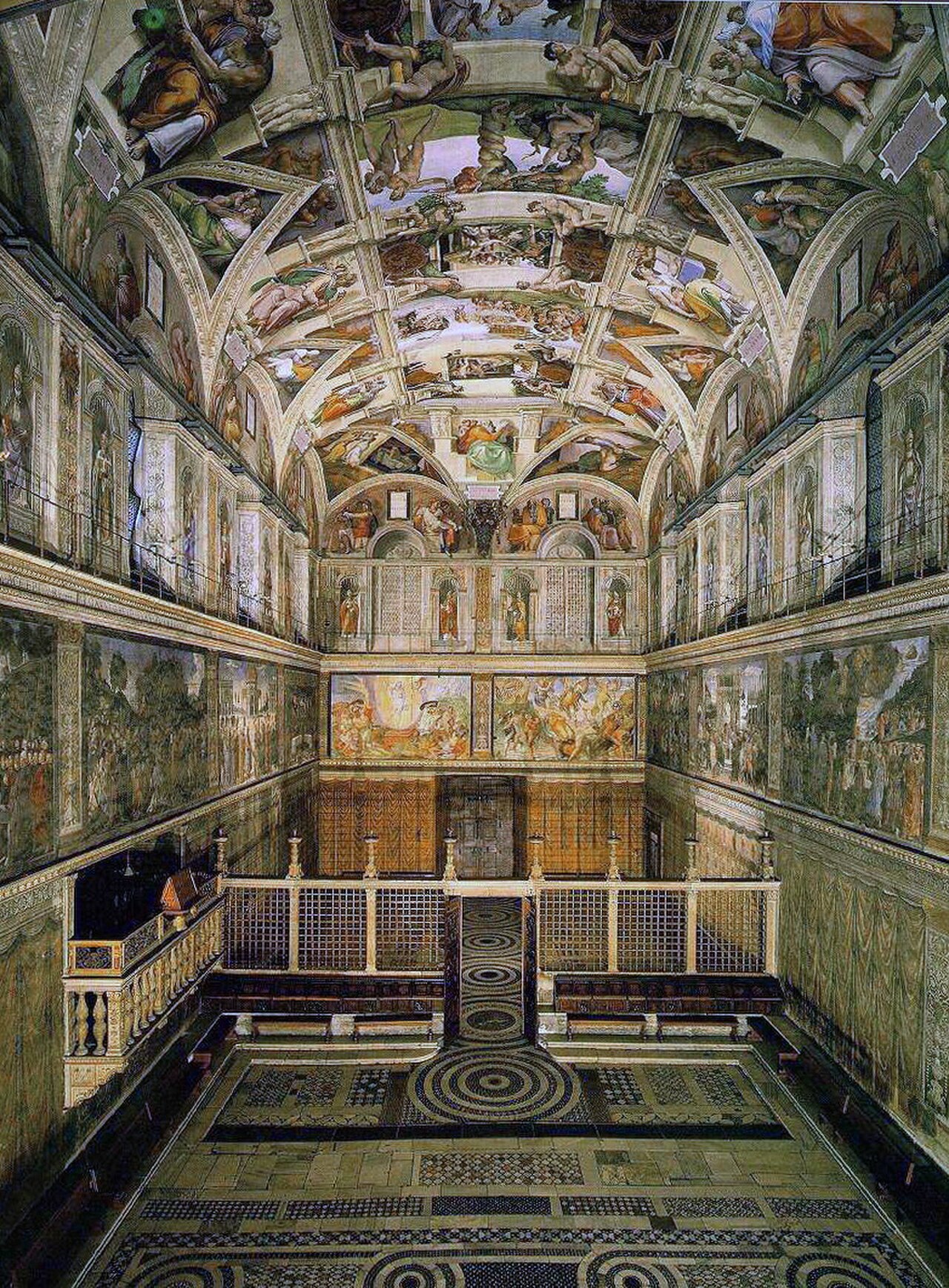
Sistine Chapel
- Must see
- Historic monument
Language · 11 published
Historic monument · Rome
Basilica di San Pietro
Reviewed by Elena Voss · Roavina Travel Editor
| Monday | 07:00 – 20:00 |
|---|---|
| Tuesday | 07:00 – 20:00 |
| Wednesday | 07:00 – 20:00 |
| Thursday | 07:00 – 20:00 |
| Friday | 07:00 – 20:00 |
| Saturday | 07:00 – 20:00 |
| Sunday | 07:00 – 20:00 |
Checked 2026-08-31 · Source
Read from the OpenStreetMap access tags; anything not listed has no tag recorded.
Set the group type to family in the planner and the day window contracts to about three quarters of a solo day.
This place is a Attraction. It was established in 1506. It was built in the Renaissance architecture style. It was designed by Carlo Maderno. It is built of cement. It carries the part of UNESCO World Heritage Site heritage designation.
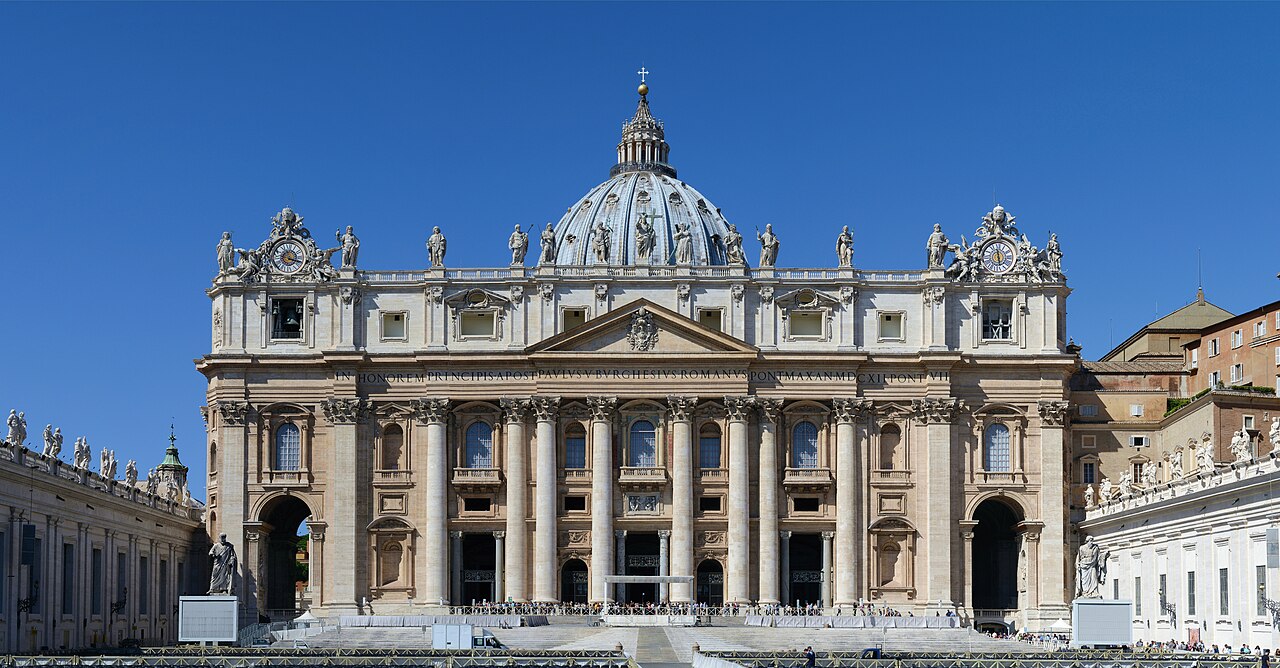
St. Peter's Basilica, locally Basilica di San Pietro, stands as one of Rome's most prominent landmarks within Vatican City. This Renaissance church occupies a site of immense historical and religious significance in Christianity. The structure represents centuries of architectural development, with contributions from multiple renowned architects. Its dome dominates the Roman skyline and serves as a defining visual element. The basilica functions as a major pilgrimage destination and remains an active place of worship. Its scale and artistic contents attract millions of visitors annually from across the world.
Checked 2026-08-26
The interior contains extensive artistic and architectural elements accumulated over centuries. Visitors encounter numerous chapels, altars, and monuments throughout the vast space. Michelangelo's Pietà represents one of the most celebrated sculptures housed within. The papal altar sits beneath Bernini's bronze baldachin. Numerous tombs of popes line the crypt and other areas. Mosaics, marble decorations, and gilded surfaces cover substantial portions of the interior. The overall impression conveys deliberate grandeur appropriate to its religious and historical status. Art historical significance permeates virtually every visible surface.
Checked 2026-08-26
Visitor duration varies considerably based on individual interests and crowd conditions. A brief visit focusing on major highlights might require approximately one hour. More thorough exploration of chapels, artwork, and the crypt demands additional time. Those wishing to climb the dome should allocate substantially longer. Peak periods involve extended waiting periods before entry, which adds to total visit duration. Religious services occur regularly and may affect accessibility of certain areas. Personal pacing and crowd levels represent the primary variables determining appropriate time allocation for this site.
Checked 2026-08-26
Visitors should consult official Vatican sources before planning arrival. Seasonal patterns affect crowd levels substantially, with summer months typically experiencing peak visitation. Early morning arrivals generally encounter shorter entry queues regardless of season. Major religious observances, particularly around Christmas and Easter, attract exceptional numbers of pilgrims and may restrict regular tourist access. Wednesday papal audiences in the nearby square influence surrounding area congestion. Weather considerations matter less for interior visits though dome climbs depend on conditions. St. Peter's Basilica also earns time in a rome itinerary because Exact unique production name match within the declared city scope. Its value becomes clearer when the stop is compared with the surrounding streets and the other ranked places nearby. Check the operator's own site for the travel date before relying on a schedule or fare.
Checked 2026-08-26
The basilica itself traditionally permits free entry for basic visitation, though this policy requires current verification. Dome ascent typically involves separate fee-based access. Audio guides and guided tour services represent additional potential costs. Some specialized areas may impose charges. Visitors should verify all pricing through official channels before arrival. Payment methods and exact fee structures remain subject to change. Budget-conscious travelers particularly benefit from confirming current policies, as significant expenses can accumulate across multiple Vatican attractions and services. Check the operator's own site for the travel date before relying on a schedule or fare.
Checked 2026-08-26
The basilica sits within Vatican City, adjacent to central Rome. Metro Line A provides nearby access via Ottaviano-San Pietro or Cipro stations, requiring subsequent walking. Multiple bus routes serve the surrounding area. Walking from central Rome locations like Piazza Navona or Castel Sant'Angelo represents a feasible option for able visitors. The site lacks direct vehicle access for general tourists. River crossings become necessary from certain approach directions. Signage throughout the vicinity assists pedestrian navigation. Allow additional time for security screening queues before actual entry regardless of transportation method selected.
Checked 2026-08-26
Strict security screening operates at all entry points with airport-style procedures. Prohibited items include large bags, weapons, and sharp objects. Dress codes require covered shoulders and knees for both genders; enforcement varies but compliance eliminates risk. Pickpockets operate in surrounding crowded areas requiring standard urban vigilance. The vast interior scale can disorient visitors; meeting points assist groups. Religious services take precedence over tourism; respectful silence maintains appropriate atmosphere. Dome climbs involve substantial stair portions unsuitable for all physical conditions. Wheelchair accessibility exists for main areas though some sections remain restricted.
Checked 2026-08-26
Photography policies vary by specific location within the complex. The main basilica interior generally permits non-flash photography for personal use. Specific chapels or restricted areas may prohibit all image capture. The Sistine Chapel, though separate, maintains strict no-photography rules that visitors sometimes confuse with basilica policy. Tripods and professional equipment typically face restrictions without special arrangement. Flash photography damages artworks and disrupts worship. Dome ascent permits exterior panoramic photography valued by many visitors. Commercial or publication use requires separate permissions. Respect for ongoing religious activities should guide all photographic decisions.
Checked 2026-08-26
The basilica has traditionally allowed free entry for basic visitation, but current policies require verification through official Vatican sources before visiting. Check the operator's own site for the travel date before relying on a schedule or fare.
Dome access is available separately from the main basilica, typically involving additional fees and substantial stair climbing. The ascent rewards visitors with panoramic views of Rome and the Vatican grounds.
Visitors must cover shoulders and knees. This dress code applies to all genders. Enforcement varies, but compliance ensures entry without difficulty. Hats should be removed inside.
Metro Line A stops at Ottaviano-San Pietro or Cipro, followed by walking. Multiple bus routes also serve the area. Walking from central Rome remains feasible for many visitors.
Large bags face restrictions at security screening. Travel light to avoid complications. Security procedures resemble airport standards with X-ray screening and metal detection at all entry points.
Religious services occur regularly and welcome participants. Tourist visitation pauses during certain services. Schedules require verification through official sources. Visitors attending Mass should observe respectful behavior and appropriate dress.
Loading the interactive map…
The interactive map could not be loaded.
Last updated:
Source: OpenStreetMap contributors, Wikidata ·