
5 min walk
Sistine Chapel
- Must see
- Historic monument
Language · 11 published
Museum · Rome
Musei Vaticani
Reviewed by Elena Voss · Roavina Travel Editor
| Monday | 08:00 – 20:00 |
|---|---|
| Tuesday | 08:00 – 20:00 |
| Wednesday | 08:00 – 20:00 |
| Thursday | 08:00 – 20:00 |
| Friday | 08:00 – 20:00 |
| Saturday | 08:00 – 20:00 |
| Sunday | Closed |
Checked 2026-08-31 · Source
Read from the OpenStreetMap access tags; anything not listed has no tag recorded.
Set the group type to family in the planner and the day window contracts to about three quarters of a solo day.
This place is a Museum. It opened in 1771.
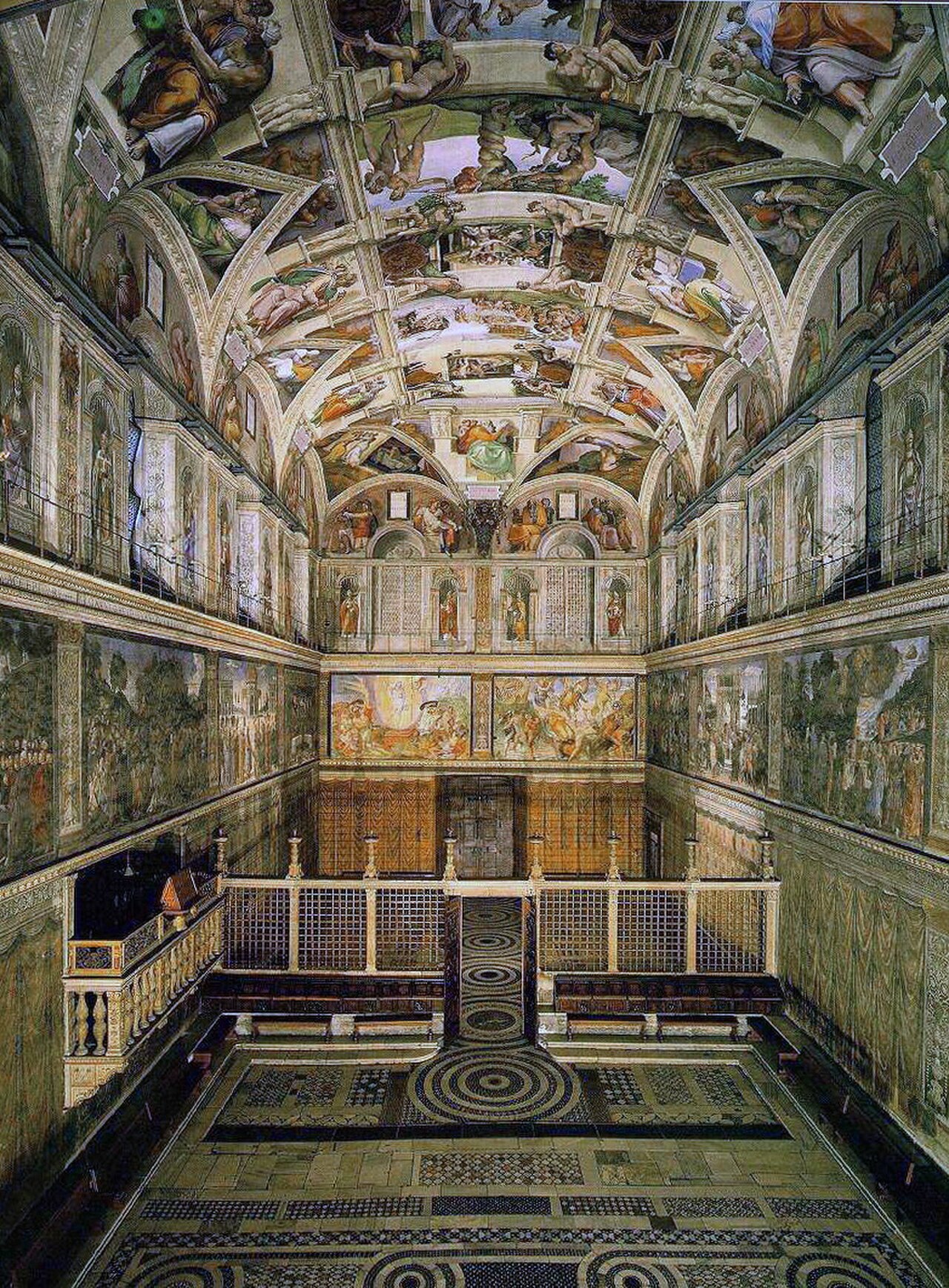
The Vatican Museums are a large museum complex within Vatican City, surrounded by Rome. They present collections assembled by the Catholic Church and the papacy across centuries, displayed through galleries, chapels, and historic palace interiors. The visit includes the Sistine Chapel, whose ceiling was painted by Michelangelo. This is a major art and heritage destination rather than a single-room museum, and its scale makes the route itself an important part of the experience. The Vatican Museums are a group of art and Christian museums located within Vatican City. They display works from the immense collection amassed by the Catholic Church and the papacy over centuries. The complex includes multiple galleries, chapels, and apartments within the Vatican Palaces. The Sistine Chapel, with its ceiling painted by Michelangelo, forms part of the museum route. The museums occupy a significant portion of the Vatican's territory and represent one of the most visited museum complexes globally.
Checked 2026-08-26 · Source
The collections range from ancient Egyptian, Etruscan, Greek, and Roman antiquities to Renaissance painting, tapestries, manuscripts, and modern religious art. The Pio-Clementino Museum is known for classical sculpture, the Raphael Rooms contain frescoes by Raphael and his workshop, and the Gallery of Maps provides a long, visually distinctive passage. The Pinacoteca includes works by Leonardo da Vinci and Caravaggio. The Sistine Chapel remains a functioning chapel as well as the best-known destination on the route. The museums contain extensive collections spanning ancient Egyptian, Etruscan, Greek, and Roman antiquities. Notable sections include the Pio-Clementino Museum with classical sculpture, the Raphael Rooms with frescoes by Raphael and his workshop, and the Gallery of Maps.
Checked 2026-08-26 · Source
Reserve several hours for the Vatican Museums. The standard route crosses numerous galleries and historic interiors, and the steady movement through crowded corridors can make the visit physically demanding. Give extra time to the Raphael Rooms, the Gallery of Maps, the major sculpture collections, and the Sistine Chapel rather than trying to rush through every room. Comfortable footwear helps, and a planned pause before or after the museum is useful after prolonged walking and standing.
Checked 2026-08-26 · Source
Crowds are strongest during the European summer, major religious holidays, and other busy tourism periods. An early visit can make the opening part of the route calmer, although the complex remains a high-demand destination. Wednesday mornings can bring additional activity around papal audiences and the wider Vatican area. Build the museum into a day with generous timing, since security, queues, and slow movement through galleries can affect the rhythm even after entry.
Checked 2026-08-26 · Source
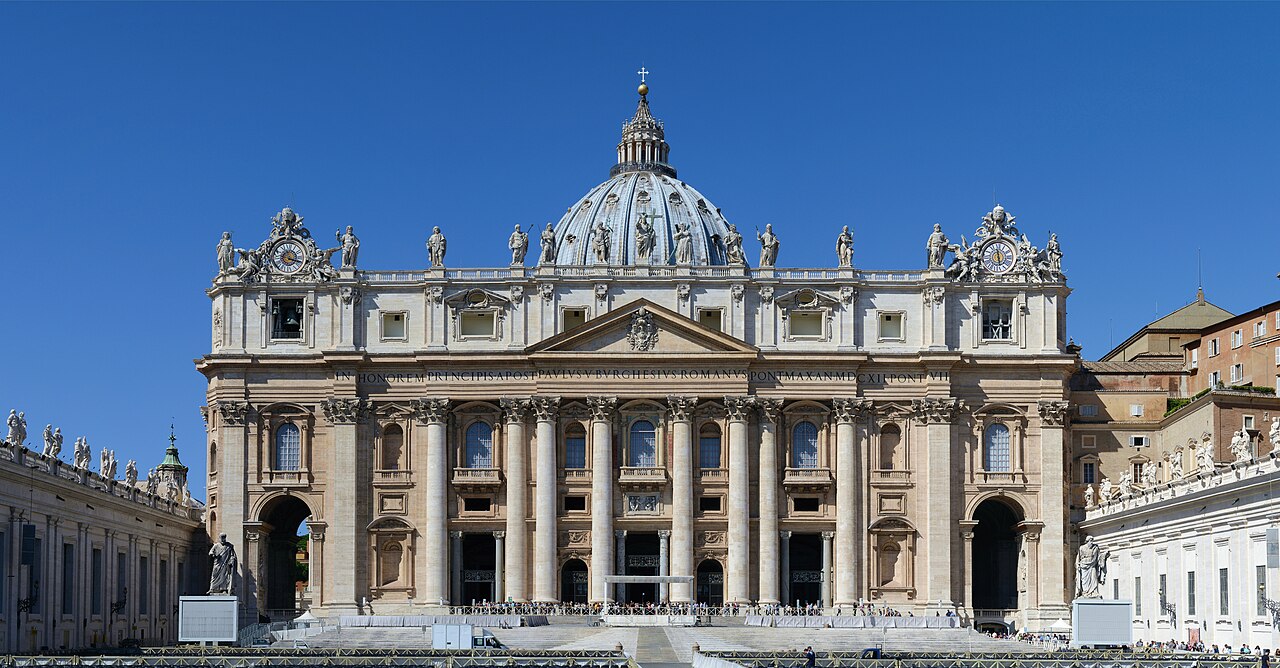
The Vatican Museums require an admission ticket, with full, reduced, and free categories for eligible visitors. Online reservations are used to manage demand, and special exhibitions or guided services may involve additional arrangements. Prepare identification when using a reduced or free category. The museums and St Peter’s Basilica are separate destinations with separate access arrangements, so plan them as distinct visits. Keep your reservation details and allow time for entry screening before the gallery route begins.
Checked 2026-08-26 · Source
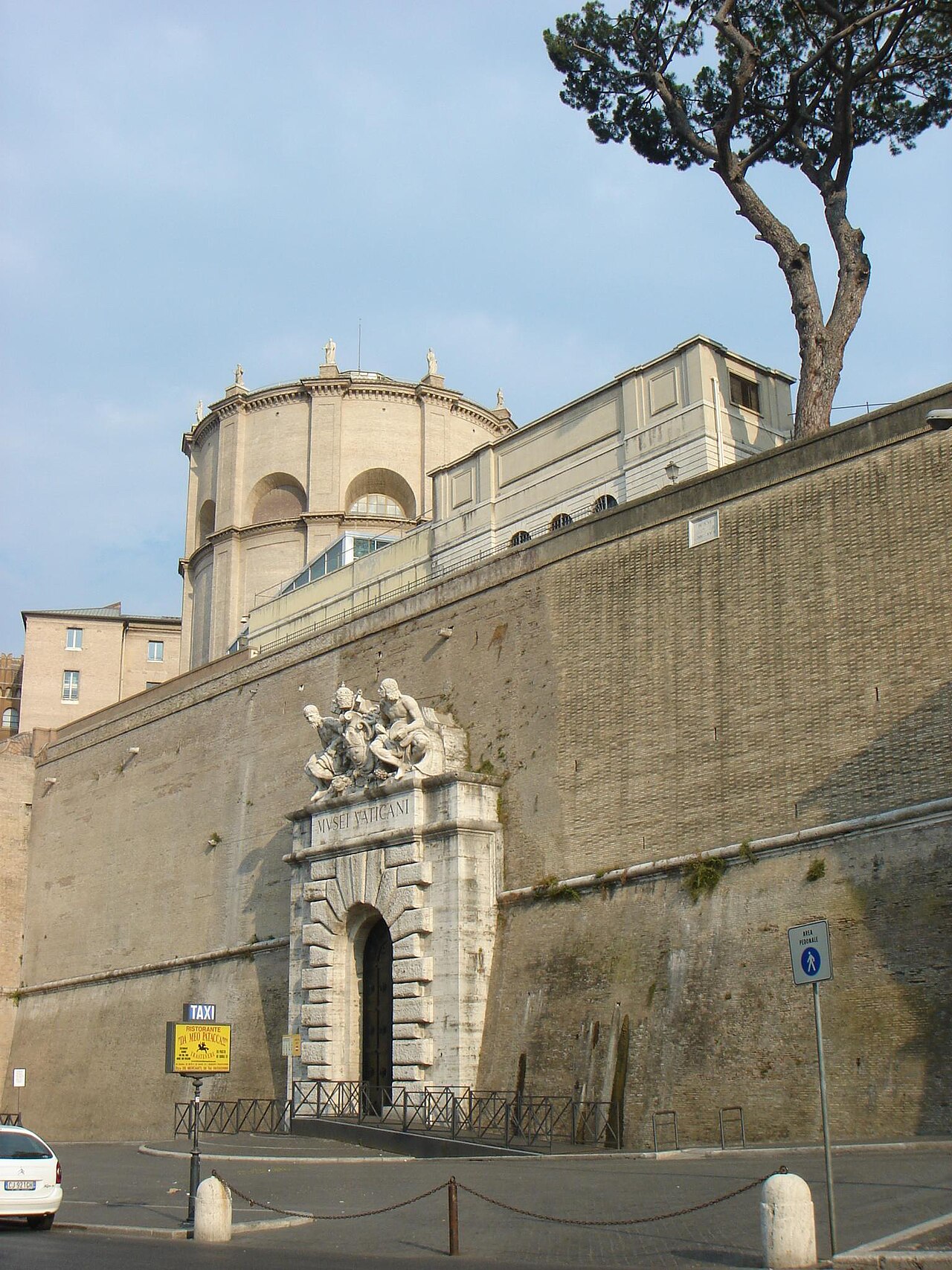
The Vatican Museums are in Vatican City, while the surrounding urban area belongs to Rome. Ottaviano-San Pietro-Musei Vaticani on Metro Line A is a nearby access point, and buses serve the Prati district. Walking from Castel Sant’Angelo or other central Rome locations is possible. The museum entrance is separate from St Peter’s Basilica, so follow directions to the Vatican Museums entrance rather than joining the basilica queue. Allow time to find the correct side of the Vatican walls.
Checked 2026-08-26 · Source
Entry includes security screening, and bag-size limits and prohibited items can affect access. The route is long, crowded, and offers limited opportunities to leave before reaching the Sistine Chapel, so carry only what you need and plan personal breaks. Historic interiors can vary in temperature. The Sistine Chapel requires silence, and crowding calls for careful attention to belongings. Visitors with mobility limitations should prepare for the demands of a historic palace route and the amount of standing involved.
Checked 2026-08-26 · Source
Photography and video recording are prohibited in the Sistine Chapel. In other galleries, personal photography may be permitted without flash, but visitors must follow local signs and guard instructions. Tripods, selfie sticks, professional equipment, and commercial use can face restrictions. Keep the camera away in the chapel and maintain the required silence. These rules protect the artworks and the religious function of the space, while careful photography elsewhere lets you remember the collection without disturbing other visitors.
Checked 2026-08-26 · Source
No. St Peter’s Basilica and the Vatican Museums are separate destinations with separate access arrangements.
Key highlights include the Pio-Clementino Museum, Raphael Rooms, Gallery of Maps, Pinacoteca, and Sistine Chapel.
Allow several hours for the long route through galleries, historic interiors, and the Sistine Chapel.
Use Metro Line A to Ottaviano-San Pietro-Musei Vaticani, take a bus to Prati, or walk from central sights such as Castel Sant’Angelo.
Photography is prohibited in the Sistine Chapel; elsewhere, follow signs and guard instructions and do not use flash where prohibited.
Reserve enough time, bring identification for reduced or free admission categories, carry a small bag, and expect security screening and extensive walking.
Loading the interactive map…
The interactive map could not be loaded.
Last updated:
Source: OpenStreetMap contributors, Wikidata ·