Villa Doria Pamphili
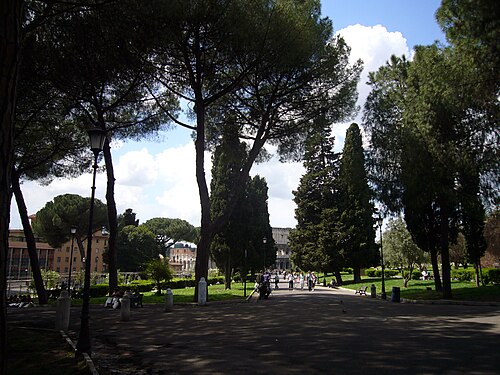
Villa Doria Pamphilj
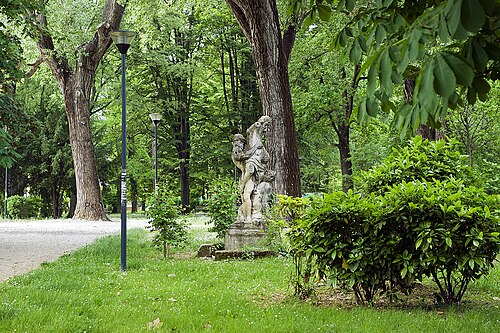
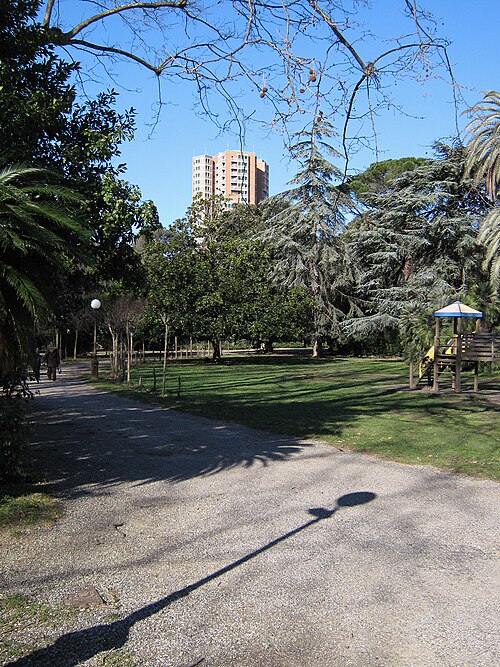
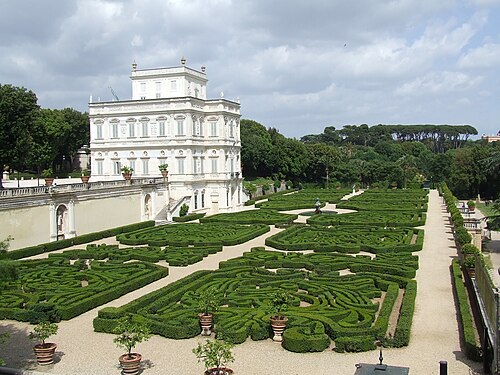
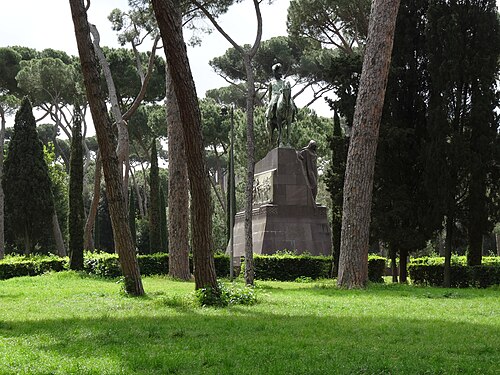
Villa Doria Pamphili is a historic villa and extensive public park in Rome, Italy. It is among the largest landscaped public parks in the city, situated on the Gianicolo hill.
- Must see
- Nature site
- Rome
Language · 11 published
Country guide
Italy holds 62 World Heritage Sites, more than any other country, spread across 301,340 km2 of land that runs from the Alps down into the middle of the Mediterranean. The distances between its cities are short and the differences between them are not: Venice has no roads, Naples sits under a volcano on a bay, Florence fits inside a walkable Renaissance grid, and Milan keeps its art indoors and works for a living. Rome is the capital and the obvious first trip; the argument is always about what comes second. Nearly 800 islands hang off the coast, and Sicily and Sardinia are each large enough to be a trip of their own.
Reviewed by Elena Voss · Roavina Travel Editor
Every city catalogued in this country so far, ranked by how much there is to see.
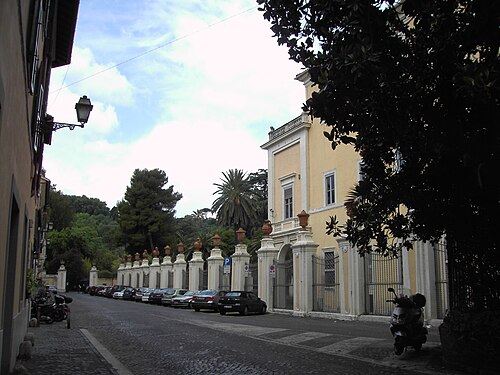
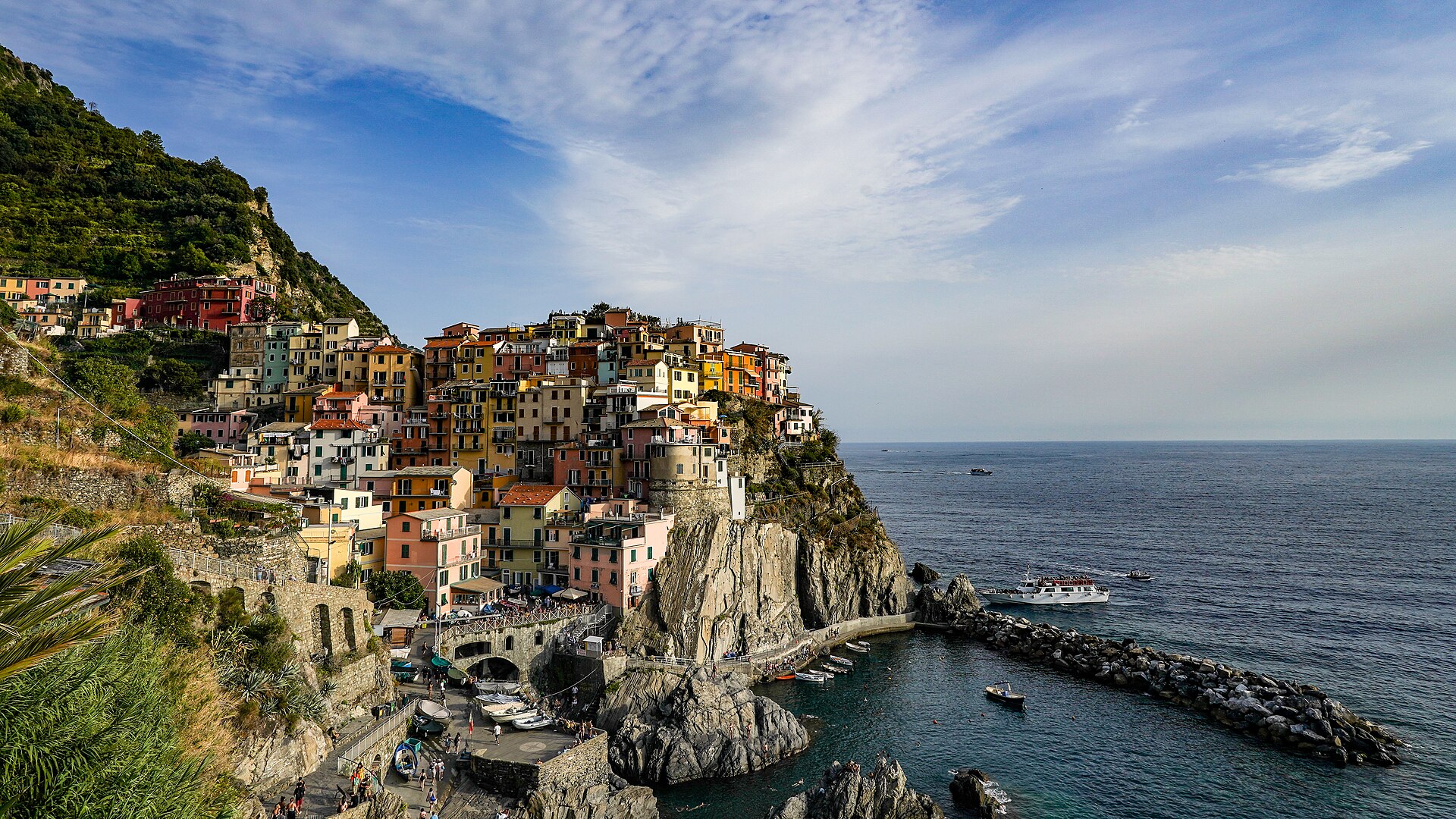
Photograph · Bert Kaufmann from Roermond, Netherlands · CC BY-SA 2.0
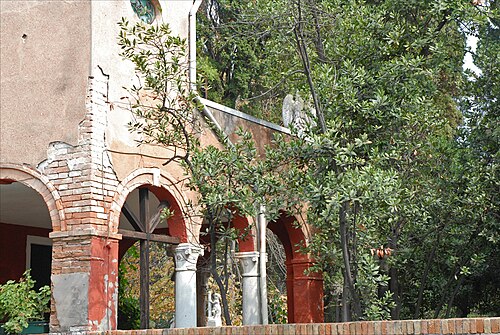
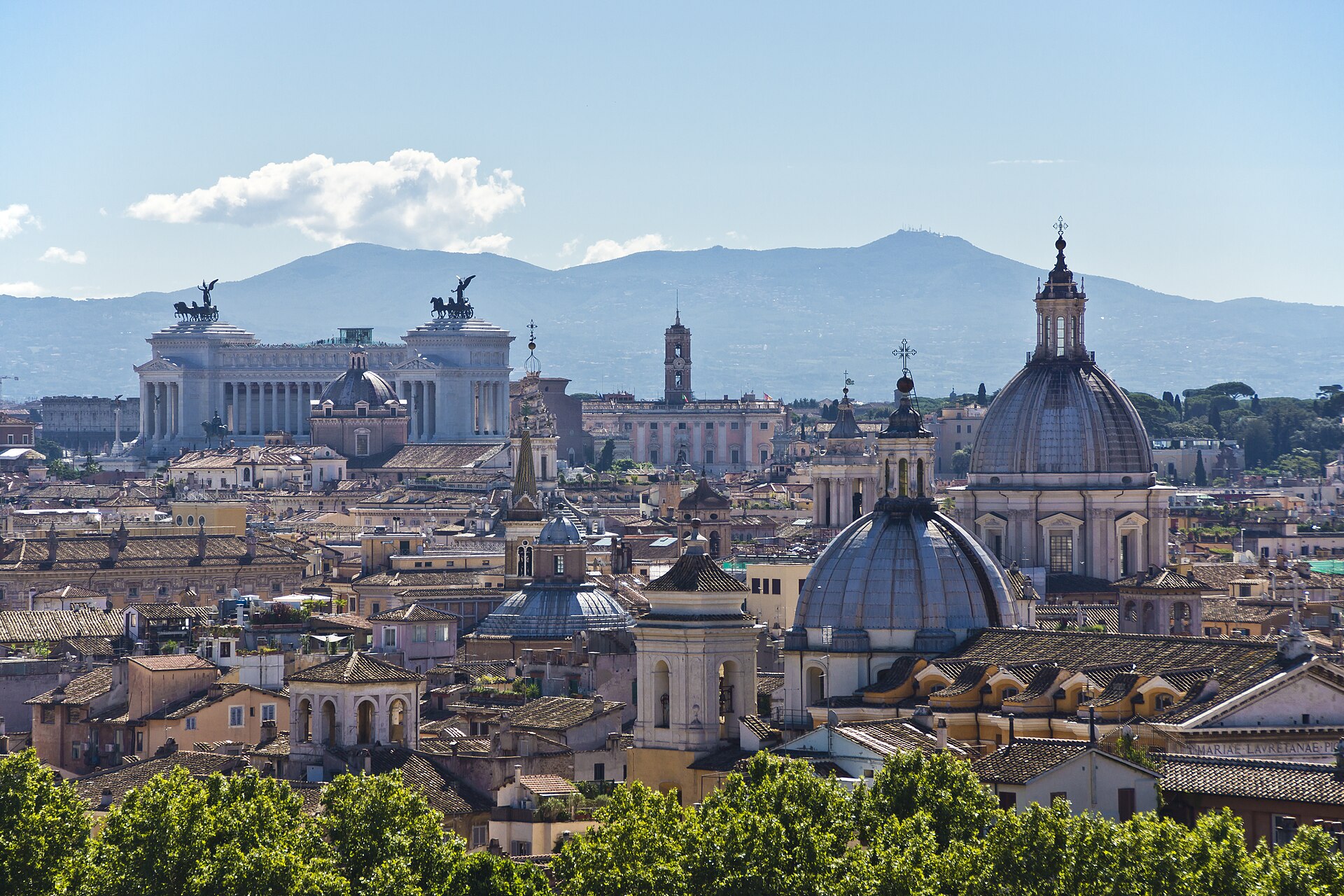
Photograph · Daniel Case · CC BY-SA 3.0
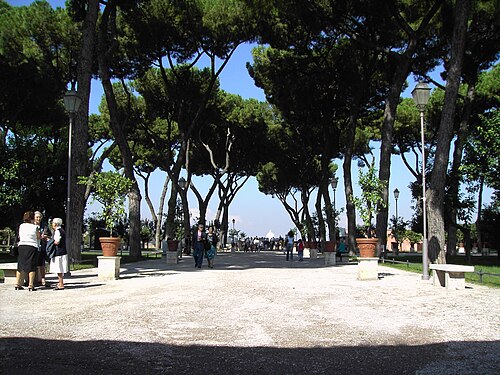
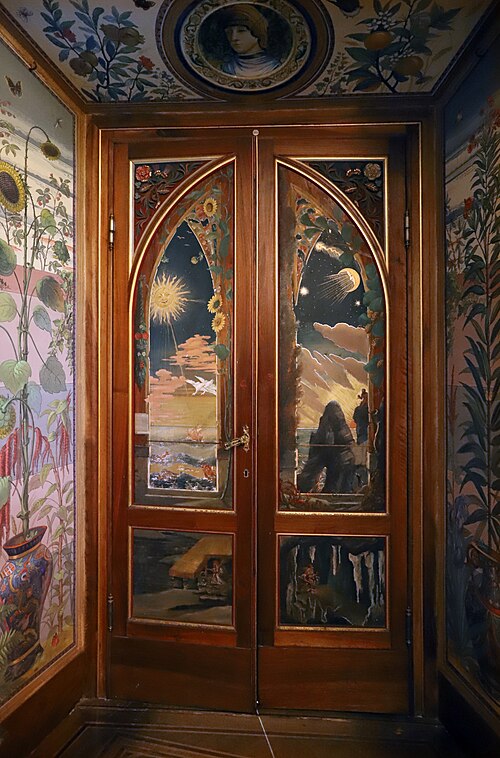
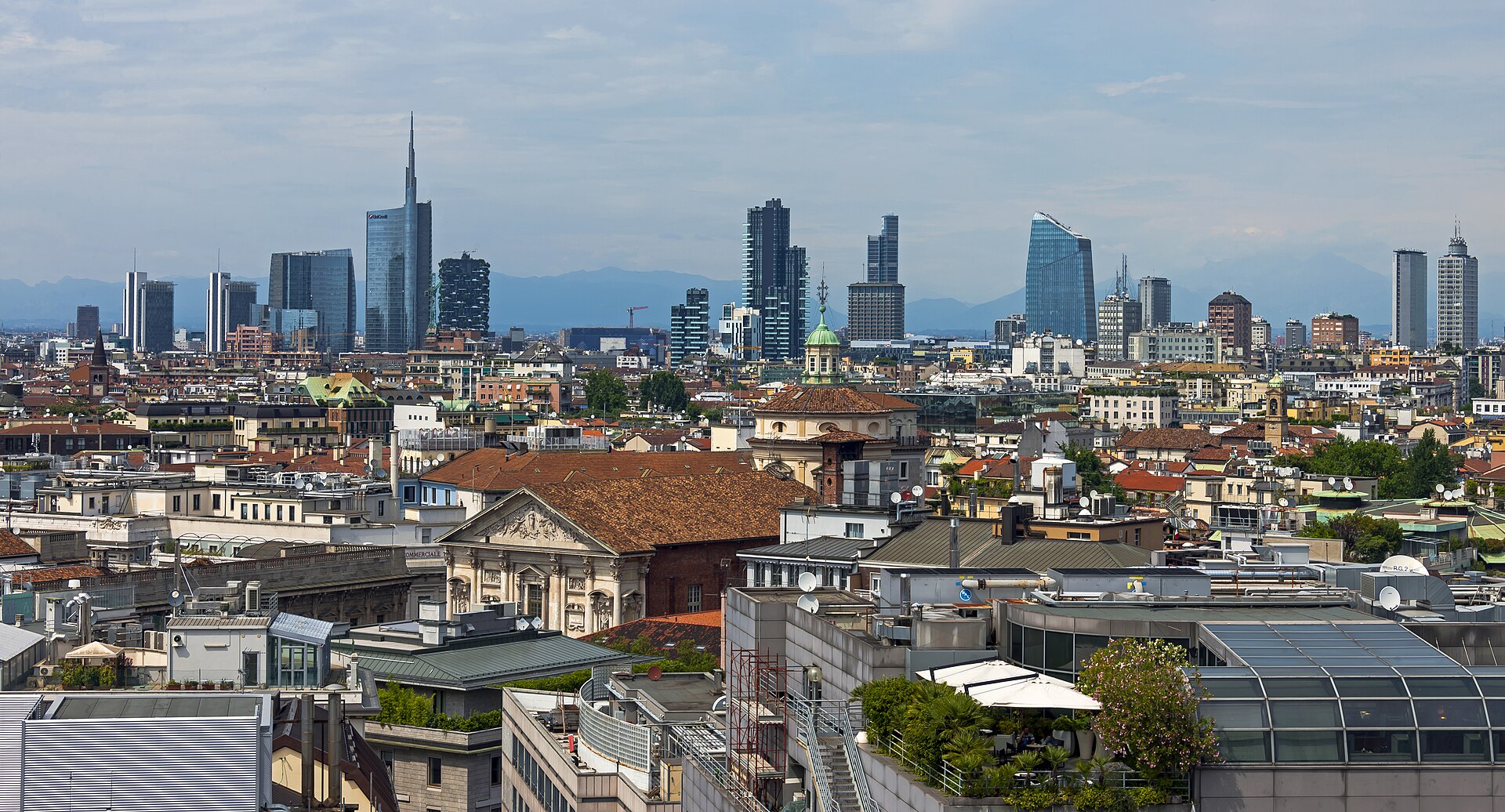
Photograph · Wikibusters · CC BY-SA 4.0
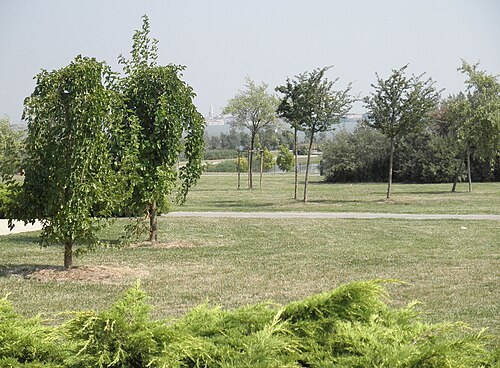
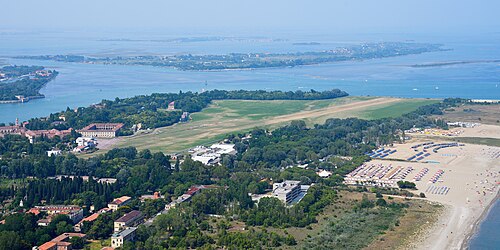
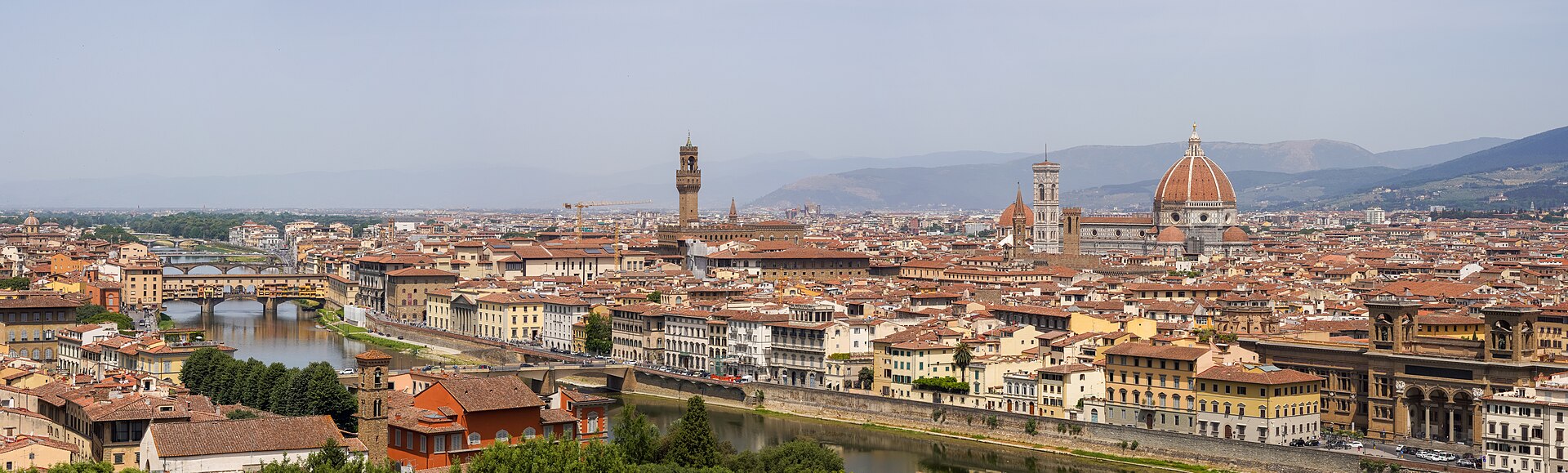
Photograph · Martin Falbisoner · CC BY-SA 4.0
Ranked by importance — sitelinks, pageviews and heritage status, not editor preference.
15 places match
Category
Typical visit duration
Interests
Villa Doria Pamphilj
Villa Doria Pamphili is a historic villa and extensive public park in Rome, Italy. It is among the largest landscaped public parks in the city, situated on the Gianicolo hill.
Villa Borghese
Villa Borghese is a large public park in central Rome, Italy. It covers substantial ground on the Pincian Hill and surrounding area, making it one of the city's most significant green spaces.
Parco del Colle Oppio
Oppian Hill Park, or Parco del Colle Oppio, is a public green space on Rome’s historic Oppian Hill in the Monti district.
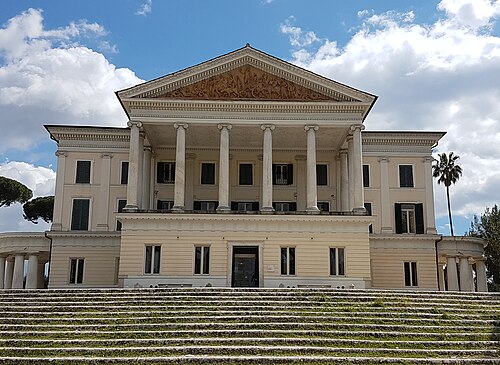
Villa Torlonia is a historic villa and public park in Rome, Italy. Originally a noble residence, it became state property and now serves as a cultural site with museums and gardens.
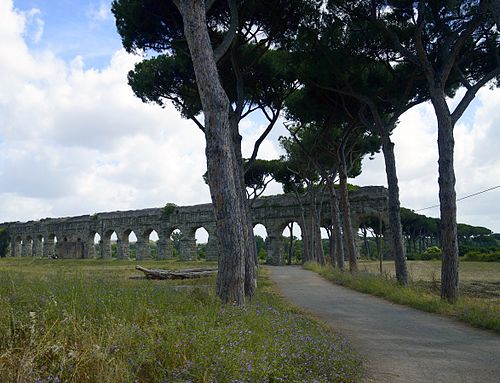
Parco degli Acquedotti is a public park in Rome's southeastern periphery, named for the ancient Roman aqueducts that traverse its terrain.
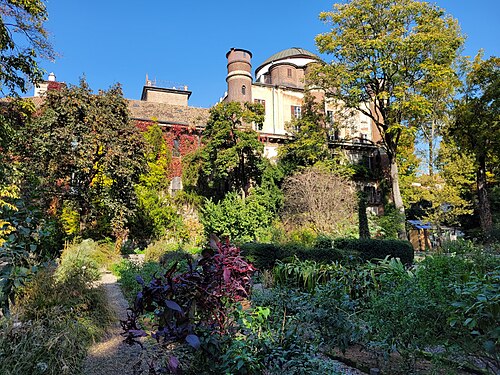
Orto Botanico di Brera is a historic botanical garden in Milan’s Brera district. Founded in 1774 under Maria Theresa of Austria, it was created as an academic setting for cultivating medicinal plants and supporting pharmaceutical education.
Orto Botanico
The Botanical Garden of Rome, or Orto Botanico, occupies the slopes of Janiculum Hill in Trastevere. It is a university botanical garden and a historic landscape descended from the grounds of Palazzo Corsini.
Giardino Eden Hundertwasser
The Garden of Eden, also known locally as Giardino Eden Hundertwasser, is a Venice garden associated with the artistic vision of Friedensreich Hundertwasser.
Giardino degli Aranci
The Orange Garden, or Giardino degli Aranci, is a compact public park on Rome’s Aventine Hill. Its elevated terrace opens across the city toward the dome of Saint Peter’s Basilica, making it one of Rome’s most rewarding short viewpoints.
Parco San Giuliano
San Giuliano Park is a large public green space on the mainland side of the Venice lagoon.
Parco Andrea Zanzotto
Parco di Villa Querini is a public park in Mestre, the mainland district of Venice. The park occupies grounds associated with Villa Querini and is also known locally as Parco Andrea Zanzotto.
Parco di Villa Fabbricotti is a public park in Florence, set within the grounds of a former private villa.
Parco di Villa Stibbert is the landscaped park surrounding Villa Stibbert in northern Florence. The villa is home to the Stibbert Museum, created around Frederick Stibbert’s collection, while the grounds provide the outdoor counterpart to the museum’s historic interiors.
Lido di Venezia
Lido di Venezia is an 11-kilometre-long barrier island in the Venetian Lagoon, separating the lagoon from the Adriatic Sea. It forms part of the municipality of Venice and serves as the city's primary beach resort area.
Giardini Napoleonici
Source: OpenStreetMap contributors, Wikidata ·
Ten to fourteen days can combine Milan, Venice, Florence, and Rome by high-speed train. Give Venice more than a transfer night and Rome several separate sightseeing days; rural Tuscany needs different transport planning from the rail-linked cities.
Italy is in the Schengen Area, but visa and passport requirements vary by nationality and route. Use Italy's official visa portal to confirm the applicable rule before travel rather than relying on another Schengen trip.
High-speed trains connect Milan, Venice, Florence, and Rome, with regional rail and coaches serving smaller places. Drivers must check ZTL restrictions before entering historic centres because access controls are local and can generate fines.
April to June and September to October broadly suit the north-to-Rome rail route. Lagoon conditions in Venice, summer heat in Rome, and seasonal rural services in Tuscany should be checked independently.
Italy uses the euro (EUR). Carry a modest cash reserve for small purchases while using cards where accepted, and verify the euro amount at the terminal instead of accepting an unexamined conversion.
Italy routes emergency calls through 112. Travellers encounter a 230 V supply and Type C, F, or L receptacles. No tap-water assessment is recorded for Italy; obtain current local advice at the destination.