_(6124618705).jpg)
_(6124621587).jpg)
_(6125159300).jpg)
_(6125161916).jpg)
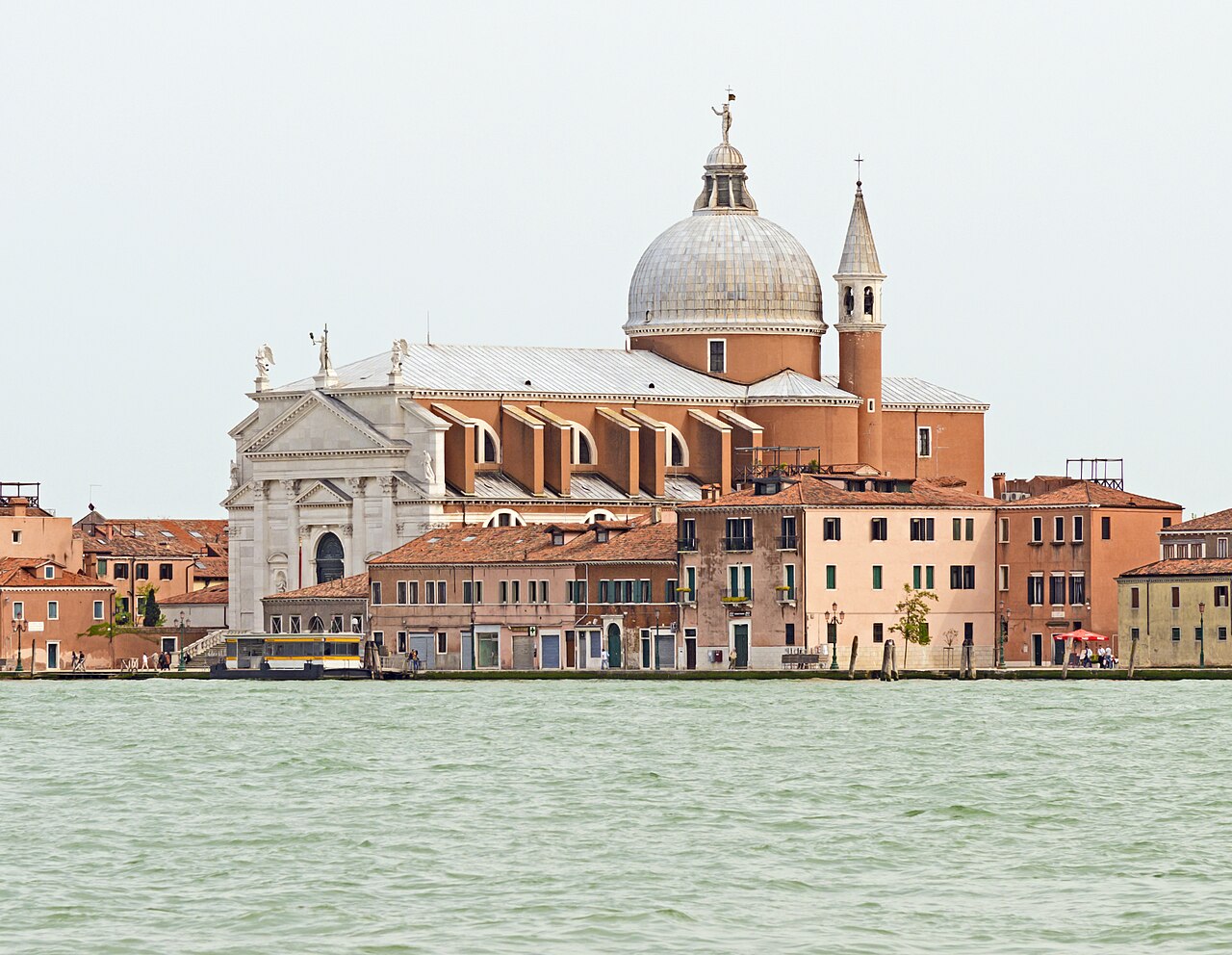
3 min walk
Il Redentore
- Must see
- Place of worship
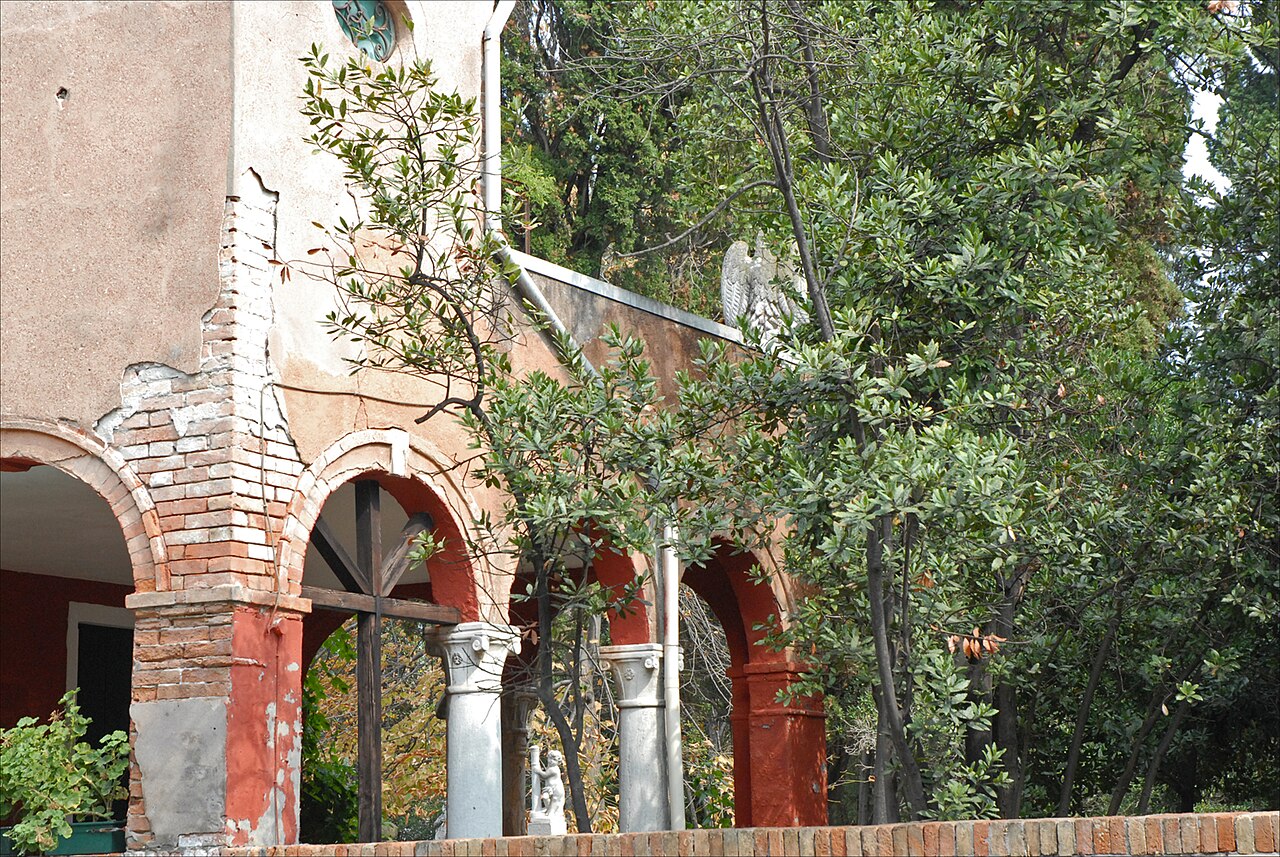
Nature site · Venice
Giardino Eden Hundertwasser
The Garden of Eden, also known locally as Giardino Eden Hundertwasser, is a Venice garden associated with the artistic vision of Friedensreich Hundertwasser. It brings his interest in organic forms, colour, nature, and harmony between people and the environment into the lagoon setting. For travellers, it offers a quieter, visually distinctive contrast to Venice’s dense squares and palaces. The Garden of Eden, known locally as Giardino Eden Hundertwasser, is a garden space in Venice associated with the artistic vision of Friedensreich Hundertwasser, the Austrian artist and architect known for his vibrant, organic architectural style. The garden embodies Hundertwasser's philosophy of harmony between nature and human habitation. It represents one of the expressions of his creative influence beyond his native Austria, situated within the unique lagoon context of Venice. The name references Friedensreich Hundertwasser's artistic vision rather than religious narrative. The garden embodies his philosophy of human harmony with nature.
Checked 2026-08-26 · Source
Expect a garden experience shaped by vegetation and Hundertwasser-inspired artistic ideas rather than a conventional museum sequence. Look for the interaction between planting, colour, irregular forms, and the surrounding Venetian environment. The guide supports the garden’s connection with Hundertwasser’s ecological and organic design outlook, while the exact current layout and plant list should be experienced directly during the visit. The garden contains plantings and design elements reflecting Hundertwasser's characteristic approach to integrating natural forms with built environments. Visitors may encounter vegetation arrangements, artistic installations, and architectural details that demonstrate his rejection of straight lines in favor of organic shapes. The garden's contents emphasize biodiversity and ecological awareness, consistent with Hundertwasser's environmental advocacy.
Checked 2026-08-26 · Source
Plan roughly thirty to forty-five minutes for a relaxed garden visit. That gives enough time to walk through the space, pause beside distinctive design details, and take photographs without rushing. Visitors especially interested in Hundertwasser can stay longer to connect the garden’s colours, organic shapes, and environmental ideas. Add route time because Venice’s pedestrian network is slow and indirect. Visitor duration at the Garden of Eden varies considerably based on individual engagement with garden spaces and photographic documentation. A brief visit might extend twenty to thirty minutes for a general walkthrough, while more contemplative exploration of artistic details and botanical features could occupy forty-five minutes to over an hour. Those with particular interest in Hundertwasser's work may spend additional time examining design elements and contextualizing the garden within his broader artistic output. The compact nature of typical Venetian garden spaces suggests the site does not demand extensive time commitment, though personal pacing ultimately determines visit length.
Checked 2026-08-26 · Source
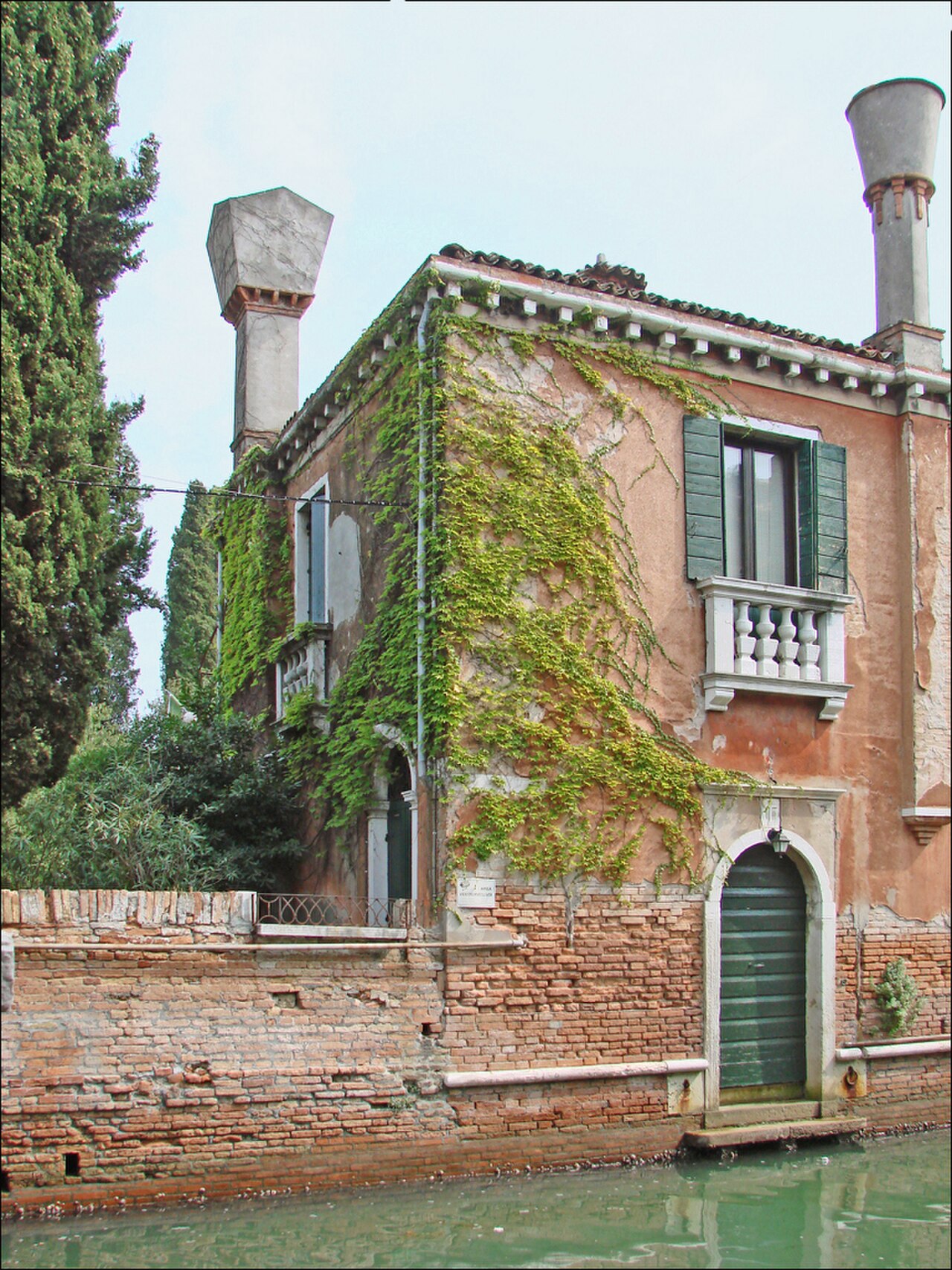
Spring and early summer suit a garden visit because plant growth gives the space a lively character. Autumn offers milder walking conditions and a calmer atmosphere. Morning and late afternoon provide softer light for colour and texture, while midday may feel hotter and brighter. Allow flexibility in wet weather, and remember that Venice’s high-water events can affect pedestrian routes. Optimal visiting timing for the Garden of Eden depends on seasonal weather patterns affecting Venice and personal preferences for garden conditions.
Checked 2026-08-26 · Source
The guide records no confirmed admission price or ticket arrangement for the Garden of Eden. Include the garden as a flexible stop rather than a prepaid museum appointment. Keep your Venice budget for separately priced attractions and transport, and leave room in the day for the garden’s slower, observational character. The visit’s value comes from its setting, planting, and artistic atmosphere.
Checked 2026-08-26 · Source
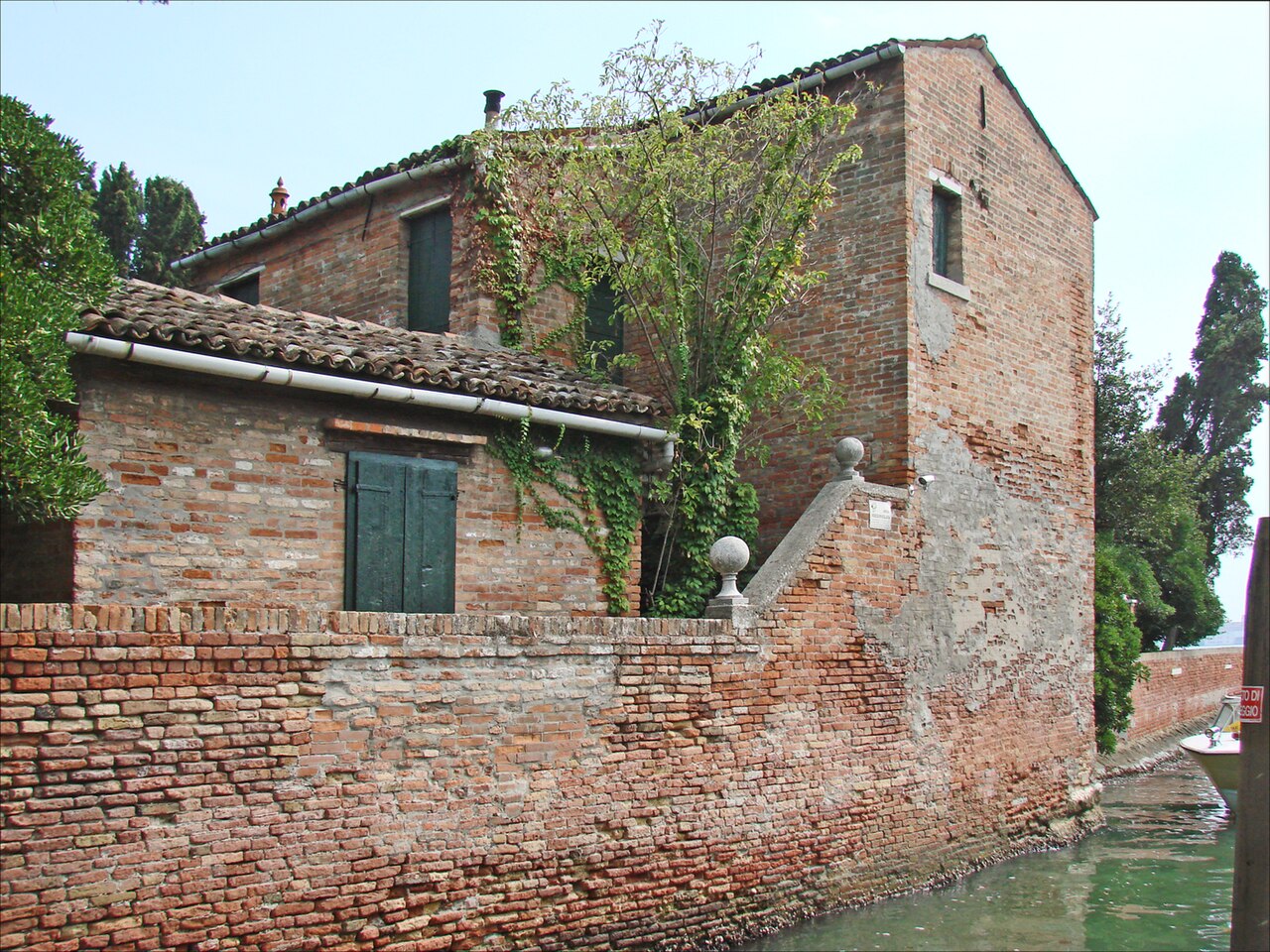
Reach the Garden of Eden through Venice’s pedestrian network, with vaporetto services useful for the wider journey and walking required for the final approach. Expect calli, campielli, bridges, and indirect routes rather than a direct road arrival. Use a detailed map and allow extra time for navigation. Wet paving or high water can make the last part of the walk slower.
Checked 2026-08-26 · Source
Garden paths can be uneven, damp, or slippery, so wear shoes with secure footing. Warm lagoon weather may bring insects and humid conditions. Protect plants and artistic features by staying on designated paths and respecting any signs. Venice crowds and high-water events can complicate the approach, while personal belongings still need attention in busy public areas around the garden.
Checked 2026-08-26 · Source
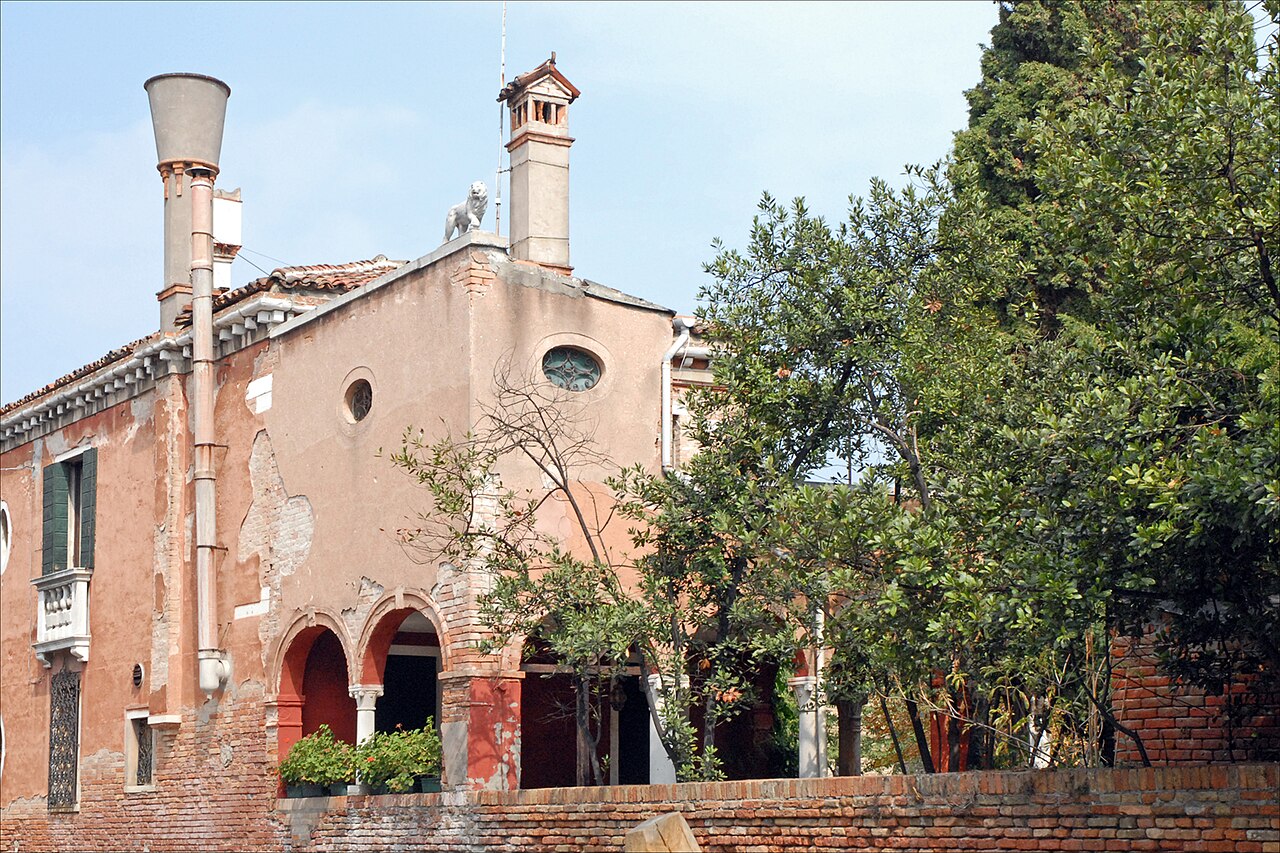
Photograph the Garden of Eden through combinations of planting, colour, irregular forms, and Venetian light. Close details can show Hundertwasser’s organic visual language, while wider frames place the garden within the lagoon city. Morning and late afternoon soften shadows and enrich colour. Keep equipment small, follow any site signs, avoid disturbing plants, and leave drone photography out of the visit.
Checked 2026-08-26 · Source
It is a garden also known as Giardino Eden Hundertwasser, associated with Friedensreich Hundertwasser’s organic and ecological artistic vision.
Focus on vegetation, colour, irregular forms, artistic details, and the relationship between nature and the Venetian setting.
Thirty to forty-five minutes allows a relaxed walk, observation of the design details, and photography.
Spring, early summer, and autumn offer strong conditions for observing planting and walking; morning or late afternoon gives softer light.
Use Venice’s vaporetto network for the wider journey, then continue on foot through calli, campielli, and bridges.
Its focus is the interaction of planting, organic artistic forms, colour, and ecological ideas rather than palace interiors or canal-front architecture.
Loading the interactive map…
The interactive map could not be loaded.

Last updated:
Source: OpenStreetMap contributors, Wikidata ·