
1 min walk
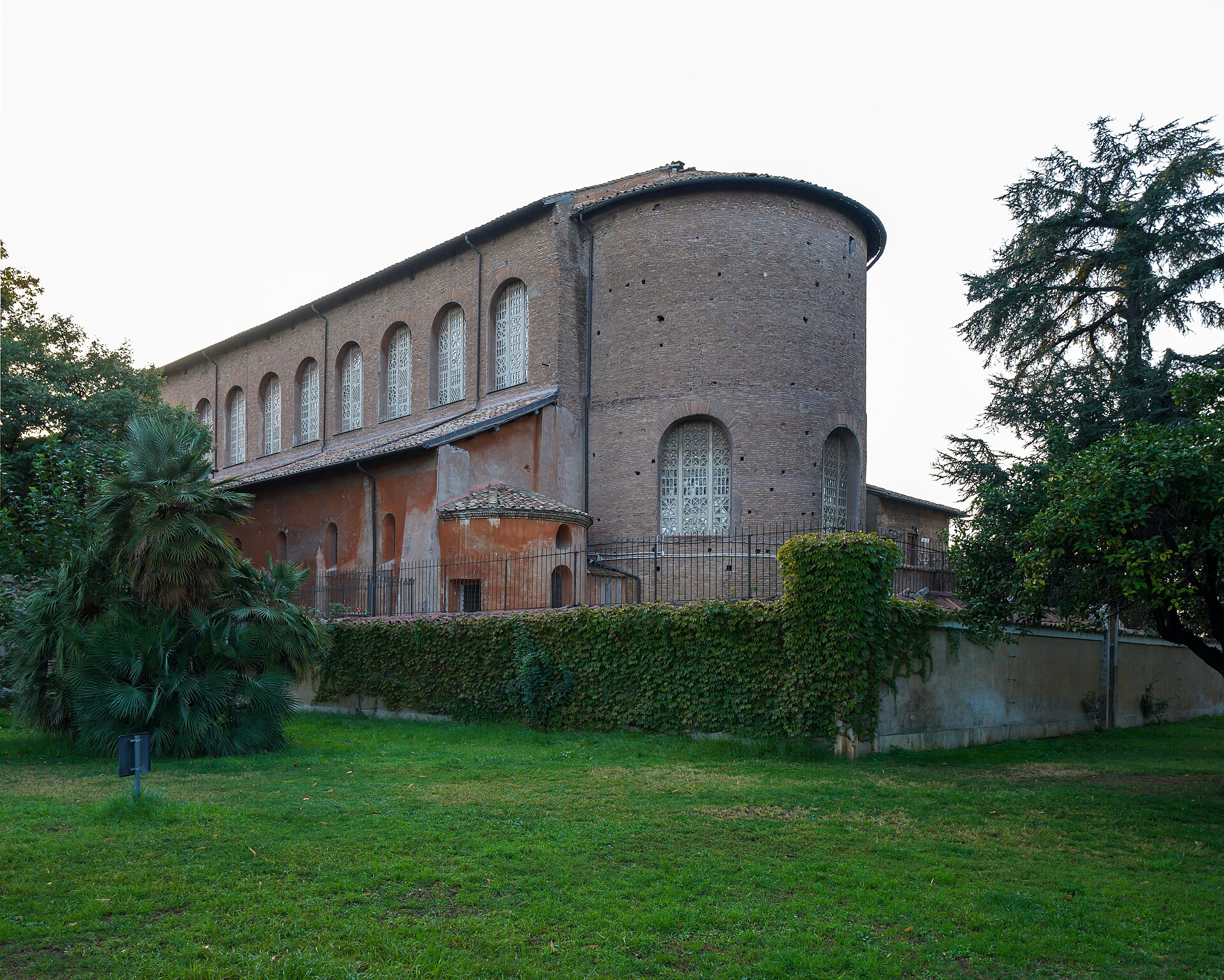
Basilica of Saint Sabina
- High
- Place of worship
Language · 11 published
Nature site · Rome
Giardino degli Aranci
Reviewed by Elena Voss · Roavina Travel Editor

This place is a Garden.
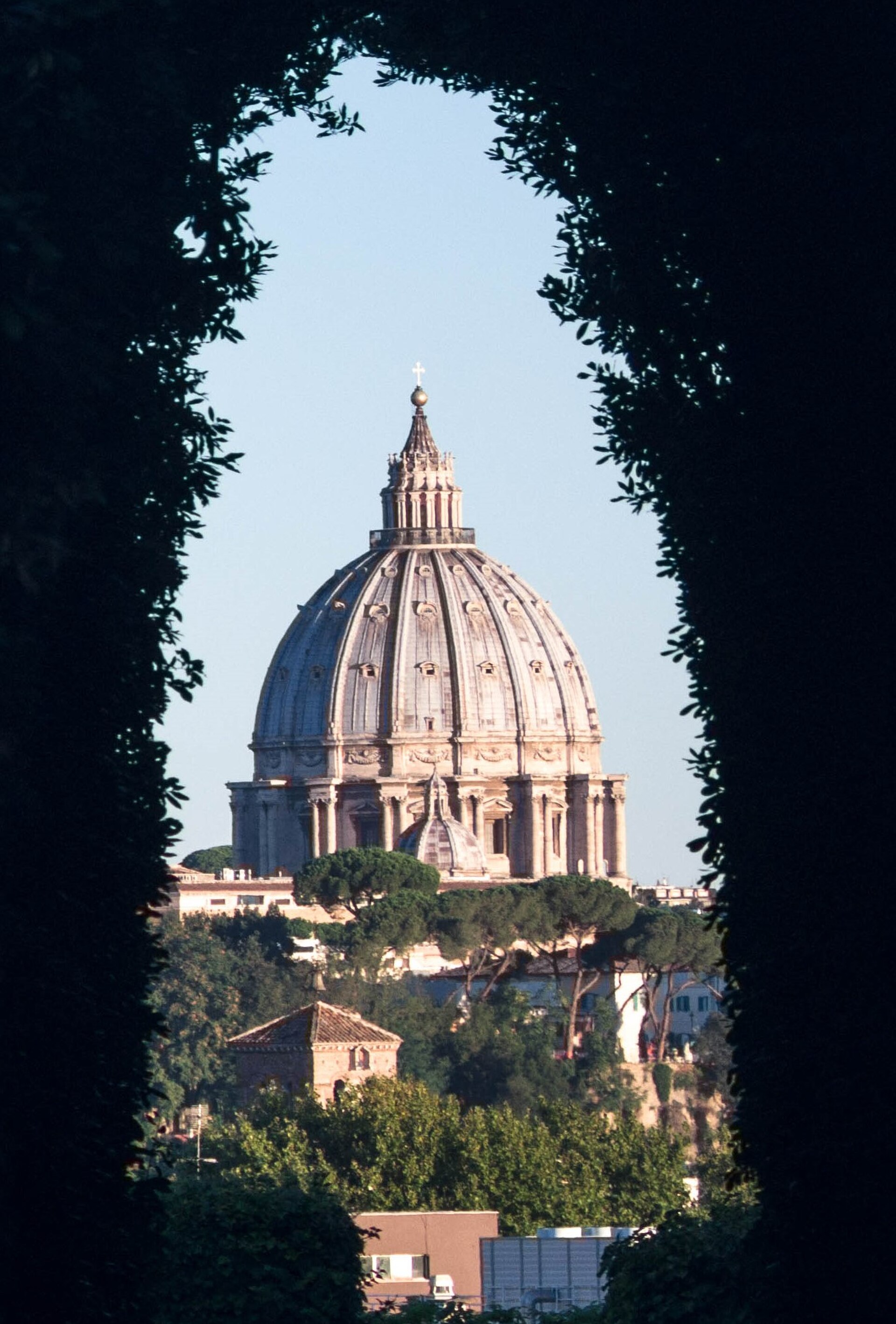
The Orange Garden, or Giardino degli Aranci, is a compact public park on Rome’s Aventine Hill. Its elevated terrace opens across the city toward the dome of Saint Peter’s Basilica, making it one of Rome’s most rewarding short viewpoints. Bitter orange trees give the garden its name and shape its formal character. The setting combines greenery, stone paths, quiet residential surroundings, and a broad urban panorama in one easily combined stop. The Orange Garden, known locally as Giardino degli Aranci, is a public park on the Aventine Hill in Rome, Italy. It occupies a terrace with views across the city toward Saint Peter's Basilica. The garden takes its name from the bitter orange trees that grow within its boundaries. The site has historical associations with monastic traditions and offers a contained green space distinct from Rome's larger public parks. Its elevated position makes it a noted vantage point. Most comparable Rome municipal gardens do not charge admission, but verification is essential.
Checked 2026-08-26 · Source
Rows of bitter orange trees line the garden’s planted terrace, with a central walkway leading through the grounds. Low stone walls define the edges and create several places to pause over the view. From the perimeter, you can look toward the Tiber and the Vatican dome. Benches provide seating along the paths. The garden is small enough to understand quickly, but its symmetry, mature trees, and changing city light reward a slower circuit. The garden contains rows of bitter orange trees arranged in formal patterns on a sloping terrace. A central walkway leads visitors through the planted area. The perimeter offers framed views of the Tiber River and the Vatican dome. The garden's compact dimensions create an intimate atmosphere. Stone paving and low walls define the space. The orange trees themselves are the primary botanical feature, with their fruit remaining on the branches through winter months.
Checked 2026-08-26 · Source
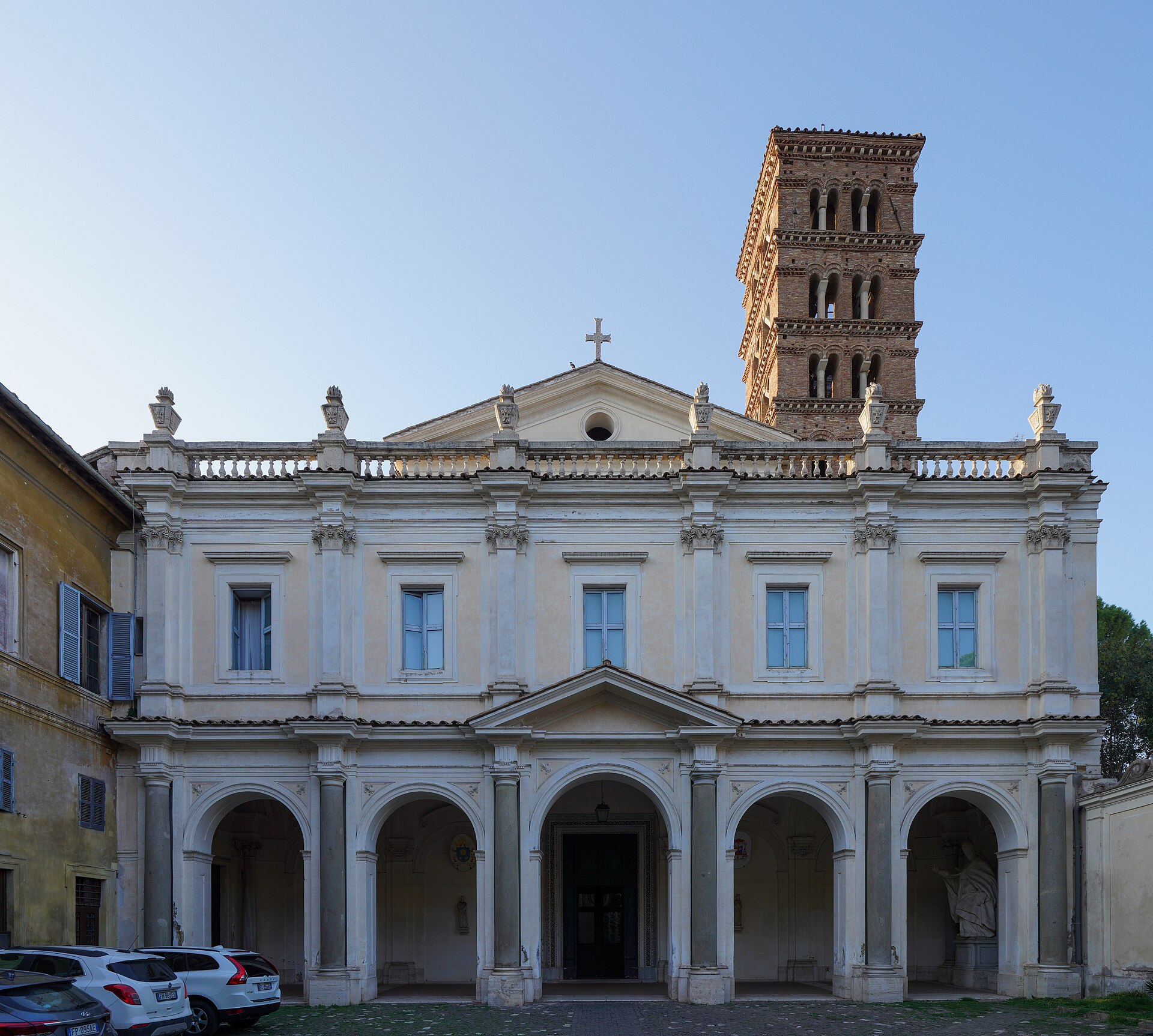
Allow about twenty minutes for a quick walk and the main panorama, or up to an hour if you want to sit, photograph the trees, and enjoy the Aventine atmosphere. The paths themselves can be covered in a few minutes. The garden works especially well as part of a wider walk linking the nearby Knights of Malta keyhole and Basilica of Santa Sabina. Its compact scale makes it an easy pause between larger Roman sights.
Checked 2026-08-26 · Source
Spring brings fresh growth and blossom, while autumn and winter can offer crisp visibility across Rome. Summer visits are more comfortable when the heat is lower, since the terrace receives strong sun despite the shade of the orange trees. Early morning and late afternoon are especially attractive for softer light and a calmer mood. Pairing the garden with other Aventine landmarks gives the hill a natural half-day walking route.
Checked 2026-08-26 · Source
The Orange Garden is a public municipal park and the visit is centered on walking its paths and viewpoint. Plan it as an outdoor stop rather than a timed museum visit. The most distinctive reward is the elevated view toward Saint Peter’s Basilica, so leave enough freedom in your route to pause at the terrace rather than rushing straight through.
Checked 2026-08-26 · Source
From Circo Massimo metro station on Line B, reach the Aventine Hill by walking uphill through quiet residential streets. Bus 81 serves the surrounding area. Approaches can feel less obvious than the city’s major monuments, so use the garden’s mapped position as your destination. The climb and Roman paving make comfortable shoes useful. The garden combines naturally with a walk to Santa Sabina, the nearby keyhole, or the Circus Maximus.
Checked 2026-08-26 · Source
The terrace edges are not uniformly protected, so keep children close near the low walls. Bitter oranges are ornamental and should remain on the trees. Summer heat can feel intense on exposed paving, while rain may make the surfaces slippery. The Aventine is residential and quieter than central Rome, with fewer immediate services beside the garden. Bring water for a warm walk and take care on the hill’s inclines.
Checked 2026-08-26 · Source
The central, tree-lined axis creates the garden’s signature composition, with Saint Peter’s dome framed beyond it. The symmetrical path supplies strong leading lines, while the orange trees add texture and seasonal colour. The perimeter wall can limit a clear view, so hold the camera above it carefully without disturbing other visitors. Fruit on the branches gives winter scenes extra detail. This is a shared viewpoint, so make space after taking your photographs.
Checked 2026-08-26 · Source
The elevated terrace looks across Rome toward the Tiber and the dome of Saint Peter’s Basilica, with the garden’s orange trees and formal paths in the foreground.
Allow about twenty minutes for the paths and viewpoint, or up to an hour if you want to sit, take photographs, and enjoy the surroundings.
The trees are bitter orange trees intended as an ornamental feature. Leave the fruit on the branches and enjoy it as part of the garden’s character.
The garden fits naturally with the Knights of Malta keyhole, Basilica of Santa Sabina, and a wider walk across the Aventine Hill and Circus Maximus area.
Walk uphill from Circo Massimo metro station on Line B, or use bus 81 for the surrounding Aventine area. Comfortable footwear helps on the incline and paving.
Early morning and late afternoon provide softer light, while winter fruit on the bitter orange trees adds seasonal detail to photographs of the central path and city view.
Loading the interactive map…
The interactive map could not be loaded.
Last updated:
Source: OpenStreetMap contributors, Wikidata ·