_-_Esterno.jpg)
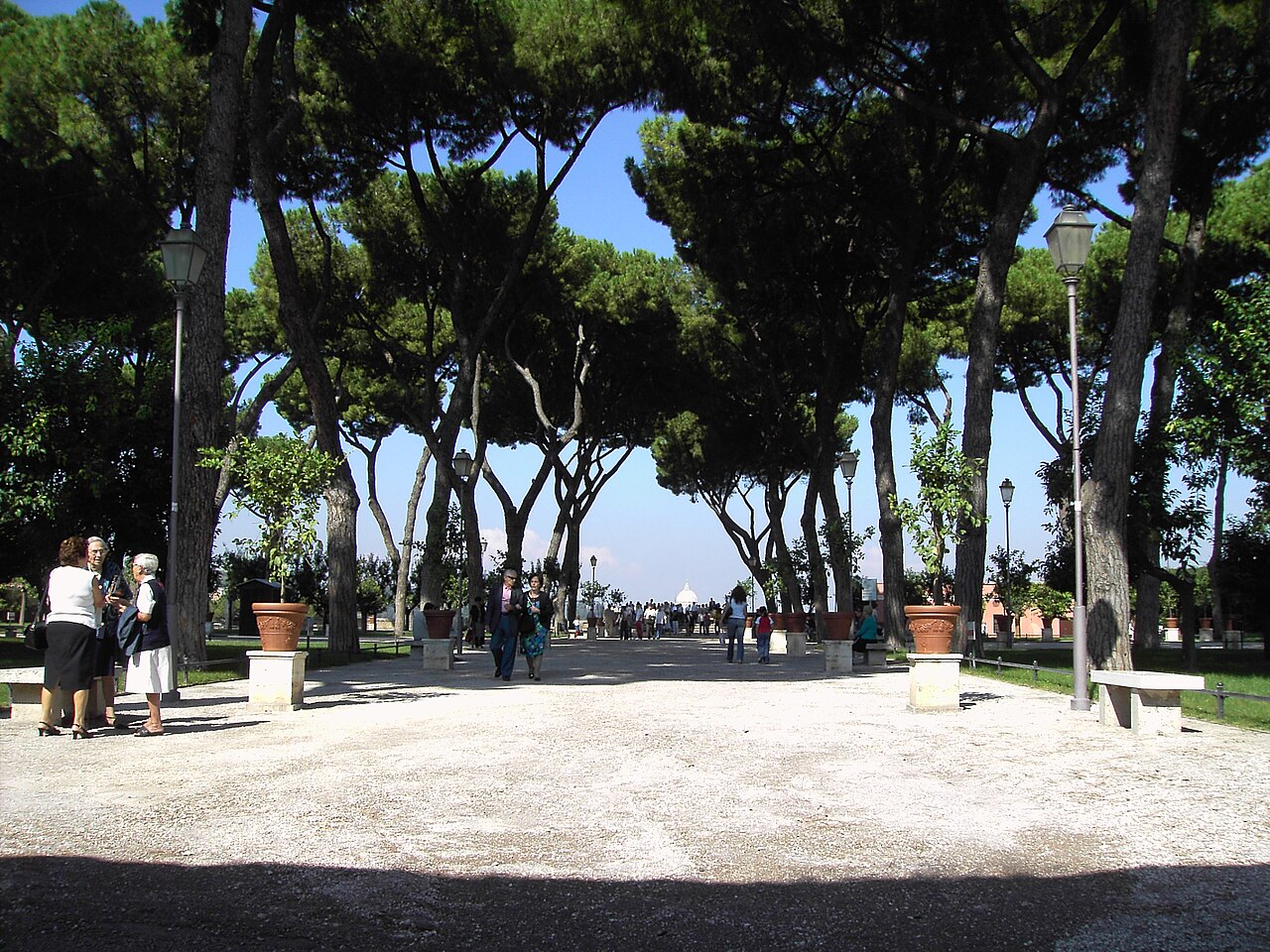
1 min walk
Orange Garden
- High
- Nature site
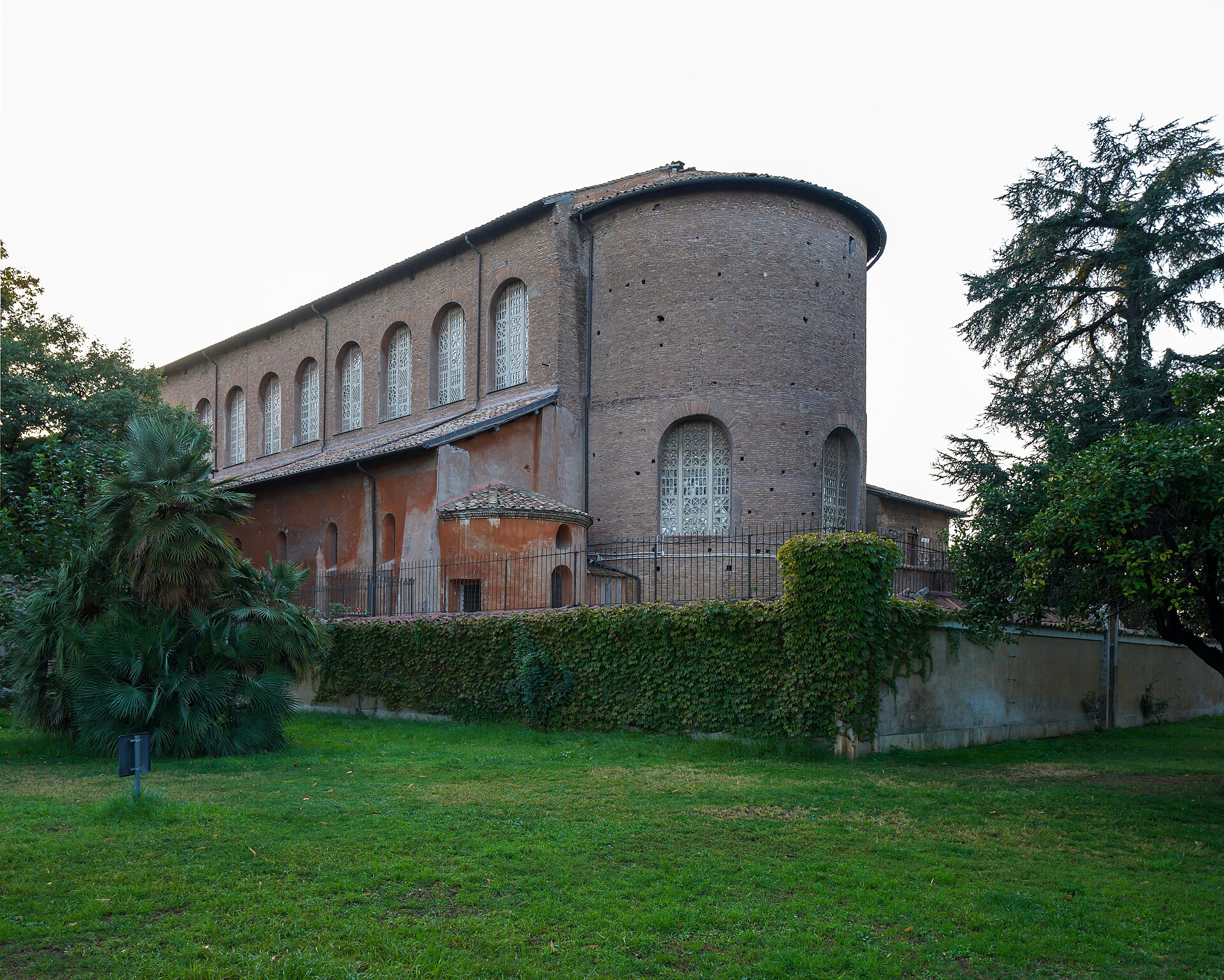
Place of worship · Rome
Basilica di Santa Sabina all'Aventino
Basilica of Saint Sabina stands on Rome’s Aventine Hill and was built between 422 and 432 CE. It is one of the city’s best-preserved early Christian basilicas, retaining much of its fifth-century structure. Dedicated to Saint Sabina, a Roman martyr, it has also served as the mother church of the Dominican Order since the thirteenth century. The setting adds to the experience: this is a quieter hilltop church where ancient Christian architecture, Dominican history, gardens and city views come together away from Rome’s busiest streets. The Basilica of Saint Sabina is an ancient church on Rome's Aventine Hill, constructed between 422 and 432 CE. It stands as one of the best-preserved early Christian basilicas in the city, retaining much of its original fifth-century structure. Many Roman churches do not charge admission, though donations are typically welcomed.
Checked 2026-08-26 · Source
The basilica’s spacious interior preserves rare early Christian details rather than the dense Baroque decoration found in many Roman churches. Focus first on the fifth-century wooden doors, carved with biblical scenes and including an early depiction of the Crucifixion. The nave is lined with Proconnesian marble columns topped by Corinthian capitals, and the windows use selenite instead of ordinary glass. These elements create a clear sense of age and restraint. Look slowly across the colonnade and doors to appreciate how much of the original architectural atmosphere survives.
Checked 2026-08-26 · Source
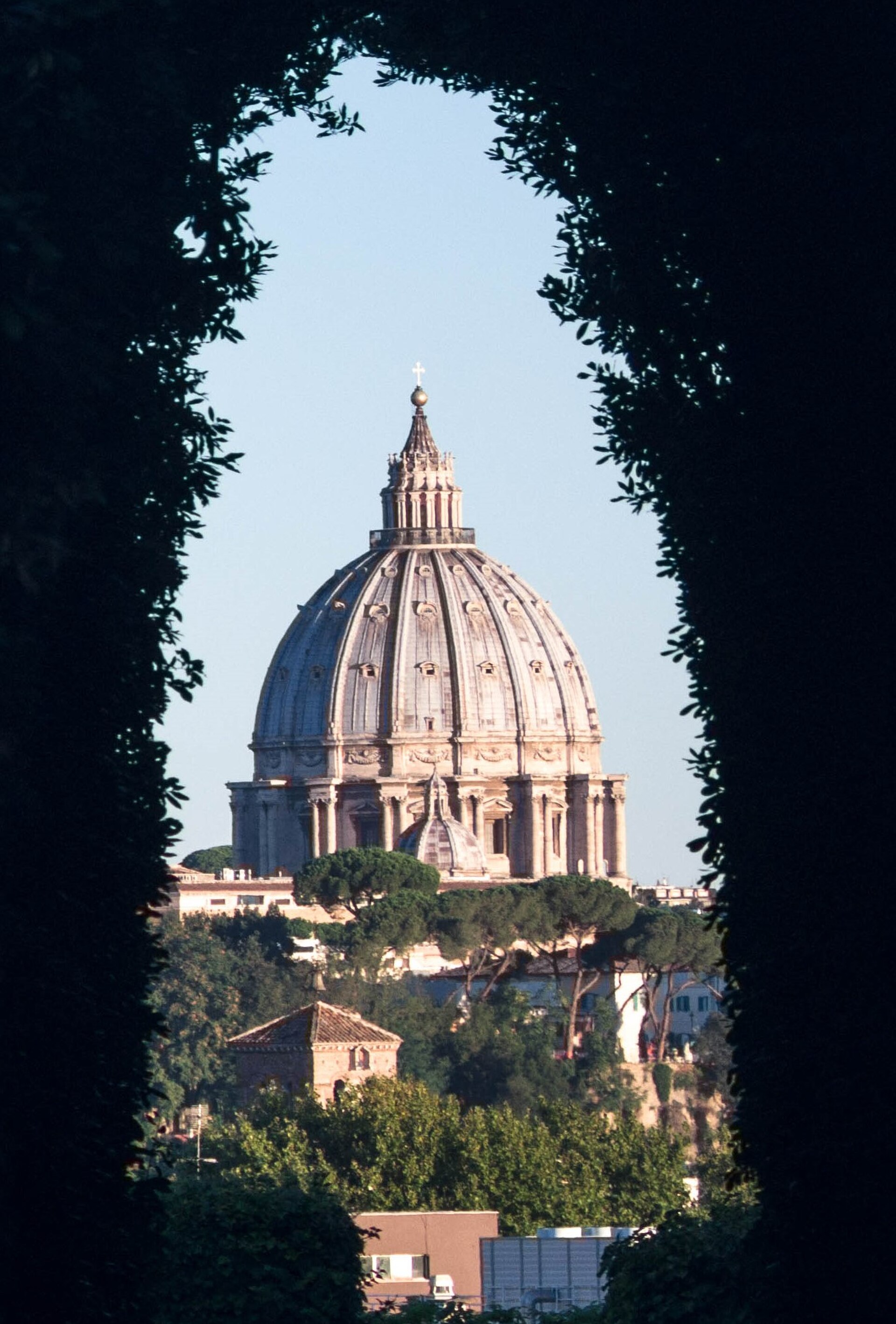
Allow 45 minutes to one hour for the basilica itself. The building is compact enough to explore without a long walk, but the wooden doors, marble colonnade, selenite windows and spacious early Christian layout reward close attention. Add more time if you want to sit quietly, reflect on the Dominican connection or continue through the Aventine’s gardens and streets. The nearby Knights of Malta keyhole is a natural companion stop, turning the visit into a gentle hilltop walk rather than a single interior encounter.
Checked 2026-08-26 · Source
The Aventine is calmer than Rome’s principal tourist centres, making Saint Sabina a rewarding choice when you want a quieter historic stop. Morning light through the selenite windows can give the interior a distinctive atmosphere, while the hill’s elevation offers some relief from the intensity of the lower city in warm weather. Leave flexibility around Sunday Mass and other religious observances. A daytime visit also makes the approach through the hill’s gardens and sloping streets more comfortable and lets you pair the basilica with nearby viewpoints.
Checked 2026-08-26 · Source
Saint Sabina is a functioning church, and the visit centres on its preserved architecture and religious interior rather than a museum-style ticket experience. Bring a respectful attitude and leave room for a voluntary offering if one is available. The basilica suits a self-paced stop: walk through the nave, study the ancient doors and columns, and pause in the quiet space. Its location on the Aventine also makes the surrounding gardens and the nearby Knights of Malta keyhole part of the same unhurried outing.
Checked 2026-08-26 · Source
Reach the Aventine on foot from the Circus Maximus metro station on Line B. From the Colosseum area, the walk takes about 20 minutes across the Palatine Bridge before the route rises through the hill’s streets. Bus services serve the surrounding area, but walking is the most natural way to experience this residential, garden-lined quarter. Navigation becomes less direct near the basilica because signage is modest, so follow the hilltop streets carefully and allow extra time for the uphill approach.
Checked 2026-08-26 · Source
Wear clothing suitable for an active church, covering shoulders and knees, and move quietly during worship. The Aventine approach is sloped, so the walk can be tiring or difficult for visitors with limited mobility. The ancient wooden doors are fragile and may be partly obscured by conservation work. Facilities around the immediate church precinct are limited, so plan refreshments and restroom needs before climbing the hill. Keep the visit calm and leave space for services, prayer and the normal life of the basilica.
Checked 2026-08-26 · Source
Saint Sabina’s interior rewards photographs that emphasise age, space and restrained light. The selenite windows create subdued illumination, while the wooden doors and marble columns provide strong details and repeating lines. If photography is permitted during your visit, avoid flash, keep equipment discreet and never interfere with worship. Tripods or special equipment need permission. Work patiently with the available light and move through the nave to find changing relationships between columns, windows and historic doors rather than trying to brighten every shadow.
Checked 2026-08-26 · Source
It is one of Rome’s best-preserved early Christian basilicas, built between 422 and 432 CE and retaining important fifth-century architectural features.
Look for the fifth-century wooden doors with biblical scenes, the marble nave columns with Corinthian capitals and the selenite windows.
Take Line B to Circus Maximus and walk uphill to the Aventine. From the Colosseum area, the walk takes about 20 minutes across the Palatine Bridge.
Allow 45 minutes to one hour for the basilica. Add time for the Aventine gardens and the nearby Knights of Malta keyhole.
Yes. It remains a functioning place of worship and has served as the mother church of the Dominican Order since the thirteenth century.
Combine the basilica with the Aventine’s gardens and the nearby Knights of Malta keyhole for a quiet hilltop walk with city views.
Loading the interactive map…
The interactive map could not be loaded.
Last updated:
Source: OpenStreetMap contributors, Wikidata ·