
1 min walk
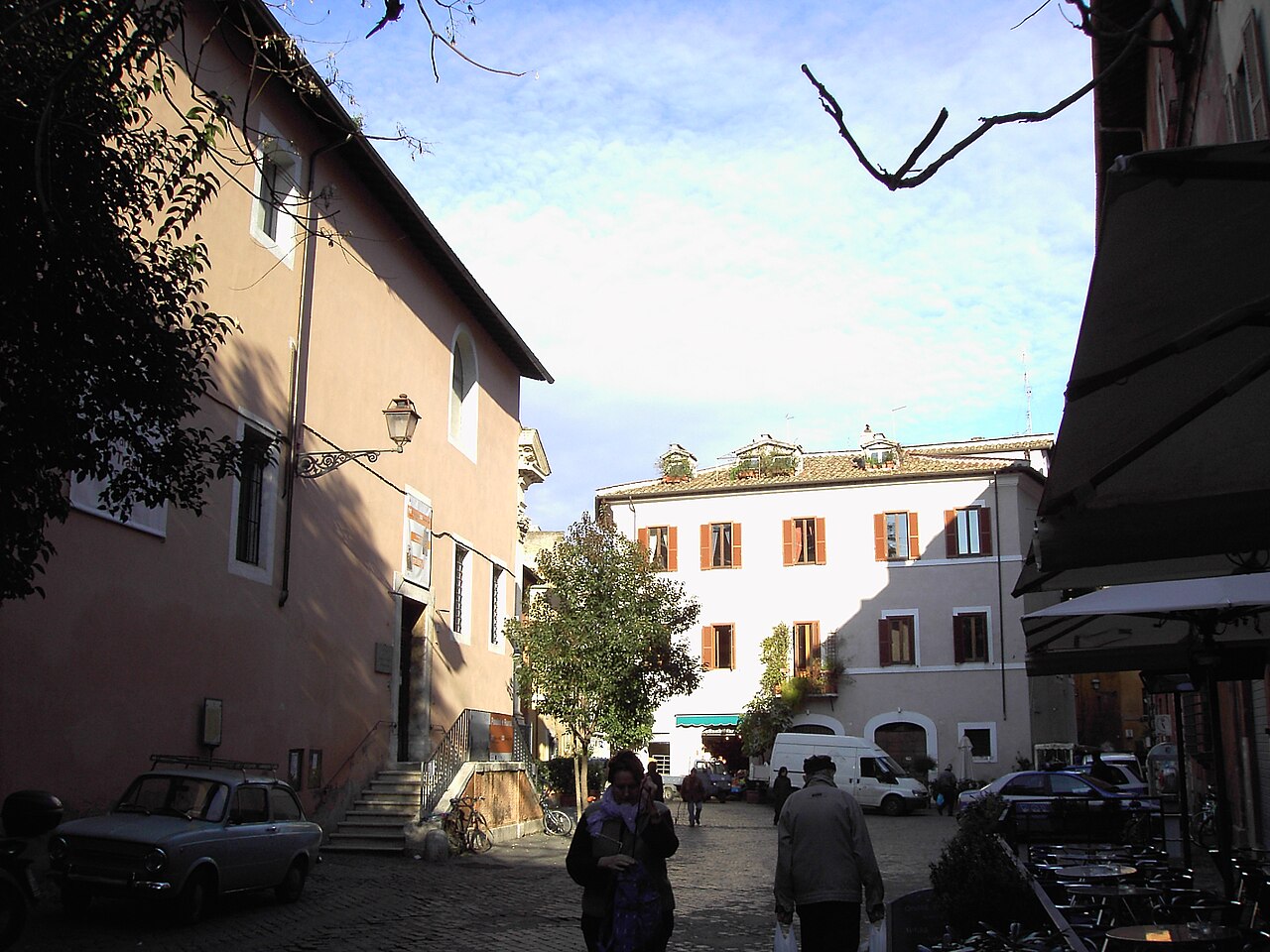
museo di Roma in Trastevere
- High · Heritage site
- Museum
Place of worship · Rome
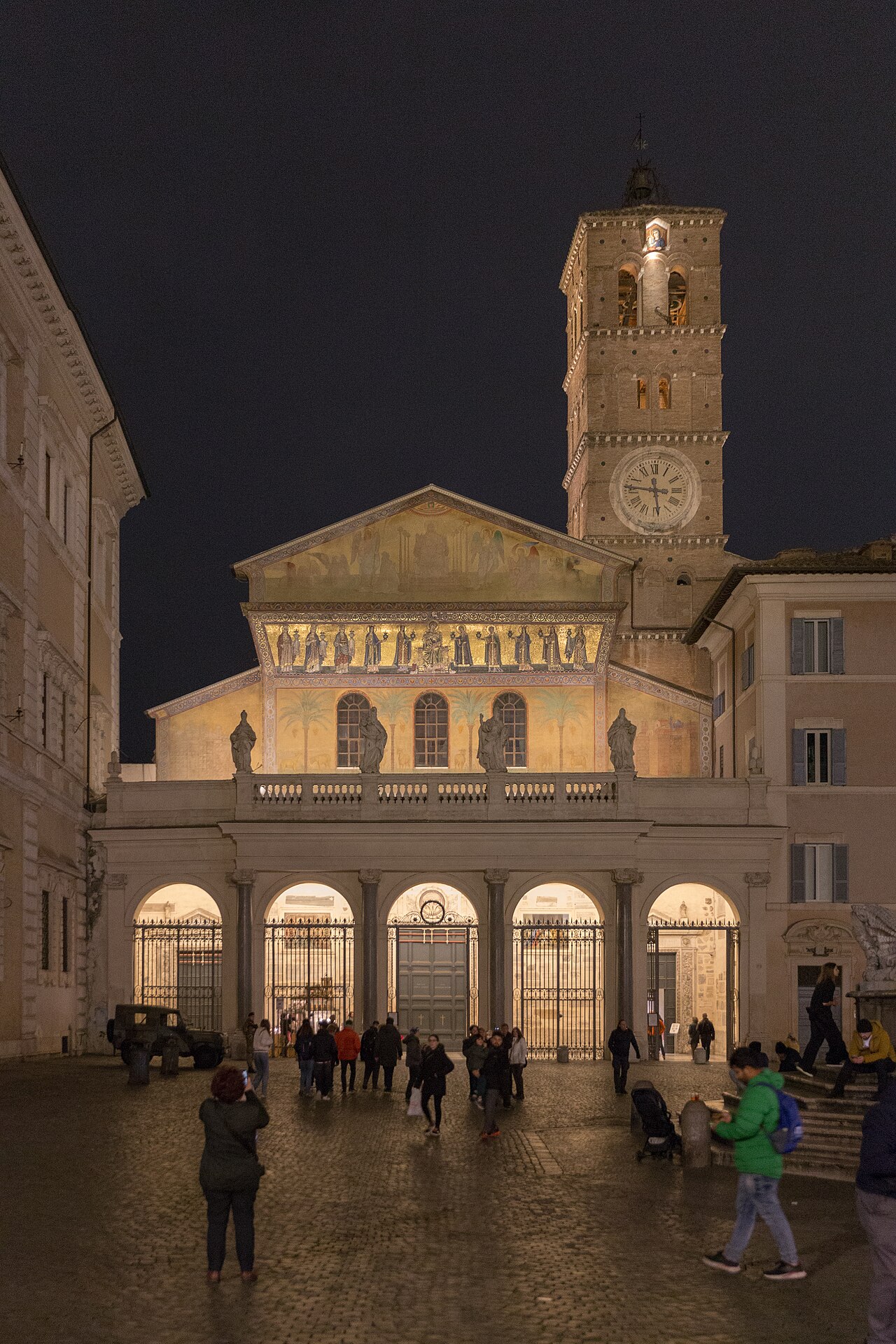
Basilica di Santa Maria in Trastevere
| Monday | 07:30 – 20:30 |
|---|---|
| Tuesday | 07:30 – 20:30 |
| Wednesday | 07:30 – 20:30 |
| Thursday | 07:30 – 20:30 |
| Friday | 07:30 – 20:30 |
| Saturday | 07:30 – 20:30 |
| Sunday | 07:30 – 20:30 |
Parsed from OpenStreetMap opening hours on 2026-09-09.
Santa Maria in Trastevere is a basilica dedicated to the Virgin Mary in the heart of Rome’s Trastevere district. Facing the piazza of the same name, it functions both as an active place of worship and as one of the neighbourhood’s defining landmarks. Its long history is visible in the combination of early Christian foundations, medieval decoration, and later alterations. Crossing the Tiber to reach it brings you into a district where the church, square, lanes, and daily Roman life belong to one walk. The basilica is best understood as both a historic monument and a living religious space.
Checked 2026-08-26 · Source
Inside, follow the long basilica layout toward the apse and look down at the Cosmatesque floor work. Mosaics in the apse and nave provide the church’s strongest visual focus, while tombs and memorials add evidence of its continuing religious role. Different construction periods remain legible in the building’s fabric. The interior is not arranged as a museum route, so pause where details catch your attention and leave clear space for worshippers moving through the church. Compare the horizontal rhythm of the nave with the concentrated decoration around the apse, then look back toward the entrance to appreciate the full length of the building.
Checked 2026-08-26 · Source
Set aside about thirty minutes for a focused visit to the basilica, including time to take in the apse mosaics, nave, Cosmatesque floor, and memorials. A slower art-and-history visit can take longer, especially if you spend time comparing the church’s different decorative periods. Add separate time for Piazza Santa Maria in Trastevere and the surrounding lanes, which turn the church visit into a broader neighbourhood walk rather than a single indoor stop. The square is also useful for a pause before or after entering, allowing you to view the façade and understand the church’s position within Trastevere.
Checked 2026-08-26 · Source
Plan the visit around the fact that Santa Maria in Trastevere remains an active church. Religious services and celebrations can change how the interior is used, so a quiet sightseeing visit is best timed away from worship. Morning and afternoon offer different light across the mosaics, while the piazza becomes increasingly social later in the day. Summer brings heavier foot traffic through Trastevere; the church and surrounding streets can feel more spacious at calmer times. A visit outside the busiest evening period also gives you more time to notice the floor, nave, and apse without competing movement around the entrance.
Checked 2026-08-26 · Source
Santa Maria in Trastevere is a religious basilica rather than a ticketed museum, and the guide treats the visit as an encounter with a working church. Entry is therefore approached through the church’s worship setting, not through a timed exhibition route. Donations or special arrangements may relate to church activities rather than ordinary sightseeing. Keep the visit brief and respectful if services are taking place, and let the interior’s mosaics, floor patterns, and architecture provide the reason to enter. The absence of a museum-style route makes this a flexible stop within a Trastevere walk, provided that worship remains the priority.
Checked 2026-08-26 · Source
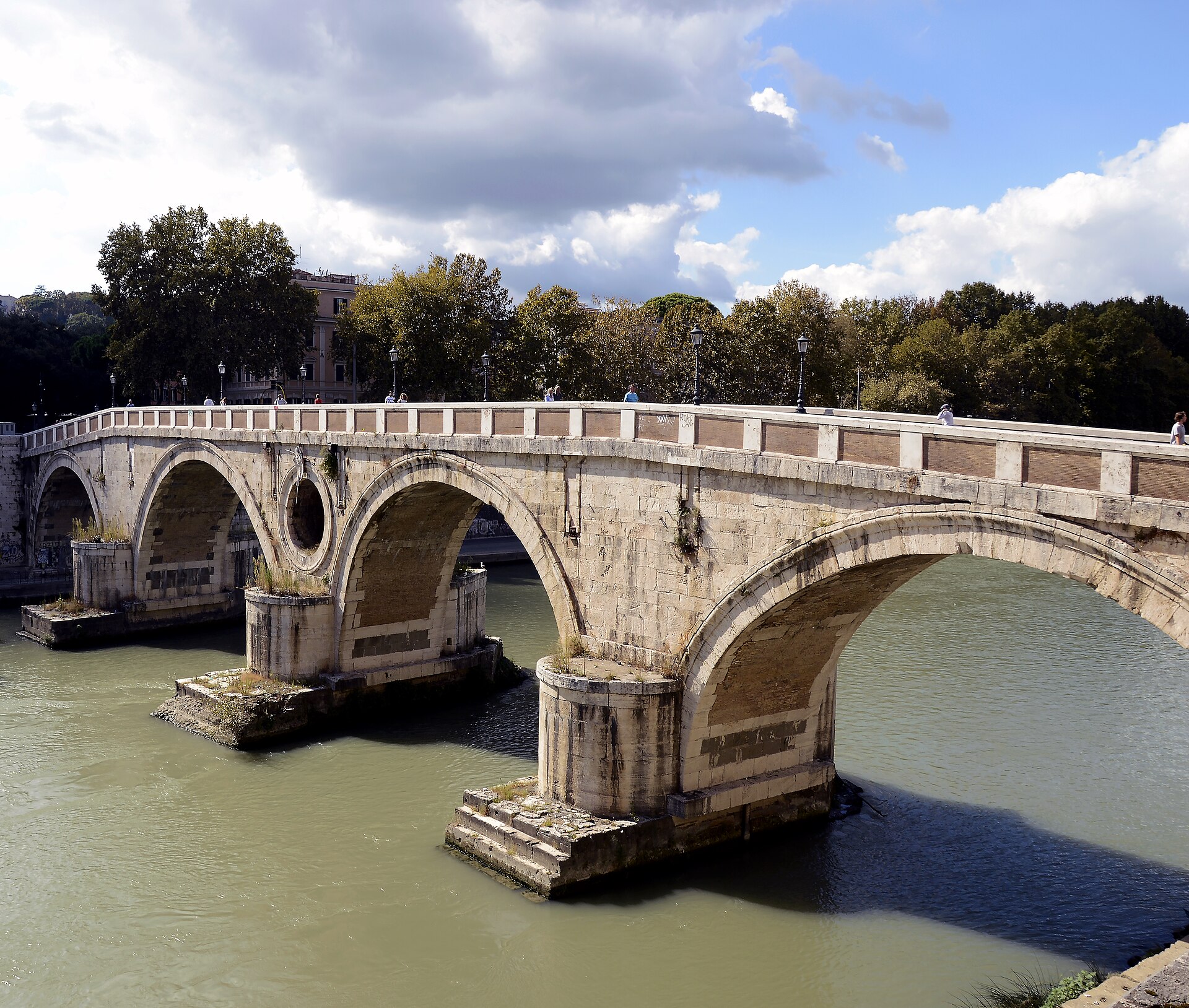
The basilica stands in Trastevere, across the Tiber from Rome’s central historic areas. Walking across one of the bridges is a practical way to arrive, especially when combining the church with a route through the riverfront and neighbourhood lanes. Buses and trams serve Trastevere, but the last stretch leads through narrow, irregular streets. Piazza Santa Maria in Trastevere is the useful landmark for the final approach and makes the church easy to locate once you reach the district. Walking is particularly effective because the route reveals the relationship between the basilica, the piazza, and the dense streets around them.
Checked 2026-08-26 · Source
Services require silence and consideration, and modest, respectful clothing is appropriate for a working basilica. Trastevere’s narrow pavements share space with vehicles, while historic paving can be uneven underfoot. The district grows busy in the evening, especially around restaurants and the piazza, so keep valuables secure in crowded approaches. Interior light can be subdued, making floor and mosaic details easier to appreciate slowly. Leave room for worshippers, and treat crypts or special areas as distinct parts of the church experience. The combination of busy streets outside and quiet religious space inside calls for a deliberate change of pace at the doorway.
Checked 2026-08-26 · Source
The apse mosaics, Cosmatesque floor, nave, and piazza all offer strong subjects, but the basilica is a place of worship first. Photograph quietly, keep clear of services, and avoid using flash around historic surfaces. The dim interior rewards steady framing and patience rather than hurried snapshots. Outside, the piazza provides broader compositions of the façade and urban setting. A visit in softer daylight can help separate the church’s decorative details from the activity of the surrounding Trastevere streets. Use the changing distance between the entrance and the apse to make photographs that show both individual decoration and the basilica’s complete spatial rhythm.
Checked 2026-08-26 · Source
It stands in Piazza Santa Maria in Trastevere, across the Tiber in Rome’s historic Trastevere district.
Prioritize the apse and nave mosaics, the Cosmatesque floor work, the basilica’s longitudinal layout, and its tombs and memorials.
It is among Rome’s oldest churches dedicated to the Virgin Mary, with early Christian origins and later rebuilding across several periods.
Choose modest, respectful clothing suitable for an active place of worship, and keep your voice low inside.
Allow about thirty minutes for the basilica, then add time for Piazza Santa Maria in Trastevere and the surrounding lanes.
Walk across a bridge from central Rome or use a bus or tram serving Trastevere, then continue through the district’s narrow streets to the piazza.
Loading the interactive map…
The interactive map could not be loaded.
Last updated:
Source: OpenStreetMap contributors, Wikidata ·