
12 min walk
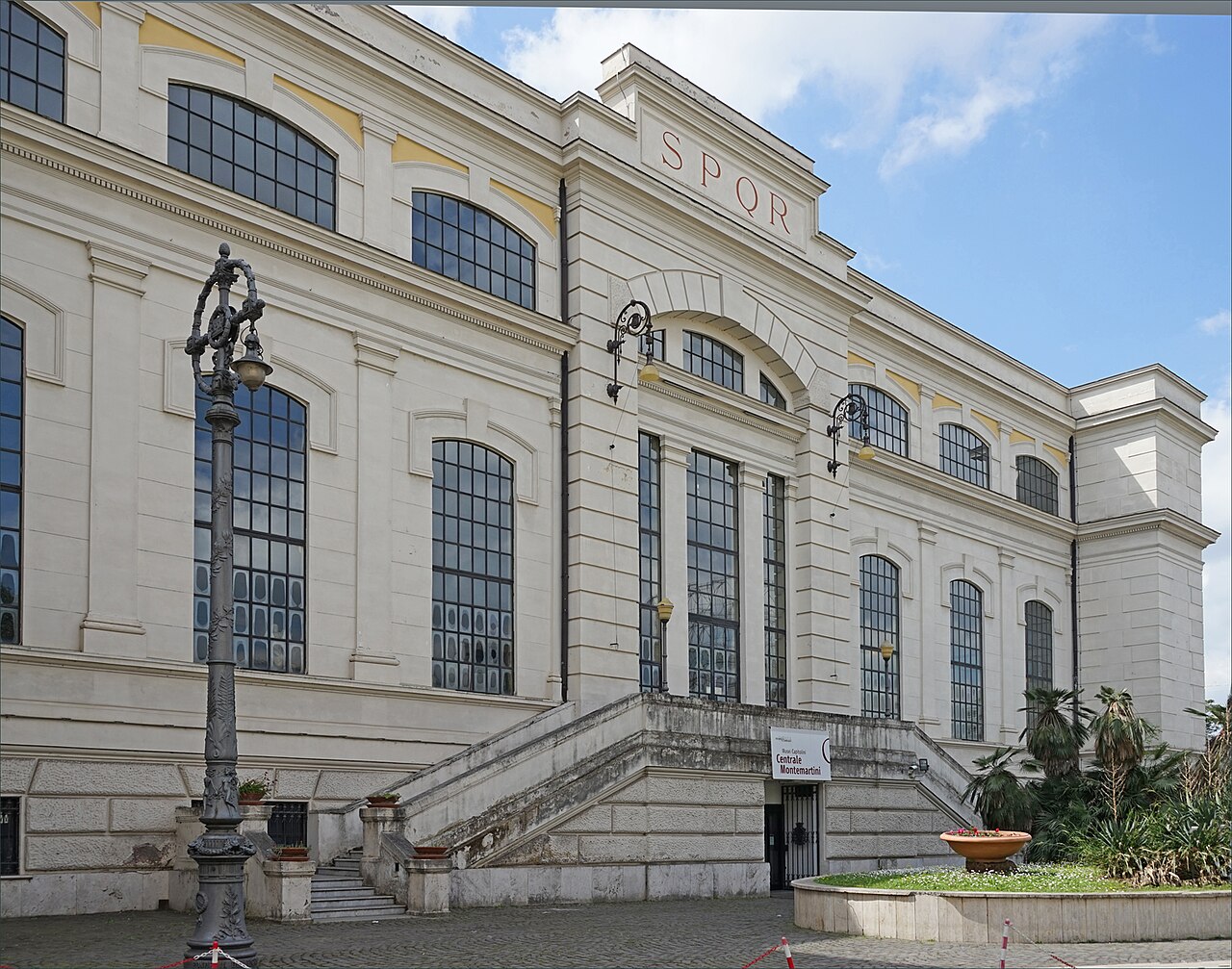
Centrale Montemartini
- Must see · Heritage site
- Museum
Place of worship · Rome
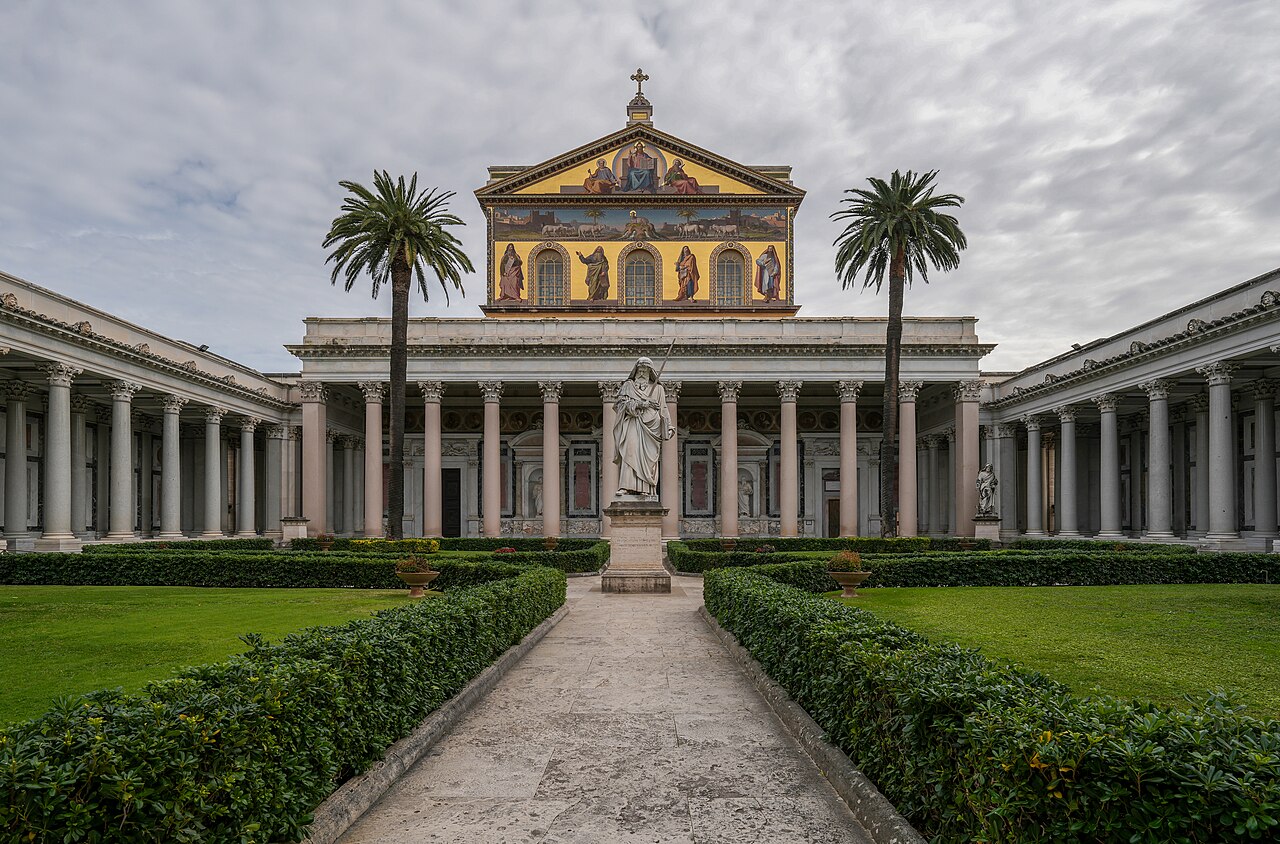
Basilica di San Paolo fuori le mura
| Monday | 07:00 – 18:30 |
|---|---|
| Tuesday | 07:00 – 18:30 |
| Wednesday | 07:00 – 18:30 |
| Thursday | 07:00 – 18:30 |
| Friday | 07:00 – 18:30 |
| Saturday | 07:00 – 18:30 |
| Sunday | 07:00 – 18:30 |
Checked 2026-08-31 · Source
| Per person | Free entry |
|---|
Checked 2026-08-31 · Source
Read from the OpenStreetMap access tags; anything not listed has no tag recorded.
Set the group type to family in the planner and the day window contracts to about three quarters of a solo day.
The Basilica of Saint Paul Outside the Walls is one of Rome’s four major papal basilicas. The church stands in the Ostiense district on the traditional burial site of Saint Paul, beyond the ancient city walls that give the basilica its name. Much of the present building dates from reconstruction after the fire of 1823. Visit for the basilica’s early Christian association, enormous scale, papal status and connection with the Benedictine monastery beside the church. The Basilica of Saint Paul outside the Walls is one of Rome's four major papal basilicas. Located in the Ostiense district, it stands on the traditional site where Saint Paul was buried after his martyrdom. No. The basilica lies in the Ostiense district, well beyond the ancient walls. Metro connection via Line B is the practical transit method.
Checked 2026-08-26 · Source
The vast interior has five aisles divided by eighty columns, creating a long, monumental view toward the main altar. A mosaic fills the triumphal arch, while papal portraits run along the upper walls of the nave in a distinctive historical sequence. Beneath the main altar is the traditional tomb of Saint Paul. The cloister is notable for its Cosmatesque decoration, with carefully patterned marble work. The adjacent Benedictine monastery and quadrangle extend the visit beyond the church interior and show the complex’s continuing monastic character.
Checked 2026-08-26 · Source
Allow 60 to 90 minutes for the basilica, including the nave, papal portrait gallery, altar area and cloister. Visitors interested in devotional history or architectural detail may need longer because the building’s scale rewards looking both down the full axis and up at individual mosaics and portraits. Add time for the exterior grounds and the monastery quadrangle. The Ostiense location lies outside the densest central visitor routes, so include the journey to and from the basilica when fitting it into a Rome day.
Checked 2026-08-26 · Source
Morning is a good time for a calm visit and for taking in the basilica’s long interior before the day’s movement builds. Religious observances can limit access around services because this remains an active place of worship. Light changes the visibility of the mosaics and papal portraits across the nave, while the stone interior moderates some of Rome’s summer heat. The Ostiense setting feels different from the Colosseum and Trevi areas, so plan this as a deliberate destination rather than a stop encountered accidentally between central monuments.
Checked 2026-08-26 · Source
The main basilica traditionally offers free entry for worship and ordinary visitation, with donations customary at a functioning papal church. The cloister, special exhibitions or particular visitor areas may follow separate arrangements. Group visits and guided experiences can use different procedures from individual entry. Plan the church, cloister and any additional area as separate elements of the complex because entry to the main nave does not automatically describe every part of the visit. The basilica’s religious function remains central even when the visit is primarily cultural or architectural.
Checked 2026-08-26 · Source
Metro Line B serves San Paolo station, providing the clearest public-transport approach from central Rome. The basilica is a short walk from the station, although the complete journey from central attractions still takes dedicated time. Buses connect the surrounding Ostiense district, and the substantial grounds make the church easy to identify on arrival. The district’s former industrial character differs from Rome’s ancient centre, so combine the visit with nearby Ostiense destinations or treat the basilica as the anchor of a focused half-day route.
Checked 2026-08-26 · Source
Wear clothing that covers shoulders and knees, and behave quietly during services. The enormous interior can make orientation difficult; note the entrance and exit before moving deep into the nave. The traditional tomb area beneath the altar may have access limits. Photography rules can differ between the main church and particular spaces. The Ostiense district has a more industrial urban character than central Rome, especially around evening approaches. The church is not simply a museum: worshippers, clergy and monastic life share the complex with visitors.
Checked 2026-08-26 · Source
The basilica’s length makes the central axis the natural photographic subject, while the papal portraits create a repeated rhythm along the upper nave. The cloister offers a contrasting composition of columns, arches and Cosmatesque marble patterns. Interior light can be subdued and uneven, so hold the camera carefully and avoid disruptive equipment. Flash and tripod use may be restricted in historic religious spaces. Do not photograph worshippers intrusively, and pause photographic activity during services. The façade and grounds provide more room for wider views without interrupting worship.
Checked 2026-08-26 · Source
It stands in Rome’s Ostiense district, beyond the ancient walls, and is served by Metro Line B at San Paolo station.
The main altar incorporates the traditional burial site of Saint Paul, one of the basilica’s central religious features.
Eighty columns divide the vast interior into a central nave and four side aisles.
The cloister is known for its Cosmatesque decoration and forms an important part of the basilica complex beside the main church.
Allow about 60 to 90 minutes for the church, papal portraits, altar area and cloister, with extra time for the grounds and monastery quadrangle.
Wear clothing that covers shoulders and knees, and keep quiet during services because the basilica remains an active place of worship.
Loading the interactive map…
The interactive map could not be loaded.

Last updated:
Source: OpenStreetMap contributors, Wikidata ·