


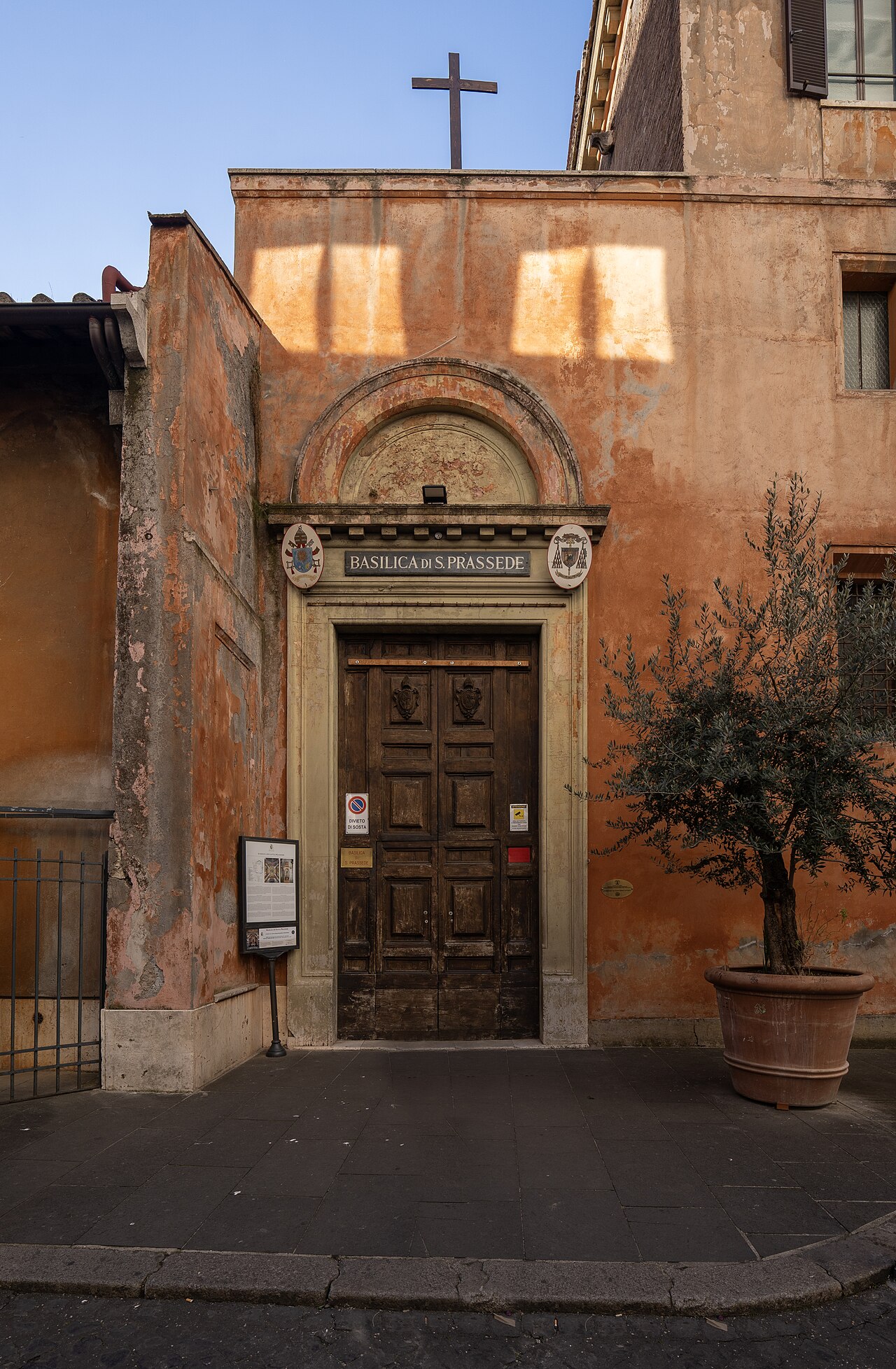
2 min walk
Santa Prassede
- High · Heritage site
- Place of worship

Place of worship · Rome
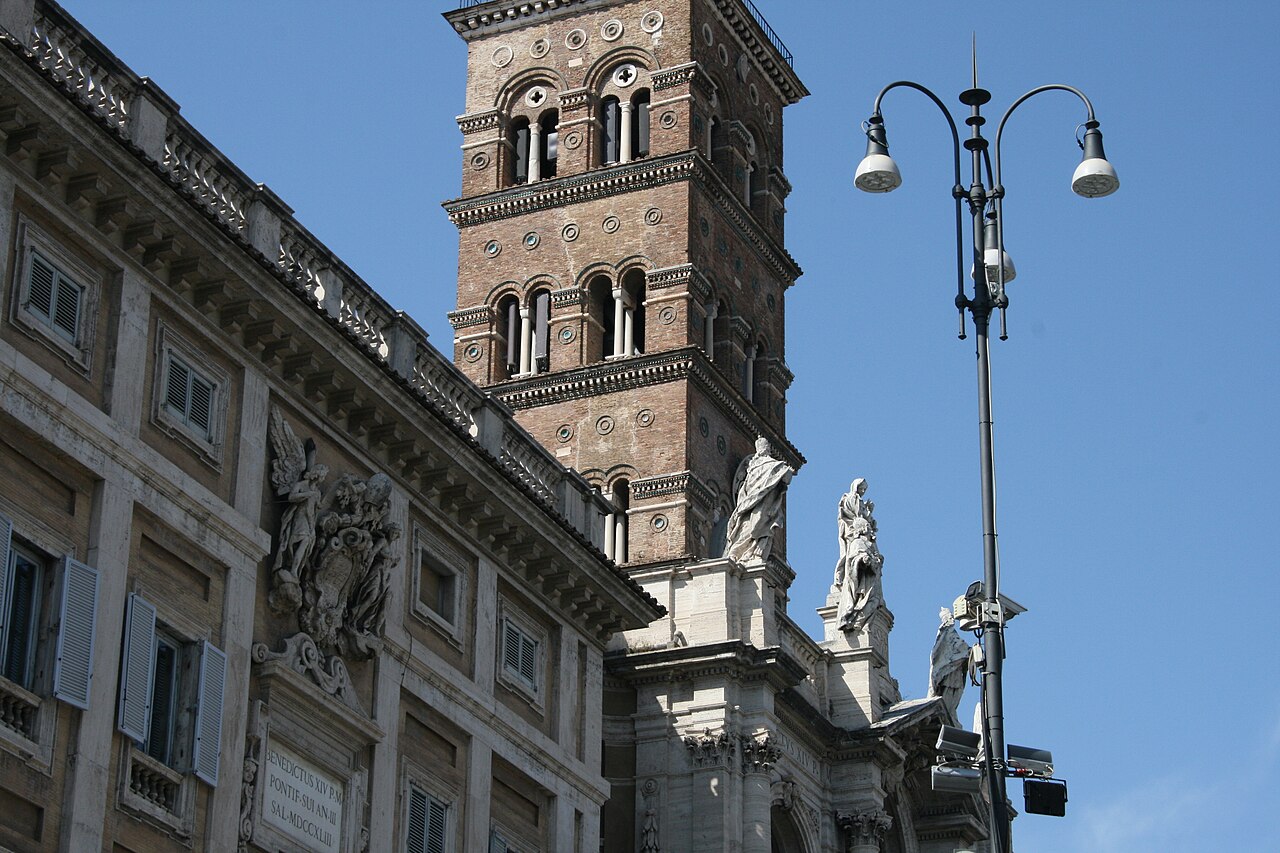
Santa Maria Maggiore is a working papal basilica on Rome's Esquiline Hill, not a museum with a single prescribed visitor route. Its fifth-century nave and triumphal-arch mosaics make the early Christian building legible inside later layers of decoration. The basilica's own guide places the tomb of Pope Francis in the left aisle, between the Pauline and Sforza chapels. Start with the nave mosaics, then decide whether to spend time with the Marian icon, chapels and tombs. Keep the church's devotional use in mind throughout: a visitor and a worshipper may need the same space for different reasons.
Checked 2026-10-04 · Source
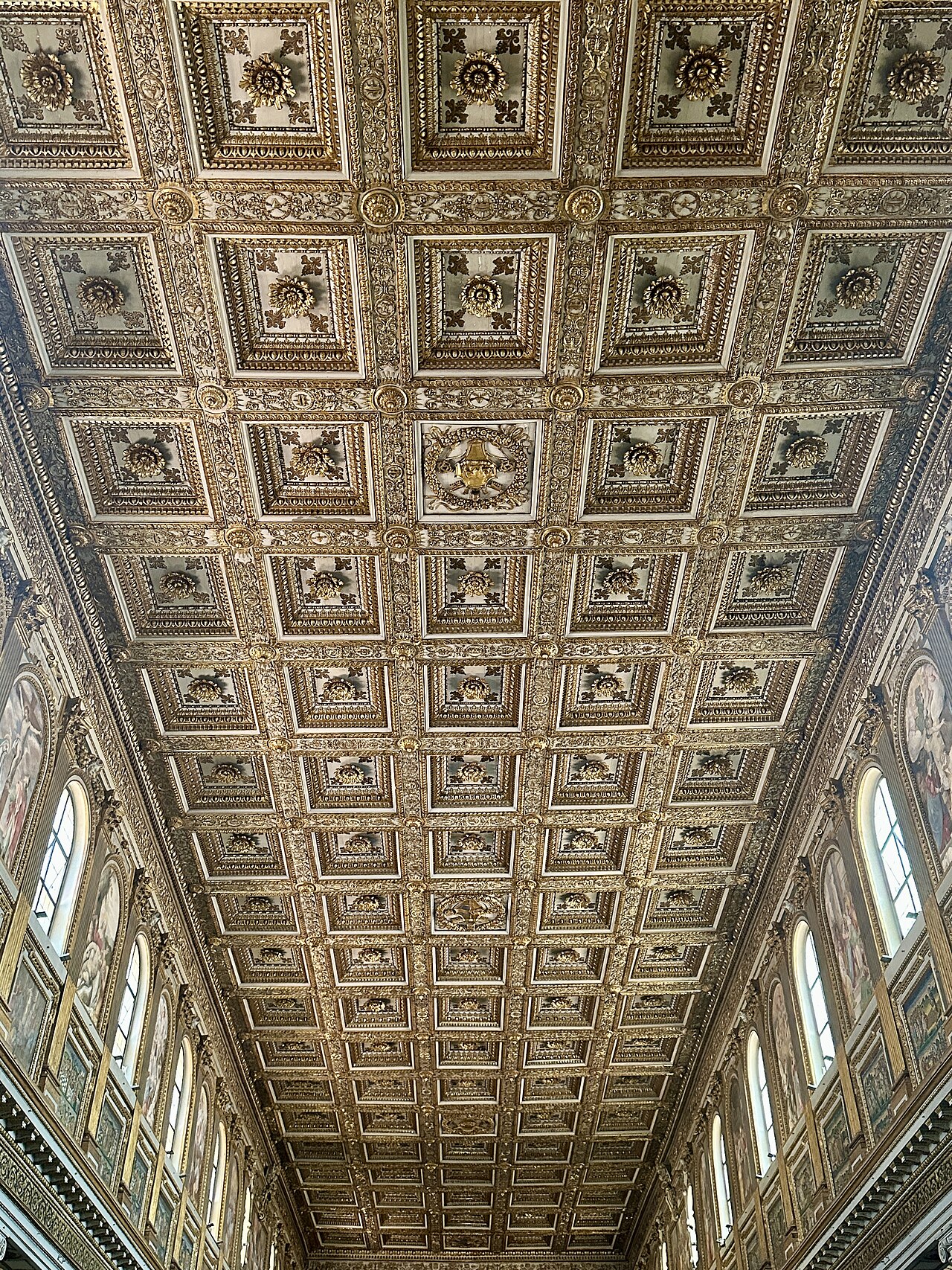
Look first along the nave: the fifth-century mosaic cycles tell stories of Abraham, Jacob, Moses and Joshua, while the triumphal arch depicts Christ's childhood. Farther in, the later apse mosaic shows the Coronation of the Virgin. The Pauline Chapel holds the Salus Populi Romani icon; Pope Francis' tomb lies in the left aisle between that chapel and the Sforza Chapel. The Holy Crib relic and the Cosmatesque floor reward a slower circuit. The museum complex, Loggia of Blessings, Bernini Staircase and archaeological area are separate visitor areas, so do not assume a basilica visit includes them.
Checked 2026-10-04 · Source
Allow roughly 75 minutes for the main basilica if you want to compare the nave and triumphal-arch mosaics, see the Marian icon, and locate the tomb without rushing worshippers. This is an editorial planning allowance, not a timed entry slot or an operator promise. A short devotional stop can take less time; a guided tour or a separately ticketed museum visit needs its own allowance. Read the floor plan at the entrance portico before choosing a route. If you are arriving with a large bag from Termini, resolve storage first because the basilica does not provide a cloakroom.
Checked 2026-10-04 · Source
Choose a time around the basilica's worship schedule rather than assuming every chapel remains open throughout a visitor session. The operator's English and Italian legacy visit pages currently disagree on the basilica's closing time, so this guide does not quote a daily hour. Check the current operator visit information for your date before leaving. The church commemorates the Miracle of the Snows with a liturgical celebration; such occasions change the character of a visit and call for particular respect. If your priority is slow viewing of the mosaics, allow flexibility for services and security screening.
Checked 2026-10-04 · Source
The operator describes admission to the main basilica as free. That does not cover every adjoining attraction: the Liberian Museum, Loggia of Blessings, Hall of the Popes, Bernini Staircase and archaeological area are presented as separate bookable visits. Choose the free church visit first, then decide whether a museum-area ticket adds something you want to see; avoid buying a package merely to enter the church. The operator links its current ticket channel from the Visits page, but this guide does not quote a changing museum price. Check the exact area, date and conditions there before booking.
Checked 2026-10-04 · Source
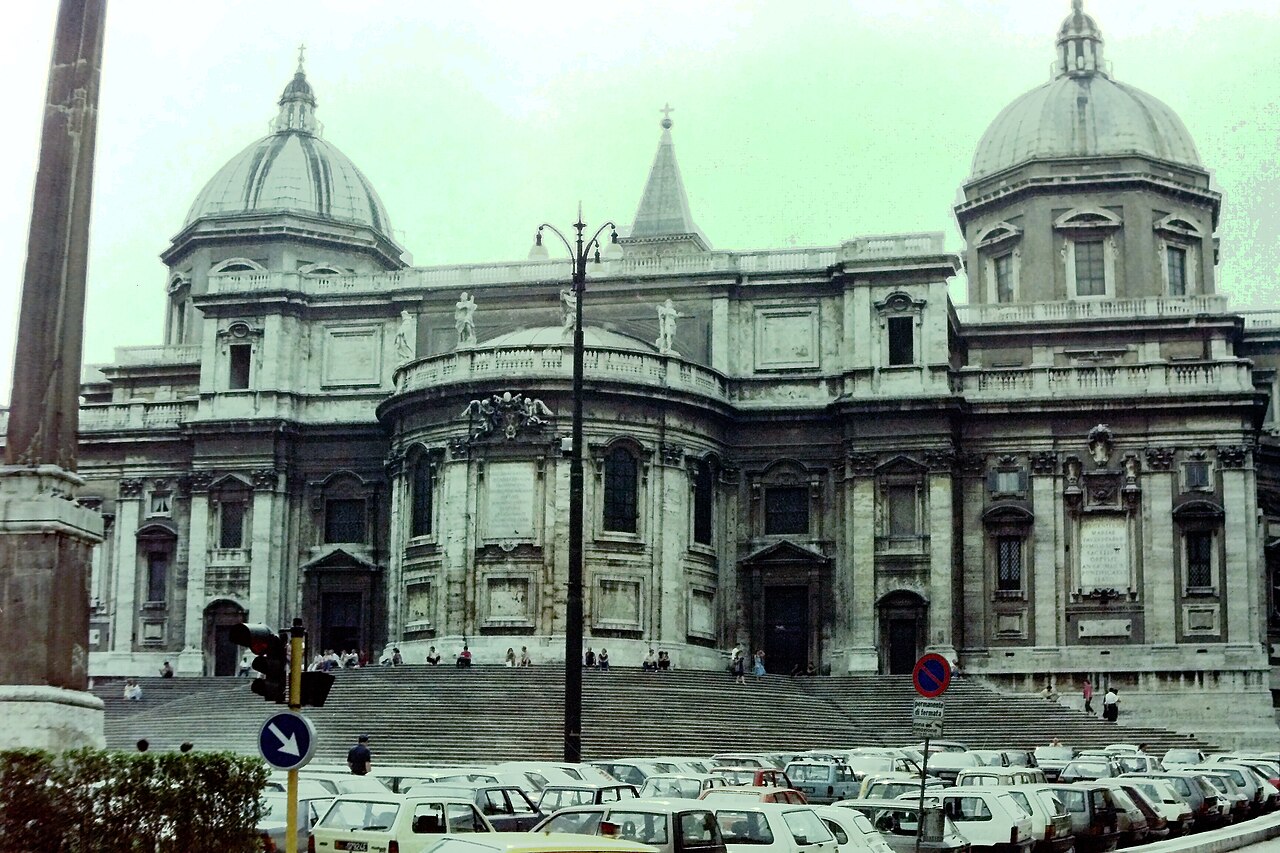
The basilica stands on the Esquiline Hill, a useful stop when you are already moving between Roma Termini and central Rome. Use the basilica's map or your transport planner for the final approach; the church is not itself a metro station. From Termini, plan a street-level walk and allow for crossings, uneven paving and luggage. The entrance portico has a floor-plan display, so orient yourself there before moving through the church. If a separately bookable area is your goal, confirm its meeting point on the operator's visit information instead of assuming the general church entrance is the tour check-in.
Checked 2026-10-04 · Source
Dress for an active church: the operator excludes sleeveless or low-cut clothing, shorts that do not cover the knees, miniskirts and hats. Large bags and suitcases may be refused at security, and there is no cloakroom; do not plan to arrive directly from the station with bulky luggage. Keep quiet around prayer and services. For mobility needs, the operator describes an access ramp, mobile platforms for side chapels and a lift to museum areas; ask staff for the appropriate route. Access to the panoramic terraces and archaeological area needs advance contact with the museum team.
Checked 2026-10-04 · Source
Personal photographs of the basilica and museum rooms are permitted under the operator's rules, but flash is prohibited. Tripods, drones, professional equipment and extendable selfie sticks are also prohibited without the required authorisation. Treat the nave as a place of prayer: do not block a procession or photograph people at worship for the sake of a better angle. The fifth-century nave and triumphal-arch mosaics are best approached by looking carefully before lifting a camera. The rules apply to the adjoining museum complex too; check with staff if a specific area is temporarily restricted.
Checked 2026-10-04 · Source
Yes. Basilica di Santa Maria Maggiore is the Italian name, while Basilica of Saint Mary Major is the conventional English name for the same papal basilica in Rome.
The main basilica is free to enter according to its operator. Museum areas, the Loggia, Bernini Staircase and archaeological area are separate visits; check their current ticket conditions before booking.
The Borghese Chapel houses the revered Marian icon known as Salus Populi Romani.
The nave and triumphal arch contain fifth-century mosaics associated with the papacy of Sixtus III, with later interventions and restorations.
Allow about 60 to 90 minutes for the principal interior, with extra time for the crypt, exterior façades, piazza or a service.
Personal photography is allowed, but the operator prohibits flash, tripods, drones and extendable selfie sticks without authorisation. Respect worship and any on-site restrictions.
Loading the interactive map…
The interactive map could not be loaded.
Last updated:
Source: OpenStreetMap contributors, Wikidata ·