3 min walk
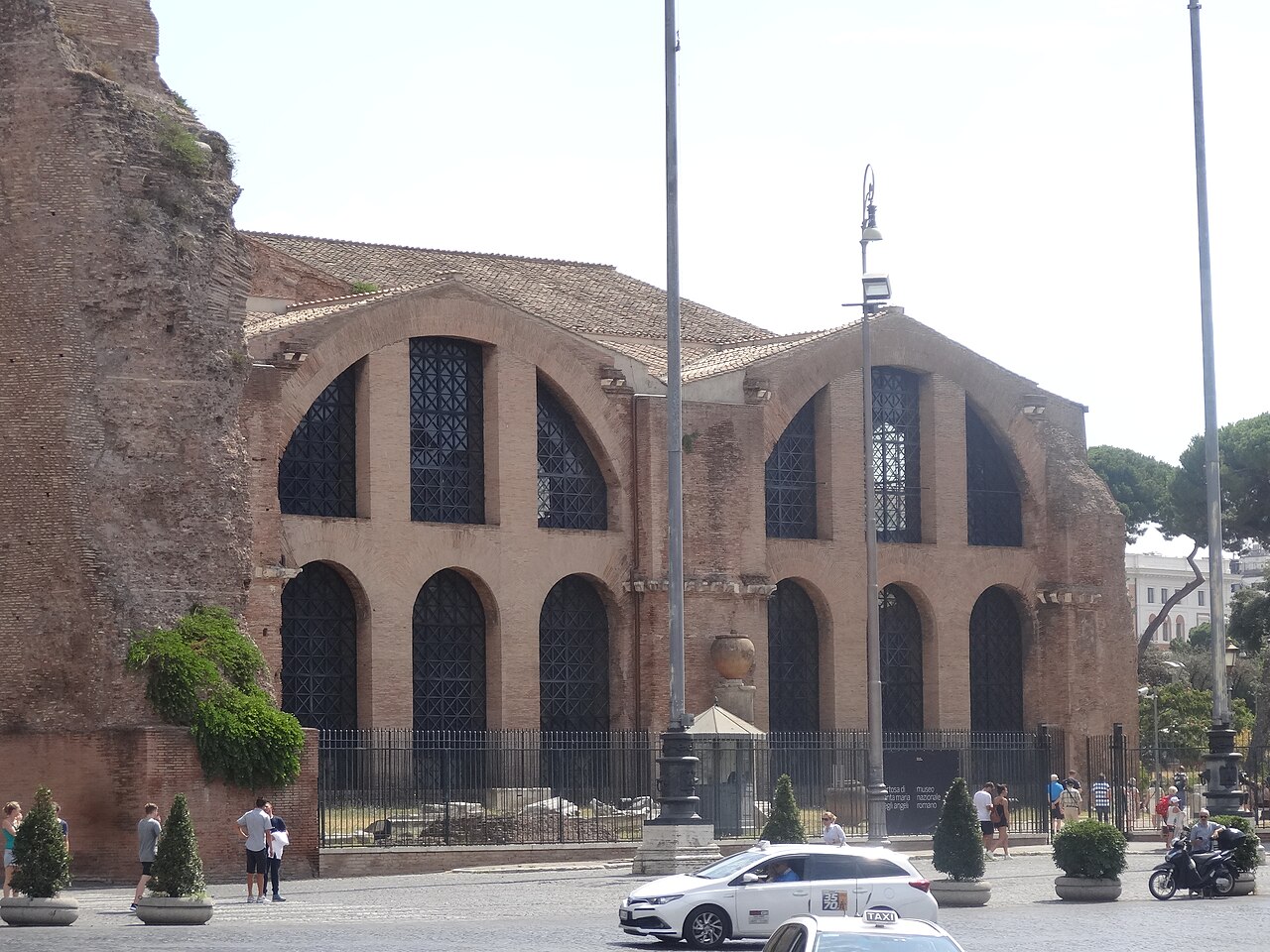
Baths of Diocletian
- Must see · Heritage site
- Historic monument
Language · 11 published
Activity · Rome
Reviewed by Elena Voss · Roavina Travel Editor
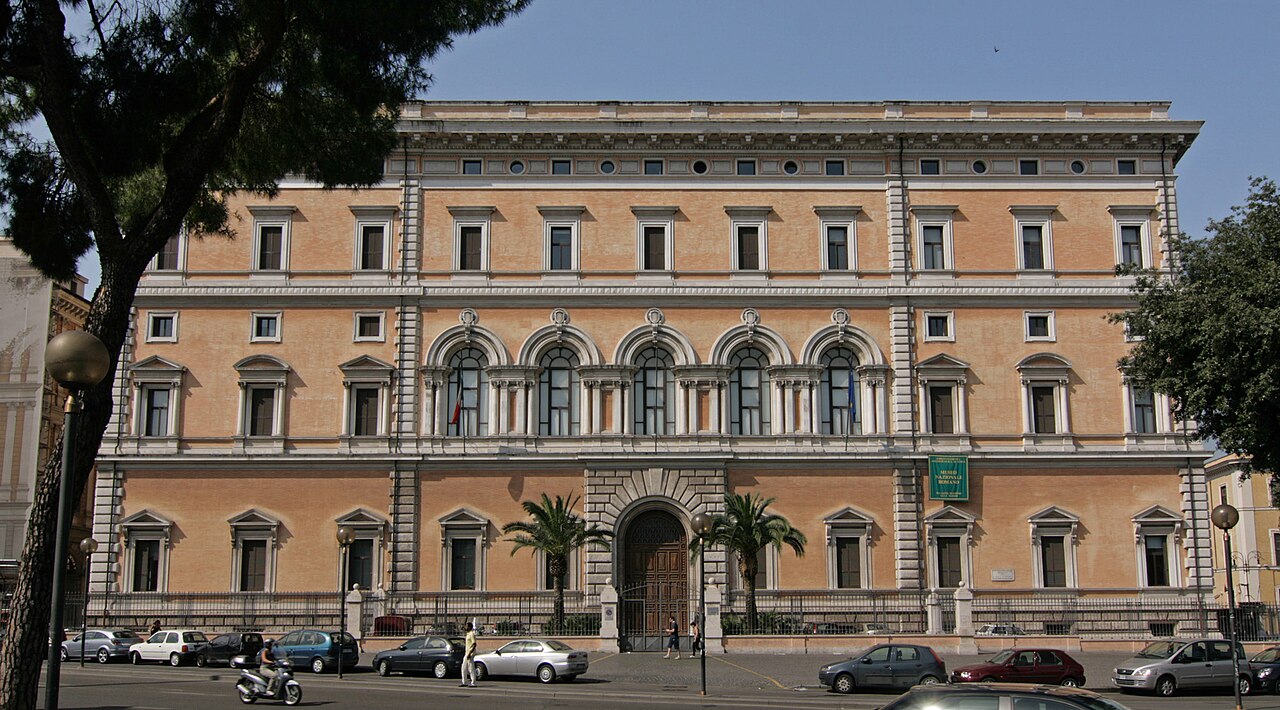
It was established in 1998. It was designed by Camillo Pistrucci. It carries the Italian national heritage heritage designation.
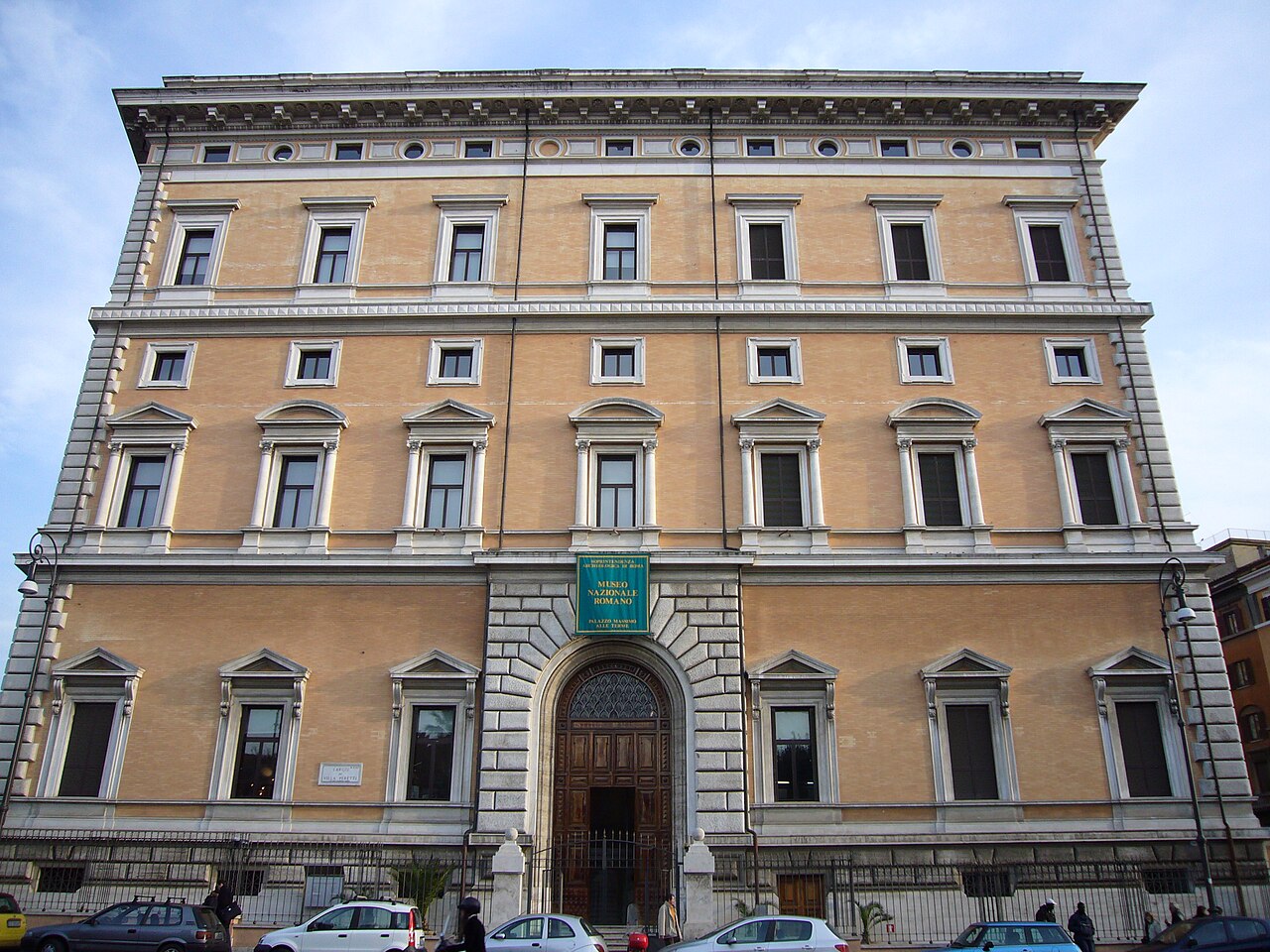
Palazzo Massimo alle Terme is one of the major sites of the Museo Nazionale Romano, close to Roma Termini. Its galleries present ancient Roman art across four floors in a nineteenth-century palace adapted for museum use. Sculptures, portraits, frescoes, mosaics, coins, and archaeological objects make it a strong choice for understanding Roman visual culture beyond the city’s monuments. The collection is especially valuable when you want concentrated indoor viewing near the station. Palazzo Massimo combines archaeological depth with an orderly museum setting, making it easier to focus on ancient works in sequence rather than encountering them only as isolated ruins around Rome.
Checked 2026-08-26 · Source
Begin with the portrait sculpture on the ground floor, where emperors and patricians show how Roman identity was represented in stone. Continue to the frescoes and mosaics from the Villa of Livia, including the celebrated garden scenes displayed in reconstructed settings. The numismatic rooms add a different view of Roman history through coins. In the basement, archaeological material helps connect elite art with the objects and practices of everyday life. The Boxer at Rest and the Hellenistic Prince deserve deliberate attention, while the range of portraits helps visitors compare official images with more individualised faces and expressions.
Checked 2026-08-26 · Source
Plan on about two hours for a balanced visit through the four levels. Ninety minutes works for a focused route covering the major sculptures, Villa of Livia frescoes, mosaics, and the best-known statues. Allow up to three hours if coins, archaeological context, or detailed comparison of galleries matter to you. The museum’s quantity of material rewards a clear priority list: choose the fresco rooms and signature sculptures first, then use remaining time for specialist collections. Visitors who read labels carefully will need longer, while a visual highlights route can remain efficient without losing the museum’s central themes.
Checked 2026-08-26 · Source
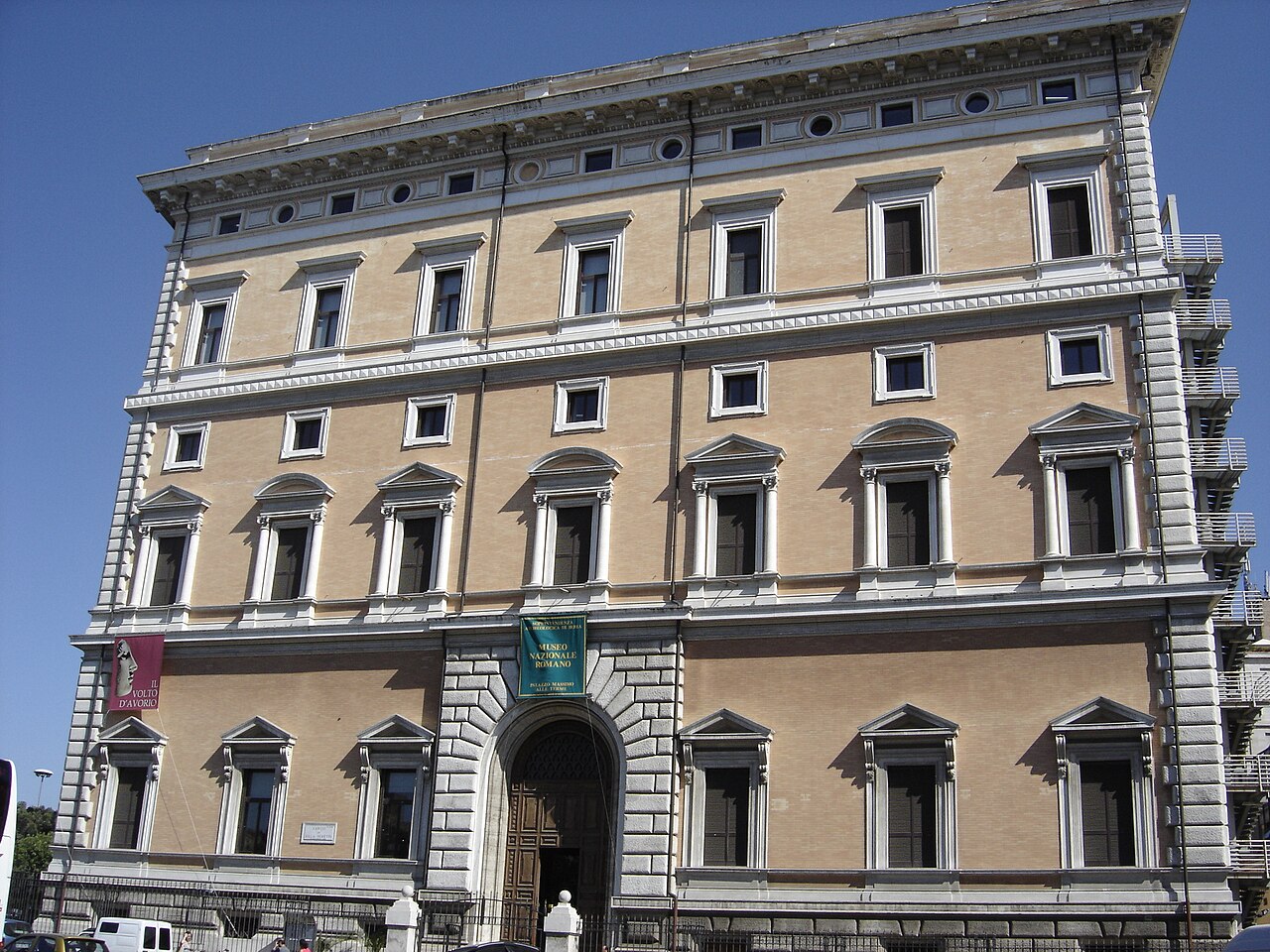
An indoor museum visit fits well into a hot Roman afternoon or a travel day centred on Termini. Morning can provide a calmer start for the portrait galleries and Villa of Livia rooms, while the station location makes the museum convenient between rail journeys and nearby sights. Build your route around the museum’s confirmed visiting schedule, and remember that seasonal attendance can make signature works busier during peak travel periods. The collection remains rewarding in any weather. Its location also makes it a practical choice when rain, heat, or a demanding outdoor itinerary calls for several hours of sheltered cultural sightseeing.
Checked 2026-08-26 · Source
Palazzo Massimo belongs to the Museo Nazionale Romano network, whose sites include the Baths of Diocletian. That network connection is useful when planning a museum-focused day because a combined ticket has historically linked several locations. Treat the ticket choice as part of the wider museum visit rather than a separate purchase for one room. Admission arrangements, concessions, and reservations are handled through the network’s visitor system, while the galleries themselves provide the main value of the visit. A combined museum day can give the collection more context, but Palazzo Massimo remains substantial enough to justify visiting on its own.
Checked 2026-08-26 · Source
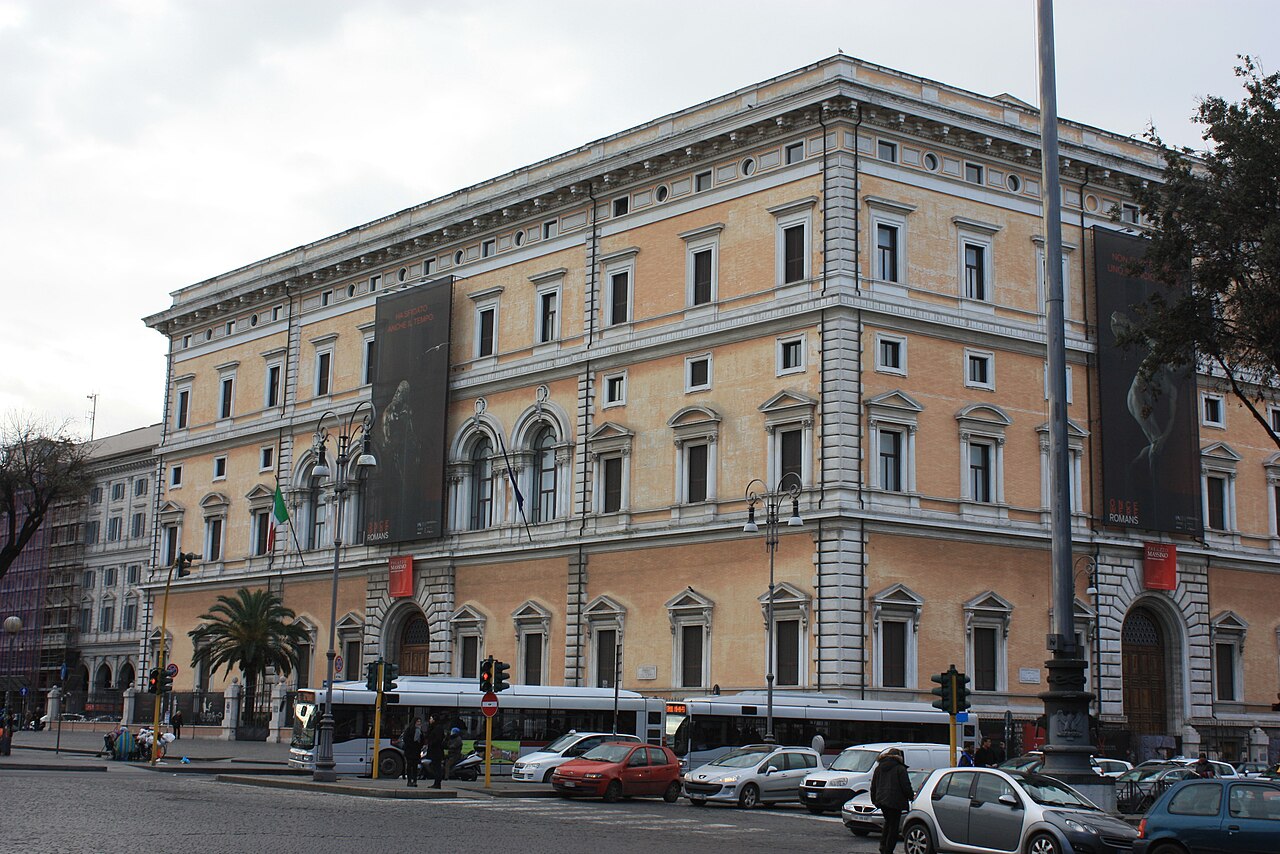
The museum is immediately beside Roma Termini, Rome’s principal railway and metro interchange. Metro lines A and B stop at Termini, and numerous buses and trams converge around the station. Walking from the historic centre takes roughly twenty to thirty minutes depending on your starting point. Santa Maria Maggiore is also within the wider Esquilino area, making it possible to pair the museum with another major sight. Follow signs around Termini and allow time to orient yourself near the busy station approaches. The location is particularly convenient for travellers arriving by train, changing transport, or staying near the station.
Checked 2026-08-26 · Source

Four floors of ancient art can become tiring, so decide which collections matter most before you enter. Spend deliberate time with the Villa of Livia garden frescoes even if the surrounding galleries are busy. Security screening applies at the entrance, and personal belongings may need to be deposited. Gallery displays can change as works undergo conservation or rotation. Inside the museum, follow room instructions for photography and movement. Around Termini, keep normal city awareness, particularly when carrying luggage or walking after dark. A priority route prevents the later galleries from becoming a blur and leaves energy for the portraits, frescoes, and signature sculptures that define the museum.
Checked 2026-08-26 · Source
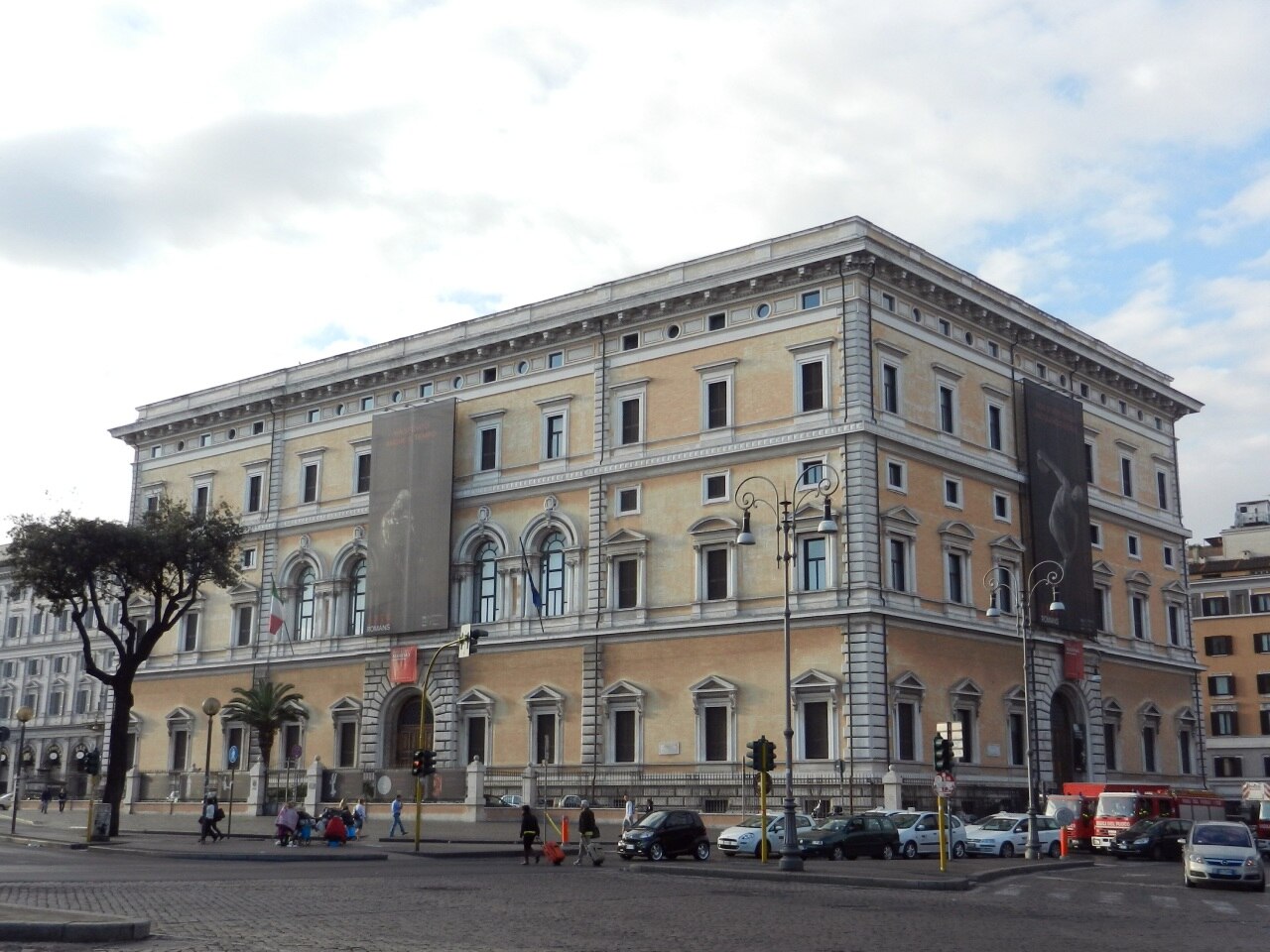
The museum’s strongest photographic subjects include Roman portraits, the Boxer at Rest, the Hellenistic Prince, Villa of Livia’s garden frescoes, mosaics, and coin displays. In the fresco rooms, look for layered garden detail and use the available light without flash. Room-by-room instructions govern what visitors may photograph, so follow the signs and staff directions. A compact camera is easier to manage across several floors than bulky equipment. Give other visitors space around celebrated works and avoid blocking gallery circulation. The museum’s interior offers visual variety, from polished sculpture surfaces to delicate painted gardens, so change distance and framing instead of photographing every object in the same way.
Checked 2026-08-26 · Source
It stands beside Roma Termini station and is part of the Museo Nazionale Romano network.
Highlights include Roman portrait sculpture, Villa of Livia’s original frescoes, mosaics, the Boxer at Rest, the Hellenistic Prince, and numismatic collections.
Yes. They are ancient frescoes removed from the Villa of Livia and displayed in reconstructed settings for preservation.
Allow about two hours for the principal collections; a focused visit can take ninety minutes, while specialist viewing may take up to three hours.
Yes. It belongs to the Museo Nazionale Romano network, which also includes the Baths of Diocletian and has historically offered combined tickets.
Use Metro A or B to Termini, take a bus or tram serving the interchange, or walk from central Rome in about twenty to thirty minutes.
Loading the interactive map…
The interactive map could not be loaded.
Last updated:
Source: OpenStreetMap contributors, Wikidata ·