
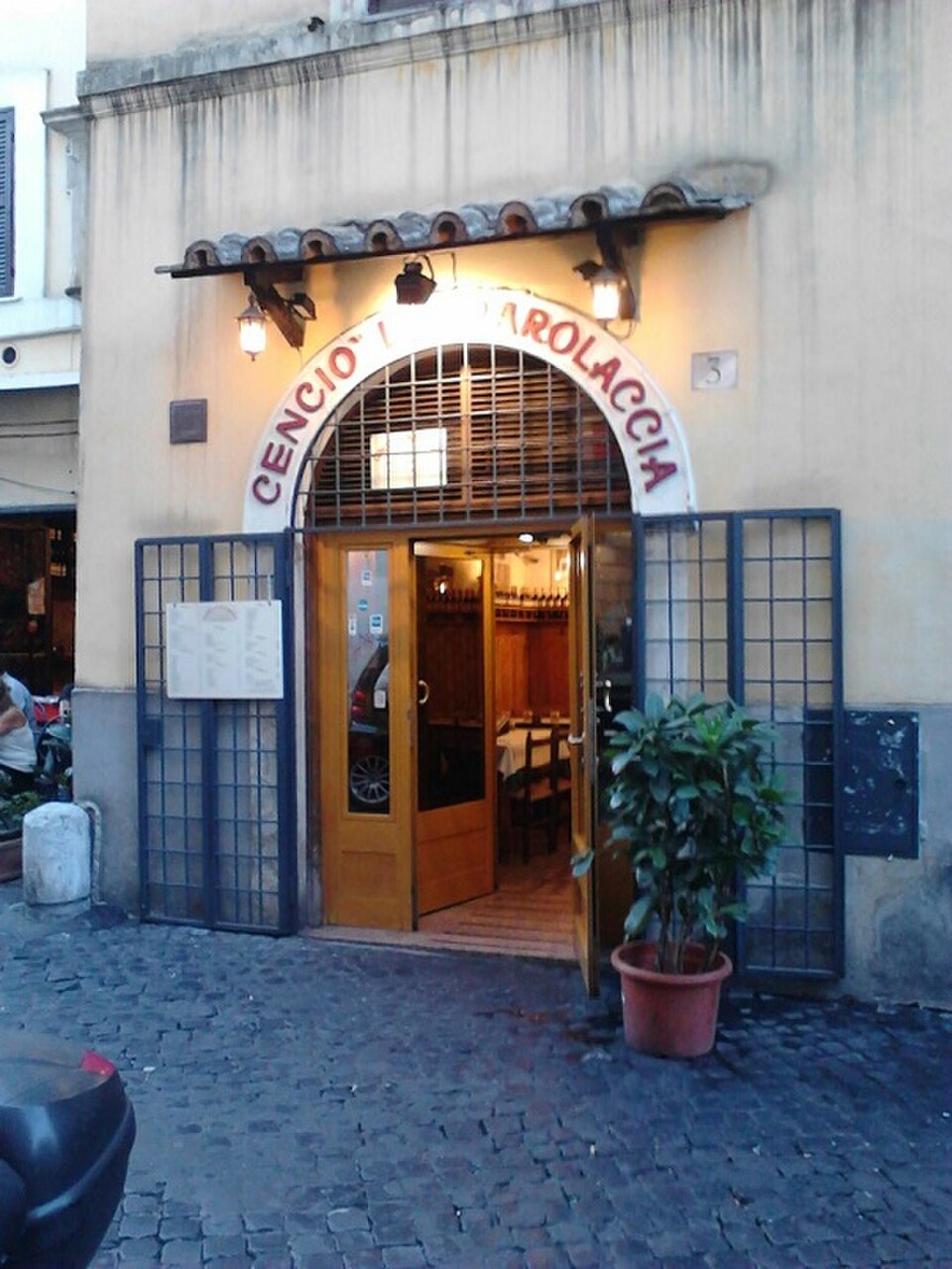
1 min walk
Cencio la Parolaccia
- Notable
- Restaurant or café
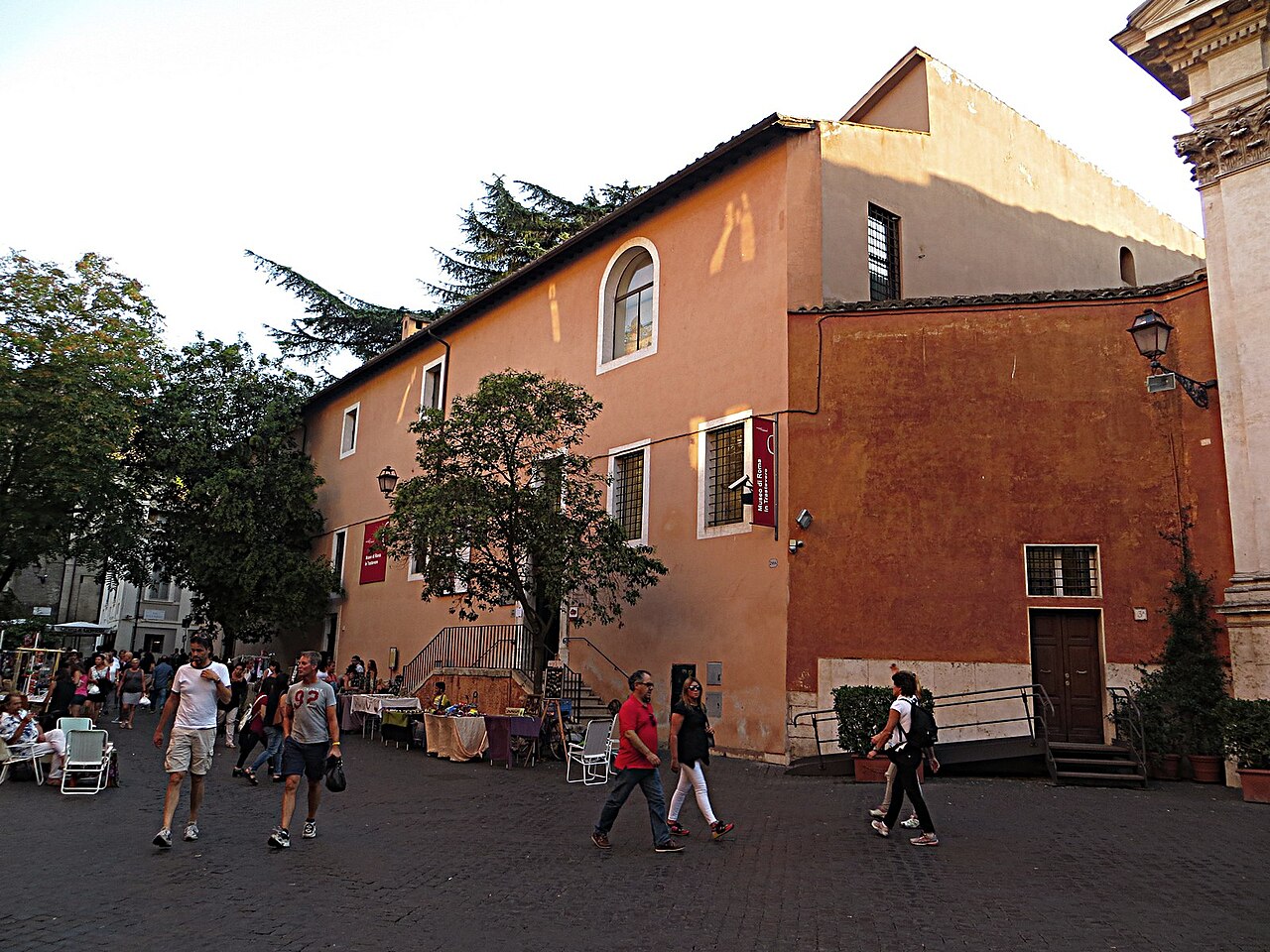
Museum · Rome
Museo di Roma in Trastevere
Museo di Roma in Trastevere occupies a converted historic complex in one of Rome's most characterful quarters. The institution forms part of the broader network of civic museums documenting the capital's social and cultural evolution. Its Trastevere location reflects deliberate curatorial intent: this district long served as working-class heartland, distinct from the monumental centre. The building itself contributes to the narrative, representing layered architectural phases. Visitors encounter a museum explicitly focused on Roman popular culture rather than elite artistic production. The setting amid cobbled streets and ochre-washed houses reinforces thematic coherence between container and contents.
Checked 2026-08-26
Collections centre on artefacts of everyday Roman existence across recent centuries. Expect paintings, prints, and photographs capturing street life, festivals, and vanished trades. Costume and craft objects illustrate domestic practices. Thematic displays address carnival traditions, river culture, and neighbourhood specificity. Some holdings derive from the dissolved Museo di Roma collection, redistributed across multiple sites. Temporary exhibitions periodically supplement permanent galleries. Documentation emphasises social history over aesthetic masterpieces. The approach demands visitors engage interpretively rather than passively admire canonical works. Material density varies by gallery; certain periods receive concentrated treatment while others appear more thinly represented.
Checked 2026-08-26
A thorough visit requires approximately sixty to ninety minutes, though individual pacing varies considerably. The compact scale prevents overwhelming physical demands. Readers of Italian gain deeper engagement with documentary materials; others may proceed more rapidly through text-heavy sections. Photography enthusiasts linger over detailed prints. Those with specific research interests in Roman popular culture might extend substantially. Combination with neighbourhood exploration naturally prolongs the excursion. Trastevere rewards wandering, suggesting integration into broader itinerary rather than isolated destination status. Morning allocation permits subsequent unstructured district immersion. Rushed visitors can absorb essence in forty minutes with selective attention.
Checked 2026-08-26
Seasonal considerations involve Rome's broader tourist patterns rather than site-specific factors. Summer brings crowds and heat; winter offers relative tranquillity. Visitors should verify current opening schedules through official channels before travel planning. Morning arrivals typically ensure calmer conditions regardless of season. Trastevere's evening atmosphere attracts distinct clientele; daytime museum attendance separates from nocturnal neighbourhood energy. Religious and civic holidays potentially affect accessibility. Advance confirmation remains prudent given Italian museum practices of periodic unannounced adjustments. Local festivity calendars occasionally generate exceptional closures or modified access. Check the operator's own site for the travel date before relying on a schedule or fare.
Checked 2026-08-26
Admission policies follow Rome's municipal museum conventions with potential concessions for residents, students, seniors, and other categories. Integrated ticketing with other Museo di Roma network sites may offer economic advantage for multi-venue itineraries. Free-entry conditions periodically apply on designated promotional days, though these require verification. Online pre-booking possibilities exist for some municipal institutions; applicability here remains unconfirmed. Cash and card acceptance standard for Italian public museums. Budget-conscious visitors should investigate combined options and eligibility for reductions. Documentation requirements for concession claims typically include identification. Check the operator's own site for the travel date before relying on a schedule or fare.
Checked 2026-08-26
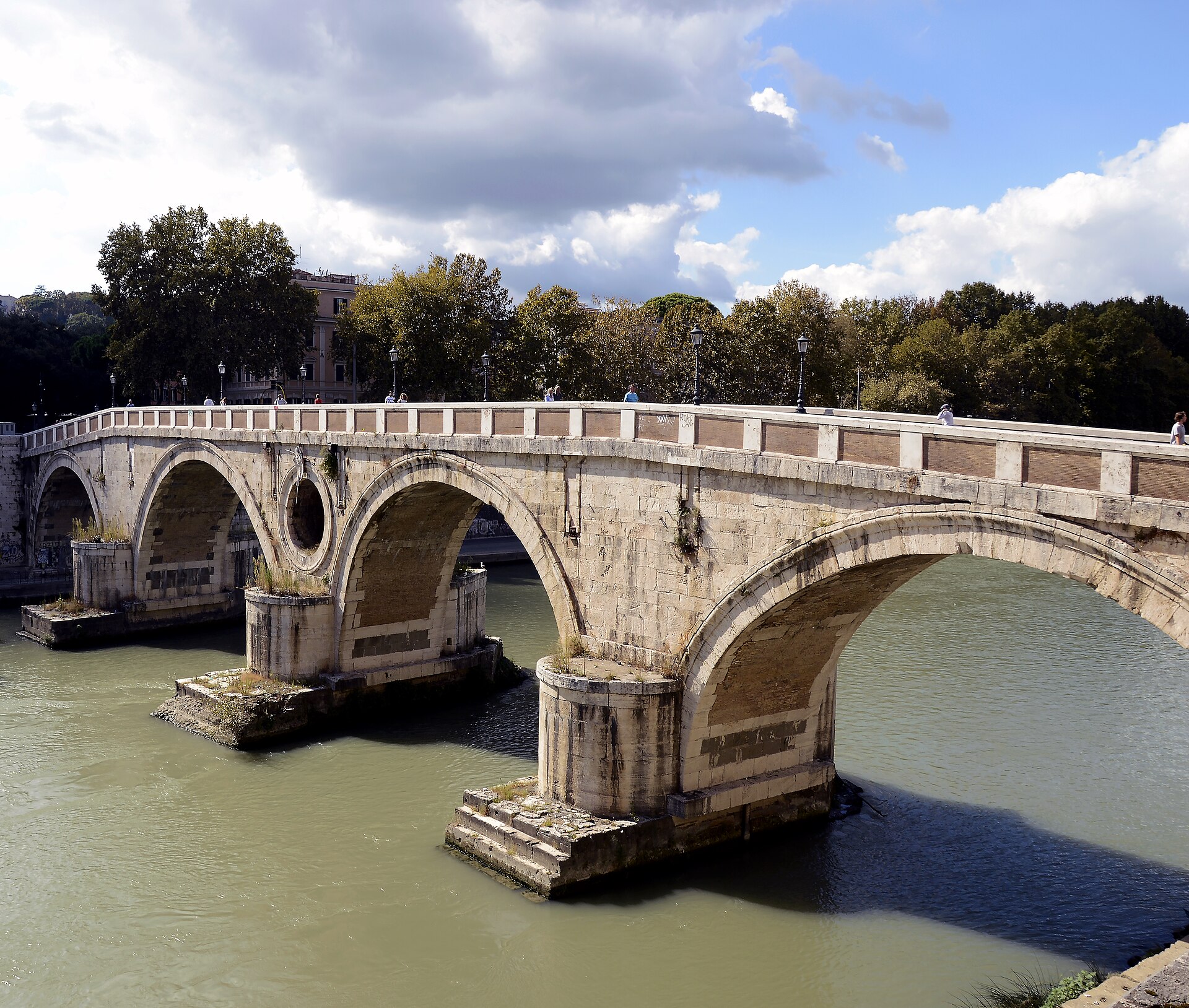
Trastevere lies across the Tiber from central Rome's dense monumental zone. Pedestrian access via Ponte Sisto provides scenic approach from Campo de' Fiori direction. Tram lines serve the district from Termini and other points. Bus connections exist though Roman public transport reliability varies. Walking from Trastevere railway station feasible for those arriving by regional train. The neighbourhood's medieval street plan complicates vehicular access; private car strongly discouraged. Night transport operates with reduced frequency. The museum's specific address within Trastevere requires navigation through characteristically irregular street patterns; digital mapping assists though signal occasionally unreliable in narrow thoroughfares.
Checked 2026-08-26
Trastevere's popularity generates persistent petty theft risk; standard urban vigilance applies. Evening transformation from residential to entertainment district alters character substantially; daytime museum visitors encounter different environment than nighttime revellers. Cobblestones present mobility challenges for wheeled conveyances and unstable walkers. Some adjacent streets permit vehicle traffic despite apparent pedestrian priority. Museum signage within the neighbourhood competes with commercial distraction. Language barriers may complicate nuanced exhibition engagement. Climate control in historic structures sometimes proves inadequate during temperature extremes. Photography permissions vary by gallery; observance of posted restrictions respectful to collections and fellow visitors.
Checked 2026-08-26
Policies likely follow standard Italian museum protocols: personal non-flash photography often permitted for permanent collections, temporary exhibitions frequently restricted. Tripod and professional equipment typically require advance authorisation. Specific conditions should be confirmed on-site given variation between galleries and changing exhibitions. Digital sharing of permitted images generally unrestricted for personal accounts. Commercial or publication use demands separate clearance through municipal cultural authorities. Respect for fellow visitors' viewing experience governs practical behaviour regardless of formal permissions. Works on paper and light-sensitive materials particularly vulnerable; even permitted photography should minimise exposure duration. Staff instructions final authority in ambiguous situations.
Checked 2026-08-26
Content addressing Roman social history may engage older children with prior interest; younger visitors likely find limited interactive elements. The compact scale prevents overwhelming duration.
Scheduled guided tour provision Not recorded. Visitors seeking interpretive depth might investigate whether audio materials or printed gallery guides supplement independent exploration.
Historic building conversion presents inherent accessibility challenges. Specific accommodation details Not recorded; direct enquiry advisable before visit.
On-site catering facilities Not recorded. Trastevere's dense commercial surroundings offer abundant nearby alternatives for refreshment.
Online booking availability Not recorded pending review. On-site purchase likely standard though advance verification recommended during high-season travel.
Bag storage provision Not recorded. Large items may present inconvenience given typical museum security protocols; travelling light advisable.
Loading the interactive map…
The interactive map could not be loaded.
Last updated:
Source: OpenStreetMap contributors, Wikidata ·