
1 min walk
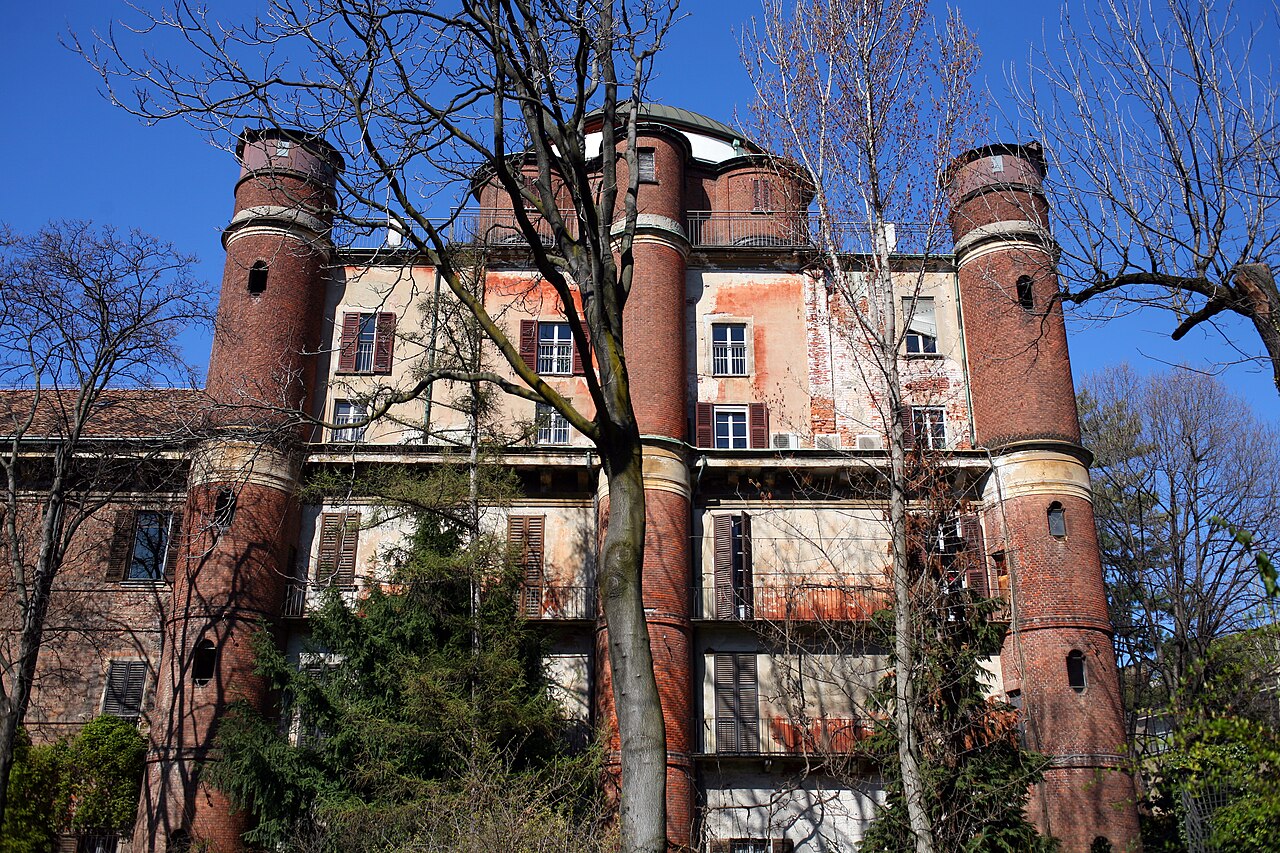
Brera Astronomical Observatory
- Must see · Heritage site
- Museum
Nature site · Milan
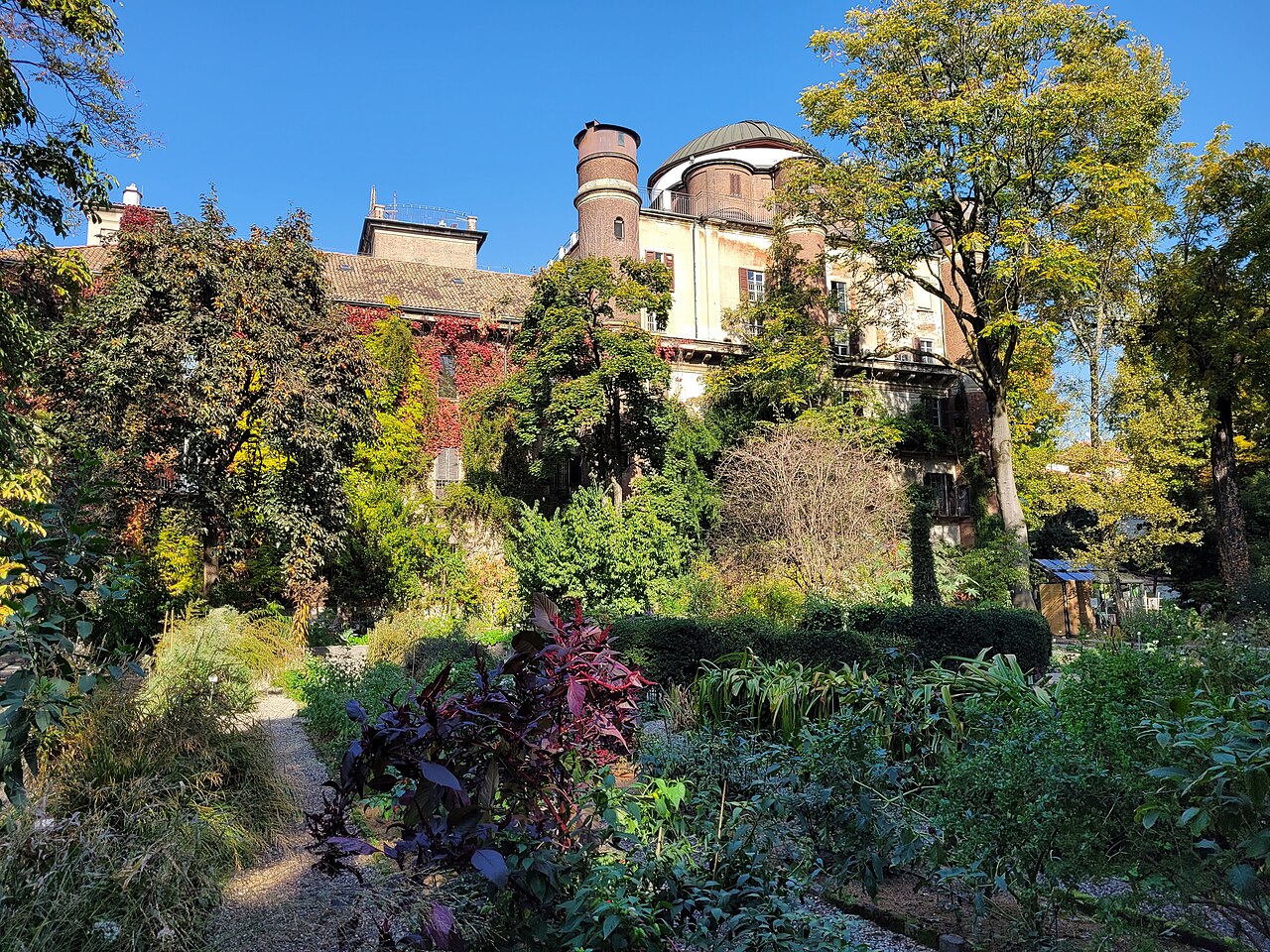
Orto Botanico di Brera is a historic botanical garden in Milan’s Brera district. Founded in 1774 under Maria Theresa of Austria, it was created as an academic setting for cultivating medicinal plants and supporting pharmaceutical education. The garden sits behind Palazzo Brera, alongside the Pinacoteca di Brera and the Brera Academy. Today it combines scientific and educational character with a quiet urban escape. Its compact scale makes it especially appealing between visits to Milan’s major museums, churches, and streets. Orto Botanico di Brera is a historic botanical garden in Milan, situated within the Brera district. Established in 1774 by Maria Theresa of Austria, it serves both as a scientific research facility and a public green space. Visitors should verify current admission policies through official sources before visiting.
Checked 2026-08-26 · Source
The garden is arranged with geometric beds and paths that reflect its historic academic design. Visitors encounter mature trees, shrubs, herbaceous plants, seasonal flowers, and greenhouse structures holding tropical and subtropical specimens. Labeled plants support the garden’s teaching role, while water features and architectural details add visual variety. This is a place for close observation rather than a large landscape panorama. Look at the relationship between cultivated beds, old trees, glasshouse spaces, and the surrounding Brera buildings to understand how a scientific garden fits into the historic city.
Checked 2026-08-26 · Source
A compact visit usually takes around thirty to sixty minutes. The paths allow a thorough look without the long distances associated with a large park, although visitors interested in plant identification or photography may stay longer. The garden also works as a pause between nearby cultural sites. Pairing it with the Pinacoteca di Brera, Palazzo Brera, and the surrounding Brera streets turns a short garden visit into a broader half-day cultural walk. Keep the pace unhurried so the small details are not lost.
Checked 2026-08-26 · Source
Spring and early summer bring active growth and flowering displays, while autumn adds changing foliage to the garden’s tree canopy. Winter highlights the geometric structure, paths, and greenhouse forms even when fewer plants are in bloom. Morning is comfortable during hot Milanese summers and can provide softer light for close observation. Rain reduces the pleasure of an outdoor visit, and summer heat can be strong in exposed areas. The garden’s central location makes it easy to fit into a city day in any season.
Checked 2026-08-26 · Source
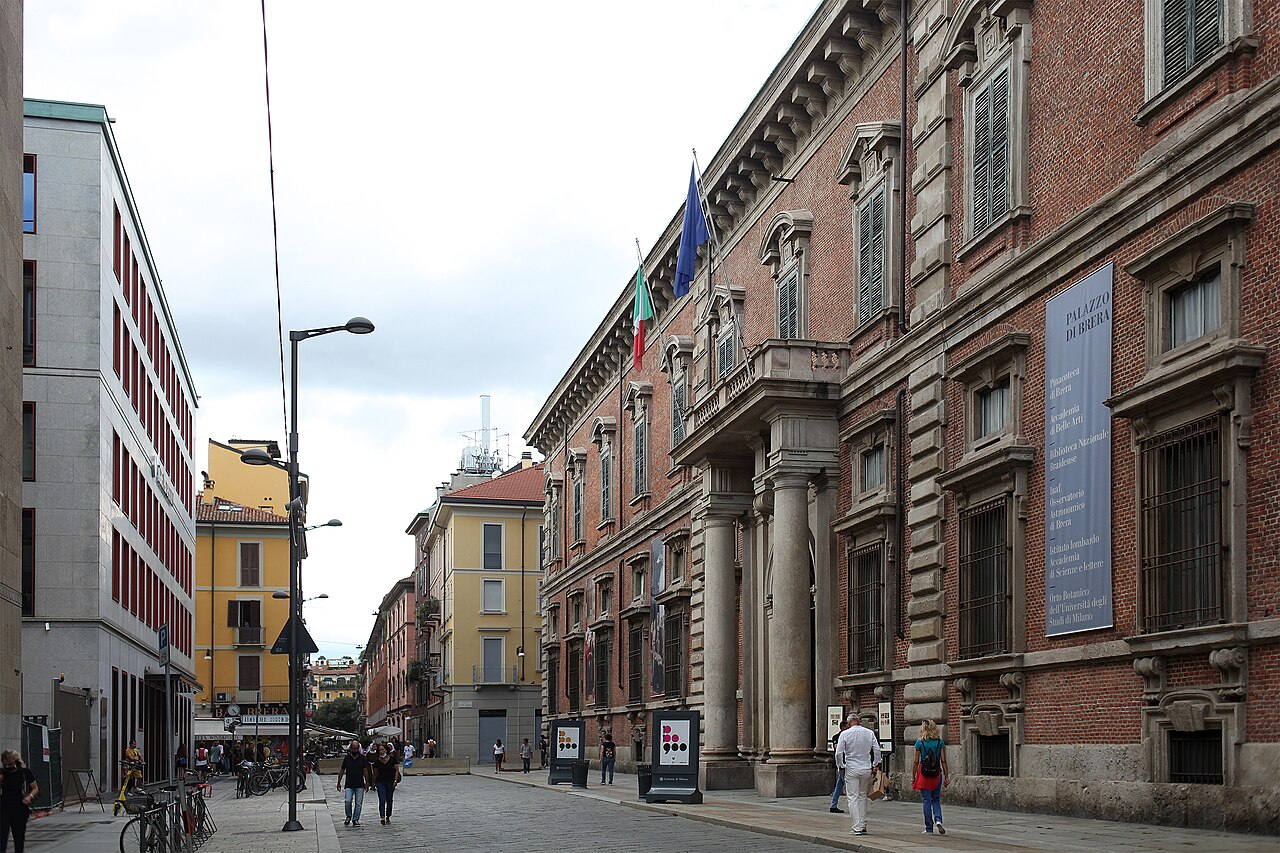
Orto Botanico di Brera is an academic garden with public access, and its visit can be combined geographically with the Palazzo Brera complex and Pinacoteca di Brera. The garden and the art gallery are separate experiences, so plan them as distinct stops within the Brera area. The piazza and surrounding streets provide additional sightseeing without entering another attraction. A garden visit is therefore useful even when your day is built around Milan’s historic center, because it adds plants, glasshouses, and open air to an otherwise museum-heavy route.
Checked 2026-08-26 · Source
The garden is in central Milan’s Brera district, within walking distance of the Palazzo Brera complex. Lanza metro station on Line 2 serves the area, and trams and buses stop on surrounding streets. Walking from the Duomo and other central landmarks is practical for visitors comfortable with Milan’s historic paving and narrow streets. The dense location favors public transport or walking over driving. Once in Brera, allow time to follow local streets and courtyards, because the garden sits within a compact historic urban setting rather than beside a broad avenue.
Checked 2026-08-26 · Source
The garden is compact, and paths can feel busy when nearby Brera attractions are crowded. Historic paving and narrow routes may require care from wheelchair users and visitors with strollers. Greenhouses can feel warmer and more humid than the open garden. Stay on visitor paths, avoid touching plants, and respect cultivation areas. In hot weather, carry water and use sun protection because outdoor shade is not continuous. The surrounding Brera district also includes uneven surfaces, so comfortable shoes make the combined cultural walk easier.
Checked 2026-08-26 · Source
The garden rewards close, layered compositions: geometric beds, labeled plants, mature trees, greenhouse structures, water details, and the historic buildings around Brera. Spring flowers and autumn foliage provide seasonal subjects, while the enclosed urban setting favors intimate frames over sweeping landscapes. Morning or late afternoon light can soften shadows cast by surrounding buildings. Keep equipment compact on narrow paths and avoid obstructing other visitors. Commercial photography may require permission, and any tripod restrictions should be followed through signs or staff instructions on arrival.
Checked 2026-08-26 · Source
The garden was founded in 1774 under Maria Theresa of Austria as an academic garden for medicinal plants and pharmaceutical education.
It is in Milan’s Brera district, behind Palazzo Brera and beside the Pinacoteca di Brera and Brera Academy.
Lanza metro station on Milan’s Line 2 serves the Brera area, with trams and buses operating on nearby streets.
Yes. The garden, Palazzo Brera, and Pinacoteca di Brera are together in the same dense cultural area and can be visited within one walking circuit.
The garden contains geometric plant beds, mature trees, seasonal displays, labeled specimens, and greenhouse structures for tropical and subtropical plants.
Spring and early summer bring flowering and active growth, while autumn offers changing foliage among the garden’s mature trees.
Loading the interactive map…
The interactive map could not be loaded.
Last updated:
Source: OpenStreetMap contributors, Wikidata ·