
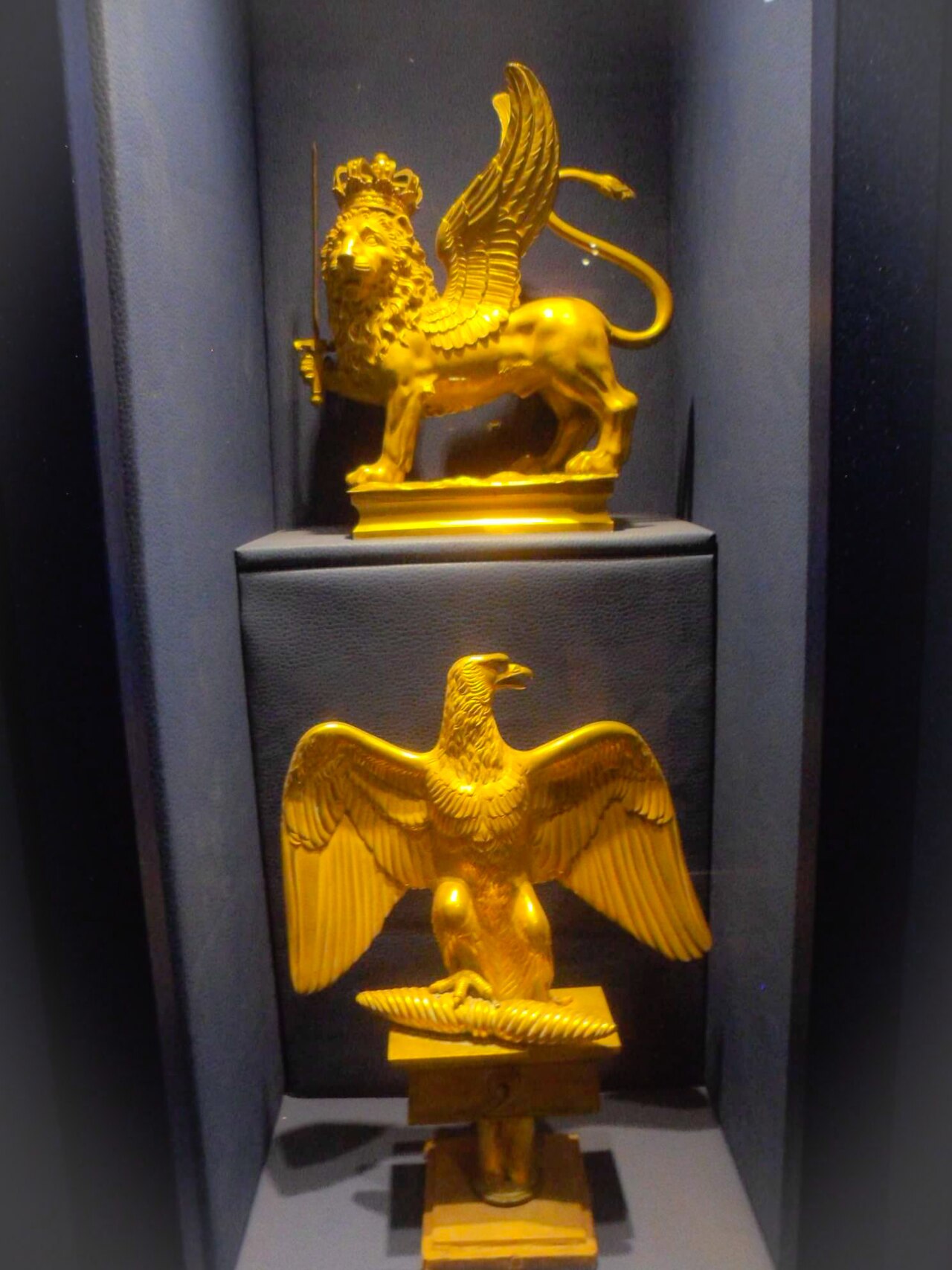
1 min walk
Museum of the Risorgimento
- Must see · Heritage site
- Museum
Language · 11 published
Museum · Milan
Museo Astronomico di Brera
Reviewed by Elena Voss · Roavina Travel Editor
| Monday | Closed |
|---|---|
| Tuesday | 10:00 – 15:00 |
| Wednesday | Closed |
| Thursday | 10:00 – 15:00 |
| Friday | 14:00 – 18:00 |
| Saturday | 10:00 – 18:00 |
| Sunday | 10:00 – 18:00 |
Parsed from OpenStreetMap opening hours on 2026-09-09.
This place is a Museum. It was established in 1764. It carries the Italian national heritage heritage designation.
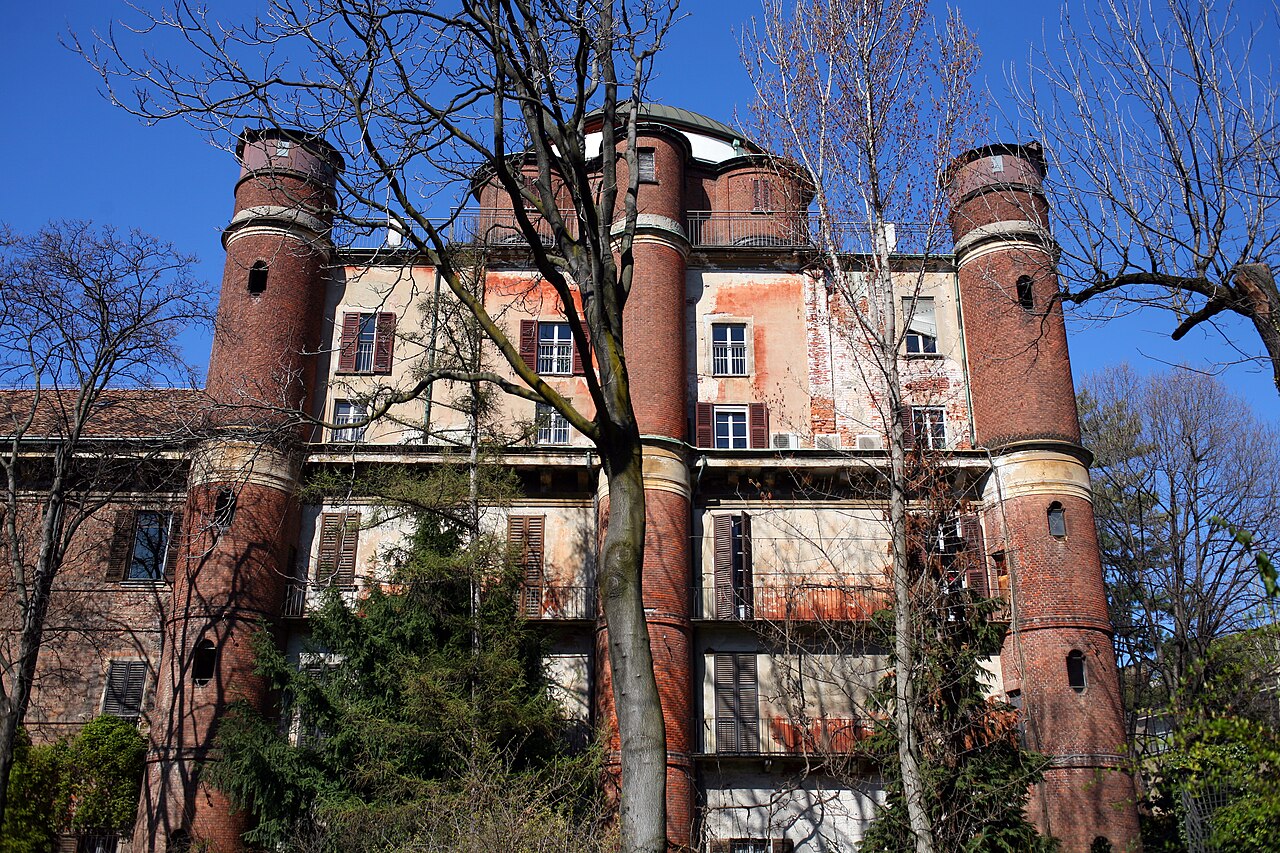
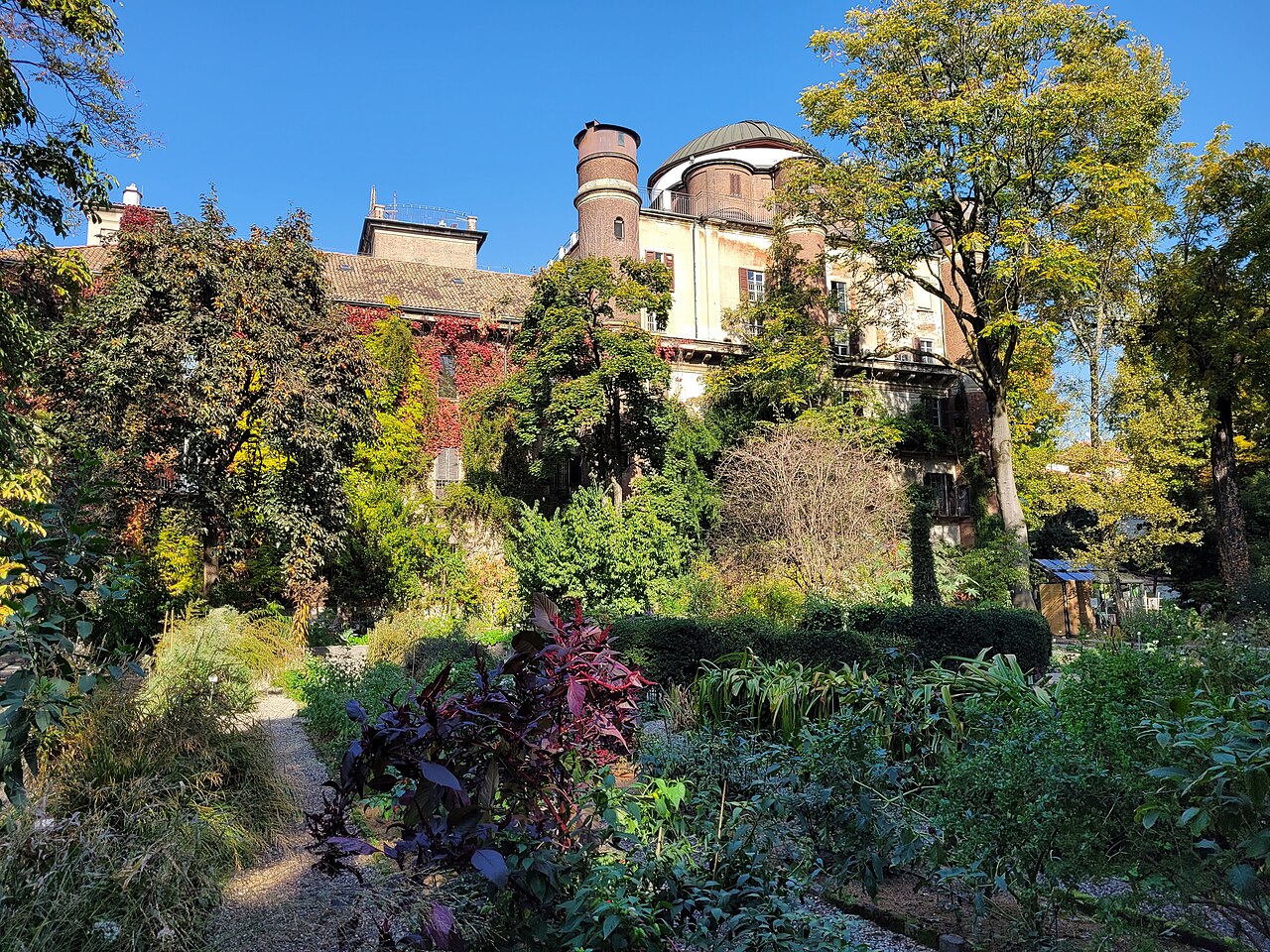
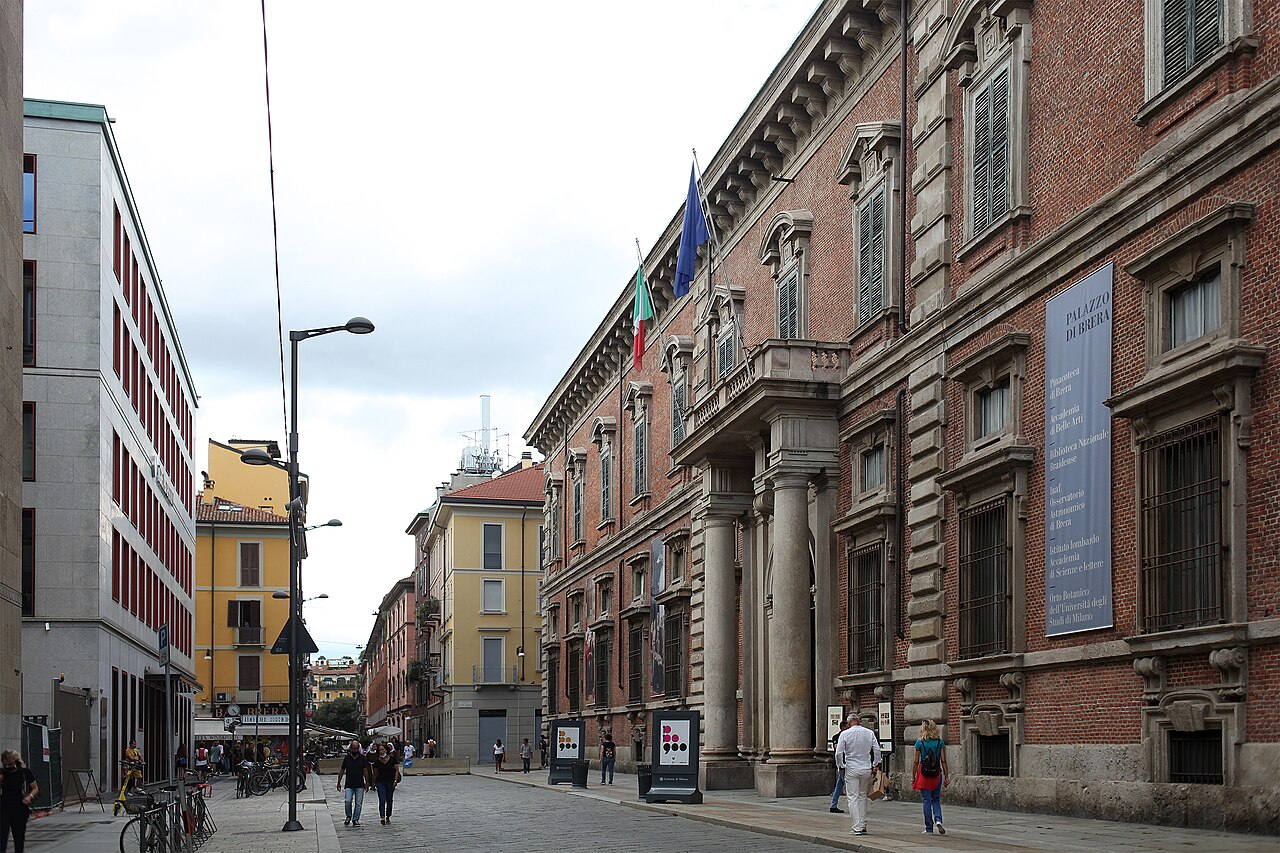
Brera Astronomical Observatory is a historic scientific institution in Milan’s Brera district. Known locally as Museo Astronomico di Brera, it forms part of the Palazzo di Brera complex, alongside the Pinacoteca di Brera and other cultural institutions. The observatory is among Italy’s oldest and most prestigious astronomical research centres, with origins in the eighteenth century. It is an especially rewarding place for visitors interested in astronomy, scientific heritage and the history of observation. The Brera Astronomical Observatory, known locally as Museo Astronomico di Brera, is a historic astronomical institution located in the Brera district of Milan. It is housed within the Palazzo di Brera, a significant cultural complex that also contains the Pinacoteca di Brera art gallery and other important institutions. The observatory represents one of Italy's oldest and most prestigious centers for astronomical research, with origins dating back to the eighteenth century. Its historical instruments and scientific heritage make it a point of interest for visitors with specialized interests in astronomy and the history of science. The observatory is a historic scientific institution and may operate with restricted access, advance booking requirements, or scheduled guided tours rather than continuous public opening.
Checked 2026-08-26 · Source
The observatory preserves historical astronomical instruments associated with its long scientific tradition. Visitors may encounter antique telescopes, celestial globes and other equipment that illustrates how astronomers studied the sky in earlier centuries. The setting inside Palazzo di Brera adds architectural interest and places the scientific collection within one of Milan’s major cultural complexes. The experience is centred on instruments and scientific history, rather than on a modern interactive science-centre format. The observatory contains historical astronomical instruments that reflect its long scientific tradition. These include antique telescopes, celestial globes, and other equipment used in astronomical observation over the centuries. The institution has served as a working research facility and maintains collections that document the development of astronomical science in Italy. Visitors interested in scientific heritage may find the preserved instruments and the architectural setting of the observatory within the Palazzo di Brera to be of particular note.
Checked 2026-08-26 · Source
Plan at least forty-five minutes for the observatory if you enjoy historical instruments and the development of astronomy. Visitors with a strong interest in scientific history can spend longer studying the telescopes, globes and surrounding Palazzo di Brera setting. A shorter stop can still work when the observatory is paired with another Brera attraction, but the collection rewards a slower pace and close attention to technical details. The appropriate duration for a visit to the Brera Astronomical Observatory depends substantially on individual interest levels and the specific access arrangements available at the time of visiting.
Checked 2026-08-26 · Source
Brera Astronomical Observatory suits a cultural day in central Milan, particularly when you are already exploring the Brera district. The surrounding neighbourhood is one of the city’s historic areas, so the visit can sit naturally between museums, galleries and streetside cafés. Because the observatory is a scientific institution within a larger complex, its visitor access may follow arrangements distinct from the Pinacoteca di Brera.
Checked 2026-08-26 · Source
The observatory and the Pinacoteca di Brera are distinct institutions within Palazzo di Brera. Build your day around the observatory’s scientific and historic interest rather than treating it as automatically included with an art-gallery visit. A separate access procedure may shape the timing of your Brera itinerary.
Checked 2026-08-26 · Source
The observatory is in Via Brera, within Milan’s central Brera district and inside Palazzo di Brera. Its central position makes it suitable for a walking-based day linking several cultural landmarks. Milan’s metro, trams and buses serve the wider central area, while the final approach leads through Brera’s narrow historic streets. Use the observatory’s name and Via Brera location when planning the last part of your route.
Checked 2026-08-26 · Source
This is a historic scientific institution, not a museum designed around continuous casual entry. Palazzo di Brera contains several separate organisations, so identify the observatory specifically when you arrive. Historic interiors may include stairs, and visitors should follow directions around delicate instruments. Keep the observatory distinct from the Pinacoteca when planning time, entry and the order of your Brera visits.
Checked 2026-08-26 · Source
The antique telescopes, celestial globes and Palazzo di Brera interiors offer strong subjects for careful photography. Treat the instruments as historical objects and follow any signs or staff directions concerning cameras and flash. Personal photographs are most useful when they show both the equipment and its architectural setting. Avoid touching display objects, and keep your camera work considerate when the rooms are busy or access is guided.
Checked 2026-08-26 · Source
It is inside Palazzo di Brera in Milan’s central Brera district, on Via Brera.
The observatory preserves antique telescopes, celestial globes and other historical astronomical instruments.
Both institutions are located within Palazzo di Brera, but the observatory and Pinacoteca di Brera are distinct institutions.
Allow at least forty-five minutes for the instruments and scientific setting, with longer needed for a detailed visit.
It offers a focused introduction to Italy’s astronomical heritage and to the history of scientific observation in an eighteenth-century institution.
Yes. Its location in Brera makes it a natural cultural stop alongside the Pinacoteca di Brera and the district’s historic streets.
Loading the interactive map…
The interactive map could not be loaded.
Last updated:
Source: OpenStreetMap contributors, Wikidata ·