
1 min walk
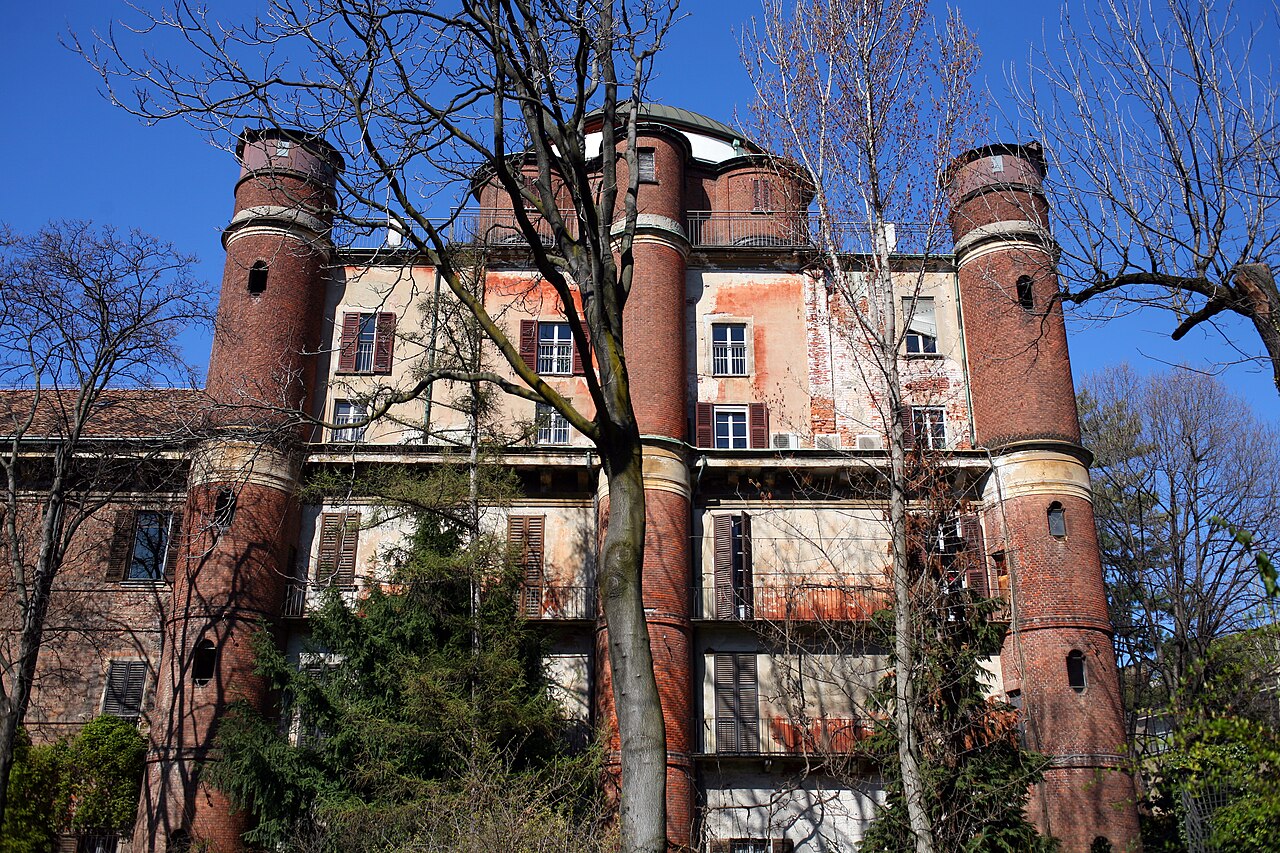
Brera Astronomical Observatory
- Must see · Heritage site
- Museum
Language · 11 published
Museum · Milan
Museo del Risorgimento
Reviewed by Elena Voss · Roavina Travel Editor
This place is a Museum. It opened in 1886. It carries the Italian national heritage heritage designation.
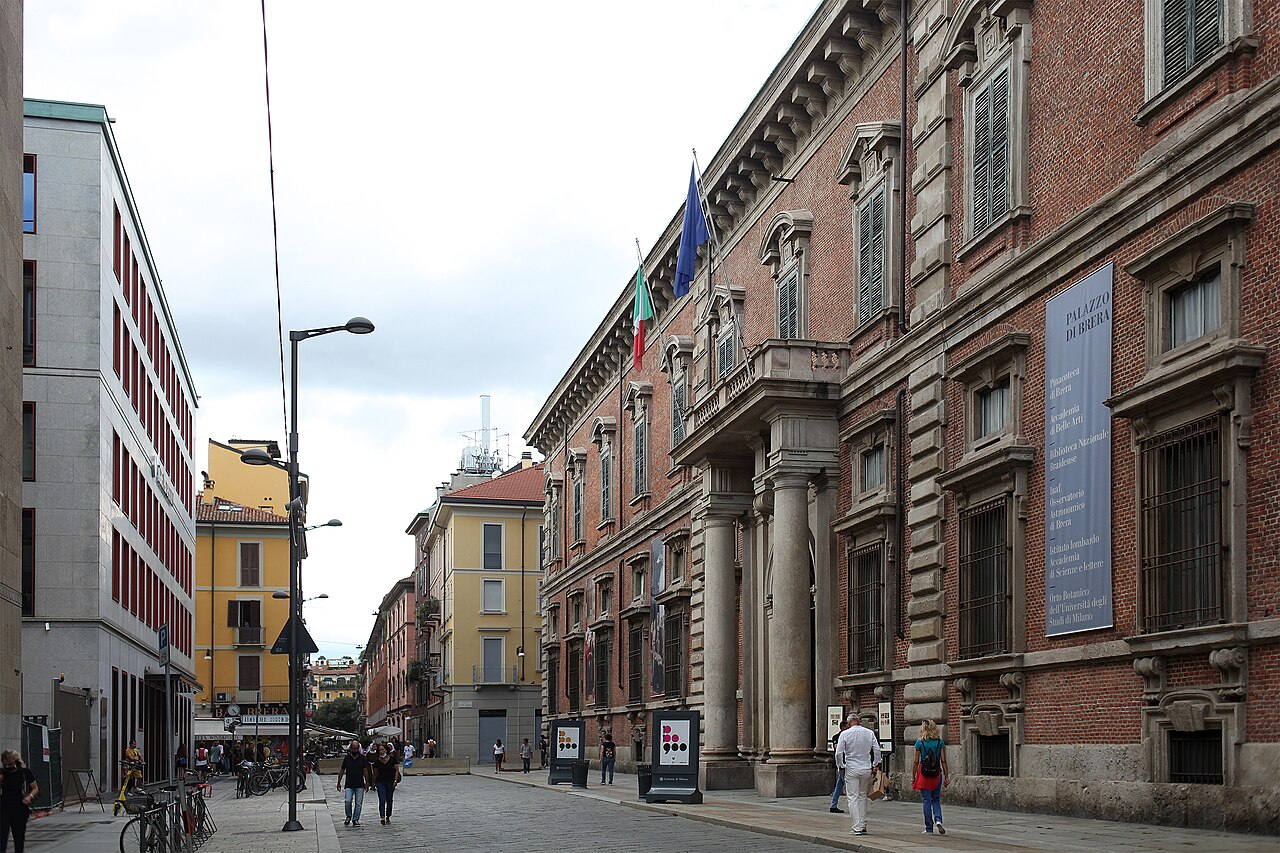
The Museum of the Risorgimento in Milan documents Italy's unification movement from 1796 to 1870. Housed in the 18th-century Moriggia Palace near Sforza Castle, it preserves artifacts, paintings, and documents from the period when disparate Italian states consolidated into a single nation. The museum occupies a historically significant location in central Milan, making it accessible for visitors exploring the city's political heritage. Its collections reflect the complex military, political, and cultural transformations that shaped modern Italy. The institution serves as a key repository for understanding nationalist movements in 19th-century Europe.
Checked 2026-08-26
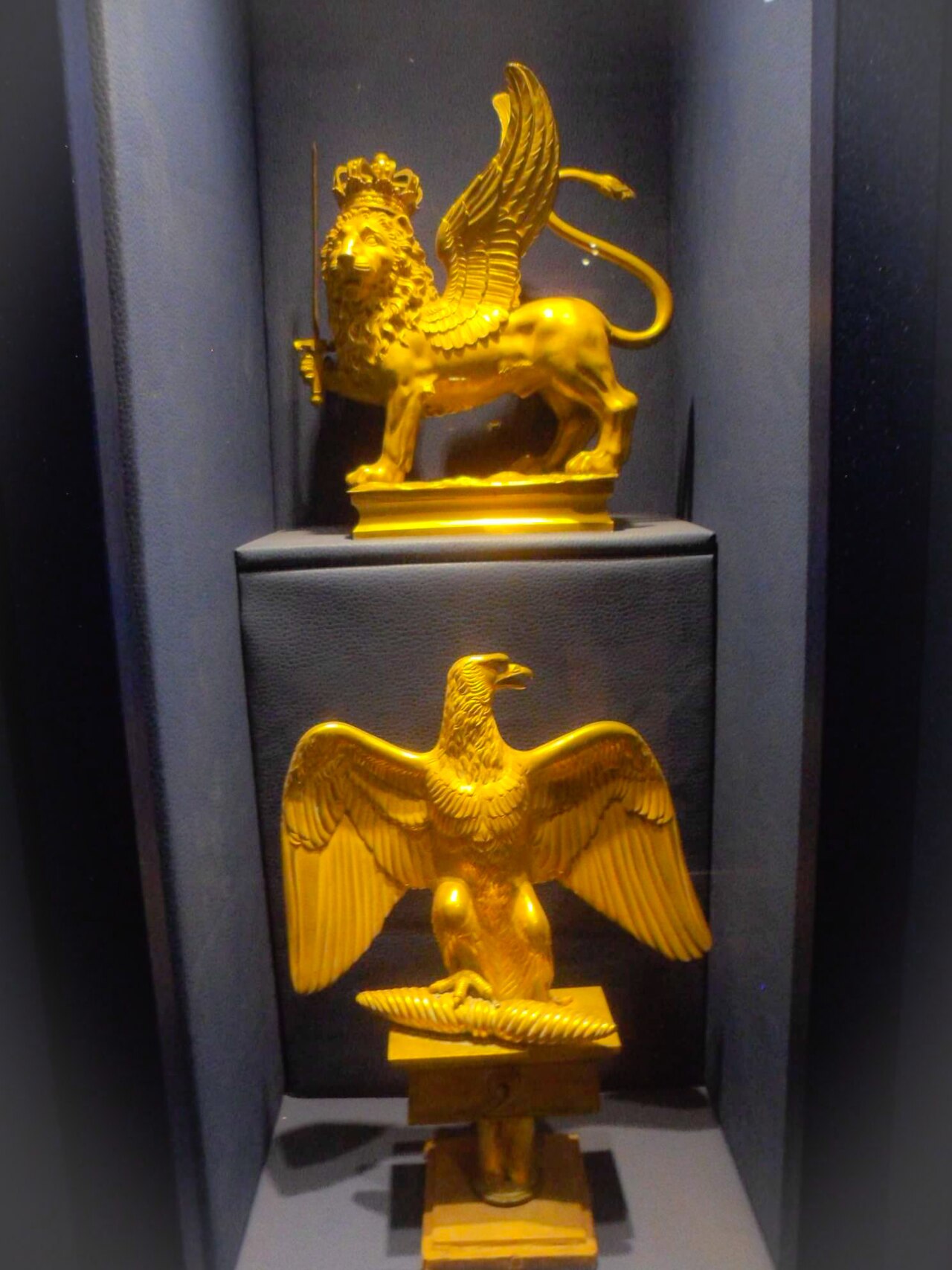
The museum contains collections of paintings, sculptures, weapons, flags, and historical documents from the Risorgimento era. Notable holdings include relics associated with prominent figures of Italian unification. The displays trace chronological developments from Napoleonic influences through revolutionary uprisings to final political consolidation. Visitors encounter personal effects, military equipment, and printed propaganda materials. The curatorial approach emphasizes narrative storytelling through material culture. Period rooms and reconstructed settings help contextualize historical events. The collections illustrate both elite political maneuvering and popular participation in nationalist causes. Artworks commissioned during and after unification commemorate pivotal moments and heroic individuals in standard commemorative styles.
Checked 2026-08-26
Visitors typically allocate between sixty and ninety minutes for a meaningful examination of the museum's galleries. This duration allows adequate engagement with the chronological narrative and significant individual objects without exhaustive examination of every display case. Those with specialized interest in 19th-century Italian history or military memorabilia may prefer extended visits approaching two hours. The compact palace layout facilitates efficient circulation without excessive walking between galleries. Audio guides or detailed reading of all labels would extend required time substantially. Casual visitors seeking overview comprehension find shorter visits sufficient. Planning should account for potential temporary exhibitions requiring additional attention beyond permanent collections.
Checked 2026-08-26
Visitors should consult current official sources before planning visits. The museum's central Milan location means surrounding attractions remain accessible regardless of specific opening times. Morning visits typically offer quieter conditions for contemplative examination of historical materials. Weekends and Italian public holidays may attract increased attendance from domestic tourists and school groups. The climate-controlled interior provides consistent conditions year-round, eliminating seasonal weather considerations for comfort. Special commemorative dates related to Italian unification may feature enhanced programming or conversely restricted access. Advance verification prevents disappointment from unexpected closures for private events or maintenance activities. Check the operator's own site for the travel date before relying on a schedule or fare.
Checked 2026-08-26
Visitors should verify current admission policies through official channels before arrival. Italian state museums frequently offer reduced rates for European Union citizens, students, seniors, and other qualifying categories upon presentation of appropriate documentation. Some national museums implement free entry on specific monthly dates under Italian cultural ministry programs. Combined ticketing with nearby Sforza Castle museums may provide economic advantages for comprehensive visits. Temporary exhibition surcharges sometimes apply beyond base admission. Advance online booking may be available or required during peak tourism periods. Cash and card acceptance policies should be confirmed beforehand. Check the operator's own site for the travel date before relying on a schedule or fare.
Checked 2026-08-26
The museum occupies a central position accessible via Milan's efficient public transportation network. The nearest metro stations serve multiple lines connecting to major arrival points including Central Station and Duomo. Tram and bus routes pass through the surrounding castle district. Walking from central Milan landmarks requires approximately fifteen to twenty minutes through pedestrian-friendly streets. Cycling infrastructure supports bicycle access with nearby parking facilities. Limited street parking in the historic center discourages private vehicle use. Taxi and ride services can approach nearby drop points. The castle complex location provides clear wayfinding landmarks for navigation on foot from surrounding areas.
Checked 2026-08-26
The historic palace setting involves staircases without elevator alternatives between floors, creating accessibility limitations for mobility-impaired visitors. Compact gallery spaces may feel crowded during peak visitation periods. Label text predominantly appears in Italian with variable supplementary English coverage. Photography restrictions may apply to specific objects or galleries without consistent museum-wide policies. Security screening upon entry follows standard Italian museum protocols. Bag size limitations may require locker usage. The surrounding castle grounds involve extensive cobblestone surfaces challenging for wheeled luggage or certain mobility devices. Nearby tourist concentrations attract persistent street vendors and petition gatherers requiring polite but firm dismissal.
Checked 2026-08-26
Photography policies within Italian museums vary significantly by institution and individual collection requirements. Flash photography typically remains prohibited to protect light-sensitive historical materials including textiles, works on paper, and certain painted surfaces. Tripod and selfie stick usage generally faces restrictions preventing obstruction of narrow gallery passages. Some artifacts may carry specific no-photography designations indicated by signage or staff direction. Visitors should observe posted regulations and comply promptly with staff instructions. Commercial or publication-quality photography requires advance authorization through formal application processes. Respectful behavior maintains appropriate atmosphere for contemplative engagement with significant historical materials documenting national transformation.
Checked 2026-08-26
School-age children with emerging interest in history may find value, though dense text-heavy displays challenge younger visitors. No dedicated interactive elements are recorded.
Scheduled guided tour availability is Not recorded pending review. Visitors should inquire directly with the museum regarding current programming in Italian or other languages.
On-site food service is Not recorded pending review. The surrounding castle district contains numerous dining options within short walking distance.
Audio guide availability and language options are Not recorded pending review. Visitors should verify current services before arrival.
Locker or luggage storage facilities are Not recorded pending review. Large bags may face restrictions for gallery access.
Historic palace staircases between floors present significant barriers. Full accessibility accommodations are Not recorded pending review; direct inquiry advised.
Loading the interactive map…
The interactive map could not be loaded.
Last updated:
Source: OpenStreetMap contributors, Wikidata ·