
01
2 hours
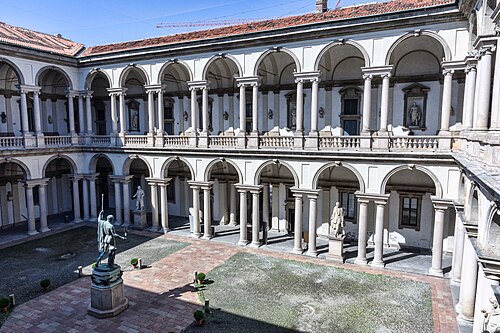
Pinacoteca di Brera
The Pinacoteca di Brera is Milan's principal public gallery of paintings, on the upper floor of Palazzo Brera in the streets north of the Duomo.
- Must see
- Museum
City guide · Italy
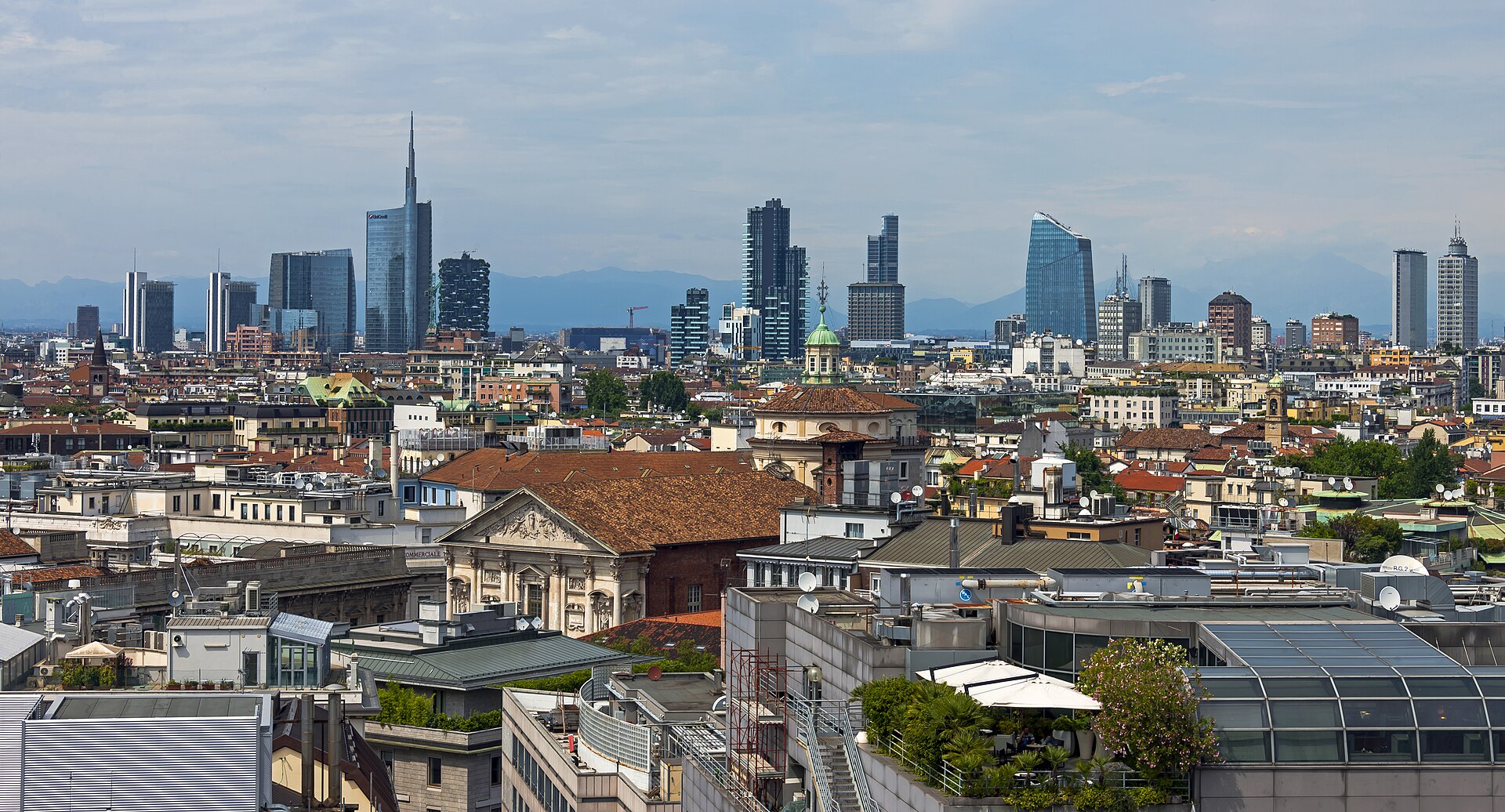
Milan is organised around a compact historic centre, with the Duomo, Galleria Vittorio Emanuele II and La Scala close enough to combine on foot. Brera lies imme...
Photograph · Daniel Case · CC BY-SA 3.0
Set your days, your pace and the hours you actually want to be out. The planner works around closing days and travel time, and leaves room to eat.
Reviewed by Elena Voss · Roavina Travel Editor
Milan is organised around a compact historic centre, with the Duomo, Galleria Vittorio Emanuele II and La Scala close enough to combine on foot. Brera lies immediately north, the Navigli canals sit to the southwest, and the modern Porta Nuova district rises around Garibaldi station. Longer journeys connect the centre with Santa Maria delle Grazie, San Siro and outer design districts.
Checked 2026-08-26
September · September eases to a 24.4°C mean high in Milan, with 93.1 mm of rain across about six days.
Ranked by importance — sitelinks, pageviews and heritage status, not editor preference.
56 places match
Category
Typical visit duration
Interests
The Pinacoteca di Brera is Milan's principal public gallery of paintings, on the upper floor of Palazzo Brera in the streets north of the Duomo.

Museo Nazionale della Scienza e della Tecnologia
The Museo Nazionale della Scienza e della Tecnologia "Leonardo da Vinci" is Italy's largest science and technology museum. Housed in a former Olivetan monastery, the institution honors Leonardo da Vinci's legacy as both artist and inventor.
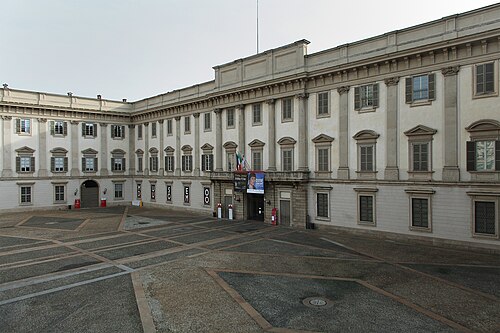
Palazzo Reale
The Royal Palace of Milan, known locally as Palazzo Reale, stands as a major historic palace in the centre of Milan.
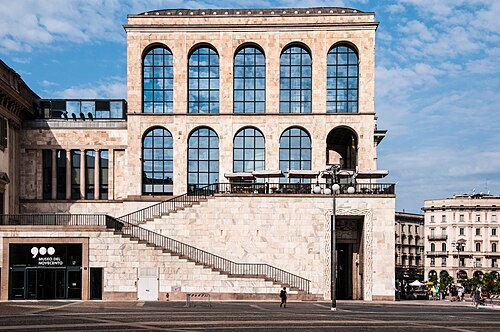
The Museo del Novecento occupies the Palazzo dell'Arengario at Piazza Duomo 8, the civic building on the south side of the cathedral square, and shows more than three hundred works selected from the four thousand-odd pieces of twentieth- and twenty-first-century…
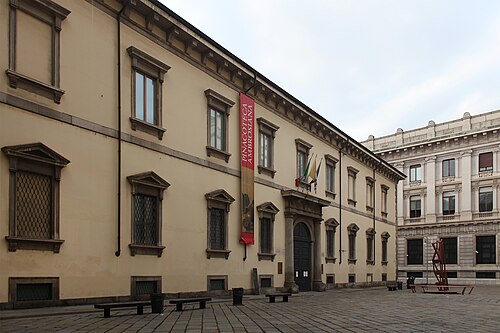
The Pinacoteca Ambrosiana is a historic art gallery and library in central Milan, founded in the early seventeenth century by Cardinal Federico Borromeo. It houses the Biblioteca Ambrosiana, one of Italy's oldest public libraries, alongside its picture gallery.

Gallerie d'Italia
Gallerie d'Italia is a museum complex in central Milan housed in historic palace buildings. It forms part of the Intesa Sanpaolo cultural project. The institution occupies the Palazzo Beltrami and adjacent structures facing Piazza della Scala.
Use the Duomo as the central reference point. The fashion quadrilateral and Brera are north of it, Castello Sforzesco and Parco Sempione are west, and the Navigli and Porta Ticinese districts are south and southwest. Milano Centrale is northeast of the old centre, while Porta Garibaldi serves the Porta Nuova business district. Grouping sights by these zones avoids repeated cross-city travel.
Checked 2026-08-26
Walk inside the historic centre and use ATM metro, tram and bus services for longer moves. Milan has five metro lines, while surface routes connect neighbourhoods beyond the rail corridors. Contactless bank cards and mobile devices can be used on ATM services, and the system calculates the applicable fare. Check the operator map before travelling to outer sites or changing fare zones.
Checked 2026-08-26
A fixed stay length is not recorded. Build the visit around the historic centre, Brera and the castle, then add Navigli, Porta Nuova or an outer attraction as time allows.
Yes. The Duomo, Galleria Vittorio Emanuele II, La Scala, Brera and Castello Sforzesco form a practical walking core, although the metro is useful for crossing between wider districts.
ATM operates the city's metro, tram, bus and trolleybus network. Use rail for cross-city movement and surface services where the metro does not directly reach the destination.
Yes. ATM accepts supported contactless cards and mobile devices on its services and calculates the applicable fare, provided the same payment method is used throughout the journey.
Treat Navigli, Porta Nuova, San Siro and other outer districts as separate clusters. They sit beyond the compact Duomo-Brera-castle core and usually require a dedicated transit leg.